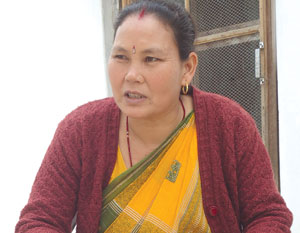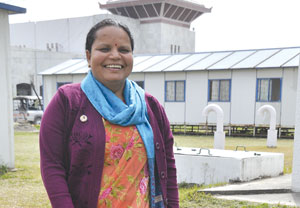
From 12 women in the 1999 parliament to 197 after the 2008 Constituent Assembly elections, Nepal had taken a great leap forward in achieving gender parity at the highest levels of governance. Six years later, things have regressed. Out of over 6,000 candidates from 130 parties who registered for the First Past the Post race in November elections, about 600 were women. Only 10 won. A further 162 women made it to the assembly floor through the Proportional Representation system, giving them less than 30 per cent of seats.
While the number of women lawmakers has slumped, those elected remain just as passionate as their predecessors about making their collective voice heard and drafting a gender-friendly constitution.
UCPN (Maoist), Rolpa-2
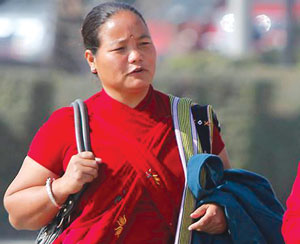
Former Maoist guerrilla Onsari Gharti Magar was seven months pregnant when she fought in the battle of Pakhapani in Rolpa in 1999. Eleven days later, she gave birth to her daughter, while still recovering from injuries. With an infant on her back, Magar went back to the field four months later and took part in the attack on Ghartigau police station.
Magar is among the 10 women who secured seats in the parliament through direct polls. Last month, as the 36-year-old took the oath of secrecy as the vice chair of the CA, her journey from being a shy teenager to a fierce woman commander flashed before her eyes. She credits her success to her education, which was an immense struggle for her poor family.
“Education gave me the confidence to face the world and break the shackles placed on me as a woman from a marginalised community,” admits Magar. She believes that unless women have the same access to education as men, they will not be able to compete with them.
The war is long over, but Magar says she needs to hold onto her fighting spirit more than ever in a parliament where men outnumber women by a huge margin. Says Magar: “Nepali society is steeped in patriarchy, but we are ready to fight for equality and ensure that the new constitution guarantees our rights.”