
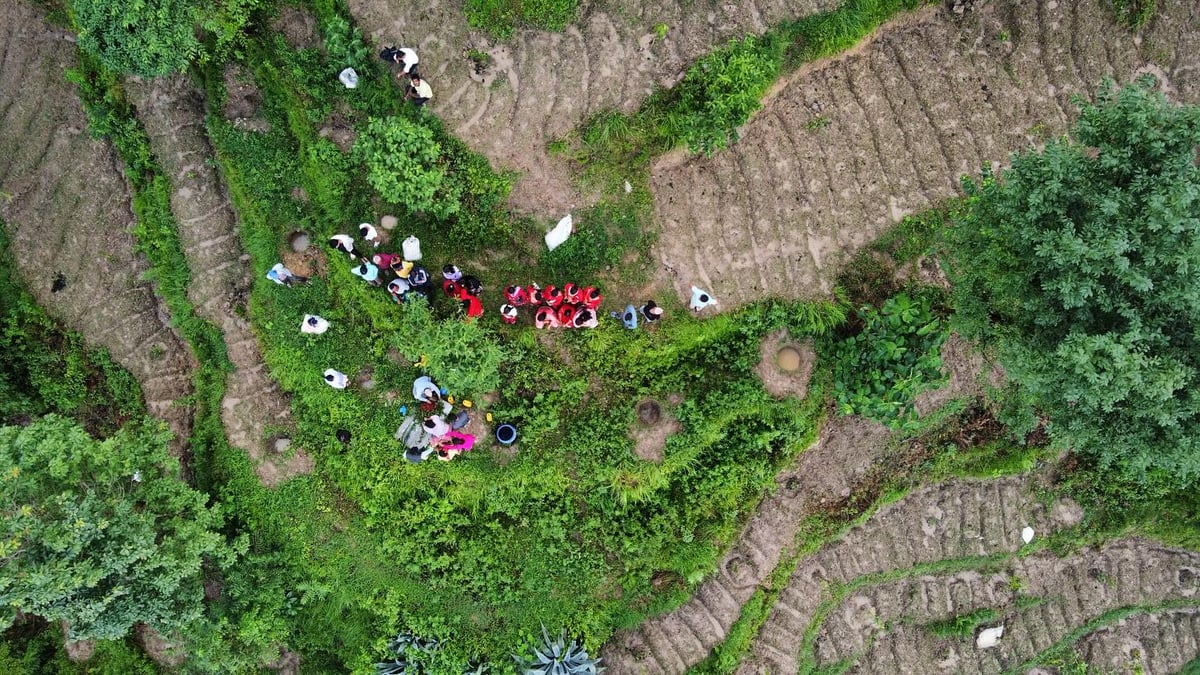
Just outside the Kathmandu Valley, past Dhulikhel, four farms are redefining agriculture. At a time of severe fertiliser crisis and resulting increase in the price of chemicals, the farms show that organic methods can be both practical and economical.
HASERA Permaculture Learning Center, Everything Organic, Okharbot Organic Farming, and Green intelligence follow a system called permaculture that works in tandem with natural processes rather than relying on machinery or synthetic materials.
Rooted in reciprocity with our planet, permaculture encourages a model of farming that is not only sustainable but organic, benefiting both consumers and the land.
The four farms are vying to join the global lighthouse network which brings together ‘exemplary farms and foodscapes from around the world that have found radical solutions to current sustainability challenges’.
Each farm not only practices permaculture but has also creates individual models to connect agriculture with education and tourism.
HASERA Permaculture Learning Center
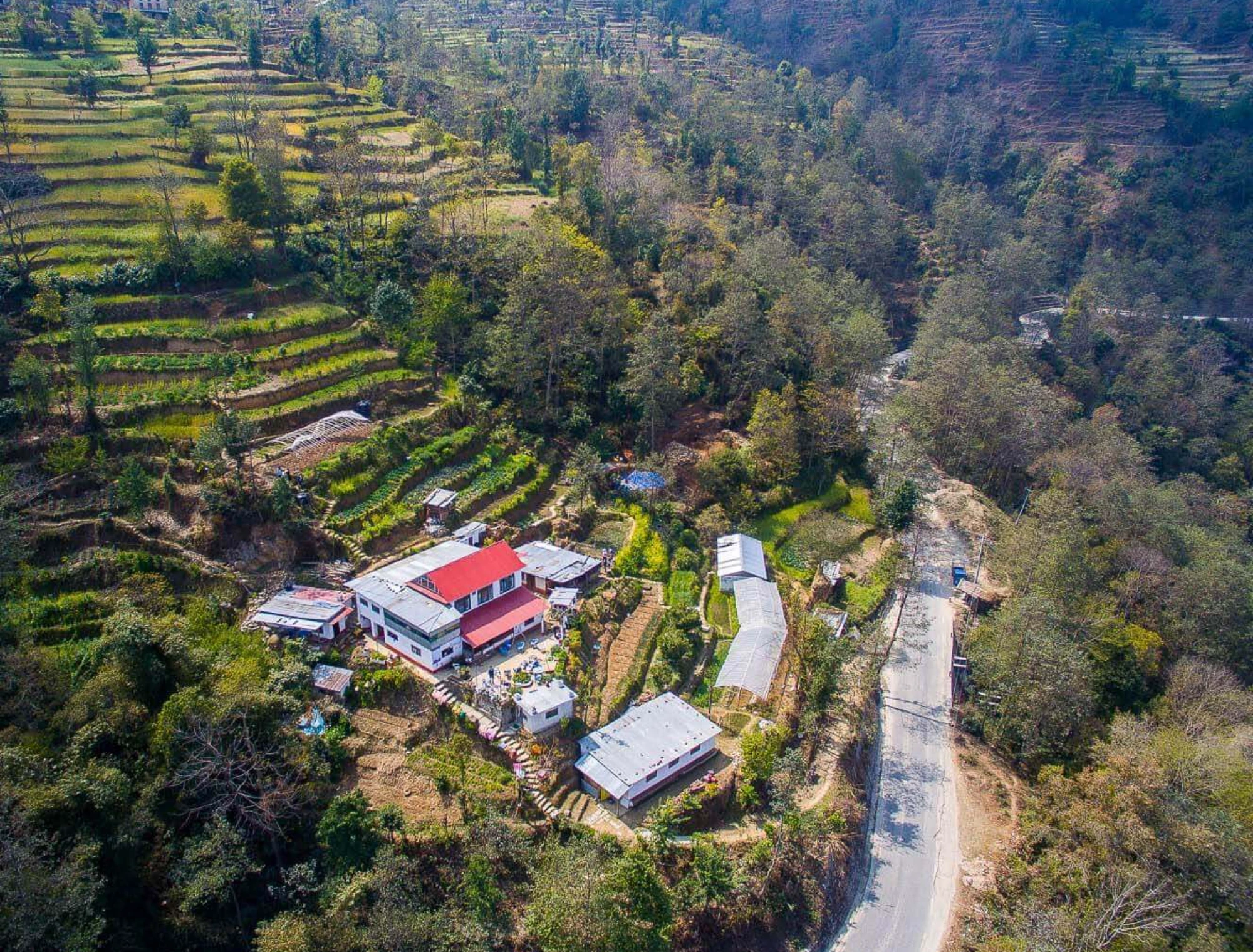
HASERA, established in 1992, not only runs a successful farm with a large variety of crops but also educates people in permaculture practices. The team has trained more than 26,000 farmers, the majority of whom are Nepali, across 23 districts.
Additionally, it has upported nearly 60 communities in obtaining Participatory Guarantee System Certification which is Nepal’s national standard for organic farming.
Says the general manager Bibek Dhital, “When local farmers see our model they notice that it makes sense. They realise that this is something they can do.”
These educational courses range anywhere from a few days to several weeks, hosting young students, tourism groups, and local farmers looking to learn more about organic farming.
They teach practices found at all four of the farms in this network including cross-cropping, natural alternatives to pesticides, and zero-waste practices of composting and recycling water.
These approaches are all designed to be not only completely self-sustaining but also affordable and accessible to all farmers. Hasera has a guesthouse that can accommodate up to 25 guests.
Everything Organic
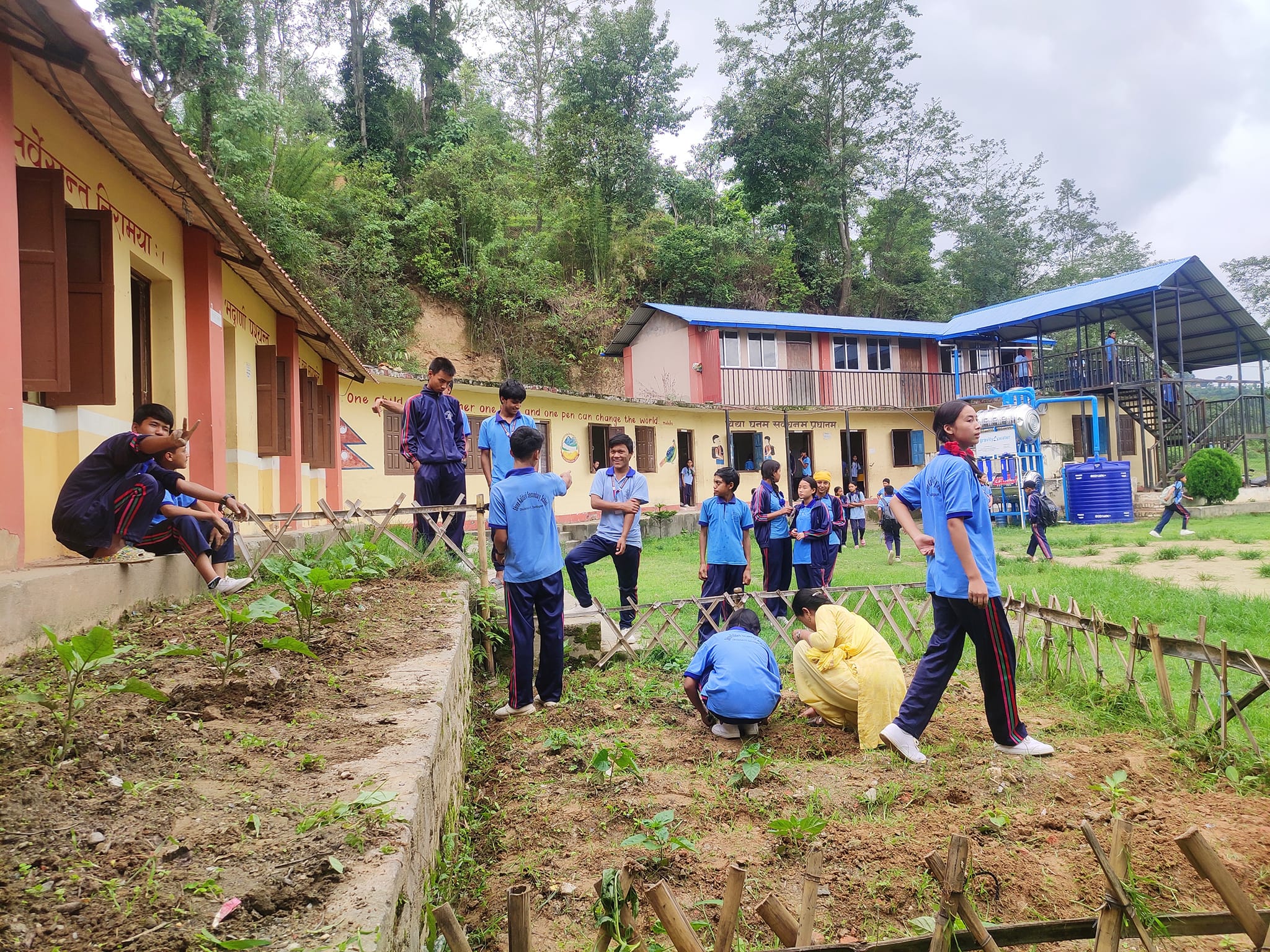
Founded in 2010 by American couple Judith and Jim Chase and now operated by Eco Himal, Everything Organic also combines agriculture, tourism, and education. It grows over 100 kinds of crops organically
Everything Organic is also open to teaching bio-intensive farming methods. It employs locals and receive visitors from all over the world to learn about methods in deep digging, water management, and recycling. It has trained over 210 farmers and give free courses to Peace Corps volunteers.
Rather than separating training from crop production, Everything Organic teaches through direct participation in the daily operations of their farm. It supplies produce to several organic markets in the city, demonstrating how permaculture oriented farming practices can generate income.
Okharbot Organic Farm
Okharbot Organic Farm, the largest of the four, spans three hectares with over 150 varieties of crops. It was founded by Dutch native, John Hummel and places permaculture practices into a more holistic model.
Not only does it grow sustainably with a circular ecology zero-waste system, but it also harnesses solar energy, produces dairy items, and all of the buildings are eco-friendly. The luxury lodging is built from rammed earth and salvaged materials.
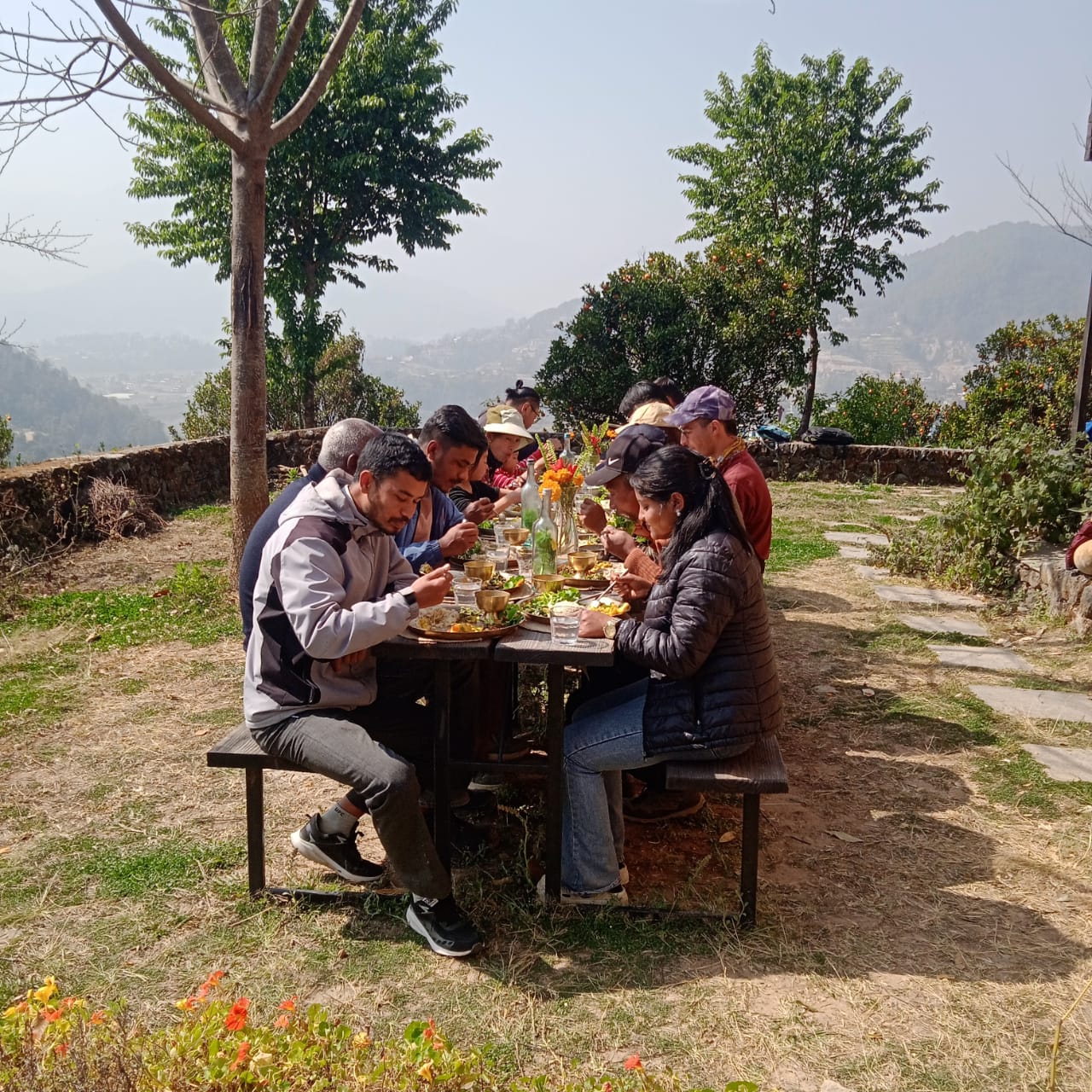
Hummel also works with Kathmandu University, bringing students from Nepal and the Netherlands to teach the APPA method (Appreciative Participatory Planning and Action framework), encouraging a focus on community based sustainable tourism. He hosts groups of students and tourists for short term visits, farm to table meals, or longer term stay.
“There is so much opportunity for agriculture and tourism to impact and engage with communities and surrounding landscapes to promote sustainable development,” says Hummel who is on a mission to show young people that there is a future in agriculture in Nepal.
Green Intelligence
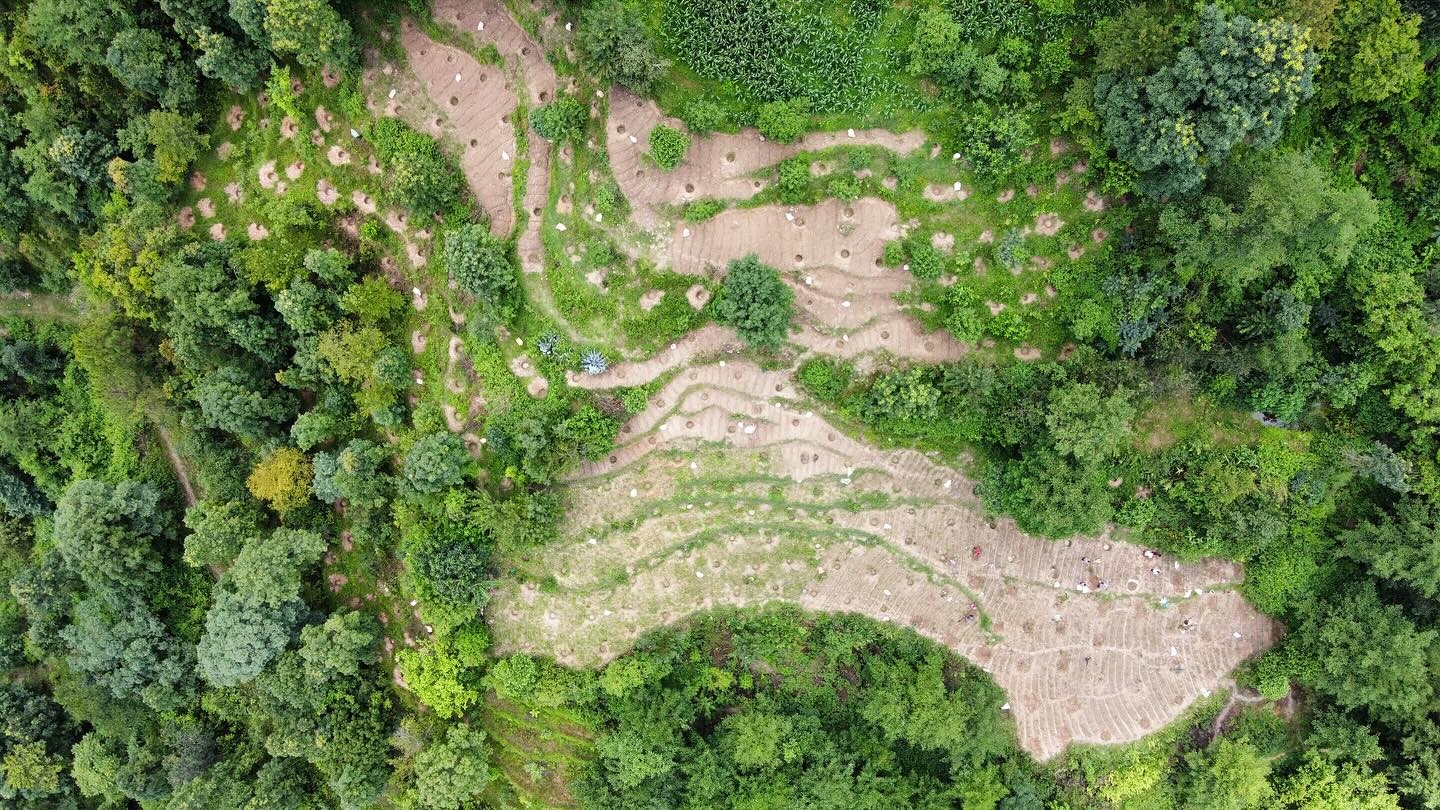
Green Intelligence is the newest farm in this lighthouse network, staking roots in Nepal in 2022. Founded and directed by Dutch man Matthijs van Rijn, it focuses on agroforestry and practice carbon trading on an international stage.
Green Intelligence currently works with 150 local farmers who have a minimum of 0.1 hectare of land. It brings them to a training farm past Dhulikhel free of cost to teach how to organically plant and grow fruit trees and other cash crops.
When the crops are harvested, Green Organic sells part of them in local organic spaces and the rest to buyers in the Netherlands, in the form of ground ginger or cardamom. Eight percent of these profits go directly back to the farmers.
Trees are tagged with QR codes, allowing for easy tracking of the crop and the amount of carbon it has absorbed, resulting in a future carbon reward for farmers. Its goal is to use organic practices to benefit farmers who reduce their carbon footprint and in turn uplift the community.
Lead farmer Bijay Gautam is a young man from Dhulikhel who spent several years abroad. He returned to Nepal to build a future in agriculture. He says, “Our goal is to use organic practices to benefit farmers who reduce their carbon footprint and in turn uplift the community economically.”
A SHARED MODEL
In addition to their commitment to organic farming and permaculture, the farms set an example of how agriculture can be linked to other sectors in Nepal: from tourism to education to the organic produce market.
Farming today is not just limited to modern machinery and chemicals, all four farms are nearly completely self-sustaining without these. By combining local knowledge, training, and diverse streams of income, the farms have proven that working with nature does not require sacrificing economic opportunity.
The work is especially important to promote farming and farmers at a time when the youth are moving away from the land.
Says Dhital, “Even though the four of us are doing the same thing we are all unique and we learn from each other.” We are not alone in this journey towards organic farming. There are enough people in Nepal who believe in this.