The history of slavery is as old as human civilisation. One explanation was that slaves became necessary when there was an abundance of land, but lack of labour. It was profitable for landlords to use forced labour to increase production.
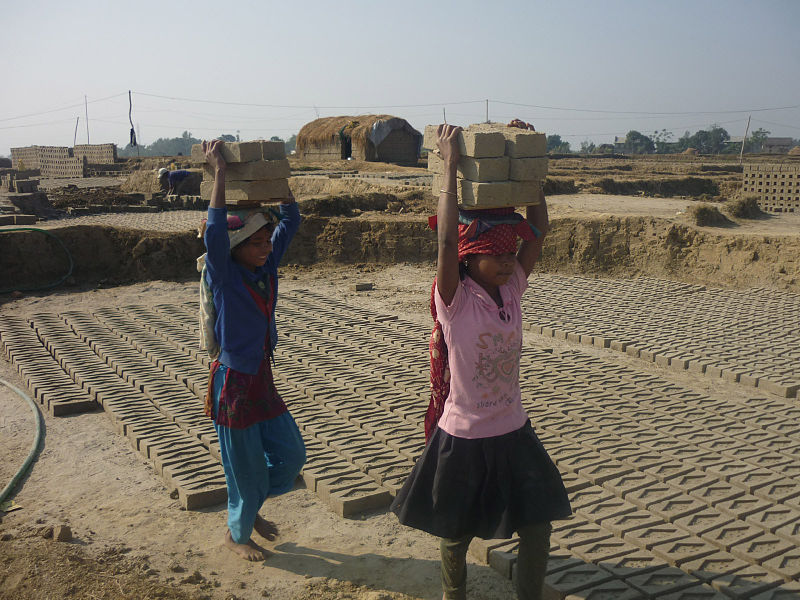
In the Subcontinent and Nepal slavery was linked to powerful land-owning classes and their power. People, usually from ‘lower’ castes in pre-modern Nepal did not own property, and paid off debts through inter-generational bonded labour. They were also subjugated to enslavement as a punishment for criminal offences.
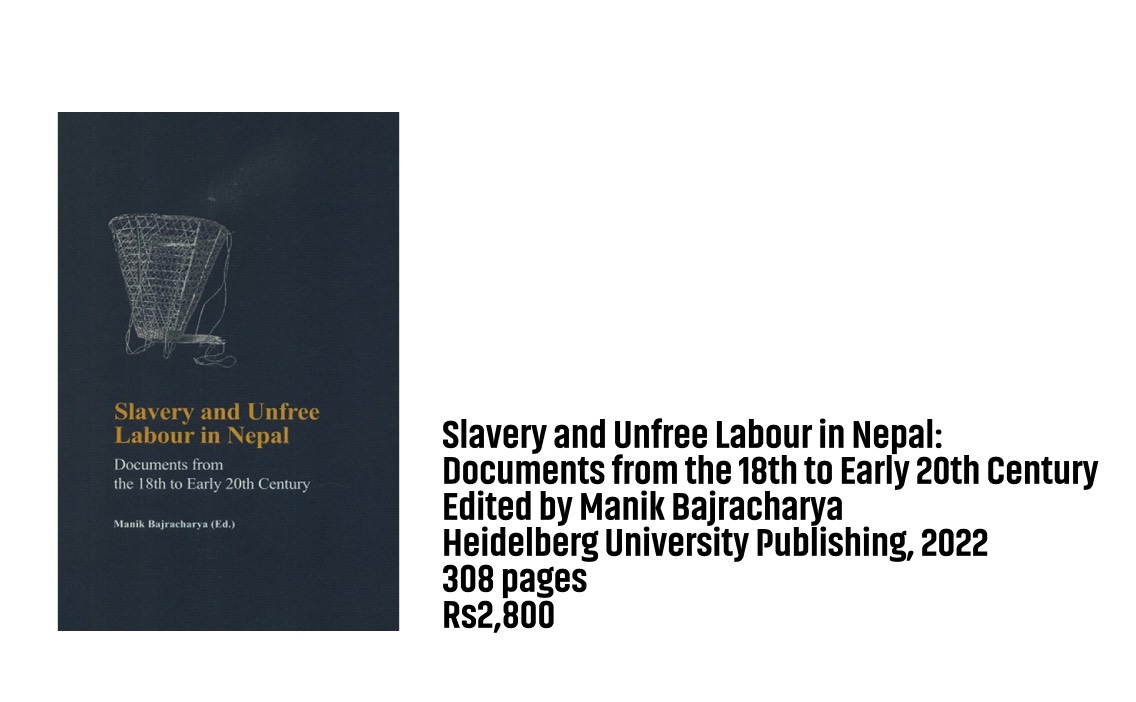
A new book, Slavery and Unfree Labour in Nepal: Documents from the 18th to Early 20th Century, delves into this dark side of history using documents and manuscripts from pre-modern Nepal. Politics and the hierarchical caste system shaped slavery.
Edited by Manik Bajracharya, a researcher at the Heidelberg Academy of Sciences and Humanities, the book cites the example of a bondservant who was recaptured after two years, and his bondage renewed with a fine added to the principal. People of disadvantaged castes were forced to abide by the terms of their landlords.
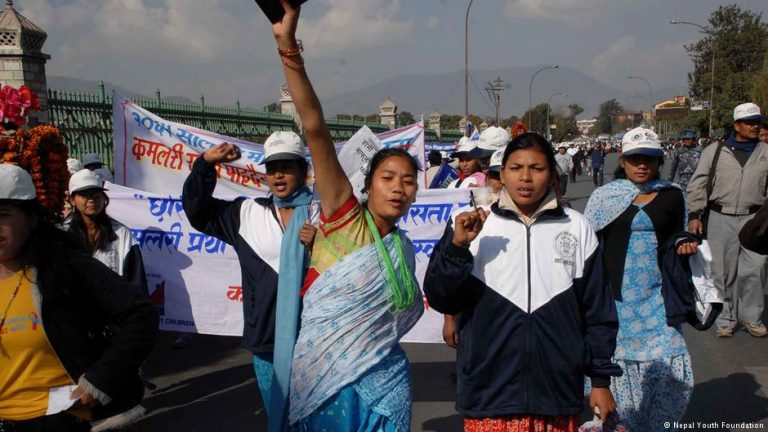
Kamaiya and Kamlari were slave women under a bonded labour system prevalent in the western Tarai. Interestingly, if a Kamaiya woman gave birth to a child of her landlord master during the period of her servitude, the offspring would be considered a legitimate child and be eligible to property like any other children. The women would also be freed from slavery.
However, the prevailing laws allowed men to have sexual relations with slave women while also allowing their husbands to kill the partner. There were rules designed to exercise control over people of lower castes, defining the social order. The chain of dependency in a household, hierarchy in castes, and gender discrimination were all aggravated by slavery.
True, such a patriarchal mindset is still deeply entrenched in India and Nepal, but slavery took this discrimination to an extreme — beyond just exploitation of labour. The book contains several accounts of bondage and slavery including fines and actions following which a person became a slave.