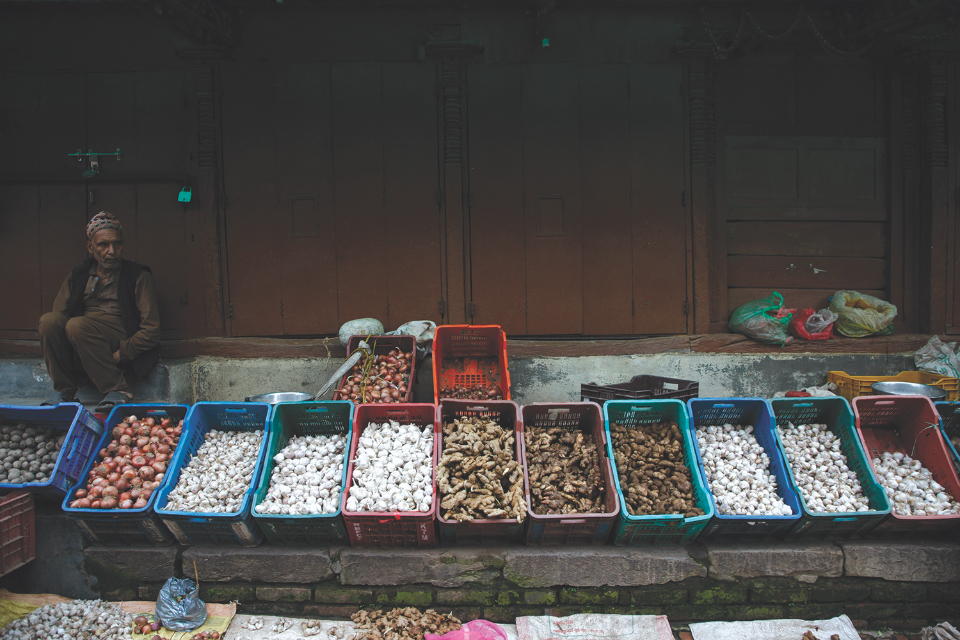
Urmila Kapali works as a seamstress in Kathmandu. She has seen her household expenses double in the past six months. Kapali’s son has a job, but his earnings go towards his own family. This joint family of five in Kathmandu is struggling to survive from one day to the next.
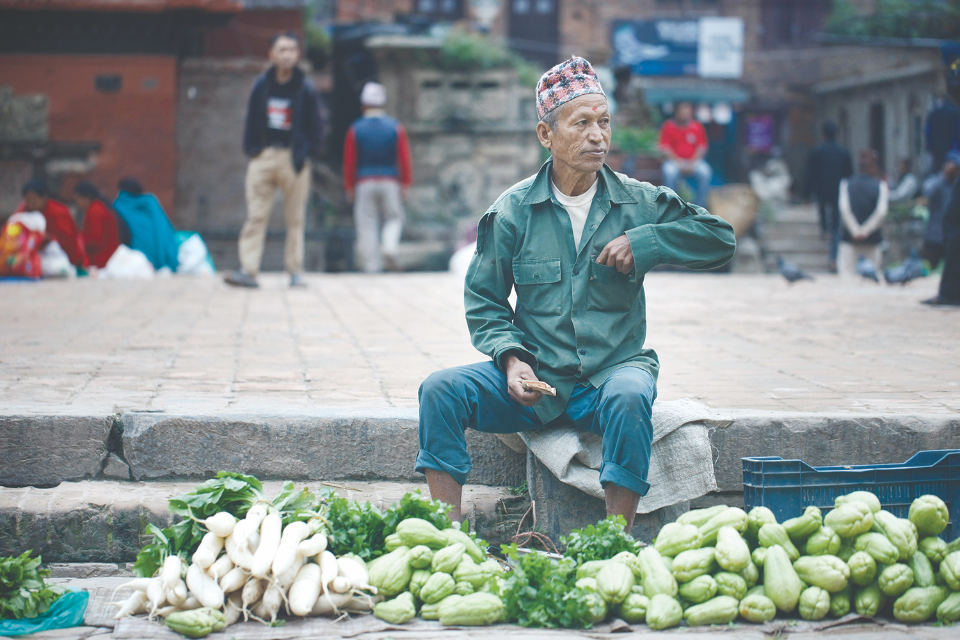
Modnath Dhakal from Gorkha has been delivering newspapers door-to-door in Kathmandu for three decades. The rising cost of basic food items, combined with soaring monthly rent for his room, has become unaffordable.
“How are we going to survive?” asks the 70 years old.
Urmila Kapali has to borrow money daily to buy food. She says: “If this continues, I don’t know how much longer we will stay afloat.”
As the world emerged from the Covid-19 pandemic, there has been a global crisis in the supply chain. Just as economies around the world were getting back to normal, Russia invaded Ukraine — setting off a chain reaction of food and fuel price inflation that has affected vulnerable countries the most.
In South Asia, Sri Lanka has officially declared bankruptcy and no longer has the foreign currency to buy any more petroleum. Elsewhere, Pakistan’s foreign currency reserves have dwindled to cover only one month of imports.
Read also: Ukraine crisis hits Nepal economy hard, Ramesh Kumar
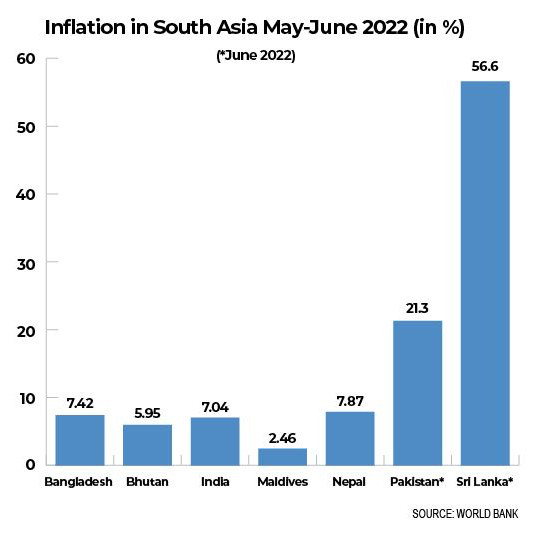
India has been relatively unscathed, but even there the inflation rate rose to 7.8%, the highest in eight years. This is directly affecting the price of goods in Nepal.
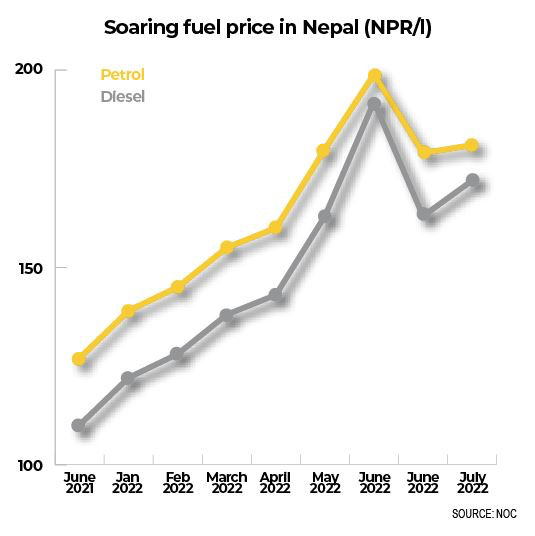
Two-thirds of Nepal’s imports are from India, most of which are petroleum products. Nepal and India have a fixed exchange rate, which puts Nepal at a disadvantage every time the Indian rupee weakens against the US dollar, as it is happening now.
Nepali consumers are therefore bearing the brunt of rising prices for imported goods and services. Some experts argue that Nepal’s monetary policies have been unable to rein in inflation because of the fixed INR-NPR exchange rate.
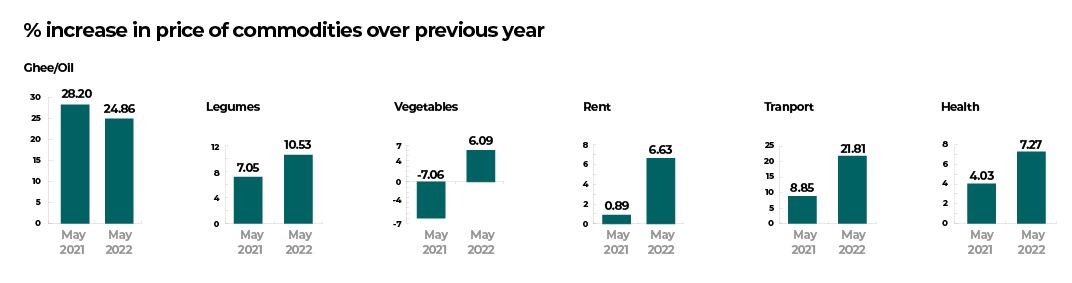
Nepal used to import corn, coriander, soybean oil and sunflower oil from Ukraine. The disruption of supply of these goods, along with the shortage of wheat and the global rise in fuel prices and transportation cost, has affected Nepal’s own manufacturing sector.
Nepal’s inflation rate had been increasing at an average of 4.6% for the last five years, but it nearly doubled to 8% in April. Average annual consumer prices are expected to exceed that by the end of this year.
Experts predict that this year’s budget will actually make matters worse. Says economist Keshav Acharya: “This year’s expansionary budget as well as salary increases for government employees will put more pressure on the market and on consumers.”
Nepal’s 15th Five-year Plan had put 18.7% of the population below poverty line, a steady decline in the past 20 years. But now, the progress of the past decades is likely to be reversed.
Read also: How not to be a Sri Lanka, Editorial
The World Bank estimates that about 45% of Nepal's high-risk low-income groups live just above the poverty line. The rising cost of basic food and fuel once again puts them at risk of falling below.
According to the Household Survey of 2017, Nepal’s poorest 10% spends more than two-thirds of the total expenditure on food, while the richest 10% only spends a quarter. A 2019 study by Min Bahadur Shrestha, former deputy chairman of the National Planning Commission, and Shashikant Chaudhary concluded that a 10% increase in the price of food will lead to a 4% increase in poverty.
Inflation has also affected middle-income families, reducing the value of savings as inflation rates soar higher than bank interest rates. Costs of goods from food items and construction material have shot up. Many of Nepal’s ongoing infrastructure projects have been hit by cost overruns and breached contracts.
This is not new. The cycle of high inflation has been going on for decades in Nepal, with an average of 8% increase over the last 40 years. The main reason for this is the 20% annual increase in credit to the private sector by banks and financial institutions over the past decades, which has led to a boost in imports and an increase in real estate prices rather than economic expansion and job creation. Meanwhile, profits generated by the bank's credit flows have helped to enrich the wealthiest by increasing the value of their assets.