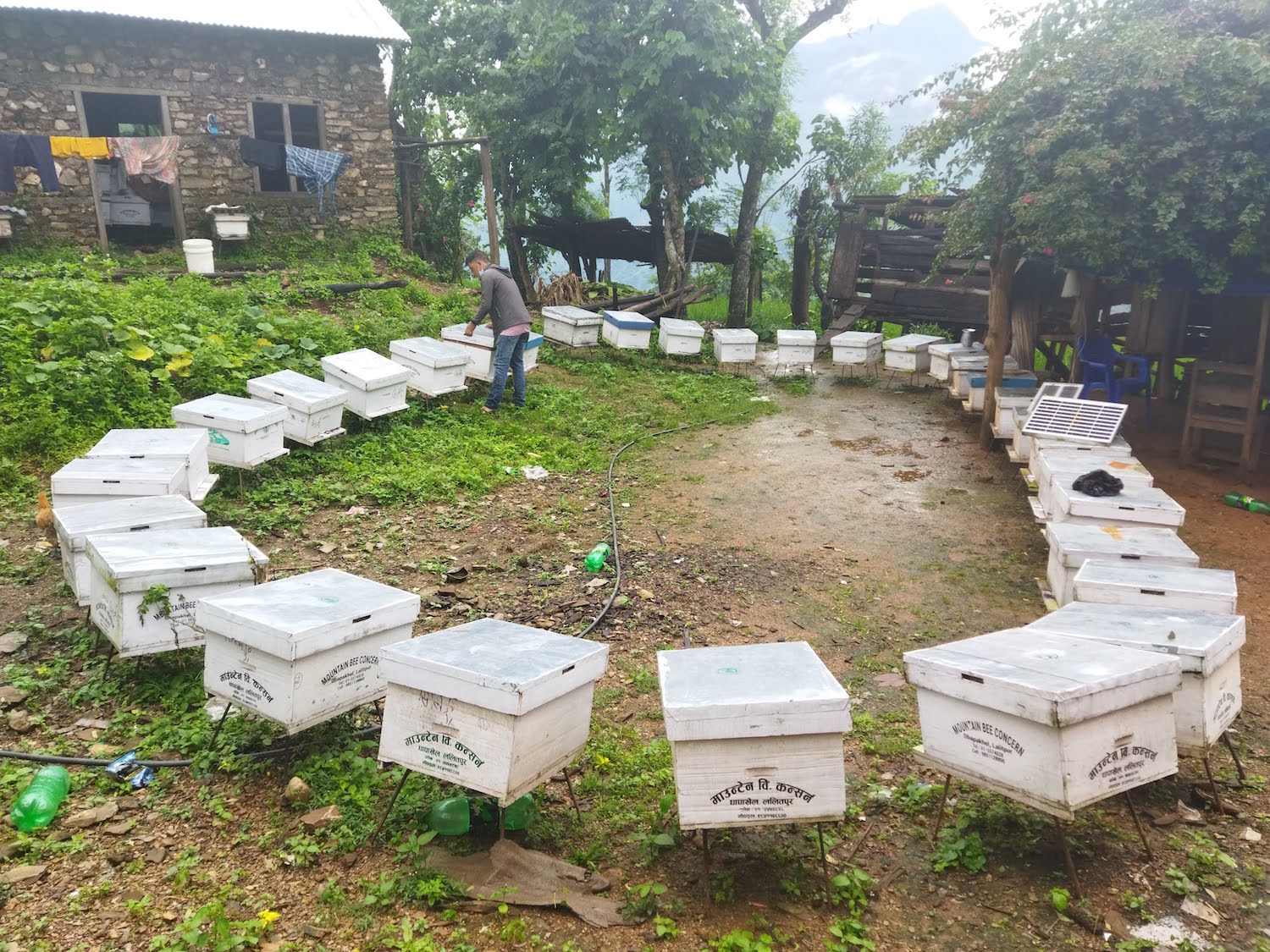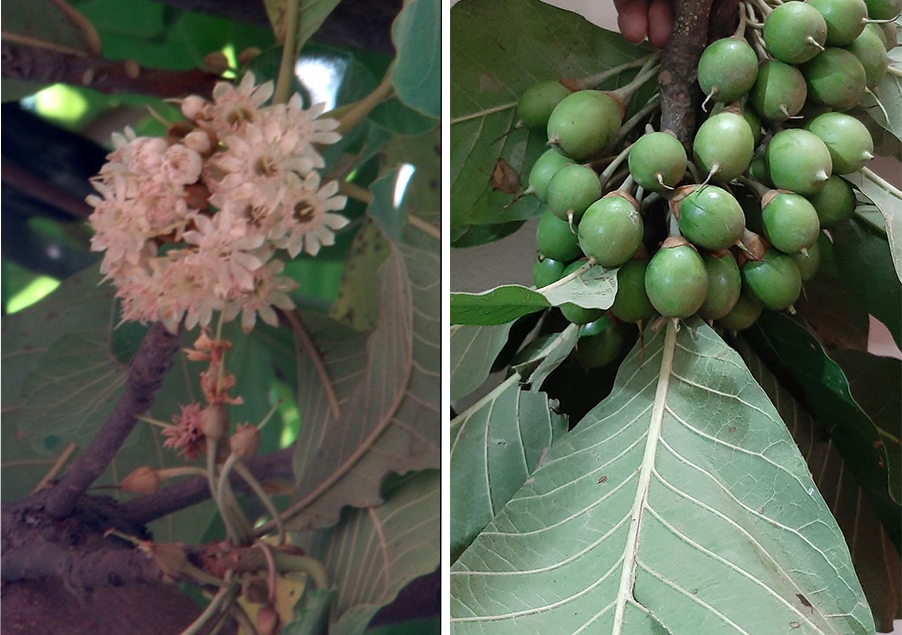
Aryan Praja grew up hearing stories about the versatile chiuri tree that provided his Chepang community with food, honey, medicine, and was an intrinsic part of the culture.
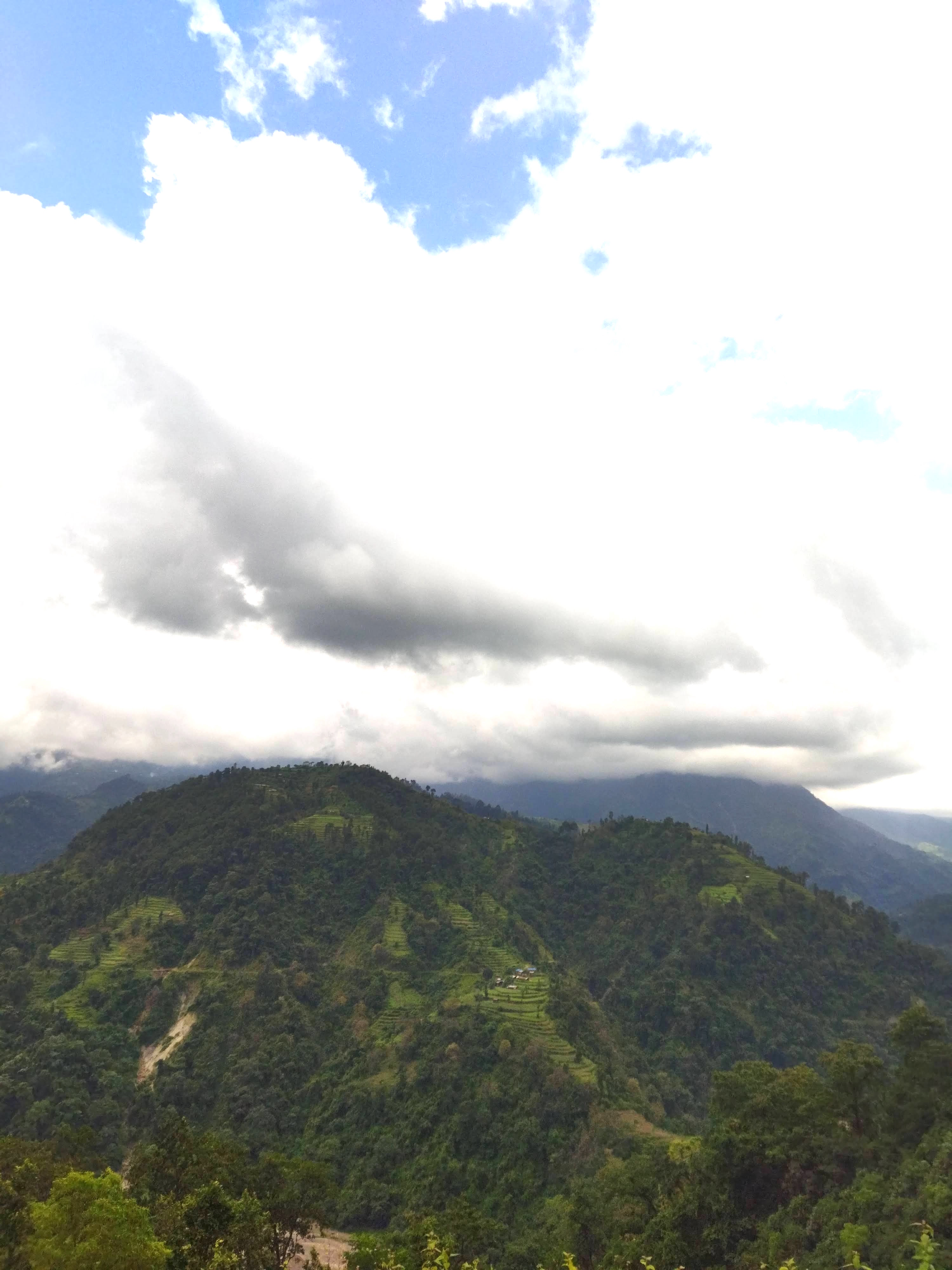
Paja’s village of Raksirang north of the East-West Highway in the densely-forested mountains of Makwanpur district once used to be covered by the Indian Butter Tree. Today, not much is left of the chiuri and with it the unique culture, cuisine and livelihood of the Chepang people.
“Our parents and grandparents told us about the value of chiuri but we neglected it, and moved away from our culture. My generation knows little to nothing about the trees,” says 26-year-old Praja, who then took it upon himself to save what was left of the all-purpose trees.
Little did Praja realise what he was getting into. He tried to mobilise young Chepang like himself, and lobbied with the elders. But saving the tree was not a priority for a people marginalised and neglected by the state for so long that survival from day to day was a hurdle.
Education, roads and migration were eroding the Chepang’s semi-nomadic way of life. The climate crisis brought more intense floods, landslides and lightning, making the lives of villagers even more precarious.
Aryan Praja and his young activist friends were ridiculed time and again by their peers for trying to save the trees when there are much more pressing concerns like finding jobs abroad or applying to colleges.
Fortuitously, three years ago Praja attended a program on chiuri organised by the non-profit National Forum for Advocacy Nepal (NAFAN). Finally he came across like-minded people who understood the importance of saving the endangered tree and the culture it represented. Their activism won the group the moniker ‘Chiuri Boys’, and it has stuck.
Read also: Chepang and their Chiuri, Bhadra Sharma
NAFAN works to improve food security among the upland Chepang and Tamang people across Central Nepal through sustainable community forestry, and is supported by the group Swallows of Finland.
The Chiuri Boys are now registered as the Chepang Chiuri Youth Club and have hundreds of members all over Makwanpur, actively engaging with young Chepang to revive the tree with plantations, door-to-door campaigning and training during its annual Chiuri conference.
The group is working on a video, interviewing elders to document the many uses of the tree — as an antiseptic, the nutritional value of its butter, and its role in honey production and supporting the population of pollinating bats. The video also shows the tree’s use as fuel, fertiliser and organic pesticide.