This is the 88th episode of Diaspora Diaries, a Nepali Times series in collaboration with Migration Lab providing a platform to share experiences of living, working and studying abroad.
Chandra Gurung, Sierra Leone
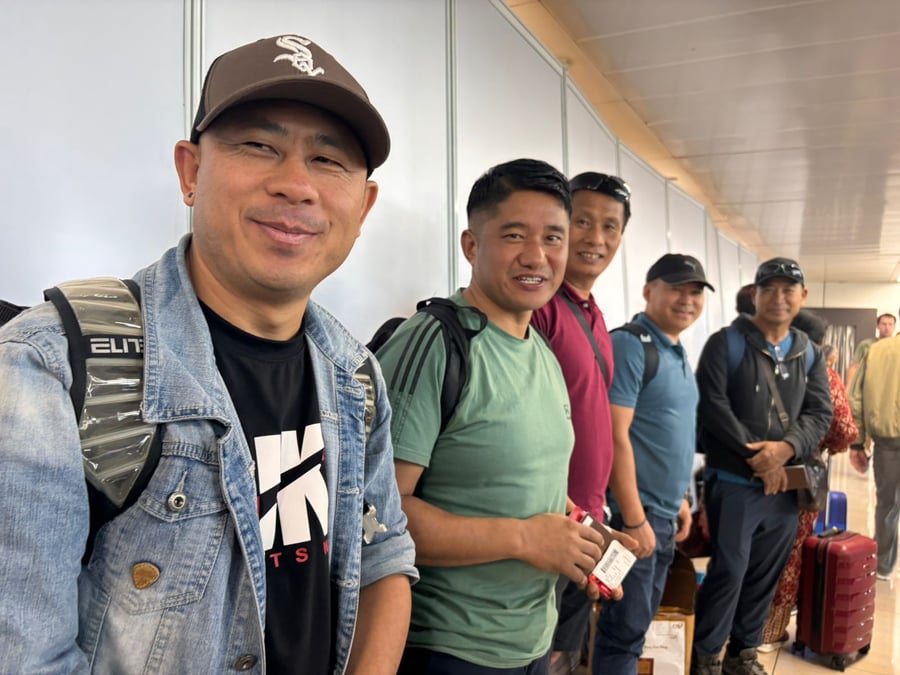
Six of us came to Nepal from Sierra Leone to vote for घण्टी of the RSP. But the six votes were wasted because of the crisis in the Gulf and delayed flights. We arrived the day after the election.
The morning we were supposed to fly out, we found out our flight was cancelled, so we had to postpone by four days to figure out an alternate route. Luckily, we did not get stranded in the Gulf like many others. Even though I missed the election, I now look forward to spending time with my family especially to help my children with their studies as their exams are approaching.
I am happy because it looks like we will get the outcome we desired and came to Nepal for. Stability is Nepal's most urgent need. If the government is stable and works for five years, they might be able to build change.
Fighting corruption, quality education and job creation should be the priority for the new government. We had already advised our families to give the new party a chance. Despite being a new party, the RSP has been able to win the hearts of people. Well-educated people with professional backgrounds have joined the party even though they might not have experience in politics.
I first left Nepal in 2008, I am still abroad, and I do not know when I will return. I need to save. I want to see this new government create the conditions to bring us back. In these 18 years, I have not felt like returning. My goal is to make sure I can provide good opportunities to my children. I miss home, going overseas is only to make a living.
Suraj Bhandari, Korea
I had timed my vacation to vote for Nepal. In our discussions back in Korea, the GenZ protest made those of us overseas want to vote for and bring change. Whichever party it was, we wanted a new one. I had also told my family that if I was unable to arrange my vacation around the election, they should consider voting for new candidates.
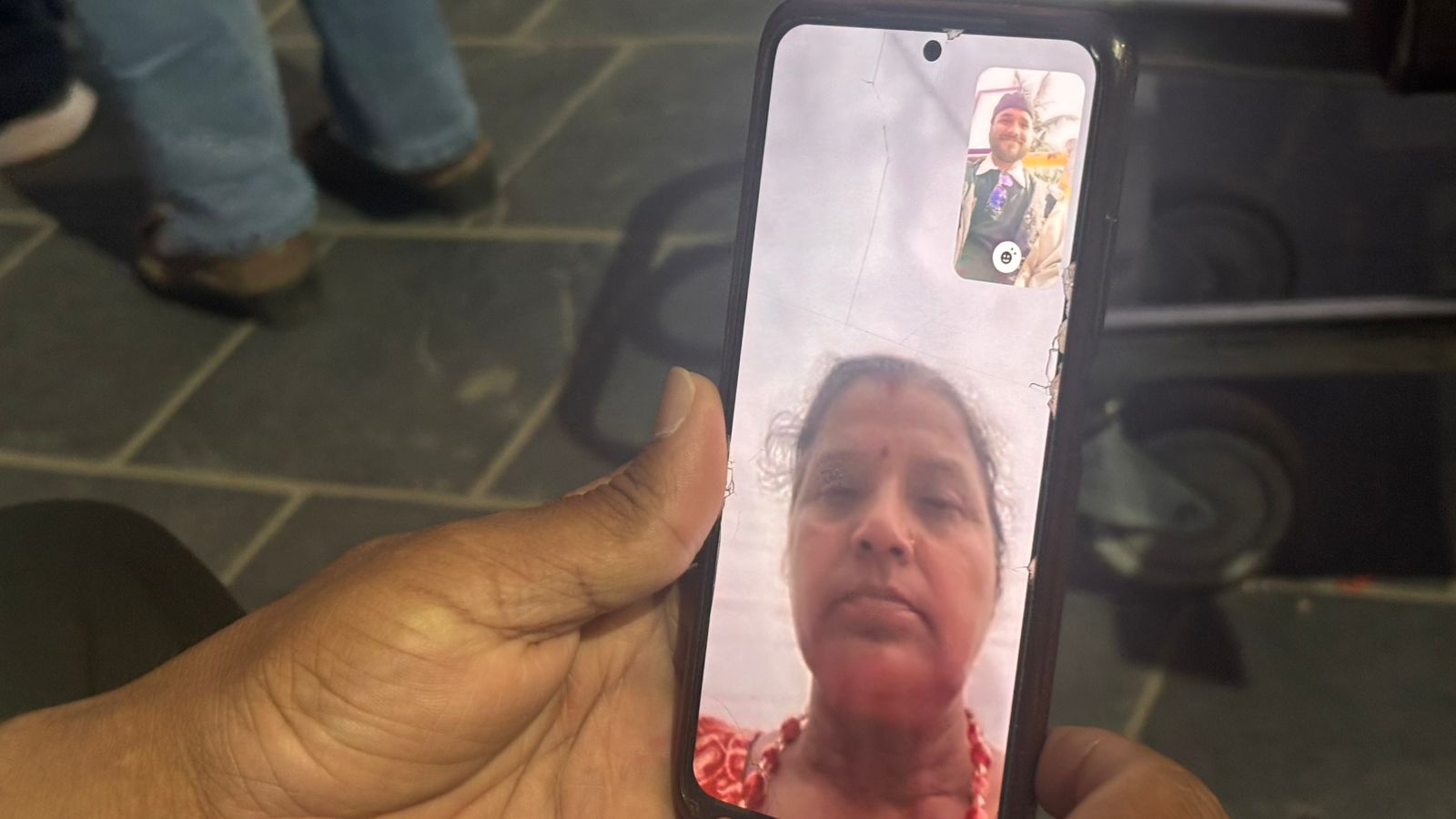
We have seen what the old parties have done for the country, they had their chance which they wasted.
Leaving Nepal feels different because this time, I am leaving with the hope that Nepal will soon be worth returning to. What I realised after migrating is that when you are away, you have even more love for your country. We overseas youth know the pain of being away and wanted to vote for change.
If you earn one lakh abroad, you are willing to work for half that amount back home so you can be with your family. Next time when I come back to Nepal, I want to be able to come for good and not just on vacation. I leave with hope. I hope to return to start my business in Nepal.
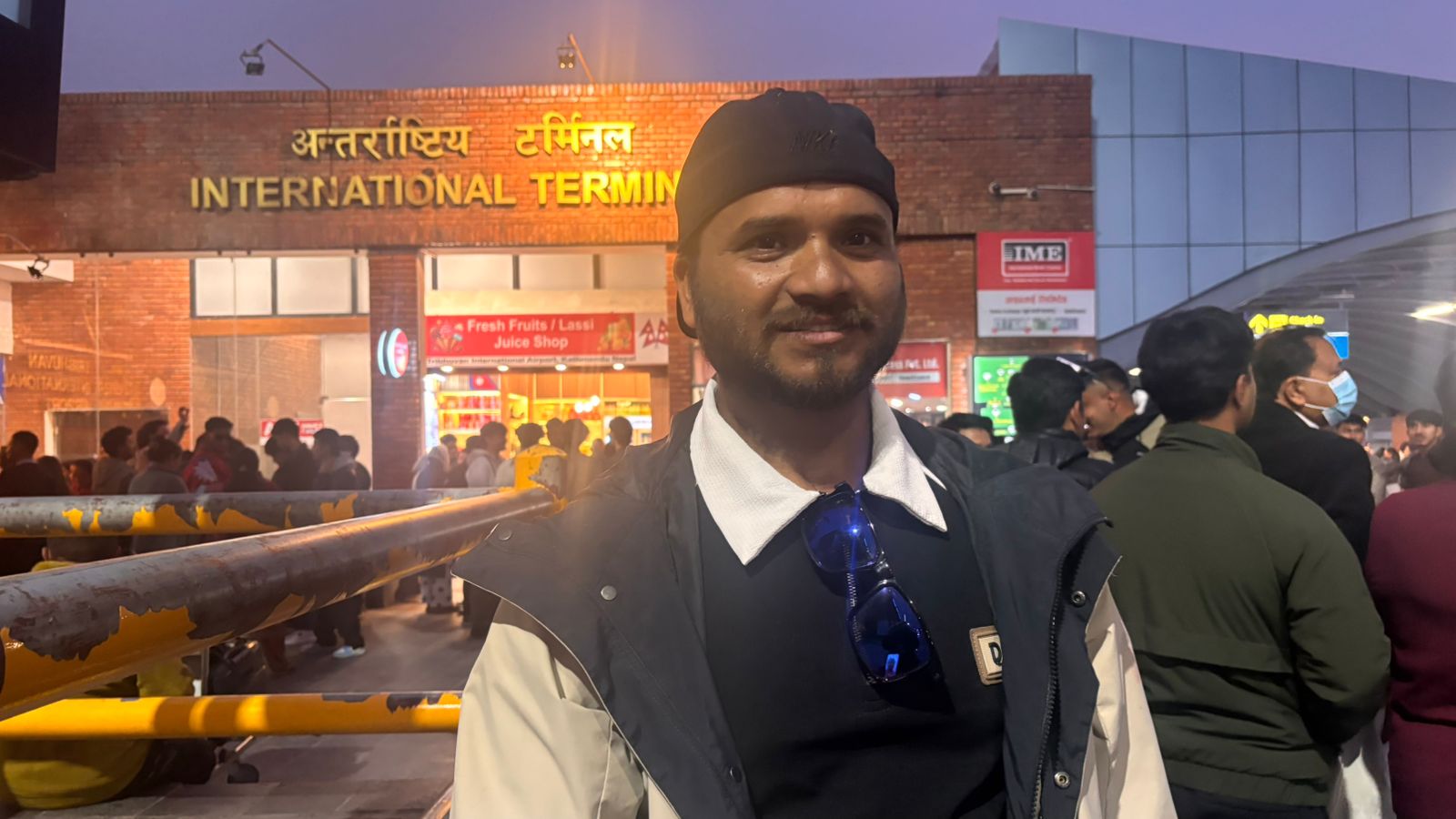
Investing here in a small business is very risky and I hope that changes. I think we have done our part, now it is up to the new government to do its part. They have five years to deliver and if they don’t, we will again have to look for change. I hope history won't repeat itself.
When the Maoists came to power, they had brought a similar sense of hope and people believed them and voted. They started off well initially but failed to deliver. I hope that won't happen with घण्टी.
Rajendra Kunjeda, Belgium
Those of us overseas have attachments back home. But because of the Gulf crisis I was not able to make it on time for the election.
When I talk to colleagues in Belgium, the broad consensus among us Nepalis was that we should give the new party a chance. The expectation from the new government is that we need a way out of the rut the country is in. That is what the election was about.
When you live in a developed country, you also hope the same for your country. Transformation takes time, but I hope for the best. Not all the old guard was bad, and not all the new guard will be good either. But the new government has to take the country towards development. The expectation is not for overnight change.
I was lucky to get a scholarship to study in Europe and have now started working. My degree in agricultural science is relevant for Nepal and the world – you need food to live.