This is the 72nd episode of Diaspora Diaries, a Nepali Times series in collaboration with Migration Lab providing a platform to share experiences of living, working and studying abroad.
My father ran a store and that is where I spent all my time till Grade 6. Doing my homework. Serving customers. I then moved to my maternal grandparents’ house because I used to get along with my cousin who was a year older than me. We did everything together, and were best friends. We took turns studying: I was a night owl, and he was an early riser. Before I went to bed after studying all night, I woke him up.
My mother was 44 when I was born, the same year my eldest brother got married. My sister-in-law becoming a part of our family was how my mother referenced my age.
I liked making money, and was always a hustler. In Grade 7, I learnt to handle a tractor and helped my brother-in-law to plough, earning Rs10 a day. As I got better, he paid me more. By Grade 9, I was already making Rs500 per day, but had to slow down to prepare for my exams.
From an early age I knew I did not want a 9-5 job. There just wasn’t enough money in it. I wanted to get into business, and compared my brother who worked in the post office and what businessmen made. It did not help that my brother was honest, and never took bribes.
A friend and I made money selling cheap Chinese phones at a premium to our friends. We blasted music on the phones and pretended that we were giving them a discount.
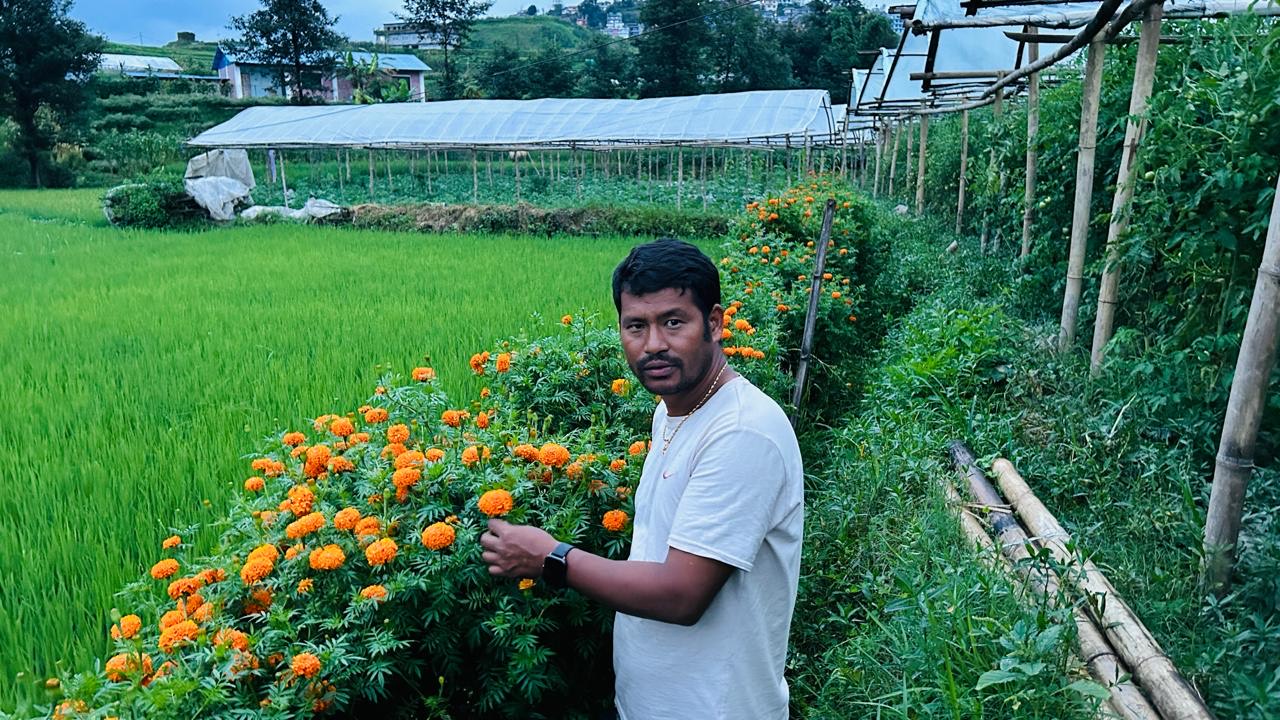
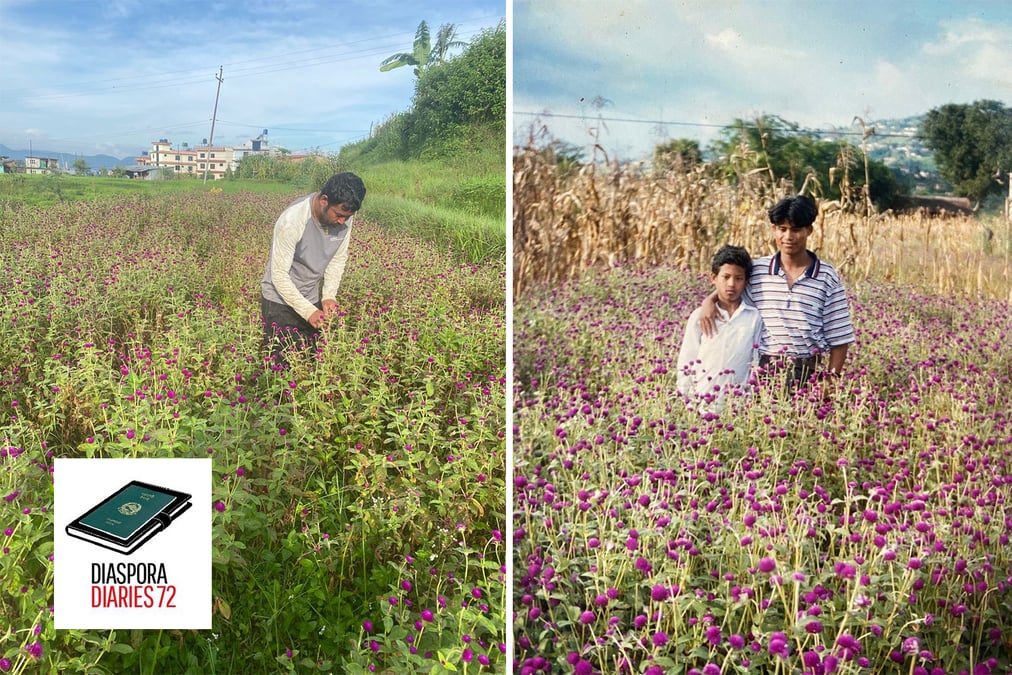
After SLC, I started teaching math and other subjects. I was soon a shareholder in the same school and in the evening I was involved in our family’s floriculture business, growing amaranth and marigold for garlands.
It was then that a friend suggested we learn the Korean language. We could be earning significantly higher in Korea for similar efforts. I had no plans to go abroad but he convinced me. I did not know anything about Korea, and was scolded at the language institute when I asked someone to point Korea on the map.
It was only there that I learnt you had to pass an exam for the Korean Employment Permit System (EPS), and pay for language classes. After a week, I decided it was not for me and dropped out. But my friend convinced me to give it one more try. I did not prepare much for the exam, and it was no surprise that I failed.
But it was just by one mark, and people would pity me for failing “just by one mark”. It was a brand of failure. It hurt my ego. I had to turn things around by taking the exams seriously, and locked myself up to study hard.
Even when we had visitors, my wife told them I was not home. If I was not in my room learning Korean, I would be with a group of ten of us test-takers comparing notes and practicing late into the night. The exam was difficult, but this time I passed, the only one in my group who did.
As someone who never liked the idea of doing a job, I still had my doubts about going to Korea. It did not help that one of my acquaintances had returned a month after he had left, and he discouraged me from migrating given that I was already making good money in Nepal.