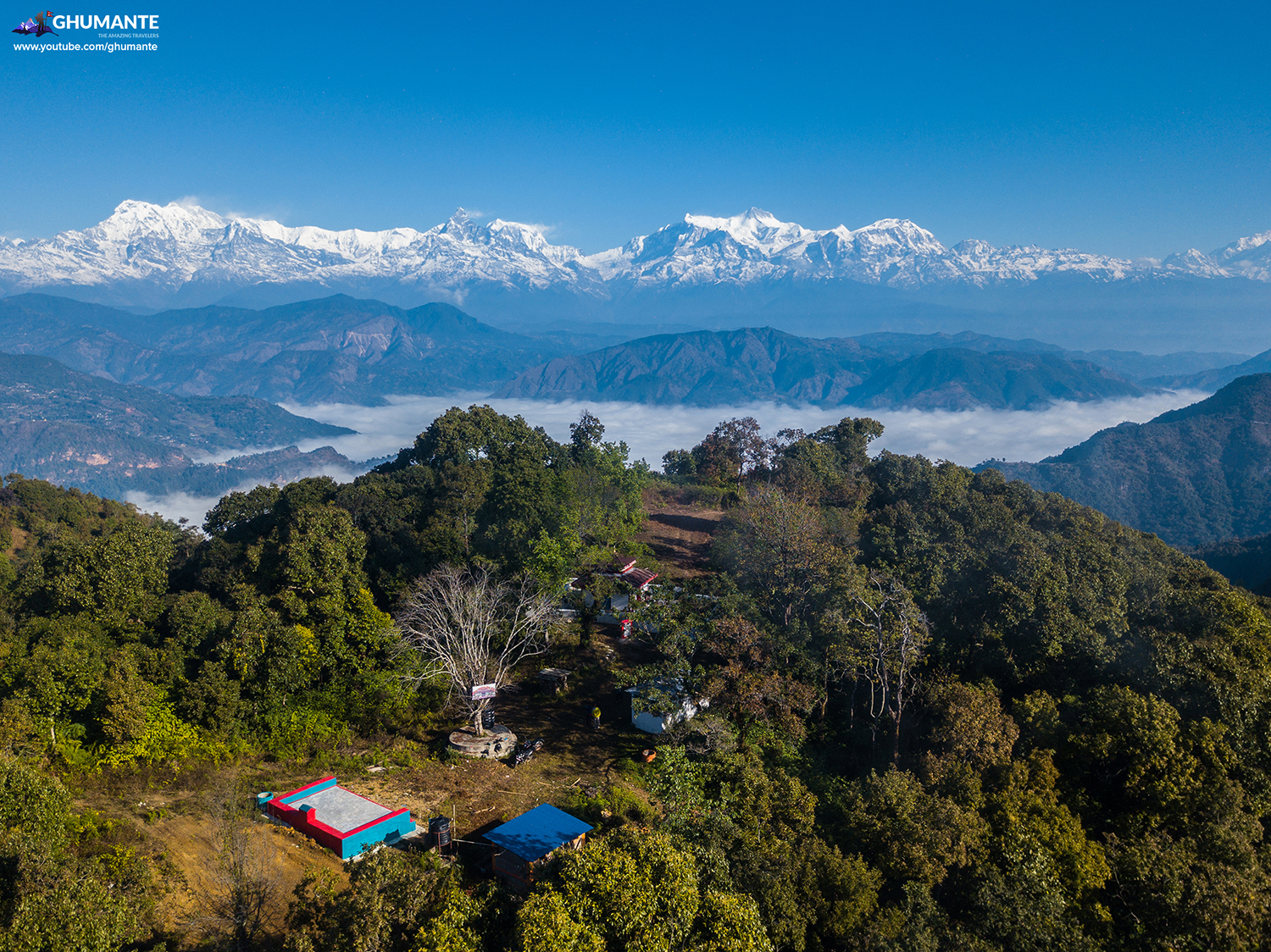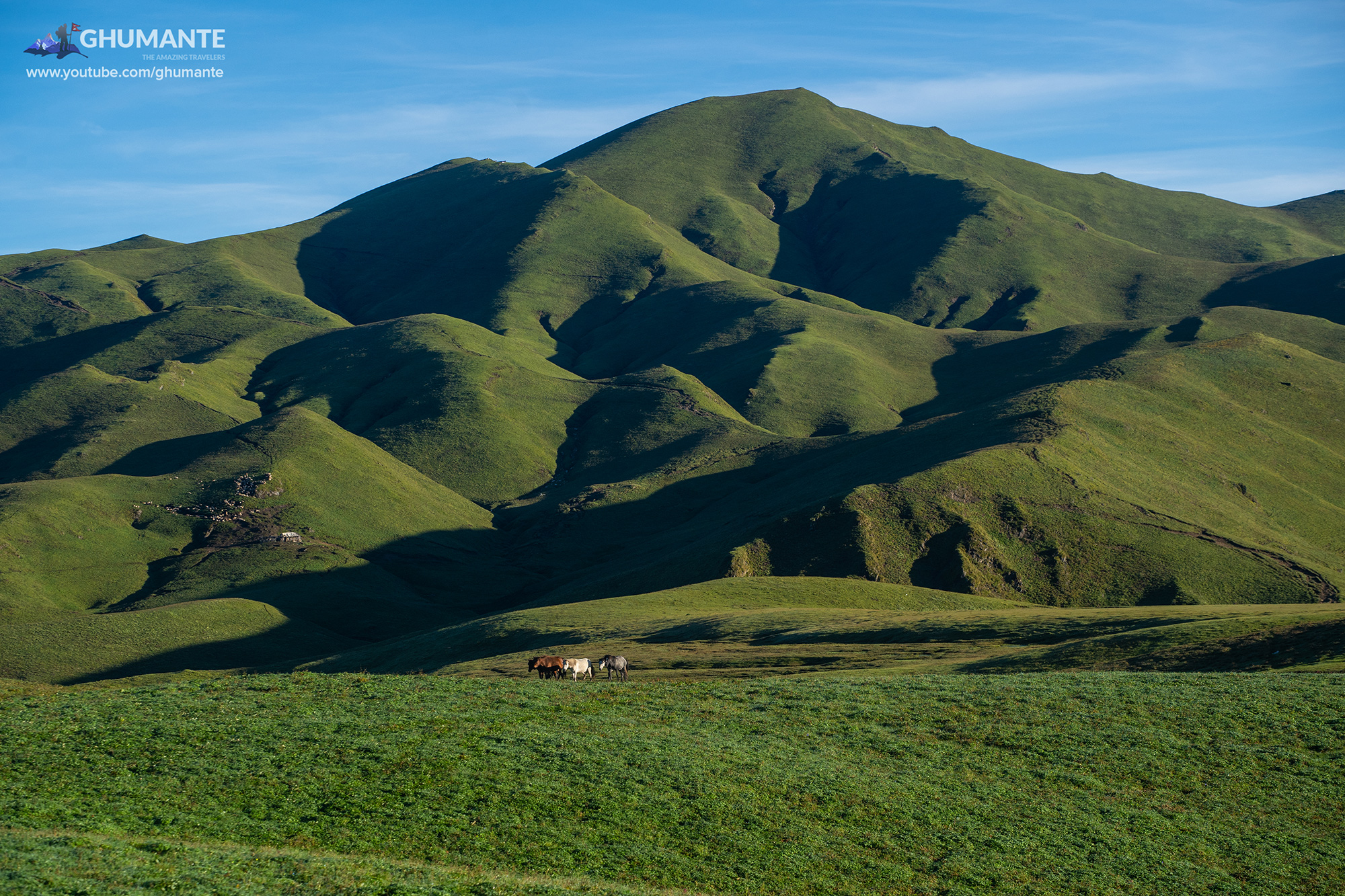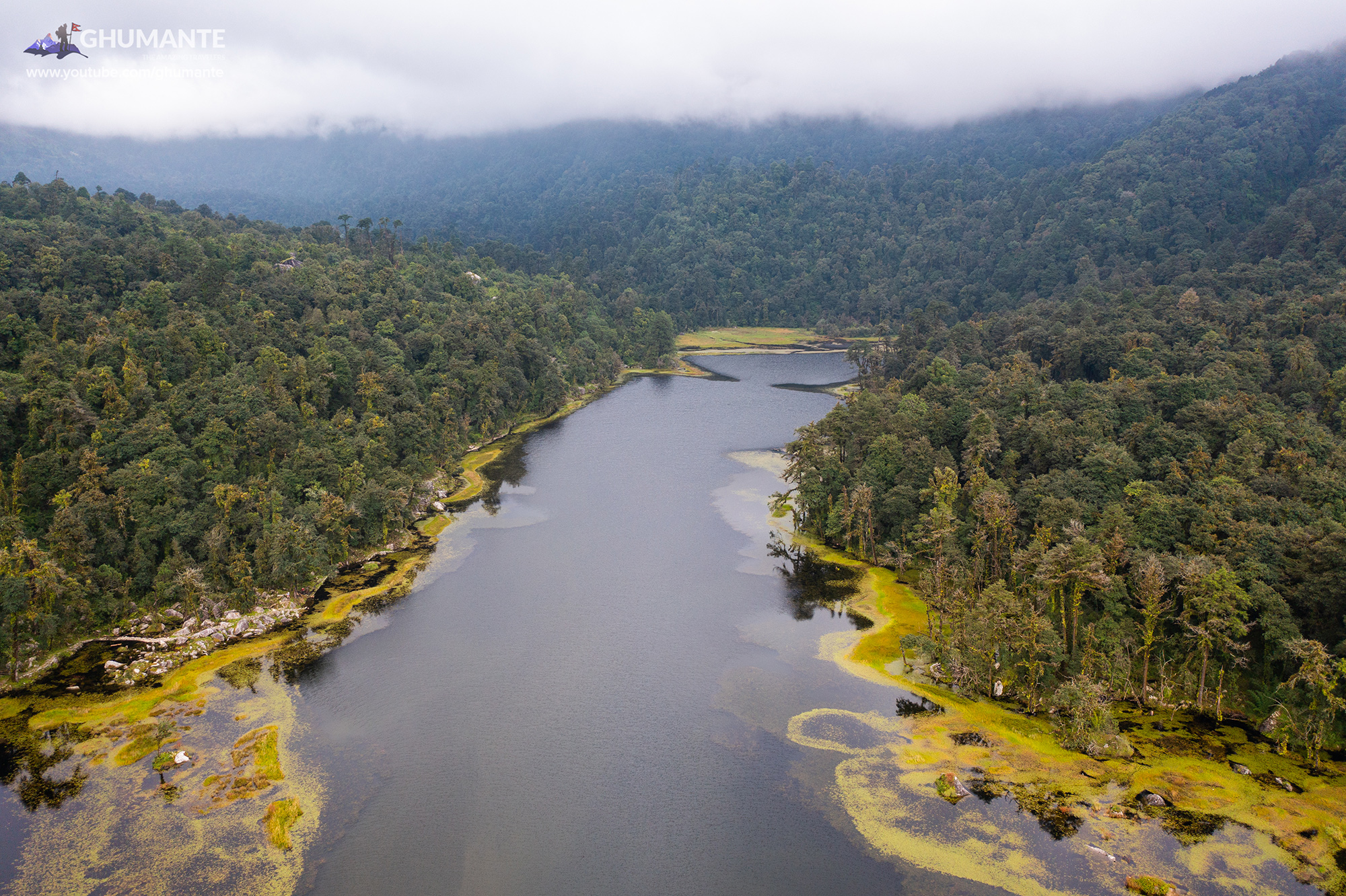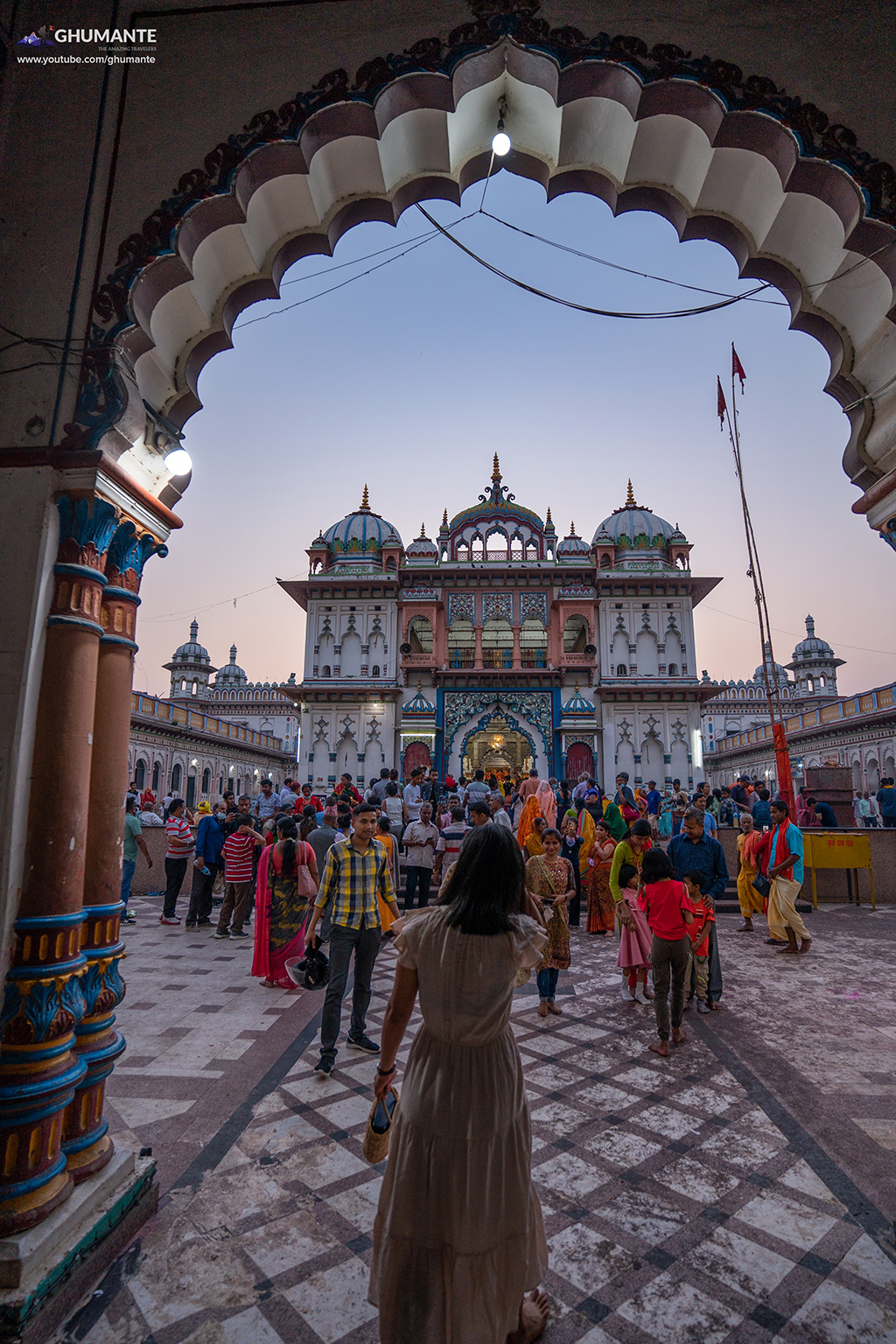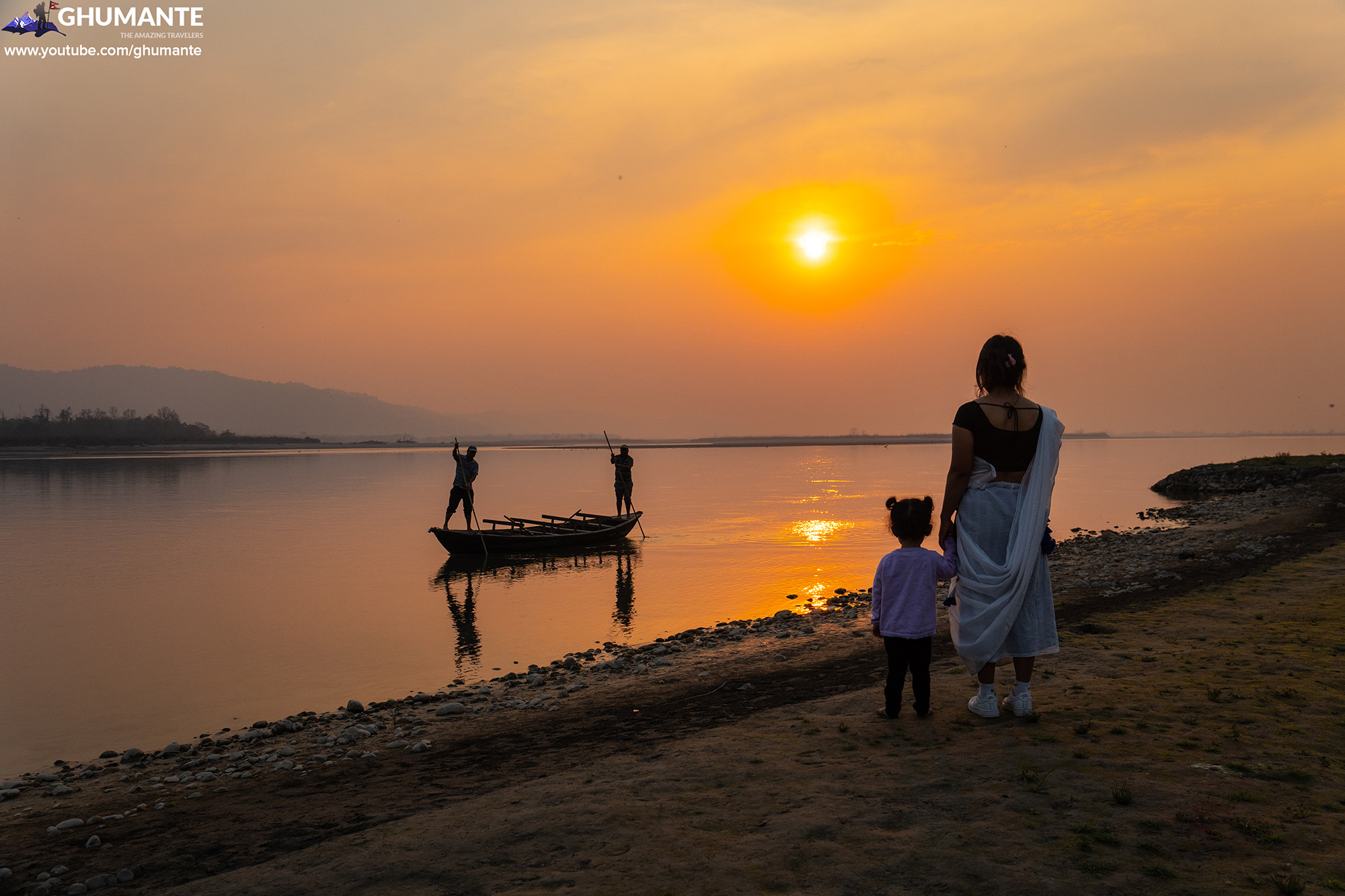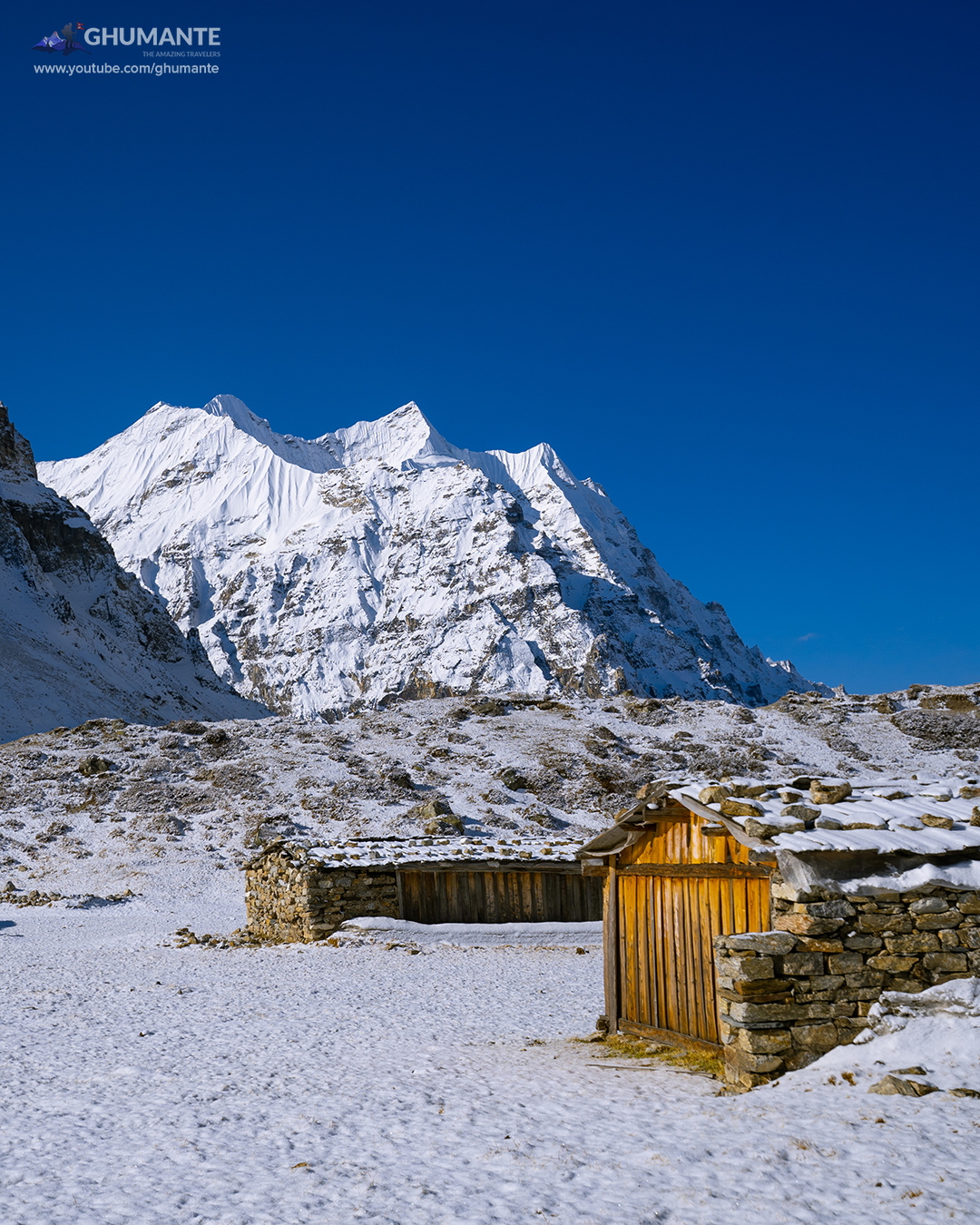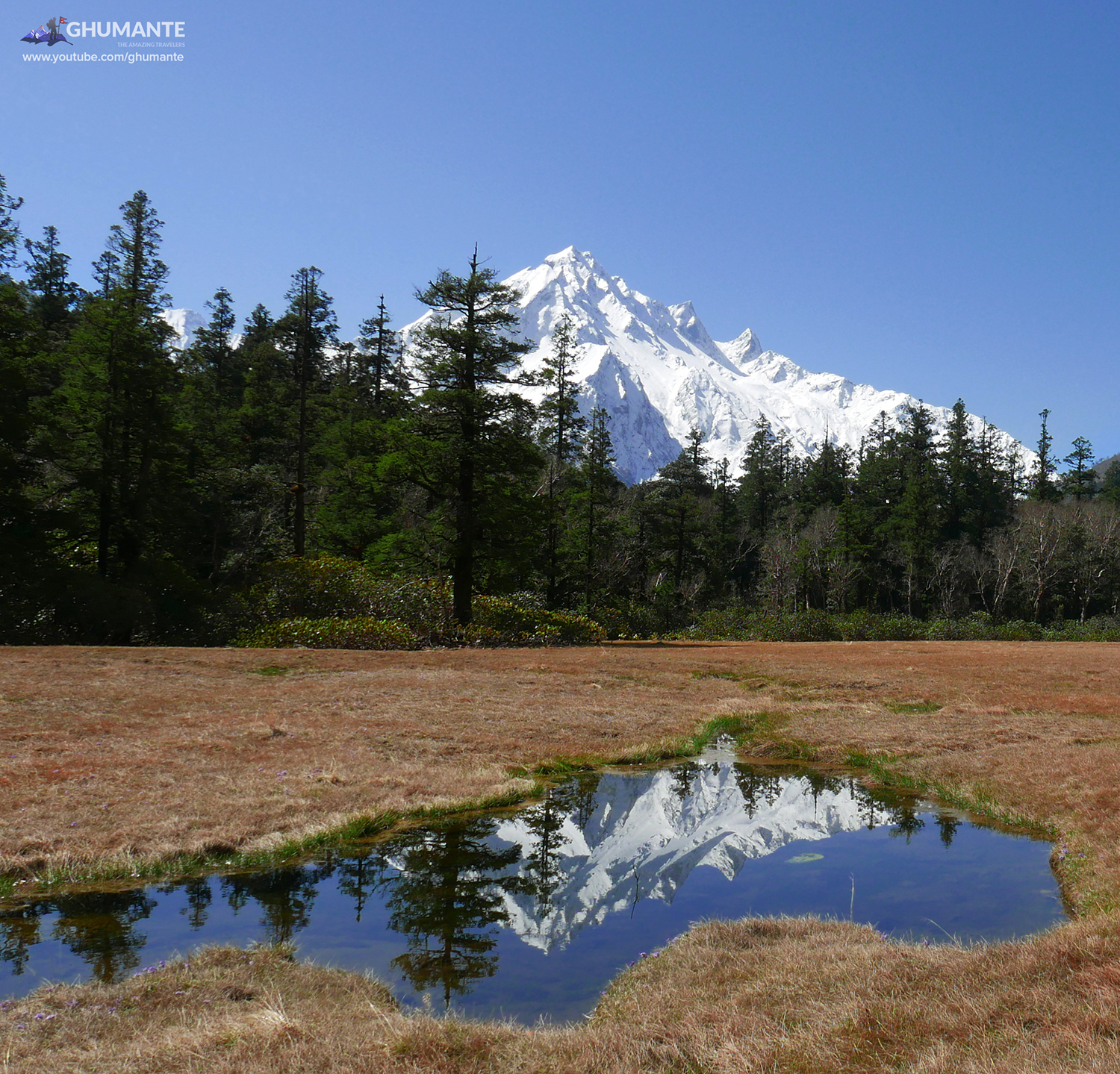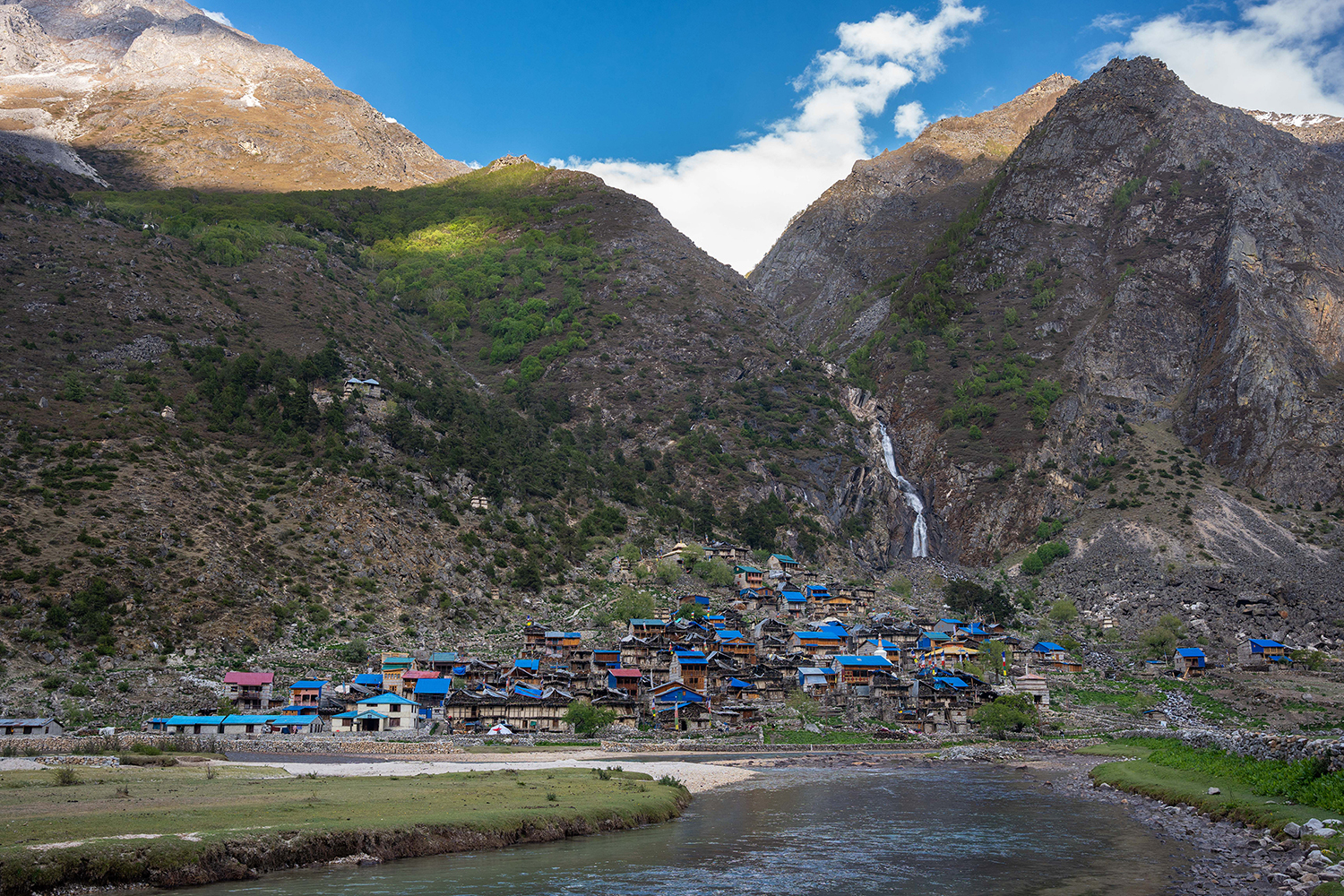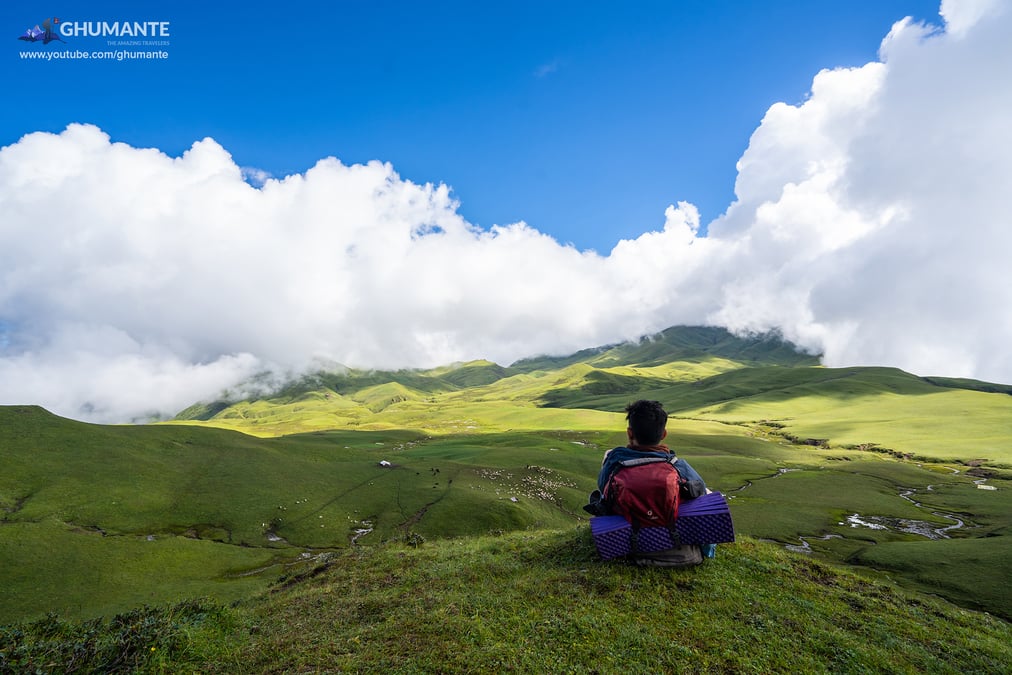
Kanchan Rai caught the travel bug young. During holidays, he would spend the entire day roaming around Kathmandu, coming home late into the evening, much to the dismay of his mother. She called him ‘ghumante’, a wanderer.
The obsession with wandering never left Rai even when he grew up, and the nickname stuck. Over the years he explored parts of Nepal, far from the beaten track.
Read also: Top Dasain destinations, Nepali Times
He has now built the Ghumante brand that has through social media inspired a whole new generation of Nepalis to pursue the roads less taken. “Ghumante is not an insult anymore,” says Rai. “There are now many other accounts on social media that have the word ghumante in their ID.”
Ghumante first started as a blog back in 2013. As an IT professional, Rai was aware of the emerging trends and he wanted to set up a travel blog to earn a side income from Google ads. A friend familiar with SEOs helped him to ensure rankings. He also started a Facebook page, where he crowdsourced photos from fellow travellers.
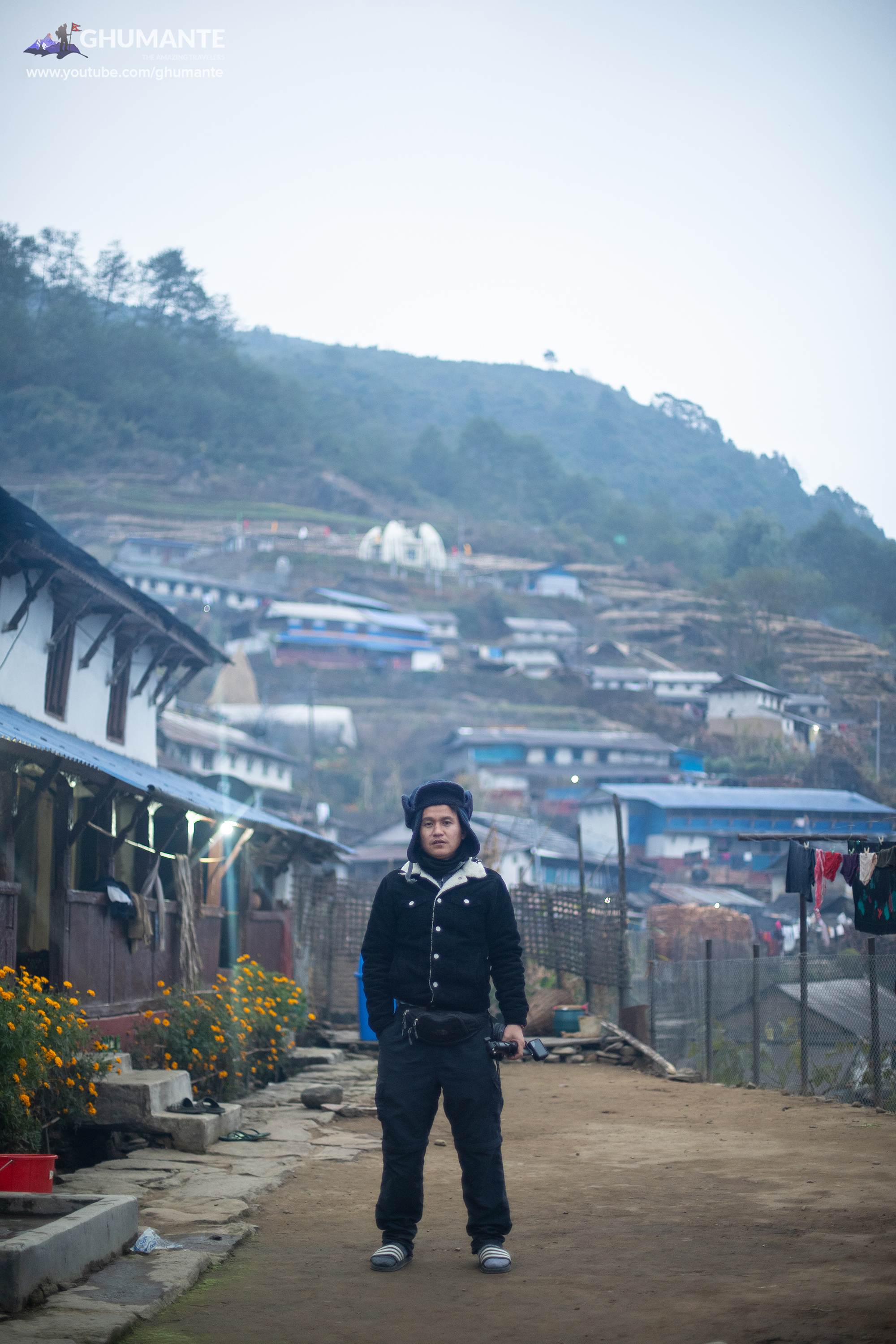
Initially he asked his siblings for photos from their travels to ensure regular posting, as he could not travel as often due to work. He also collaborated with another friend, Prakash Buda, a photographer. They also gave away t-shirts to contributors. The blog and Facebook page saw modest success.
“I was conscious about copyright, so I did not lift things from the internet, even though I could have got more followers,” says Rai. The turning point came in 2015, as the internet pivoted to video. Rai was working in Thailand and travelled to Nepal every holiday. He bought a GoPro and also found a group of Nepalis with similar interests.
Read also: Top 10 treks, Nepali Times
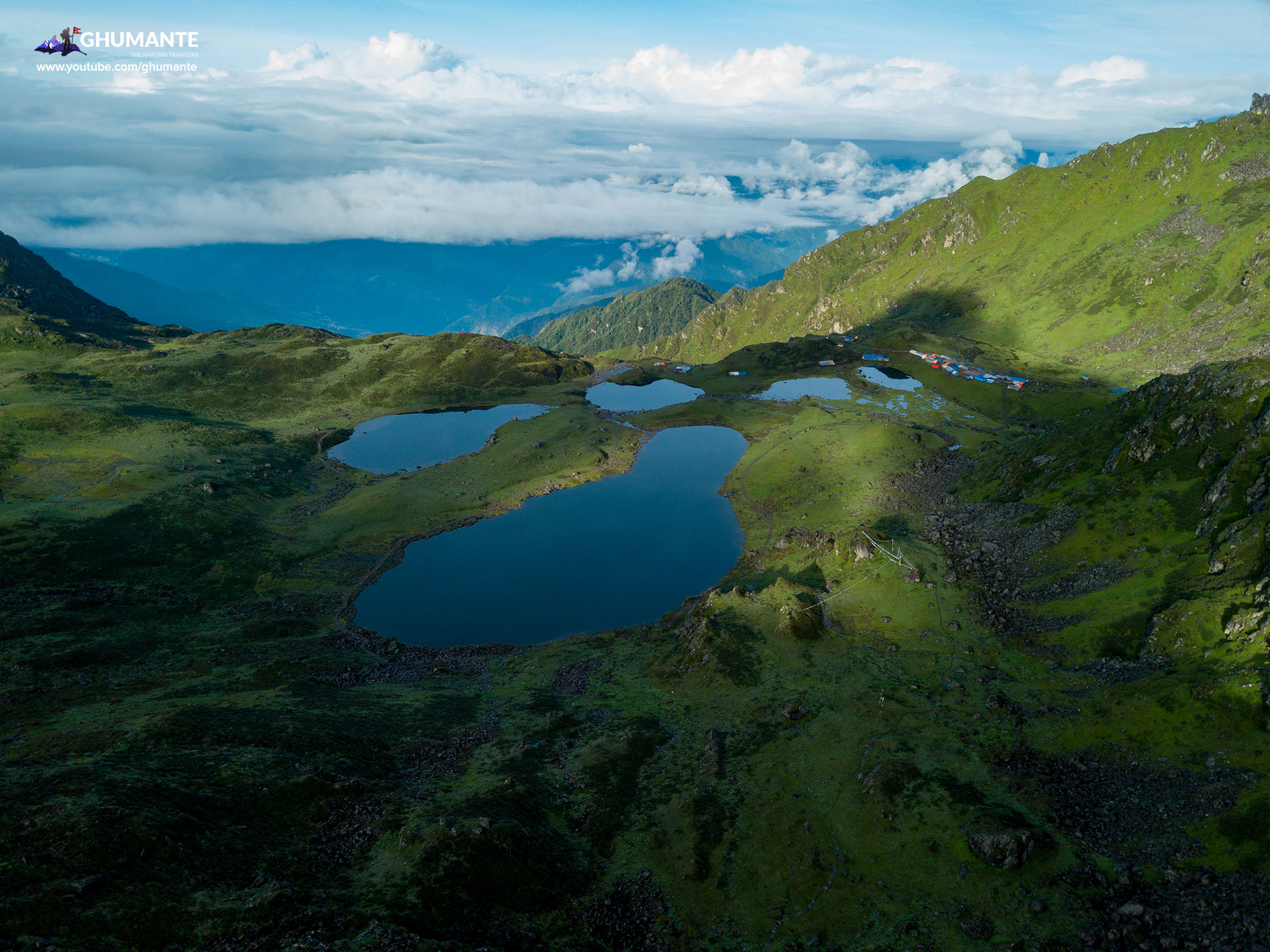
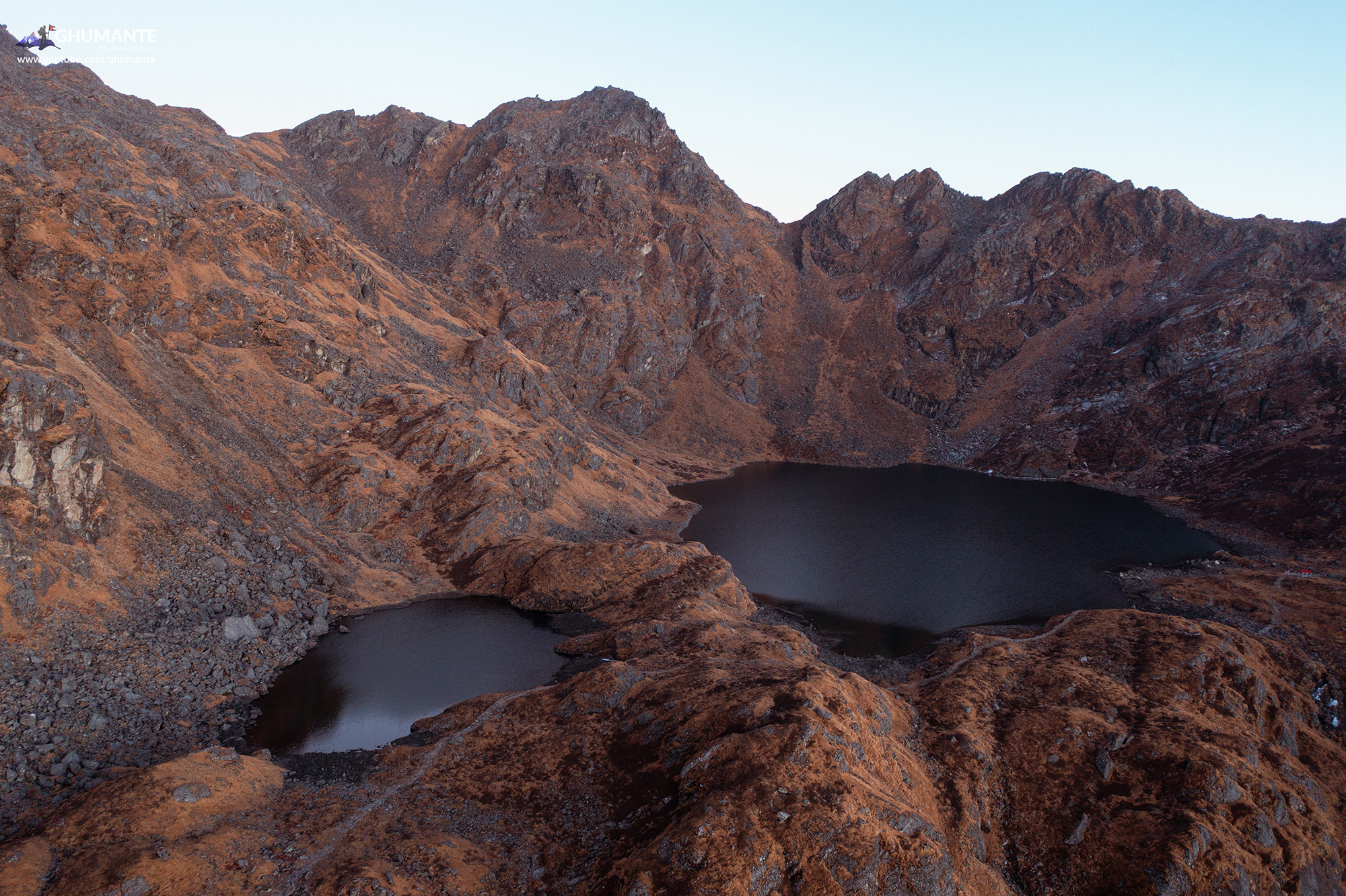
At the end of 2015, they went to Gupha Pokhari, and documented the trip, learning video editing and script-writing as they went. In 2019, he returned to Nepal for good, and that was when travelling became a full-time occupation. He dedicated time and resources for YouTube with a team. Then Covid-19 hit. “That was the time I wished I was a journalist. Getting travel passes would have been much easier,” recalls Rai. “But it was amazing traveling when no one else was.”
Ghumante’s YouTube channel now has 125 videos spanning the mountains and plains with a total of over 24 million views. Rai paid for it with savings in the beginning, but now they have partners and sponsors.
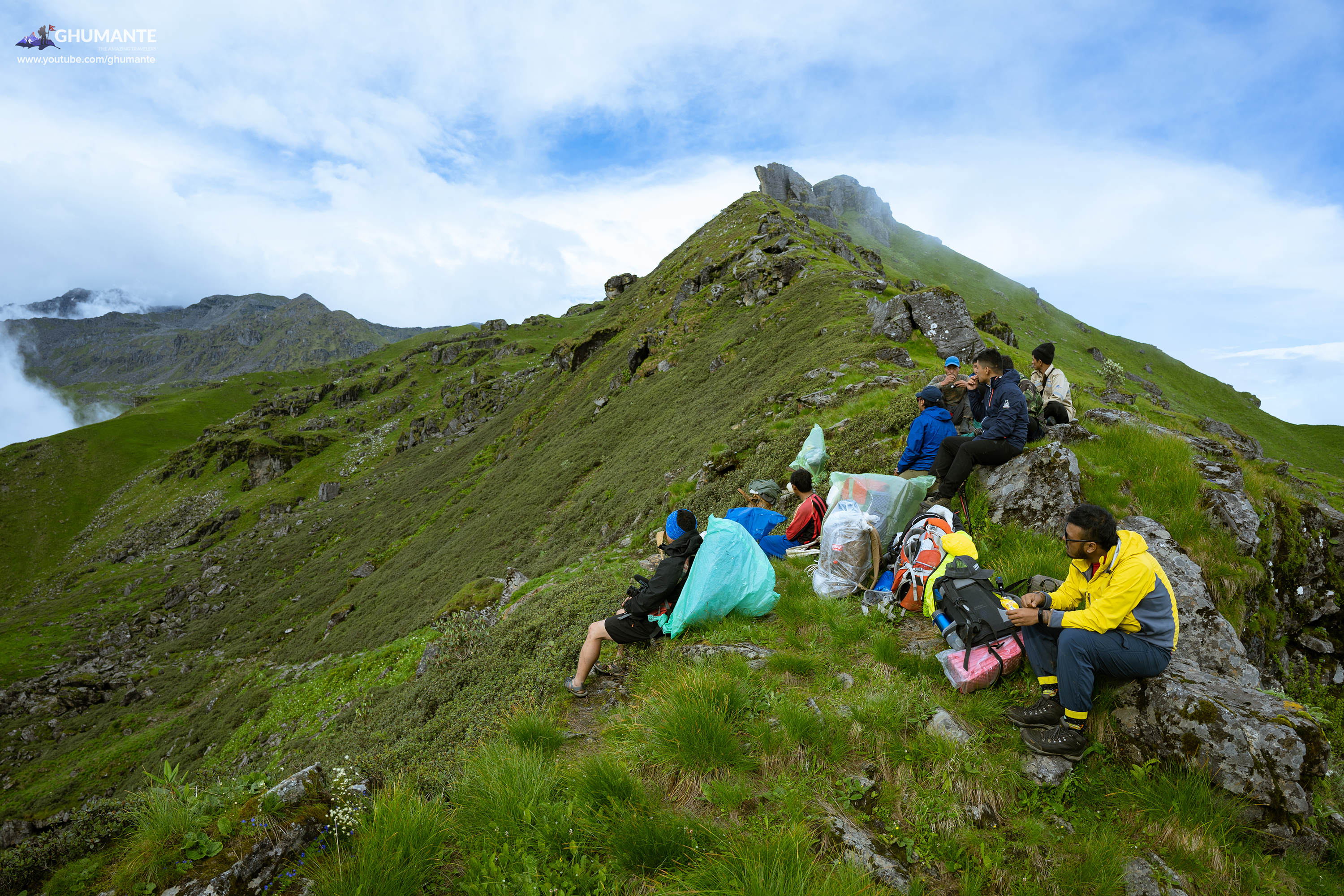
Planning for videos can take anywhere from 2 months to a year. The team researches the location including the altitude, settlements and whether there are clear trails, then they find local contacts who can help them navigate and introduce the village to them.
“One should travel because it broadens one’s horizon,” says Rai. “Those who don’t travel only read one page of the entire book that is life.”
He is happy that people take his video as reference when traveling but says he feels an added responsibility these days thinking of the aftermath on the environment and culture of a place when a lot of people visit a new place. “It is important to respect the culture, landscape and people when we travel,” says Rai. “We need to be responsible travellers and leave nothing but our footprints--a message we are trying to give through our videos.”
Read also: Where are you going this Dasain?, Sikuma Rai
When they travel, they also try to convince the locals to preserve their own culture and identity in food and architecture to attract the tourists--like you don’t need a cement building in community homestays, traditional architecture should be kept intact.
“We don’t need ugly view towers on mountain tops. Binoculars would be better,” says Rai, who now wants to produce full-fledged travel documentaries.