Anthropologists have long known that most of Nepal’s indigenous people settled along the southern slopes of the Himalayan mountains in waves beginning more than 1,000 years ago. But what were their exact routes? Where did they establish the first villages?
The linguistic affinity between the languages of the Gurung, Tamang, Thakali and Manang peoples have led experts to conclude that they may have travelled from Tibet across the mountains to settle below the Annapurna and Langtang ranges at about the same time in history.
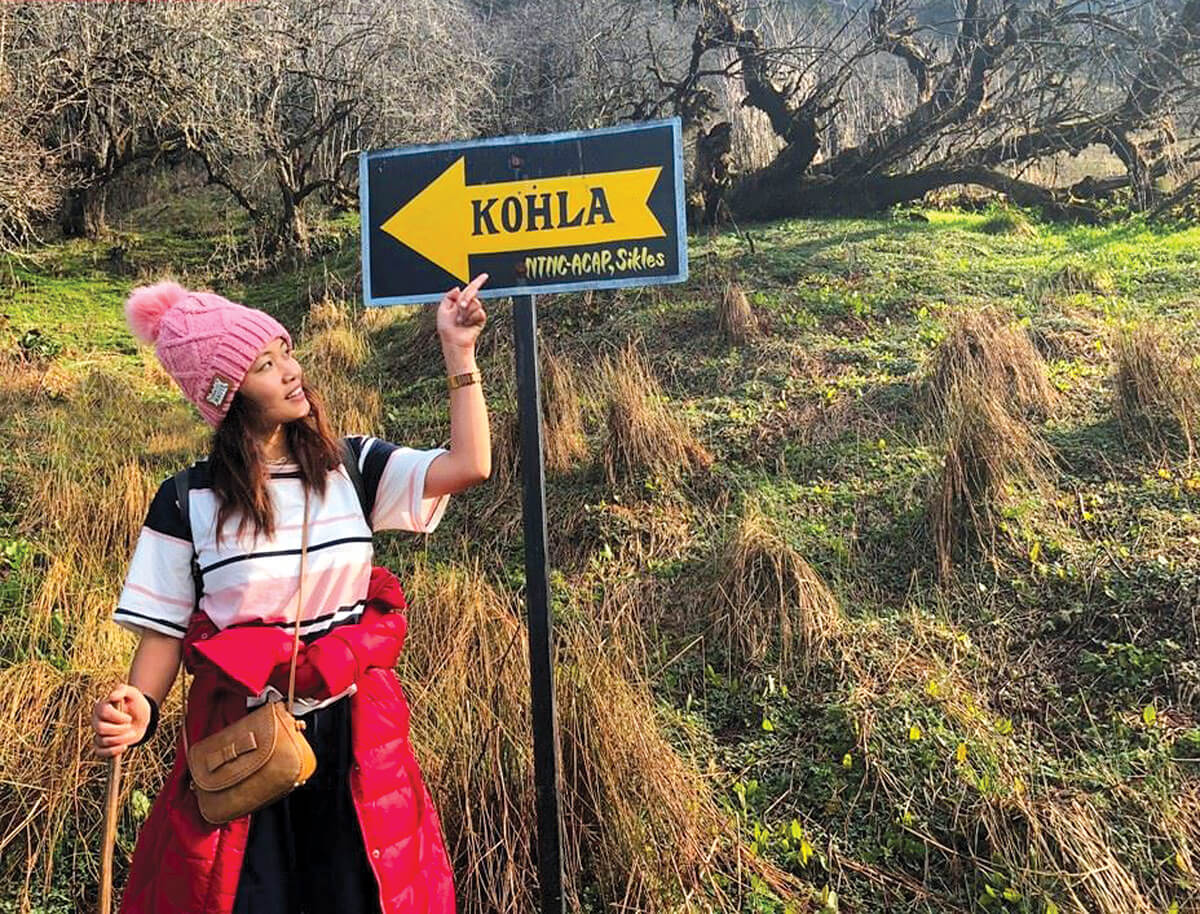
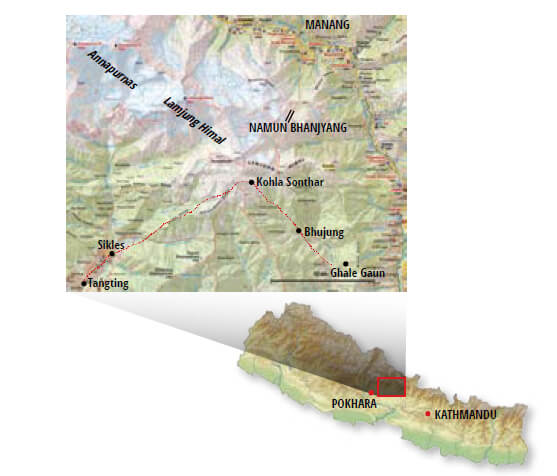
Recently, a group of Gurungs from the Tamu Dheen Association of UK travelled to the base of Lamjung Himal to retrace the heritage of their people, among ruins of 14th century settlement at Kohla Sonthar. The route from Besisahar to Ghale Gaun, Bhujung, to Kohla Sonthar and down to Pokhara via Tangting and Sikles, is now being promoted as the Tamu Heritage Circuit. (See map below, overleaf)
The historical and archeological site is a pilgrimage for the Tamu (Gurung) people in Nepal and its diaspora now spread across the world. It is a sacred ancestral site that all Gurungs must visit at some point in their lives.
Jit Gurung is a native of Tangting and is currently serving with the United Nations in Darfur, Sudan.
The Gurung Heritage Circuit
Day 1
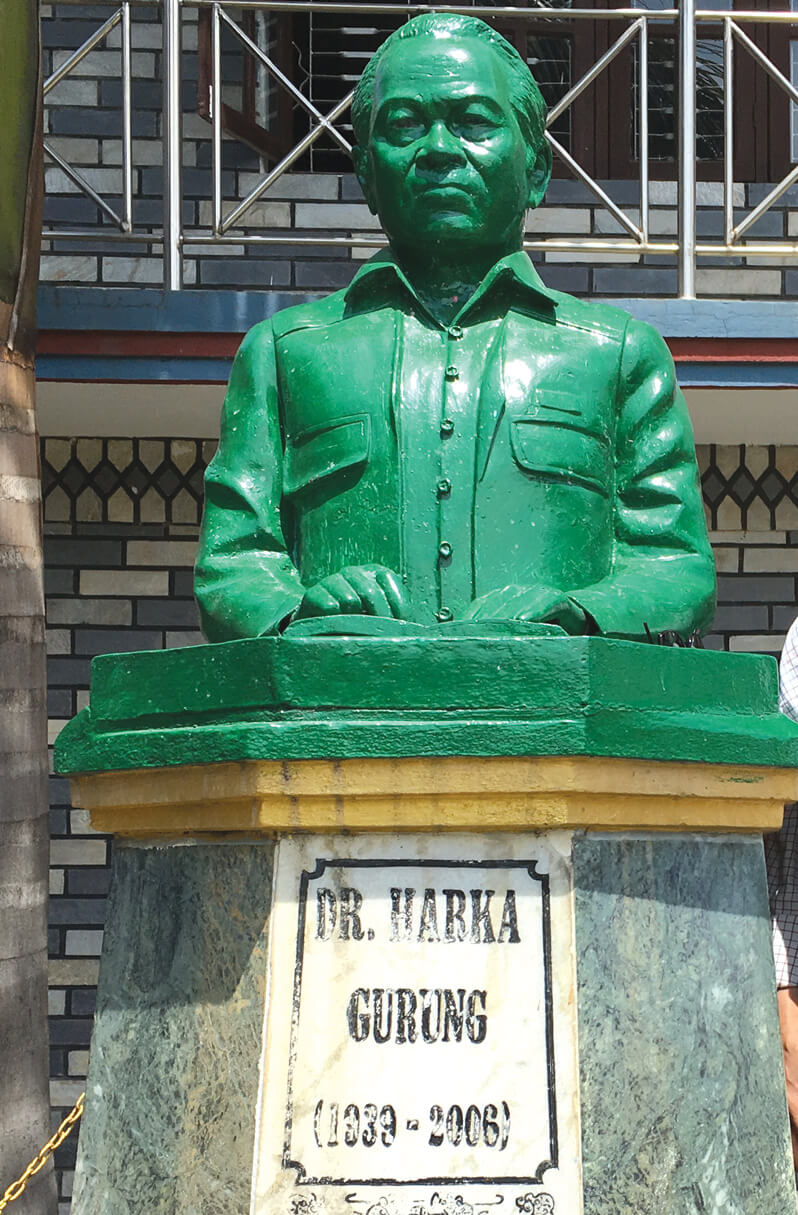
After a six-hour bus ride from Kathmandu to Besisahar, the first stop is the Tamu/Gurung Museum where visitors pay respects to a statue of Harka Gurung (right), the famous Nepali geographer who was among the 23 killed in a helicopter crash in 2006 at Ghunsa in Kangchenjunga. Also killed was Chandra Gurung, the pioneer environmentalist who helped establish the Annapurna Conservation Area. Harka Gurung’s birthplace of Ngadi is also his burial site.
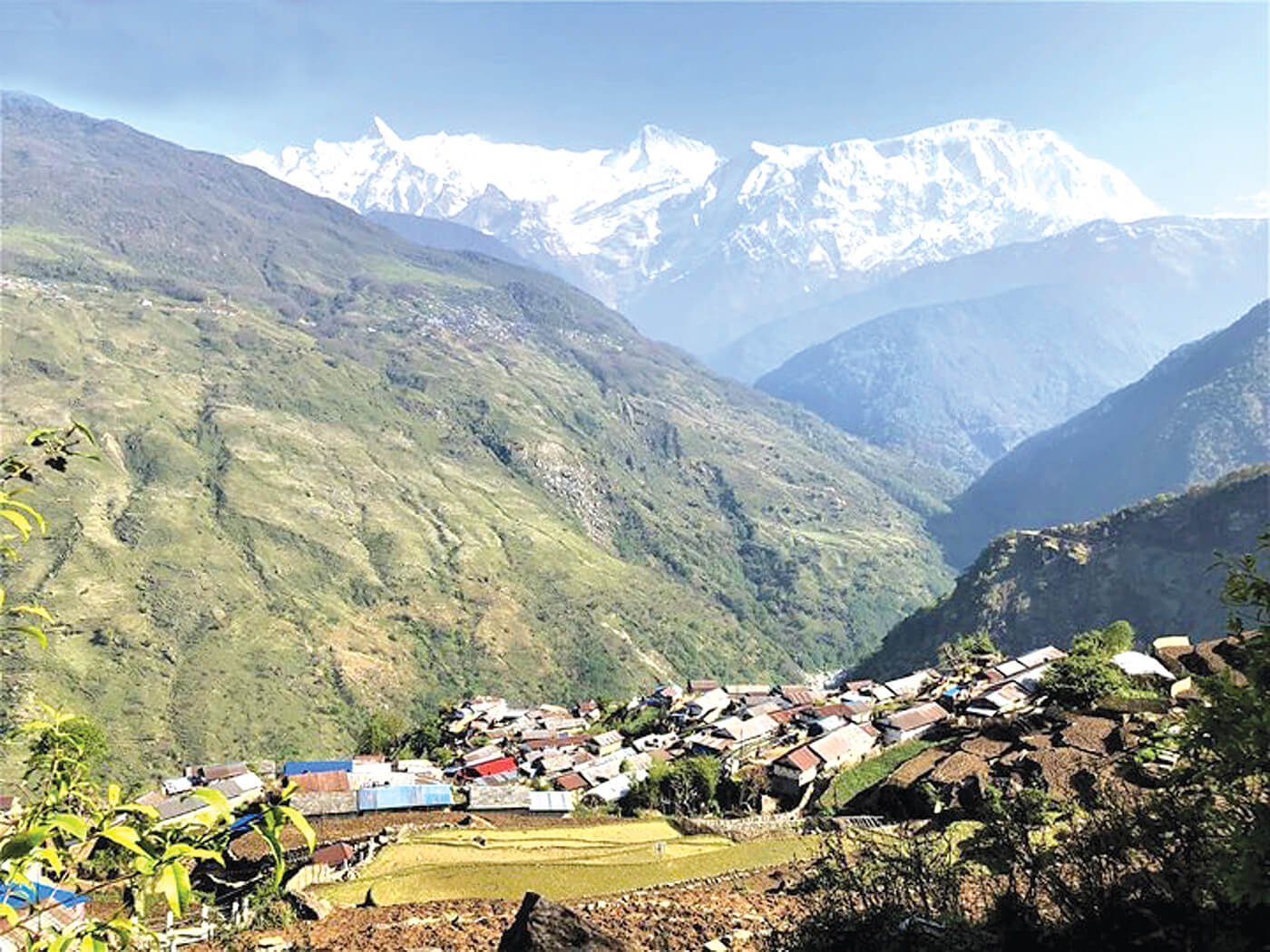
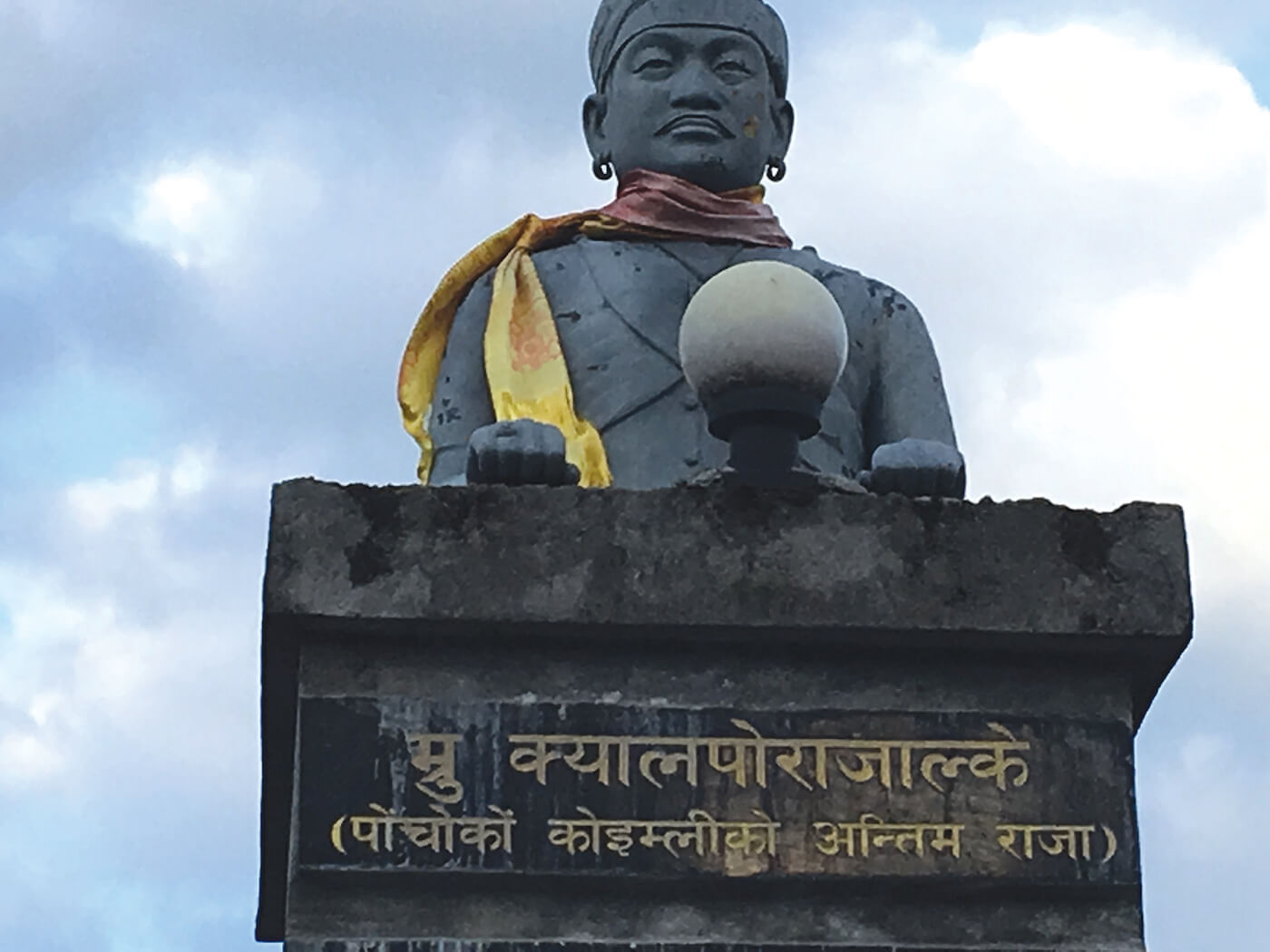
Then it is up the dirt switchbacks to the bucolic village of Ghale Gaun (Kuinli Nasa in Tamu) which has become a staging point for scenic treks in the area. This is where the Ghale rulers from Kohla Sonthar first settled. The last Ghale king was Ghyalpo Rajalke, and there is a statue in his honour near the ruins of his palace (below). Local cultural groups perform for visiting tourists with naumati baja and traditional Gurung dances like Ghanto, Sorathi, Pachyu and Ghyabre.
Day 2
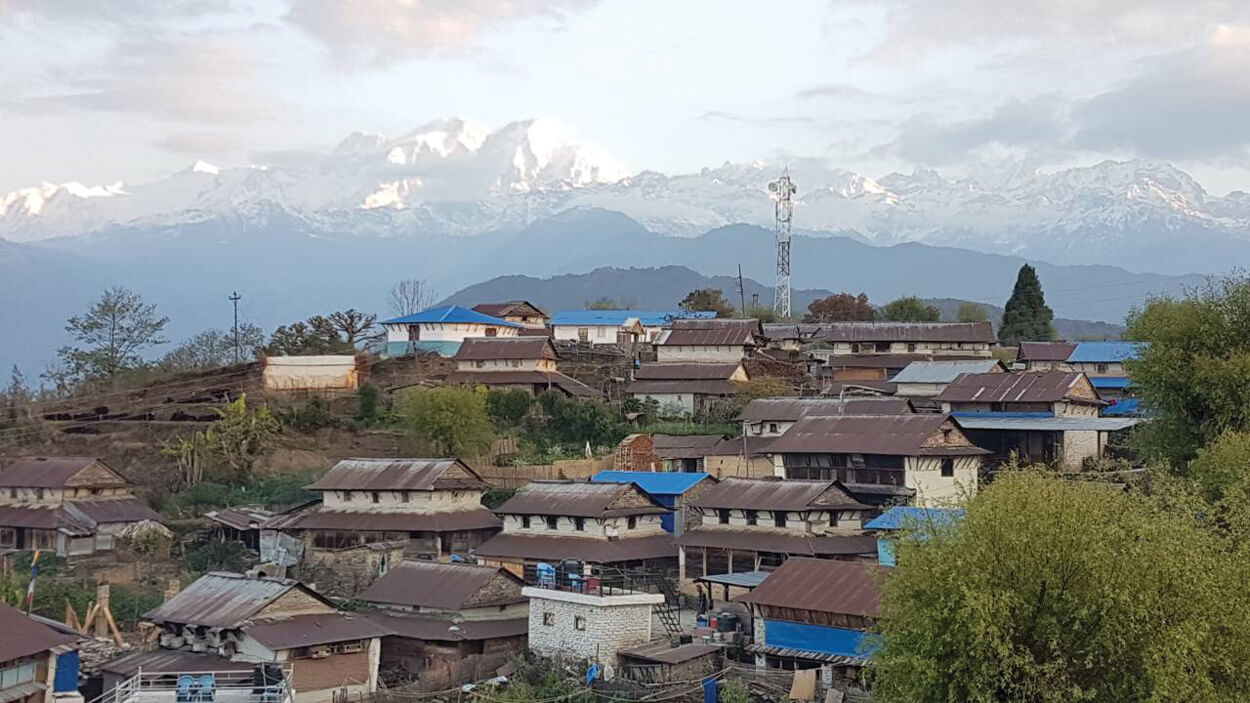
From Ghale Gaun (below) to Bhujung is a pleasant ridge hike, but there is now also a motorable road. Bhujung has homestays and the locals are extra hospitable to visitors. The trek to Kohla Sonthar starts here, and it is a steep walk along the trails, with the clouds often drifting in and flowing across forests of rhododendron and oak draped with orchids. Stop over at Samiro Kuna for the night by the side of a gurgling brook.
Day 3
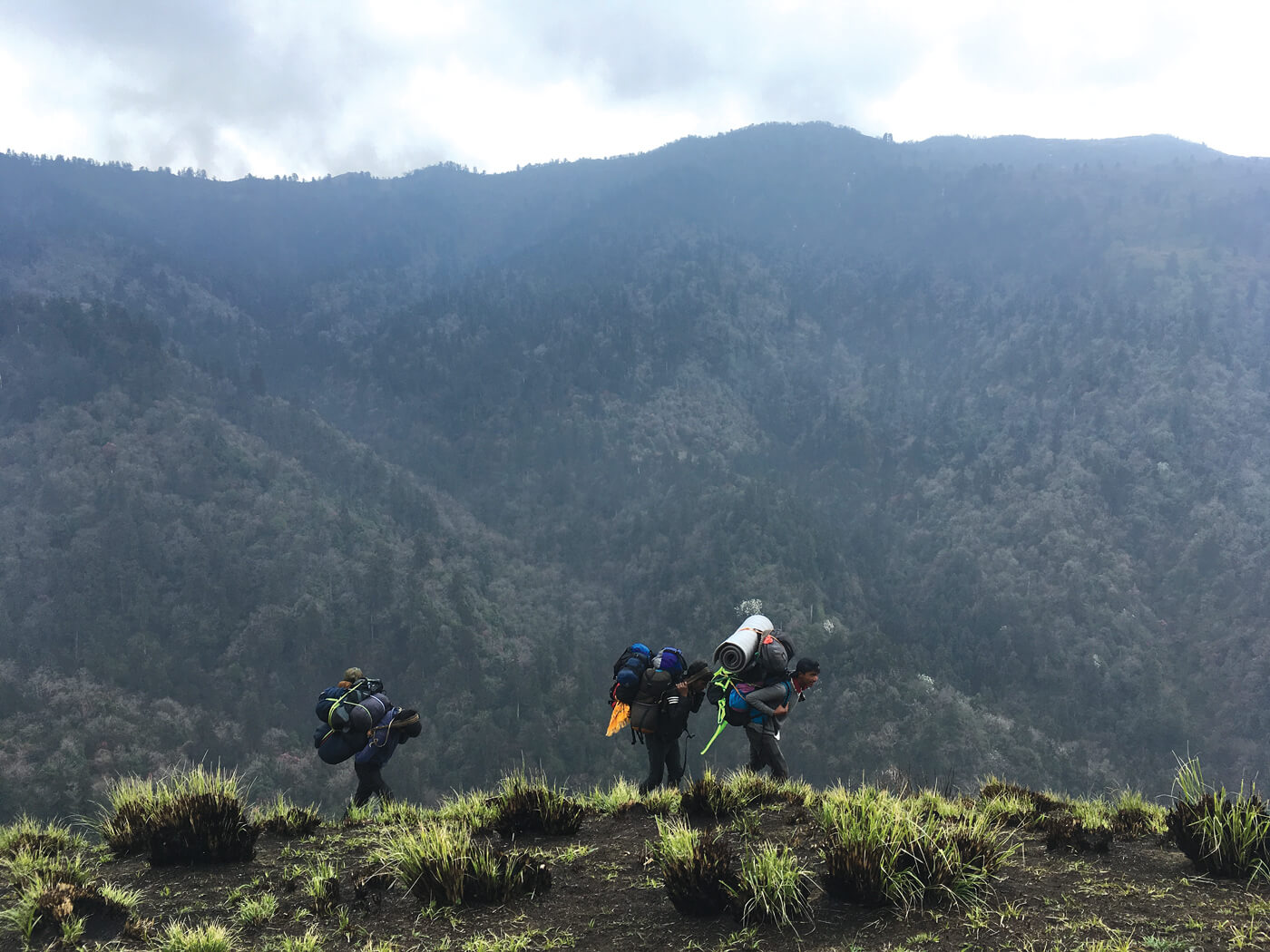
The next day is a steep climb to Kobaro Hill at 3,300 and then down to Ngasi Kharka for the night stop, a meadow where villagers bring their livestock to graze during monsoon. The walk is arduous, but the scenery and tranquility of the forests with rhododendron in full bloom more than makes up for the fatigue.
Day 4
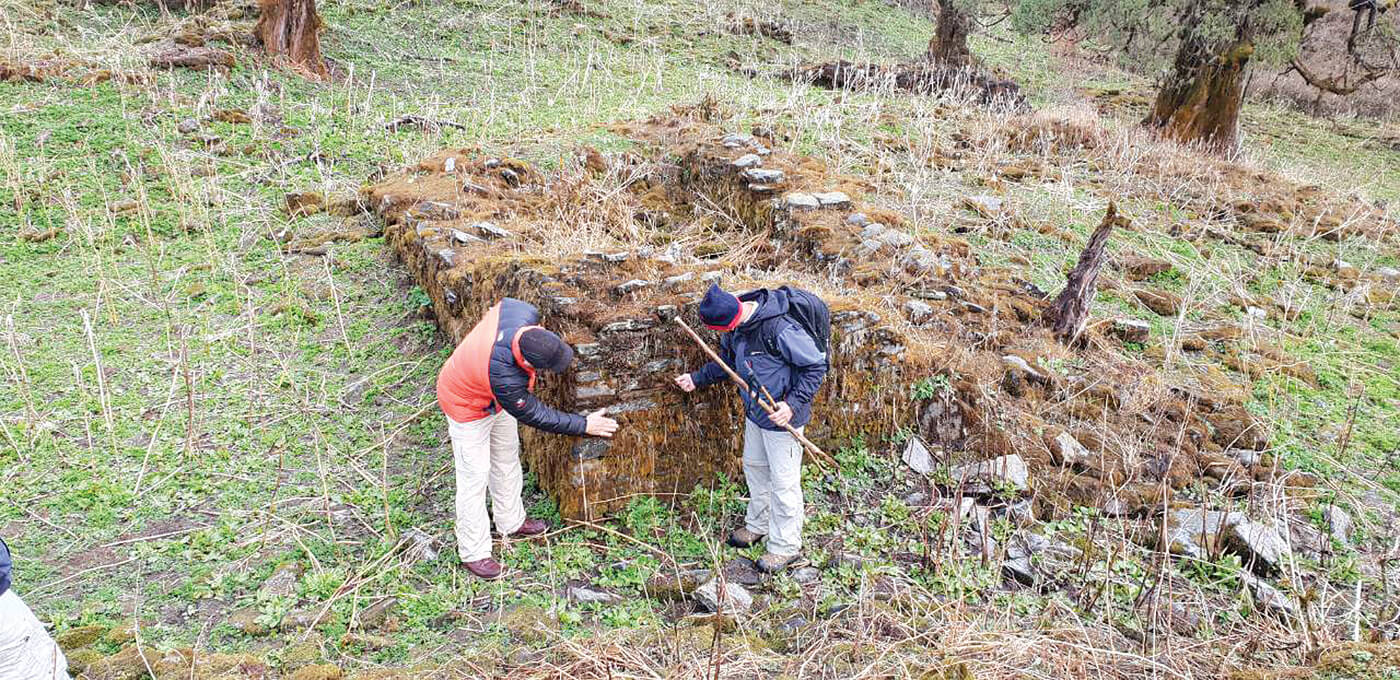
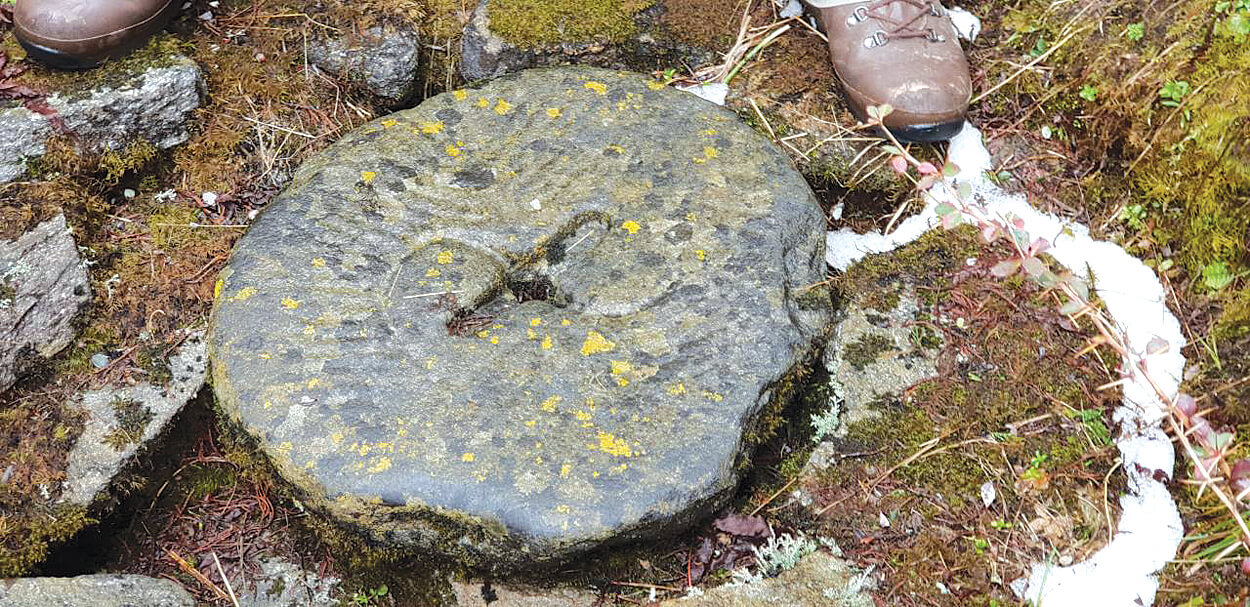
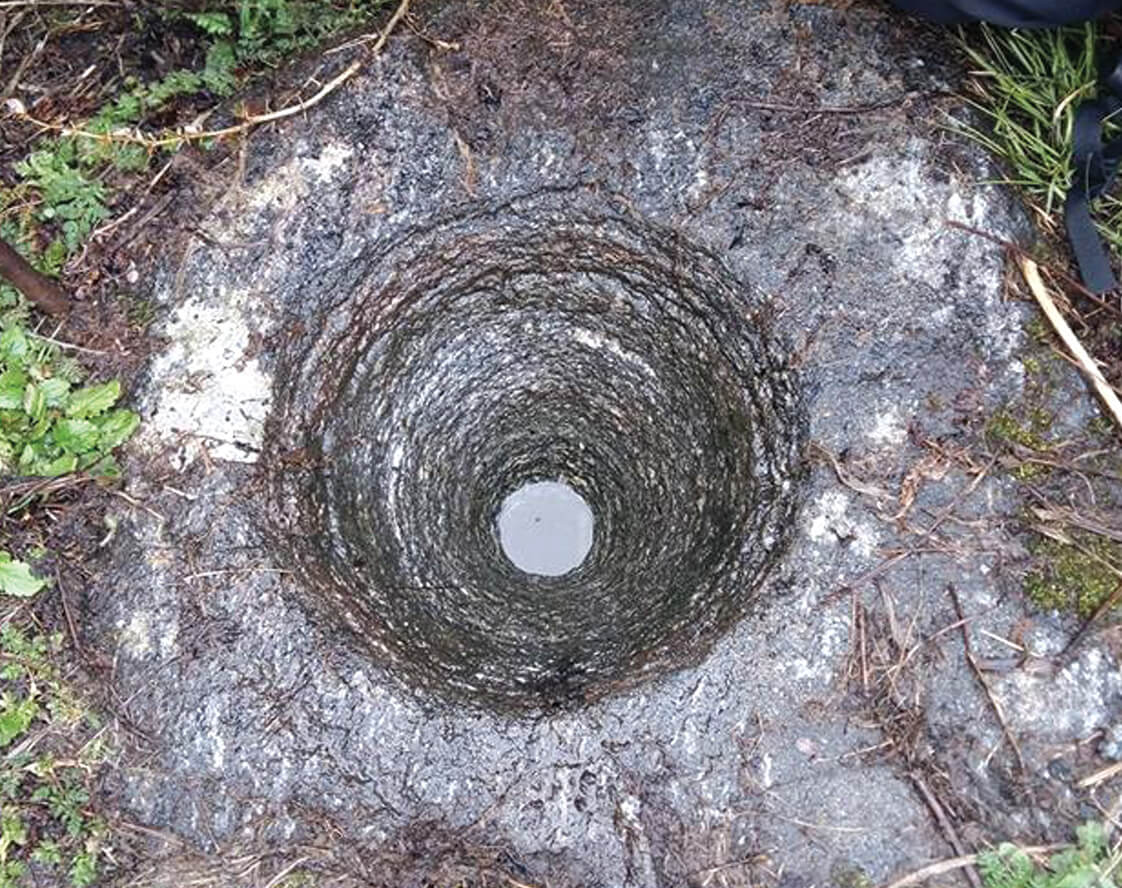
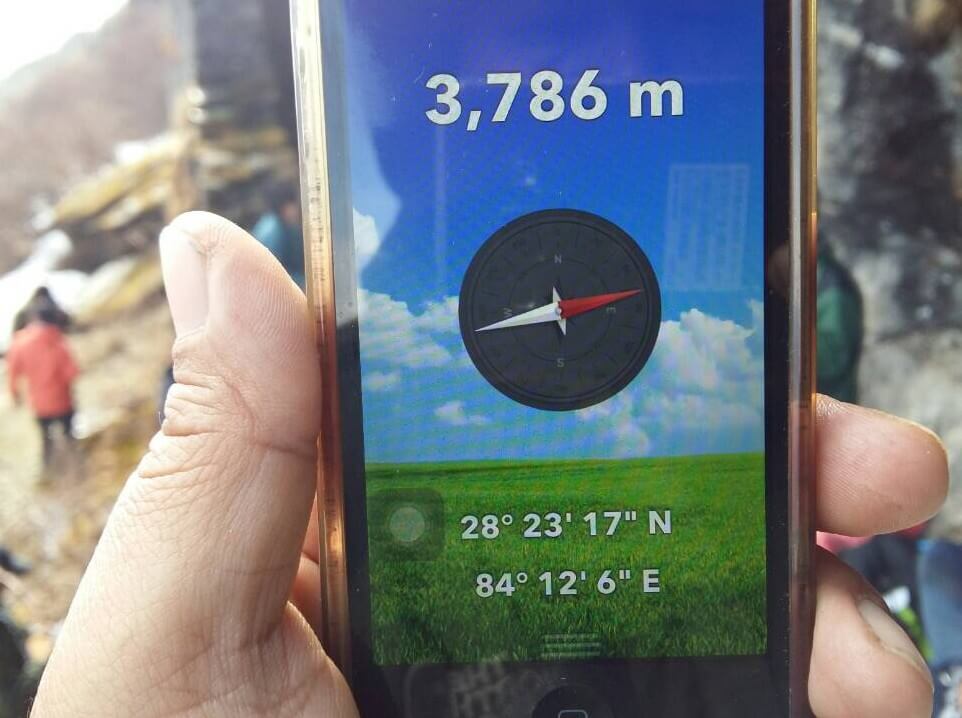
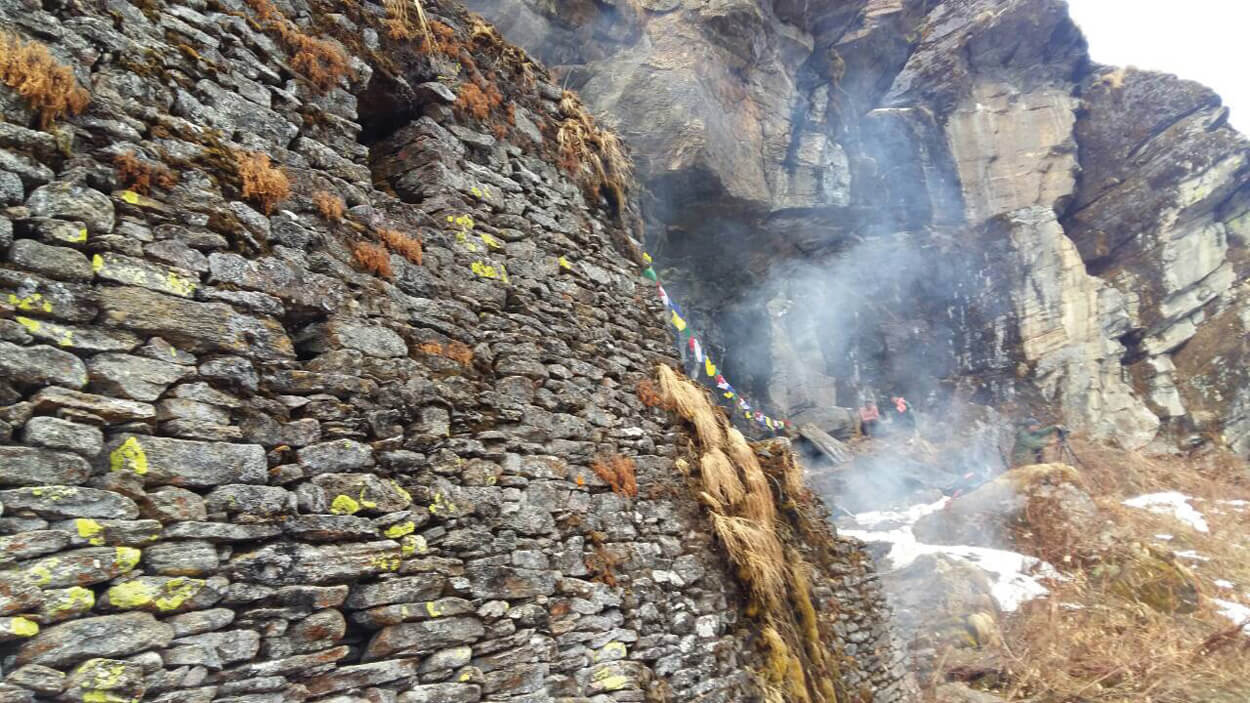
It is a hard walk of a few hours from Ngasi Kharka to Kohla Sonthar, the final destination (below). Vegetation has partly taken over the ancient ruins of Gurung ancestors.
Day 5
The route from Kohla Sonthar to Sikles (Chiuli Nasa) is not well trodden and the trail down to the Madkyu Khola is steep and rough. It takes all day to finally get to the picturesque village of Sikles, where hikers will sleep like babies. Silkes is used to trekkers, and there is always a cultural troupe at hand to provide music and dance in the evenings, in one of the many lodges.