

It is easy to be cynical about recent reports of actions taken to end chhaupadi, the traditional practice in parts of western Nepal of segregating menstruating women.
Since December, hundreds of the chhau sheds where women live during their periods have been demolished after the Home Ministry ordered district officials to strictly enforce laws that bar the practice. Local officials have warned they will withhold social security payments to anyone found to be involved in the practice of menstrual banishment.
We have heard such threats from officialdom before, and many of the recently dismantled sheds were likely previously broken and rebuilt. But something does feel different now about the campaign to end the practice that has killed more than a dozen women and girls in the past decade, most of them from exposure to cold, a snakebite or suffocation from fires to warm the windowless sheds in winter.
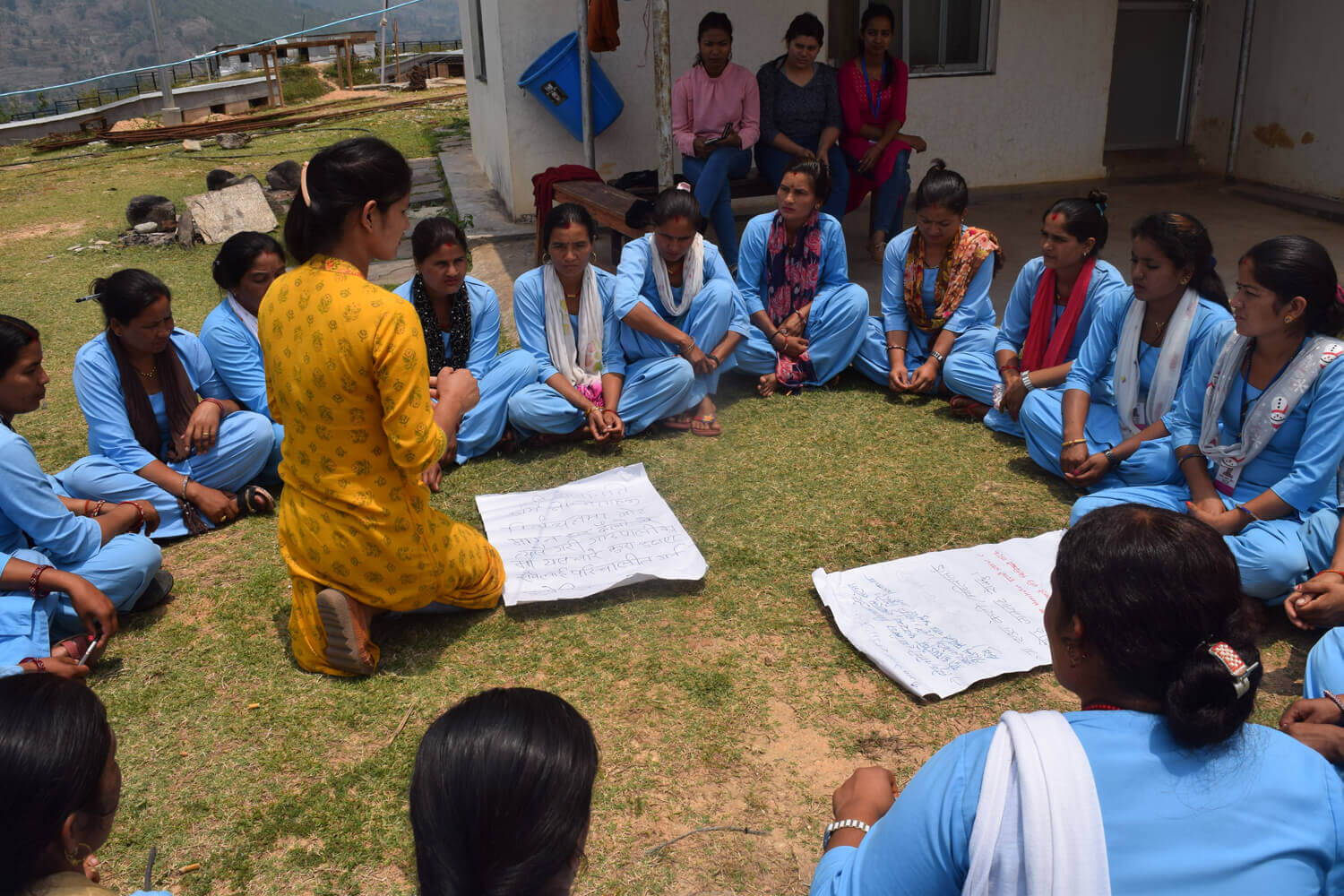
Is this a tipping point? Could be. More positive news comes from Nyaya Health Nepal, the NGO that runs Bayalpata Hospital in Achham. It has 58 community health workers (CHWs), who are the hospital’s link to residents in the facility’s catchment area. Of them, 29 have not practised chhaupadi since working with Bayalpata and, according to the hospital, of the remaining 29, 25 have given up the practice since they started working there.
Read also:
Nepal's superwomen beat superstition, Aruna Uprety
Periods of banishment, Subeksha Poudel
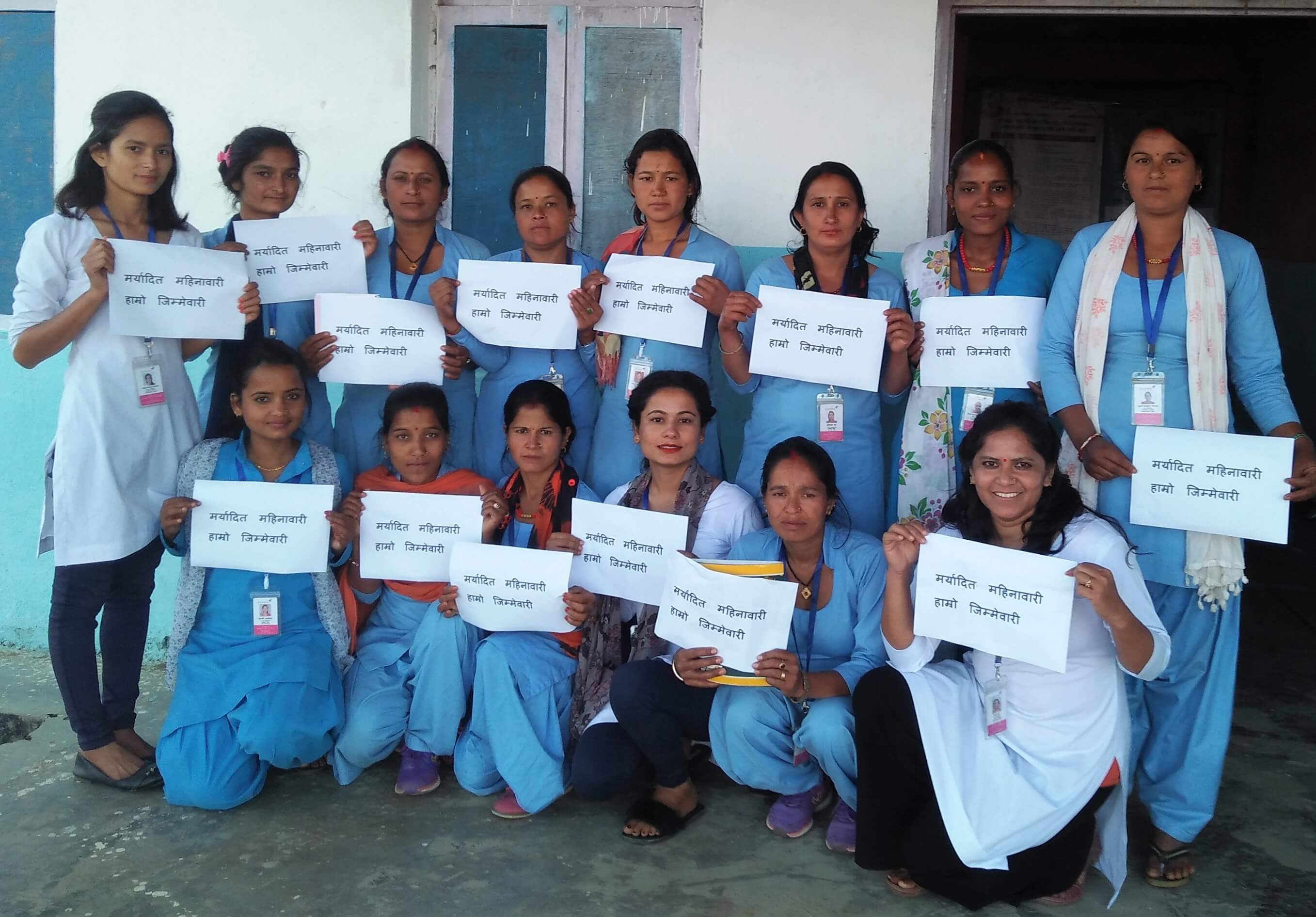
Initial interventions were done as sporadic informal discussions with CHWS, says Aradhana Thapa, healthcare design director at the hospital. They were followed by regular discussions in 2017, and then by interventions in 2018-19.
“We started with baby steps, to understand the issue and help provide a safe platform for CHWs to openly discuss and support each other. Last year we added a few more interventions, including social mapping and reaching more pregnant women,” added Thapa in an email interview.
The mapping found that 66% of the 14,000 women of reproductive age in the hospital’s catchment area practise chhaupadi, compared to 50% of the CHWs before Bayalpata’s intervention. CHWs are required to have at least Grade 10 education, which is far above the district average, so does that higher level of education not explain the hospital’s success in helping CHWs give up sheds?