

 HRW |
The war may have ended five years ago, but the country is not at peace. It will not be at peace until the surviving families and victims of the conflict are not told the truth, and do not get justice. Unless these grievances are addressed, revenge will fester, and there is a danger of another, more virulent conflict.
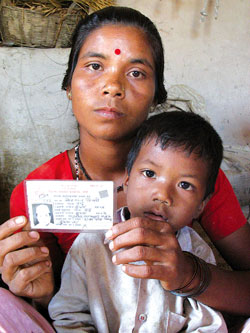
By trying to brush the dirt under the carpet, by attempting to push through a general amnesty, by protecting those accused of war crimes, the state is rubbing salt on the wounds of the families of wartime victims. A colleague recently told me the hallmark of Nepali political culture is a penchant for 'big picture' solutions, ignoring the 'little picture' and the 'little people'. Our political leaders have failed to listen to the victims, and their need for truth and justice.
They see the 'logical' end of the peace process as being confined to the integration of combatants and drafting of a new constitution. Over the past six years they have fought tooth-and-nail for power and abused it, signed countless agreements, and have been obsessed with their own power-sharing concerns and not those of the people who suffered during the war that they waged.
A recent package deal between the main political parties has removed the amnesty clause on serious crimes from the draft bill, but they have agreed to appoint commissioners on the basis of political consensus. This is a dangerous game. The commissions will then just be committees of the parties rather than independent bodies as has happened with the NHRC, the women's commission and state restructuring commission.
The selection of commissioners is the key to their independence at a time when human rights activists are still receiving death threats, the guilty have political protection. Who will protect the hundreds of voiceless victims when they want to speak out? The proposed bills are silent about witness protection, and victims' welfare. With the departure of OHCHR, the weaker role of the NHRC and a polarised human rights lobby, the internationals need to monitor this process carefully. The peace process is not just about integration. The Nepal Peace Trust Fund (NPTF) should be made transparent, justice-oriented and foster sustainable peace.
The euphoria of peace in 2006 has been replaced by widespread disillusionment and cynicism about politicians. Impunity is rife, accountability is feeble, and there is declining political trust. The social injustice that lay at the root of the conflict is all but forgotten, and so is the war's legacy of violence.
Surviving families and victims are fed up with the politics of compromise that sidelines their concerns, and the false commitment to justice from the establishment. Us victims will not follow secret accommodations made in Kathmandu that ignore grassroots realities.