In the lead-up to the UN Climate Summit COP27 in Sharm el-Sheikh this week, the young activist Greta Thunberg told the BBC how the youth could cope with climate anxiety and the fatalism.
This year has seen heat waves, record-breaking rains and hurricanes across the world. News about a climate collapse has paralysed many into inaction, even when action is needed even more urgently.
But Thunberg said: ‘The things we are dealing with are existential threats to humanity. So it’s understandable not to know exactly where to begin and what to do about it. I started to read, educate myself. And I knew what I could do.’
For the young Swedish activist, it was a decision to start a school strike to press for climate-friendly policies. For others, it could be planting a tree or shifting to electric cooking. But the message is clear: do what you can from where you are. The problem is global, but local action can help achieve carbon reduction targets. And engagement of youth can be catalytic.
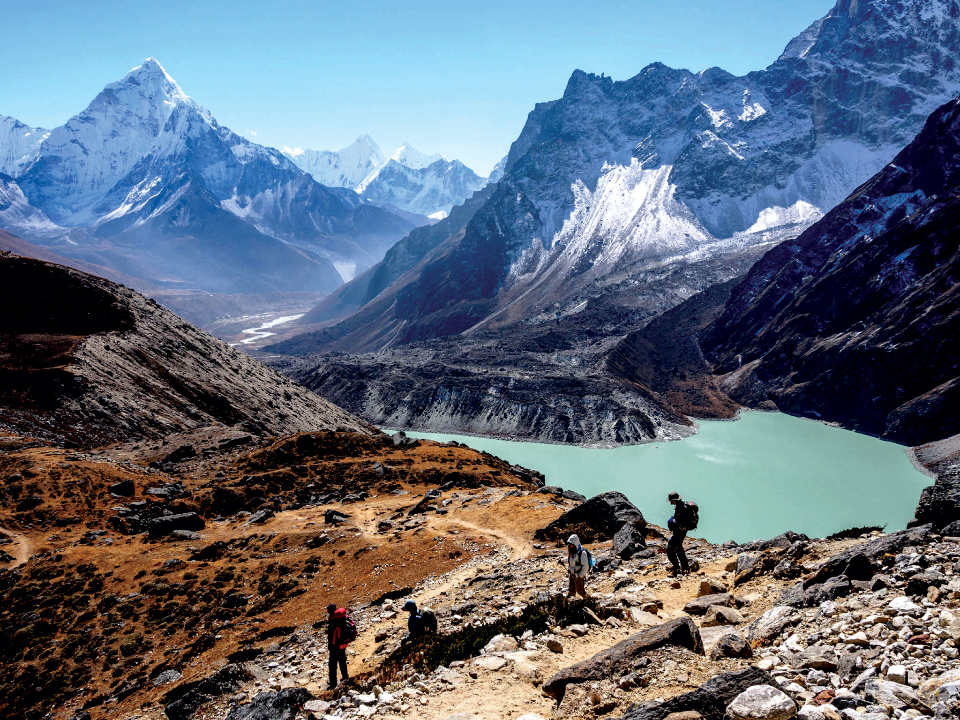
A trek in Nepal is the perfect exercise to get citizens of the world so awestruck by the raw beauty of the icy wilderness that they develop the urgency to protect it. The Himalaya can be the place to mobilise a global movement towards saving the planet from climate breakdown.
This is already happening. Sagarmatha National Park below Mt Everest is a model for sustainable tourism and collective action to save nature. Local authorities have banned cutting dwarf juniper for fuelwood and the use of plastic bags and bottles.
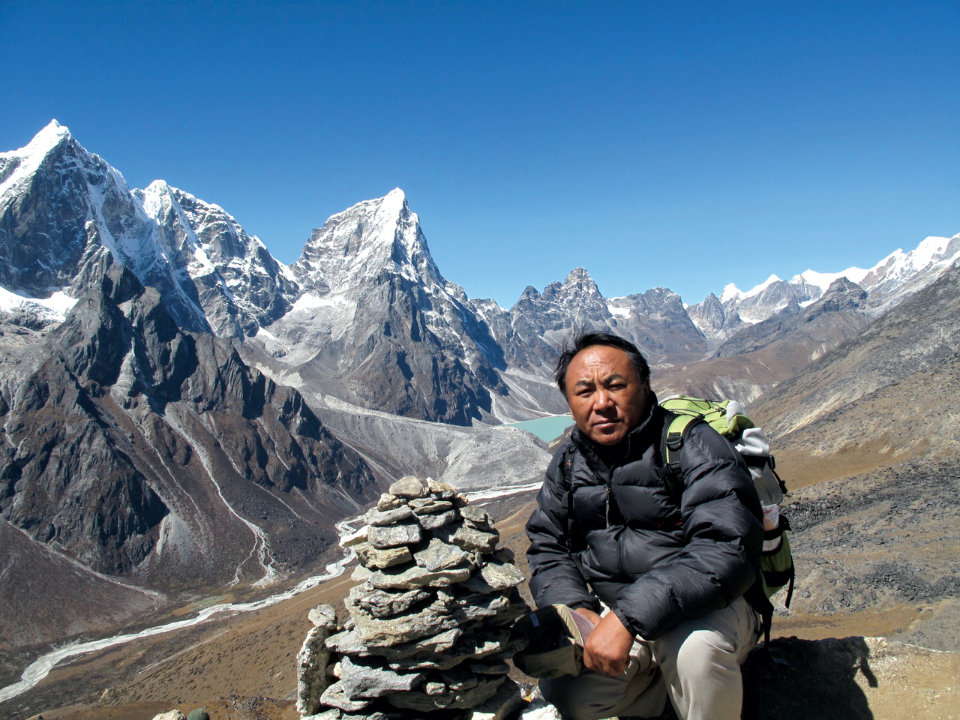
The ‘One Day, One tree’ campaign spearheaded by Ang Rita Sherpa of the non-profit The Partners Nepal is reforesting parts of Khumbu after careful study of the ecology of each location.
Read also: Global crisis, local solutions, Sonia Awale
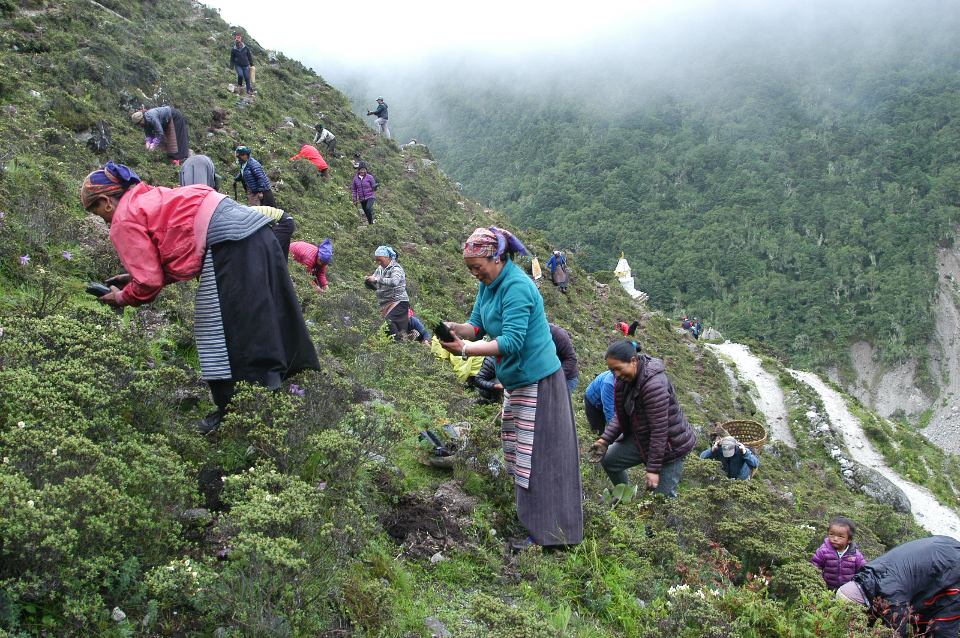
Visitors and tourists can buy saplings of native species at just Rs500, and 18,000 trees have so far been planted. The program will be extened across Nepal.
“I was fed up with all talk and no action. And from my experience with forestry, I thought planting as many trees as possible was an immediate solution for adaptation as well as decreasing availability of water,” says Sherpa. “We have employed locals so they own the program.”
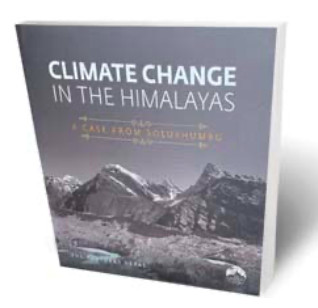
Much of this is detailed in The Partners Nepal’s Climate Change in the Himalayas: A case from Solukhumbu which is a powerful introduction to the changes in the Everest region targeted at the youth and school children in Nepal and abroad.
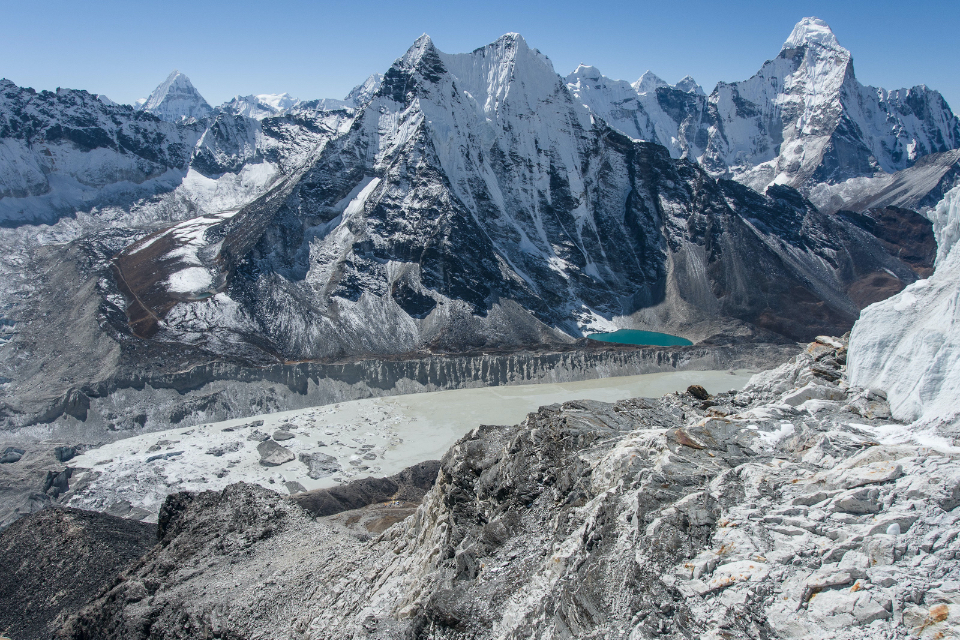
The book is divided into impacts of climate change in the Khumbu, glaciers and glacial lake outbrust floods, testimonies of climate witnesses, and adaptation and mitigation efforts. Sherpa plans a handbook on climate change for children to develop awareness from an early age.