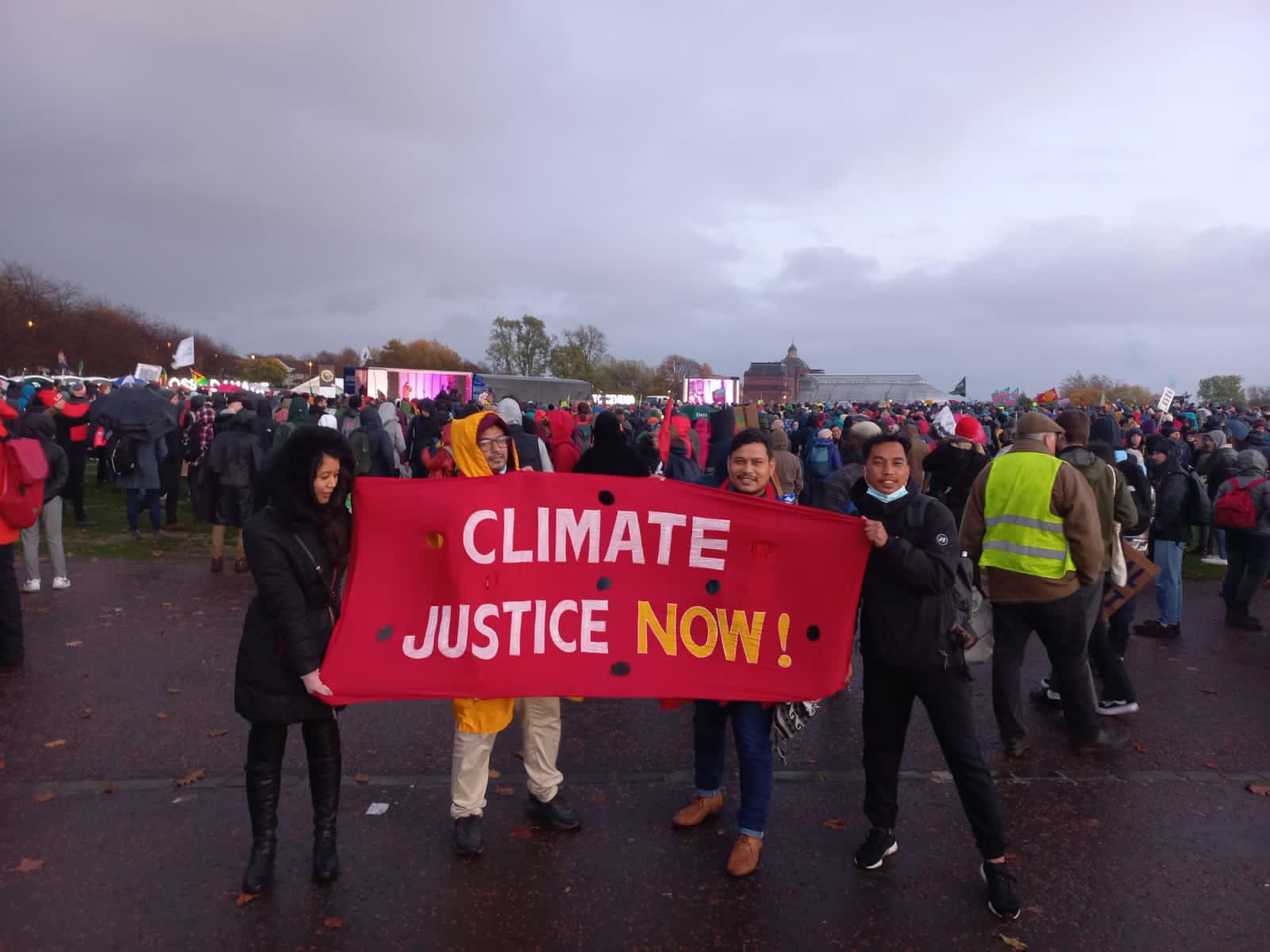
The climate summit in Glasgow is coming to an end today. For the past two weeks, leaders and activists from around the world have gathered to decide on the course of action against a hotter planet.
From the mountains to the oceans and the poles to the torrid, climate crisis is affecting every corner of the world. People around the world as in Nepal are experiencing flash floods, prolonged droughts, scorching heat waves and unprecedented wildfire.
And scientists say this will only get worse with the global temperatures set to surpass well above 1.5° Celsius above pre-industrial levels, at the current rate of warming.
Real climate action makes a difference and Nepali Times spoke to three young Nepali activists to know more about their initiatives.
Yajaswi Rai
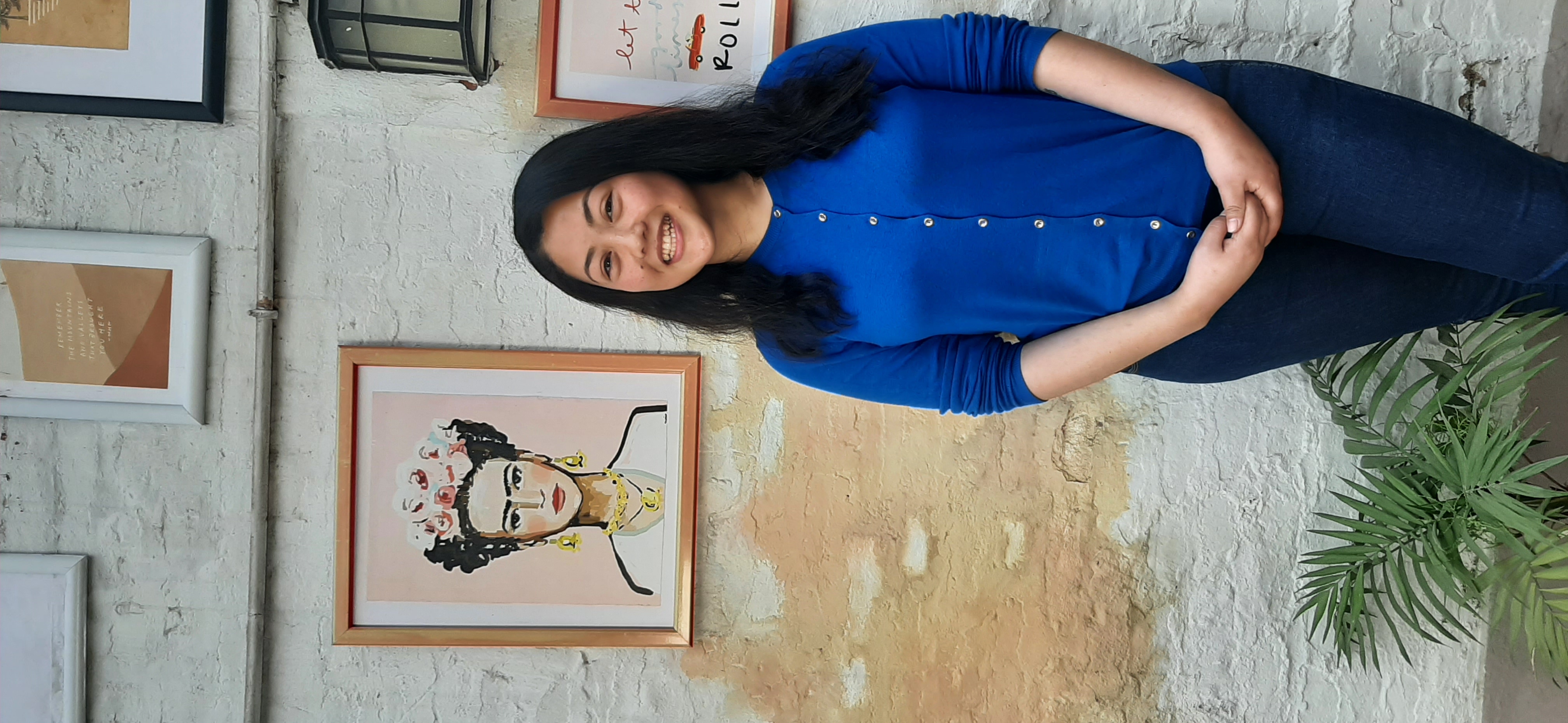
Founder of Leklekk: The Green Wave, Yajaswi believes in recognising and working on intersectional and cross cutting issues. Her primary interest lies in environment sustainability, and indigenous as well as other vulnerable communities. She is also one of the Youth Gender Activists at UN Women, and a central committee member at Youth Congress Nepal.
Nepali Times: Can you tell us a little about Leklekk?
Leklekk: The Green Wave works on a circular economy of various environment conscious products and services. Leklekk means ‘Green’ in my mother tongue.
The company works with organisations to educate the consumers, sell and recycle eco-friendly products. We also plant equal if not more trees to replenish the resources consumed. The company is striving to achieve a fair balance of profitability, social responsibility and environmental sustainability through three phases: 'Give’, ’Recycle’ and ‘Grow’, working in various districts of Nepal.
Leklekk at the moment has paper and PLA products for restaurants. We have bamboo toothbrushes, and produce bamboo medals and other for schools. We resell our recycled papers and crafts in bulk as well.
What motivated you to start the initiative?
Starting Leklekk was an amalgamation of need and interest at the same time. I am a believer of a holistic and sustainable development hence working in the field of indigenous knowledge and environment was always an interest. On the other hand, my pet almost died due to plastic congestion, and it's not a unique story for animals, and will soon be applicable in human lives too, hence a need.
Can you elaborate a little on the projects you have with the schools and restaurants?
In schools we work on educating the students regarding sustainable practices. During lockdown, along with educating them, we held a nationwide “Green Mindset Competition” where students all over the country from age 6-25 years sent us their practices or creative outputs of environmental consciousness.
In restaurants, we first educate them, tell them why plastic is harmful and ways we can make the restaurants more environmentally conscious. Alongside, we supply eco-friendly products to them, but also recollect their paper wastes for recycling in their next orders.
Do you think the climate crisis impacts women and marginalised communities disproportionately? How so?
Yes, but this is however more visible in places with gender inequality. The majority of people affected by climate change are women and marginalised communities and the reasons are multifaceted. For example, most often we see men swimming in ponds, rivers and pools. So in times of water disasters like tsunami, floods, it is no surprise more women die more due to drowning.
Economically, it is comparatively difficult for marginalised populations and women to achieve or own places, knowledge or equipment, which are safer. Because their mobility is also more restricted, they tend to still be in regions vulnerable to the impacts of climate change.
Physically too, water shortage due to the climate change has added to the drudgery of women, they have to walk longer to access water for irrigation and household purposes. In an aftermath of climate disasters, women are more vulnerable to sexual harassment at rescue centres.
How can we include and prioritise women in real climate action at home and not just highlight their vulnerability at global platforms like COP26?
Educating everyone about the issues of climate change and the vulnerability is the first step. Actions have to begin from households and to national and international levels. In developing country like Nepal, safety training in disaster preparedness and safety is crucial.
Every local government should have demographics of vulnerable people like pregnant women, children, old people, in their areas, and map the vulnerability of their community itself. Each unit then should be prepared with proper human, financial, and contingent resources for any climate related disasters.
The grit and knowledge of marginalised and indigenous communities have to be respected and brought into practice, it is one of the most sustainable ways to act against climate change. Our leaders should also start listening to experts and prioritise these issues.
Nepal should also start carrying out independent research and actions to identify the needs for the future. Climate related financing should be a priority in our budget.
Best examples of climate initiatives in Nepal?
Every small to big climate action is the best climate initiative. My niece rejecting one more plastic in a grocery shop, a friend choosing to become vegan, my customers choosing to switch to bamboo toothbrush, friends protesting, to all various movements and enterprises like Global Youth Biodiversity Network, Leklekk: The Green Wave, Fashion Revolution, Harin Nepal, and countless others are all the best examples.
Samikshya Rai
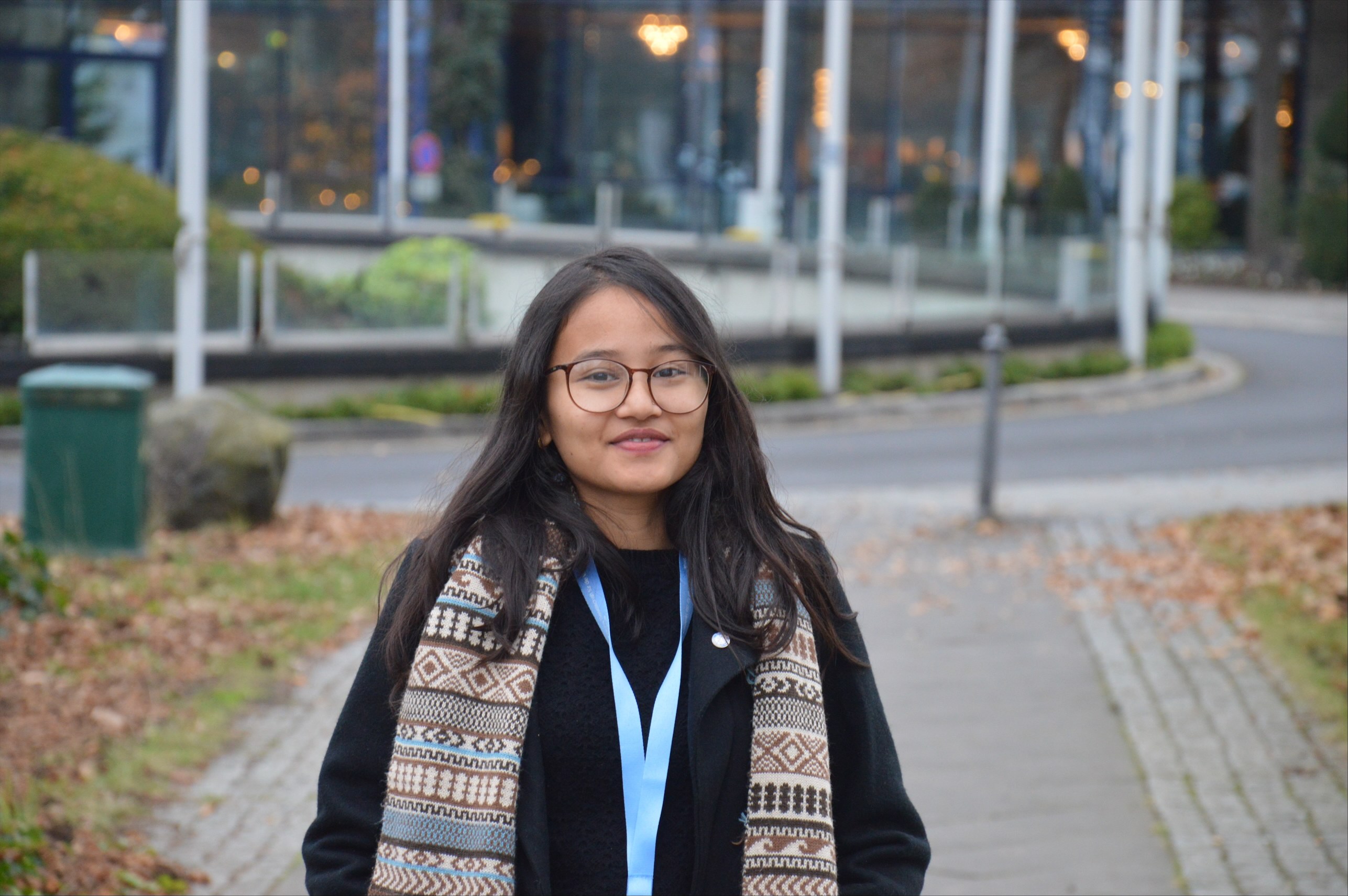
Samikshya Rai is a full-time teacher and a part-time sustainable blogger from Nepalganj. A graduate of Environment Science, she shares her everyday practice on her Instagram page @thesustainable.life.
What does sustainable living mean for you?
Well scientifically, sustainable living is a way of reducing your carbon footprint on earth. For me personally, it’s a lifestyle which I have control over.
I wake up every day and get to decide how much natural resource I am going to use that day, or the amount of money I spend on the things I actually need. I get to make a decision to help a local business by buying their goods. And these actions collectively have a positive impact on the environment and our future generation. I feel that living sustainably makes you considerate and kind towards nature as well as other human beings.
What got you interested in it?
After the 2015 earthquake, I was volunteering in an organisation in Kathmandu, where I was a part of an environmental campaign called “No thanks I carry my own bag”. The more I learned about climate change, the more interested I became. It was then that I decided I want to study Environmental Science and do my bit in protecting the planet.
I started watching vlogs and reading blogs from people who had been practicing a sustainable lifestyle. Most of them were from West. But with time I came to a realisation that we Nepalis have been practicing sustainability for a long time. For example, we use duna and tapari, made from leaves for puja and other functions. Our Nepali moms are true “Sustainable Heroes”. They use old glass jars to store pickle or store vegetables in an ice-cream tub in a refrigerator. When a t-shirt gets old, they don’t throw it away, it is used as a pochha to clean the floors.
My parents grow their own food and they have so much respect for nature. They live a sustainable lifestyle themselves, which has influenced me to lead one as well.
How can people take the first steps to a more sustainable lifestyle?
Living a sustainable life is easy if you make it so. For beginners I would suggest starting by doing small actions in your daily life. You can start using reusable bottles and containers instead of plastic. When you go shopping make a list of things you need beforehand instead of buying random goods just because it’s on a sale or looks attractive on the shelves. Extreme consumerism is a major factor contributing to the global climate crisis.
Women can switch to reusable products like menstrual cup, reusable razors. For sustainable fashion you can opt for thrift stores or borrow/rent clothes. Also, do your research if your clothes are made ethically or not. You can learn to grow vegetables on your own. Choosing an electric vehicle is also an option but let’s hope the tax for EV is further reduced. Using public vehicle is also a sustainable practice.
Before starting a sustainable lifestyle, we should be mentally prepared because ‘eco anxiety’ is a thing. Once you start learning about climate crisis and how serious it is, it can be overwhelming for some.
Does sustainable have to be expensive?
Sustainable living is not a matter of privilege, it’s a matter of necessity, and it is a matter of urgency for a better cause. Sustainable living shouldn’t be expensive but unfortunately it is, the main reason being lack of demand and high manufacturing cost.
I tried to buy a hemp yoga mat once in Kathmandu but I couldn’t afford it. Sustainable clothes can be expensive as well because they are made with eco-friendly materials. But in the long run eco-friendly products are cheaper. For example, a menstrual cup costs Rs500-2500, but it can be used for years.