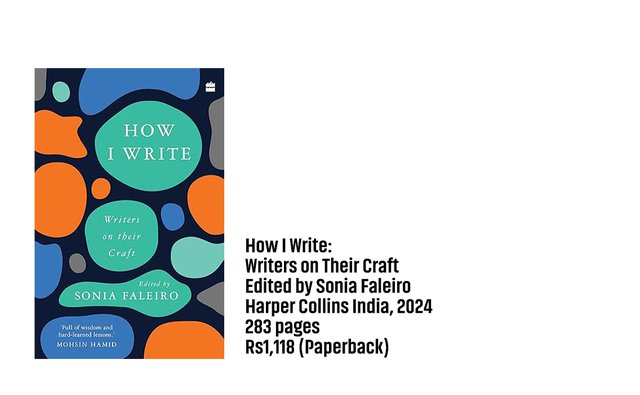
If there is no one way to live life, there is no one way to be a writer. And if writing advice could be summed up into a book written specifically for the South Asian writer and reader, How I Write would be just the one.
Edited by Sonia Faleiro, founder of the literary mentorship program South Asia Speaks, the book is a collection of conversations that began as masterclasses at the program. Once exclusive to the fellows in the program, the book makes the invaluable knowledge and experience of 30 writers open to all.
Featured writers have deep connections with South Asia and write about the region’s life through fiction and non-fiction, prose and poetry. A conversation between two writers, the interviews are candid, thoughtful, and poignant, even funny.
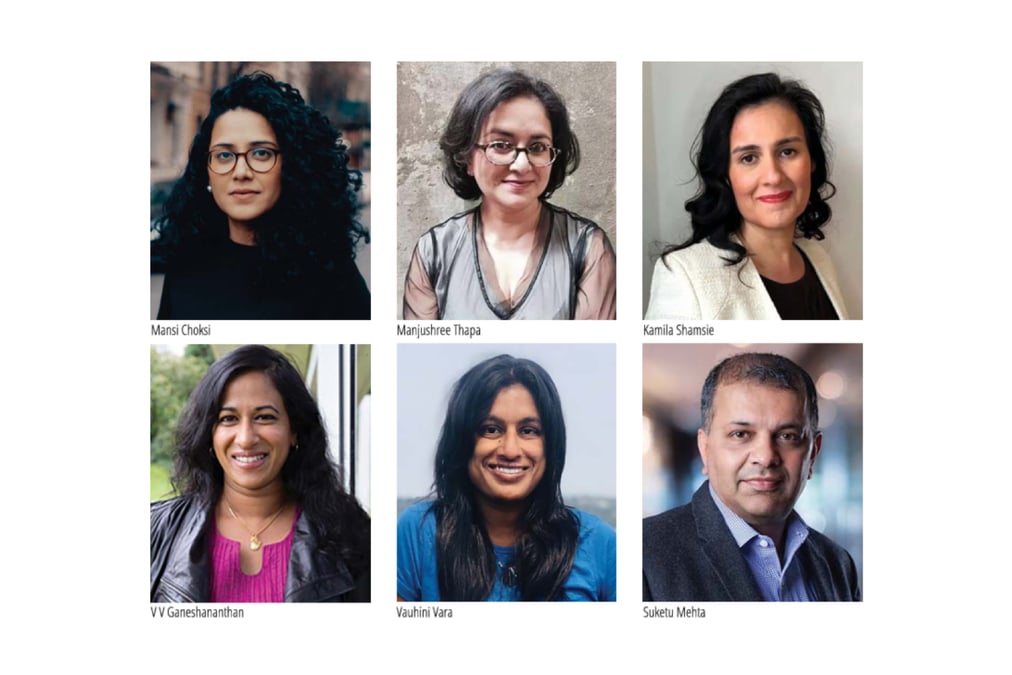
In one light-hearted moment, Mira Kamdar asks Suketu Mehta how writing and life relate to each other, and before diving into the details of the answer, Mehta mentions, “I’ve been cooking a lot.”
Mansi Choksi shares a vulnerable side of the publishing world, when she felt like a failure because The New York Times did not review her book. Moments like these remind us that an aspiring writer must eventually graduate from the label of ‘genius’ or ‘artist’, to a life with real responsibilities and expectations, and write within the joys and pains of that very life.
Read Kamila Shamsie with Sanam Maher when it is difficult to let go of the words. Shamsie is stoic about chopping off 30,000 words if her writing calls for it. Read V V Ganeshananthan with Sonia Faleiro when the writing process takes forever. It took Ganeshananthan 18 years to write Brotherless Nights.
Read: Writing about writing, Lisa Choegyal
Each conversation is a stand-alone piece and does not require to be read in chronological order. But the conversations themselves are inevitably in conversation with each other.