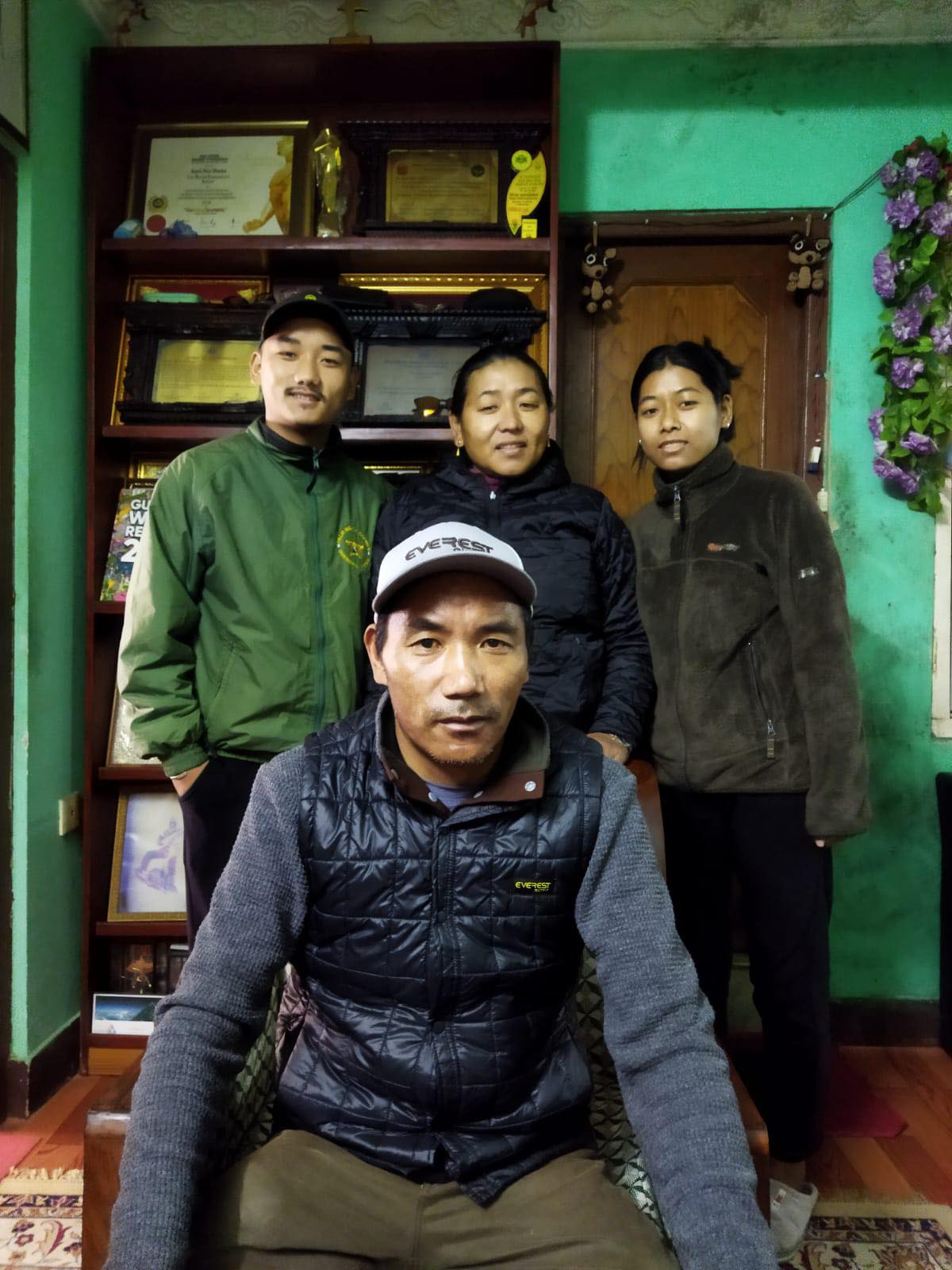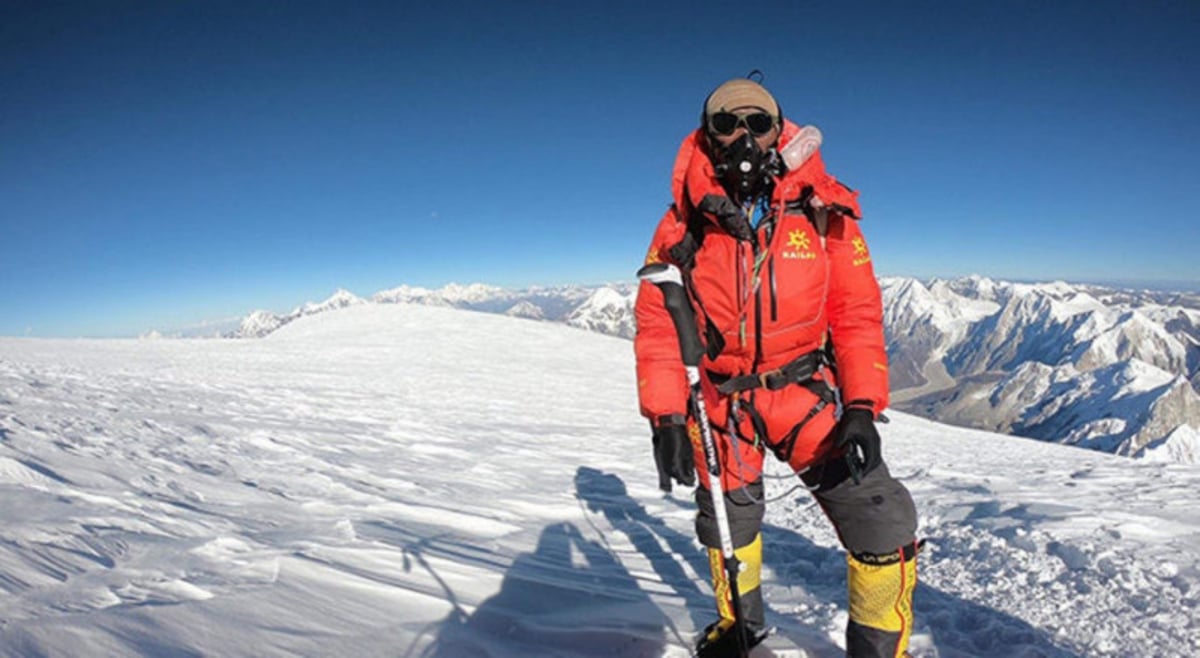
Kami Rita Sherpa broke his own record last week when he climbed the world’s highest mountain for the 27th time, keeping ahead of compatriot Pasang Dawa Sherpa who had tied his 26th climb earlier this season.
Kami Rita has been climbing Mt Everest every year since the first time he helped an international expedition get to the summit in 1994, sometimes reaching the top twice in the same season. The only years he could not climb were in 2014 and 2015 because of deadly avalanches, and in 2020 due to the pandemic.
But Kami Rita says with characteristic understatement that for him it has never been about the record. It is just another job that requires him to guide expeditions to the top, and it is a job he does well.
“Had I been chasing records, I could have summited many more times,” says Kami Rita, who has turned back several times from near the summit because he had to rescue foreign climbers, or blizzards. “I have seen first hand how unpredictable and unforgiving the mountain can be.’
Read also: “If the ice is gone, we are done”
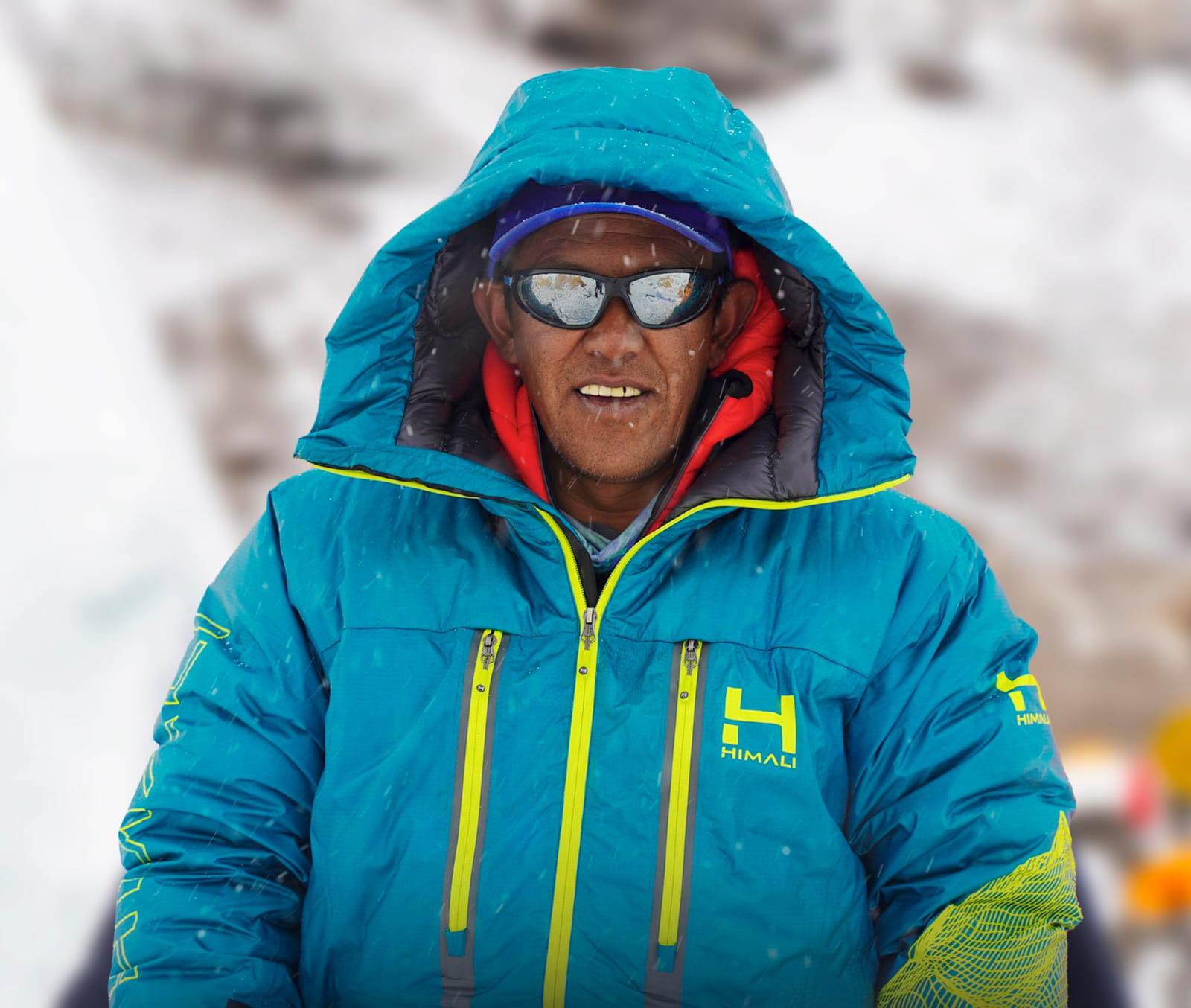
He was at Base Camp in 2014 preparing for a live telecast with his brother for a National Geographic expedition when an avalanche slammed into the Khumbu Icefall, killing 16 Sherpas, many of whom he knew.
A year later, 19 climbers and Sherpas lost their lives when an avalanche triggered by the 2015 earthquake destroyed Base Camp. Then the Covid-19 pandemic halted all expeditions, depriving many guides and porters of income.
Throughout all this, Kami Rita has remained in Nepal, declining job offers from overseas. “For me, there is nothing more meaningful than serving my community and people,” he says matter-of-factly. "The younger generation is aware of the dangers and some have given up working on the mountains. But if we Sherpas were not here, there would be no mountaineering.”
Many, including previous summit record holders like Apa Sherpa, have migrated abroad. A new generation of Sherpas are now scientists, climatologists, businessmen, or airline pilots, and their success has been made possible because of the sacrifices of their parents.