Environmental pollution is not Nepal’s only problem. Citizens around the globe share social, economic and developmental problems. If our situation is the same, our destiny is also the same. So, we have no choice but to unite and solve our problems together. We have to think beyond our surroundings and become global citizens.”
These words are not from an environmentalist or a politician, but from Ankit Sangroula, a Grade 8 student at Mount View School in Bhaktapur. Speaking at Hotel Yak & Yeti, his speech left the room full of adults awestruck.
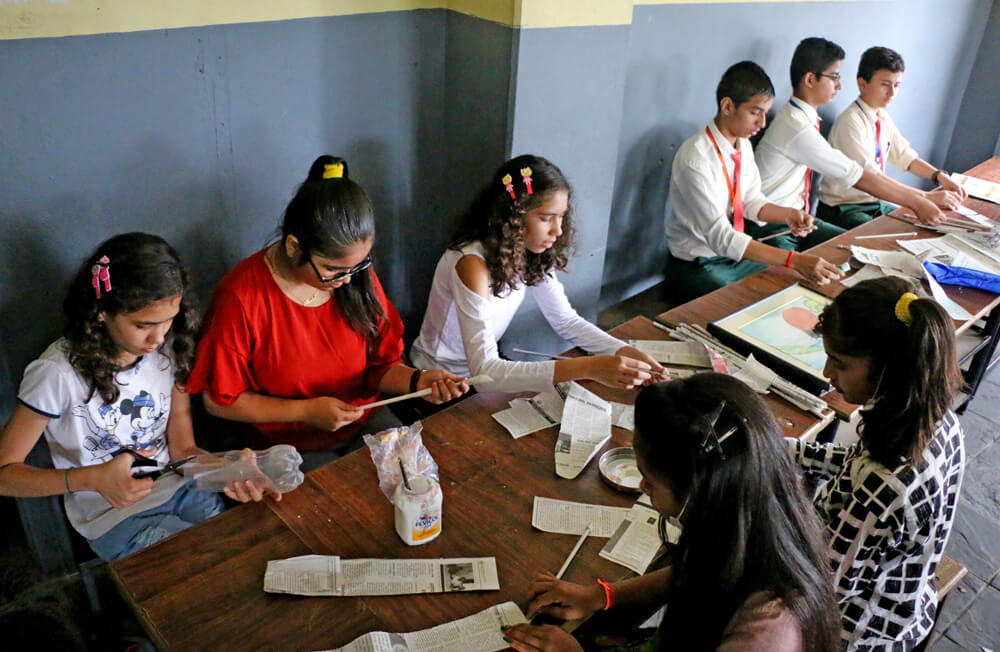
Sangroula is one of the students mentored by Connecting Classrooms, a joint initiative between the British Council and the UK’s Department for International Development (DfID). The program is designed to cultivate knowledge, skills and values in young people so they can live and work in a globalised economy. Working off the beaten track of academic system, the initiative connects students across the world to foster national and international friendship.
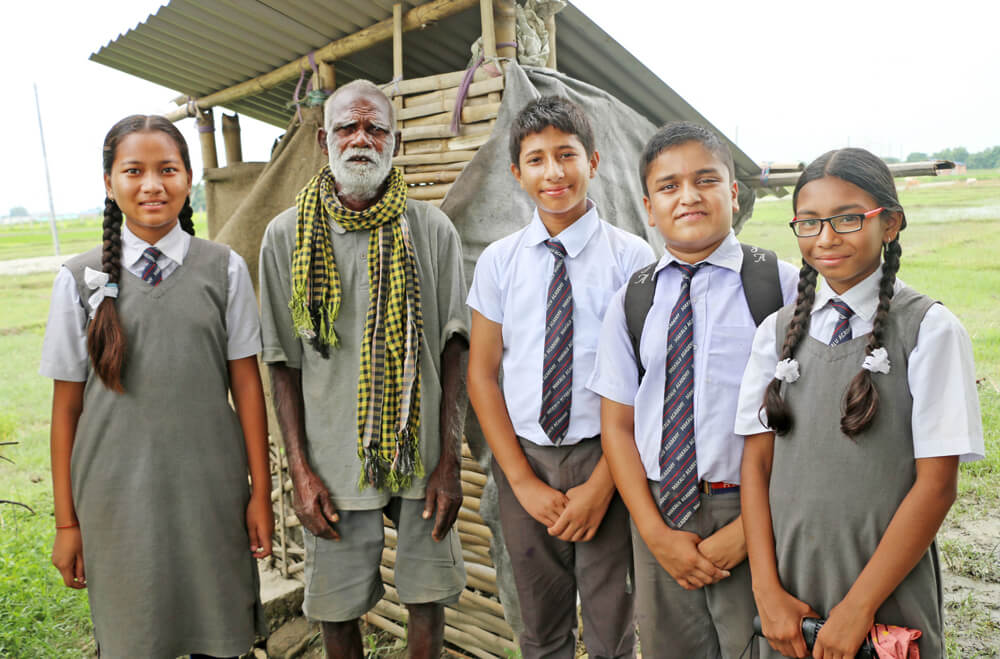
It also inspires young people to make positive contributions locally and globally. For example, in Baijanathpur, Morang, eight toilets were built by students from Makalu School without any support from donors or local banks. They gave an alternative to villagers who previously used riverbanks as a bathroom where they were sometimes bitten by snakes or chased by the police, but now they have an alternative. The local village council and the rest of the villagers followed their steps by constructing more toilets.
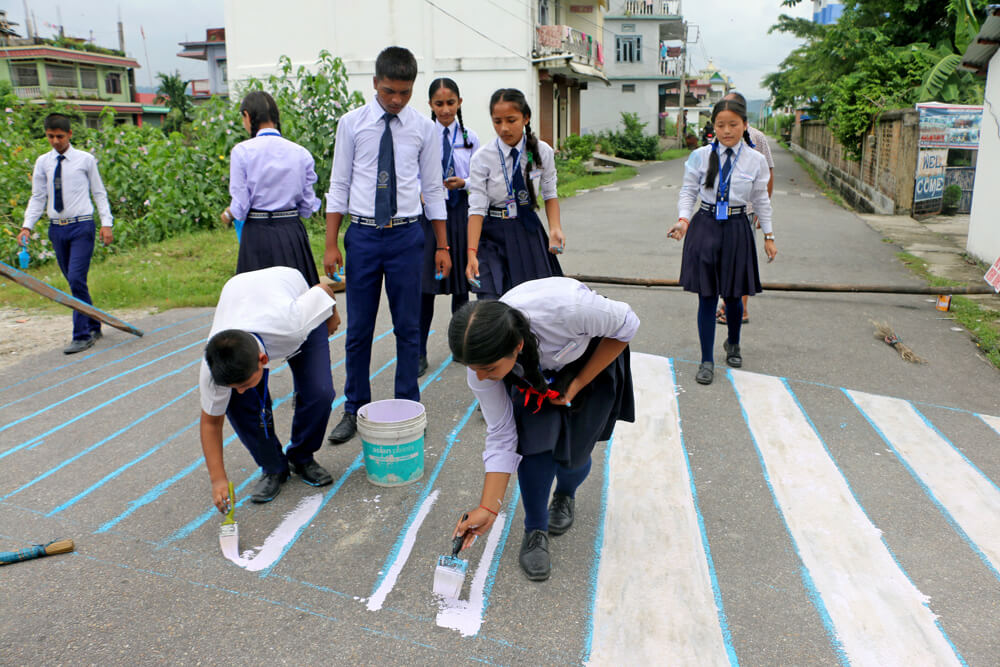
The Open Defecation Eradication Project was one of the Council’s successful Social Action Projects conducted in Nepal’s schools. The projects are student-led initiatives focused on tackling community issues and inspiring leadership and team spirit in students. The Social Action Project has been collaborating with 100 schools from 24 districts, involving 16,200 students and reaching out to around 17,000 community members to solve social problems.
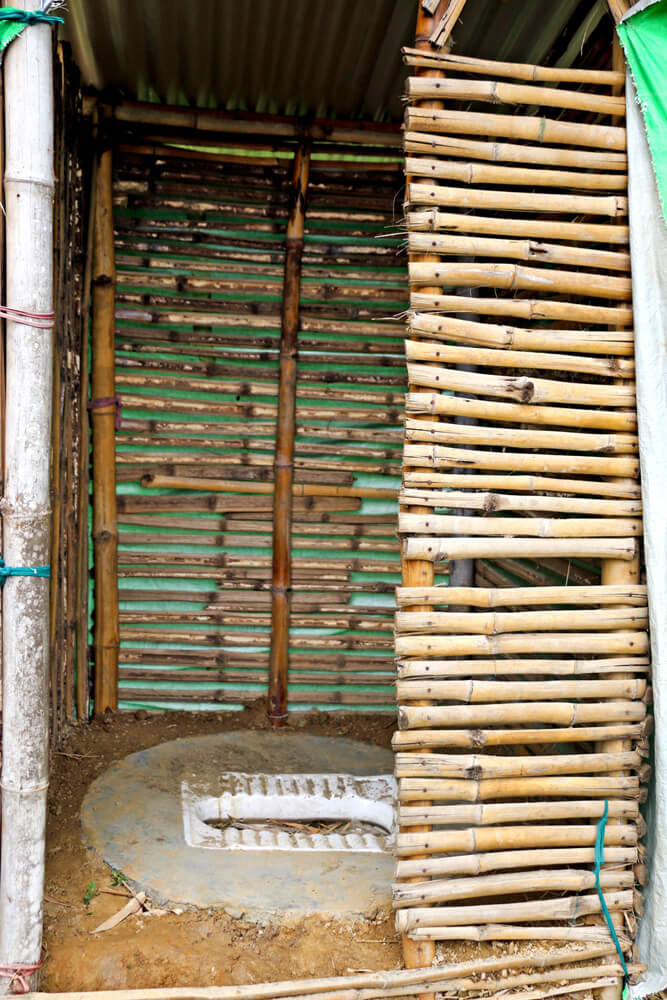
The project results have left many impressed. “When these little students came to us to talk about building toilets, we were so proud of them. All of us here are really thankful for this initiative,” says Jhameli Rishidev of Baijanathpur.
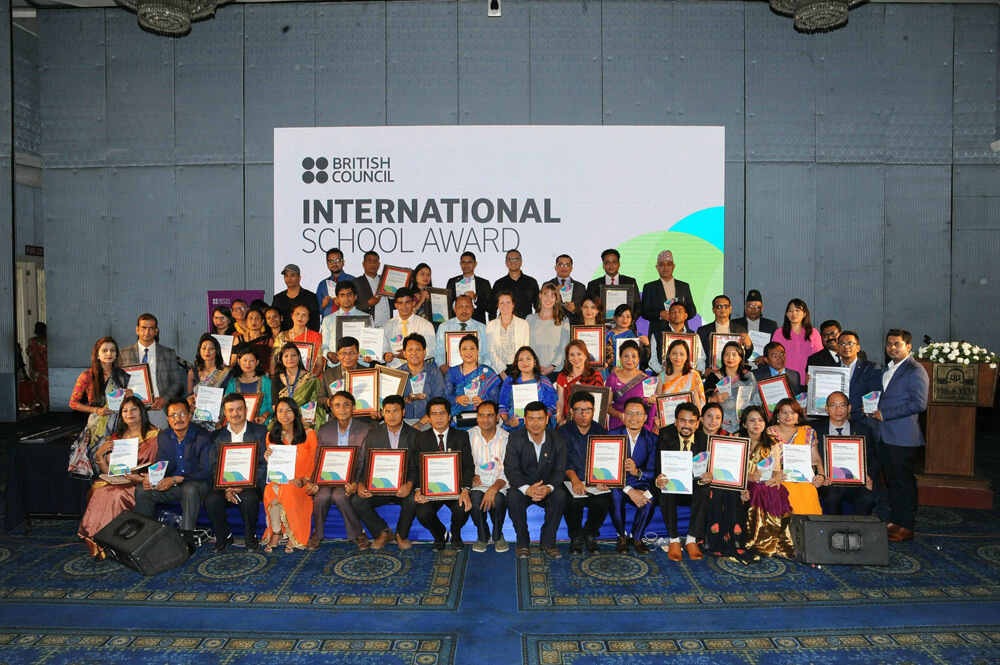
In total, British Council has reached out to more than 250 schools in Nepal through International School Award (ISA), integrated with a curriculum that focuses on digital literacy, critical thinking and problem solving, creativity and imagination, student leadership, collaboration and communication and citizenship.