
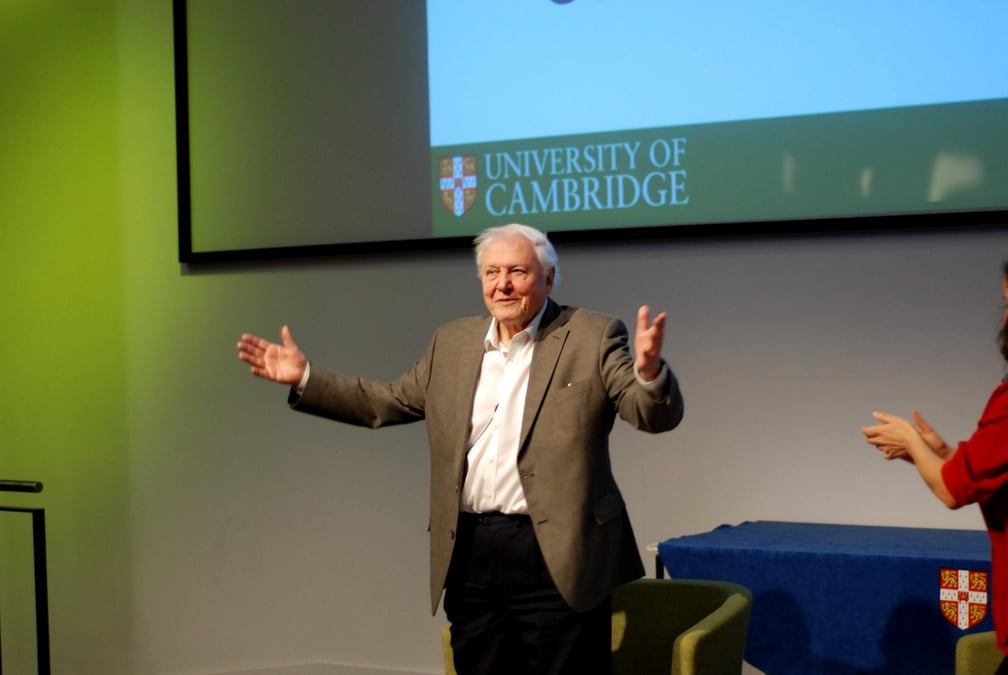
It was a packed hall in the summer of 2019 at the 20th anniversary of the Student Conference on Conservation Science in Cambridge. An empty chair on the stage waited for one man.
Hundreds of students and researchers excitedly anticipated the arrival of Sir David Attenborough. The British nature broadcaster and writer marked his 100th birthday this week, but back then at age 93 he was as sharp and witty as ever.
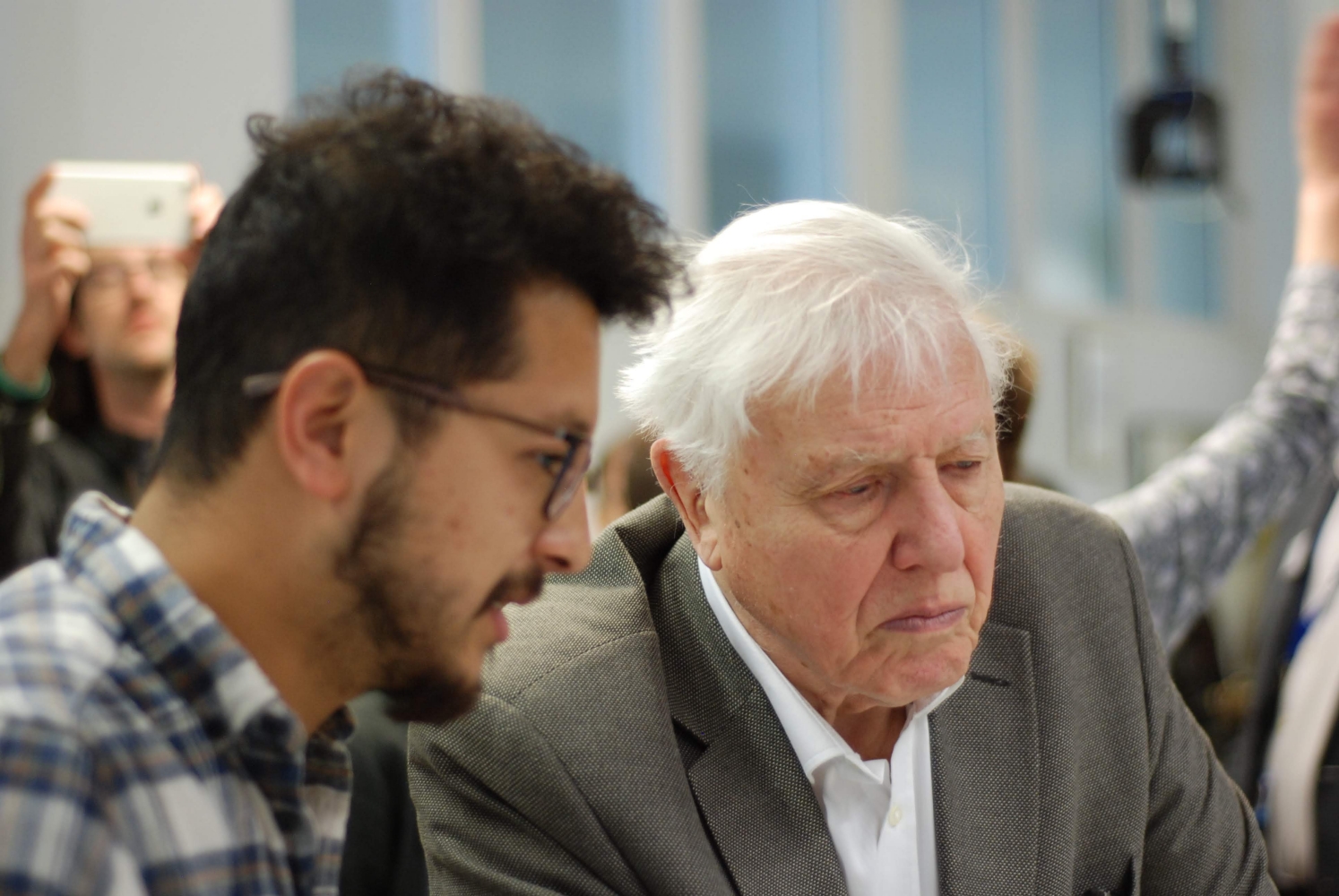
I was one of 25 researchers selected to ask him a question that day, and waited nervously for my turn. My question concerned the dilemma we face in Nepal: “How can developing nations prioritise conservation while simultaneously tackling poverty and daily livelihood crises?”
Sir David paused for a while, smiled, and said, “That’s a very difficult question.” The room erupted in laughter.
After finding out that I was from Nepal, he added: “It is ultimately more practical and economically sensible to look after the natural world, to take from it what we need, and no more.”
This was classic Attenborough wisdom, logically simple and delivered with a twinkle in his eye. He turned the question back toward us students in the audience, it was up to us to find the balance between nature and human wellbeing through our own future research.
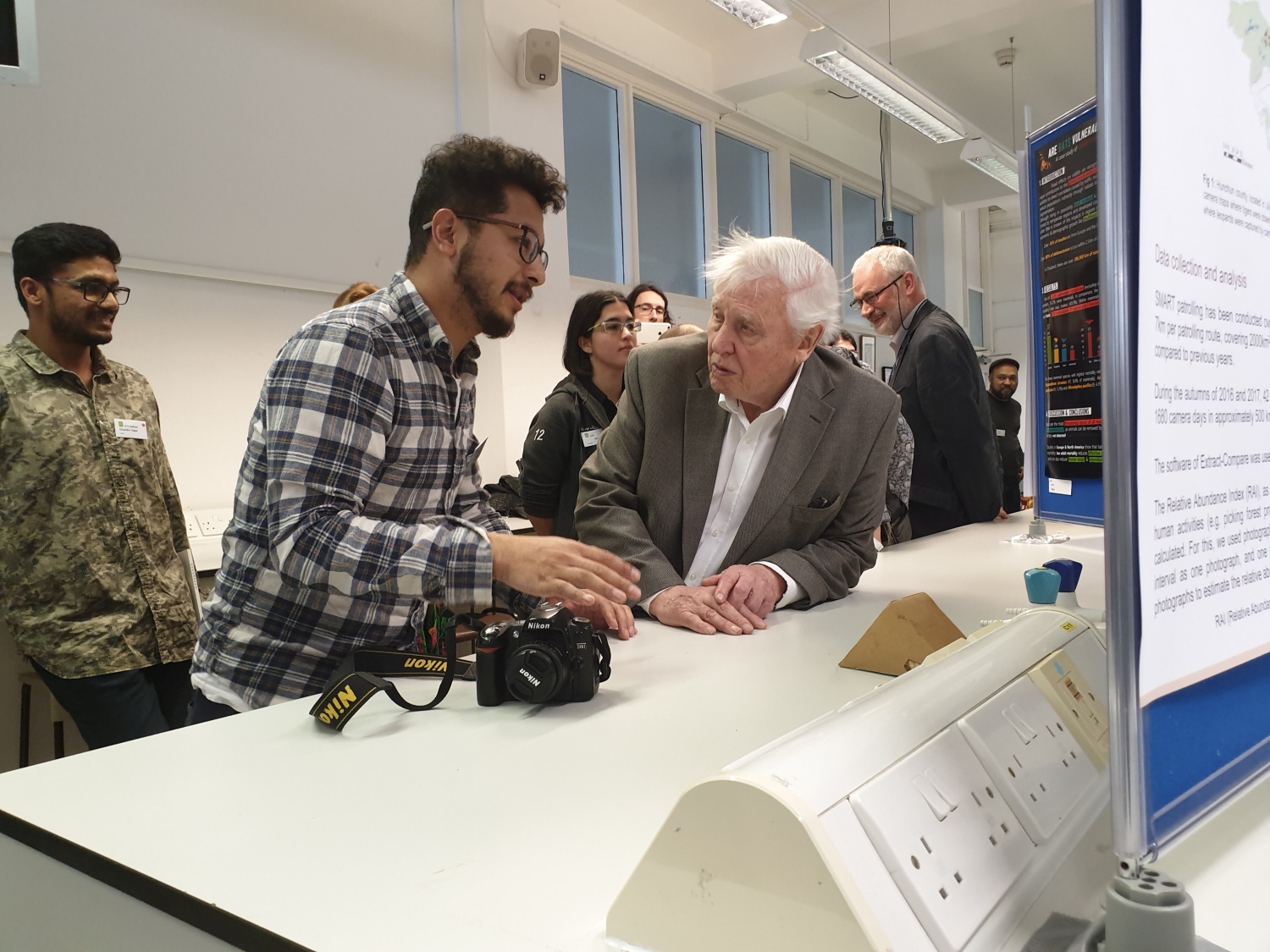
I did not realise it then, but today seven years later, that “difficult question” has become central to my PhD research.
Unlike many of my friends in conservation, I did not grow up watching David Attenborough documentaries. They did not make it to the limited options on cable channels we had in Nepal in those days.
It was only after I moved to Europe for my Master’s that I understood how deeply nature documentaries like Planet Earth, The Blue Planet and others had shaped and inspired the environmental imagination across generations.
His mellifluous narrator voice is instantly recognisable, soothing and convincing about the value of nature. This was environmental communication at its best — powerful, persuasive and positive.
Few communicators have shown us the beauty and complexity of the natural world as powerfully as Sir David has. The extraordinary cinematography brought oceans, forests, deserts, and wildlife into living rooms with a scale and intimacy never seen before right into living rooms.
The nature films did not just entertain, they spurred young minds into action. They made tens of millions of people around the world care about biodiversity. Many colleagues told me they chose their careers in ecology, conservation, wildlife filmmaking, and environmental science partly because of the world his storytelling opened to them.
TOUGH CHOICES
One of the first films David Attenborough narrated was the black and white BBC documentary in 1958
which followed anthropologist Christoph von Haimendorf as he travelled across Nepal.There were later films on
, tigers, honey hunters. He narrated short films on the in 2023, and for the Whitley Awards in 2022.But I wonder: for many people in countries like Nepal, the harder question has never been about whether nature is beautiful. It is how conservation can coexist with survival.
Conservation asks us to examine uncomfortable questions about how nature itself has been presented to the world. For decades, wildlife documentaries often showed nature as pristine wilderness, untouched, and separate from humans.
Forests appear without roads. Rivers flowed without dams. Animals existed without borders, politics, or conflict. The people living closest to biodiversity, often indigenous communities and rural populations, were frequently absent from the frame.
The result was a powerful wonder, but sometimes also emotional distance. Viewers could admire melting glaciers or endangered species while still imagining environmental collapse as something happening somewhere else, disconnected from economics, governance, or everyday consumption.
Some researchers have since questioned whether such documentaries, despite their beauty, encourage passive admiration rather than pushing for structural change to avert the climate and ecological crises.
Sir David’s more recent films like
feel less like celebrations of wilderness and more like warnings. The tone has shifted from awe to urgency. The calm narrator who once introduced viewers to hidden corners of the Earth is now vocal about biodiversity collapse, overconsumption, and climate breakdown.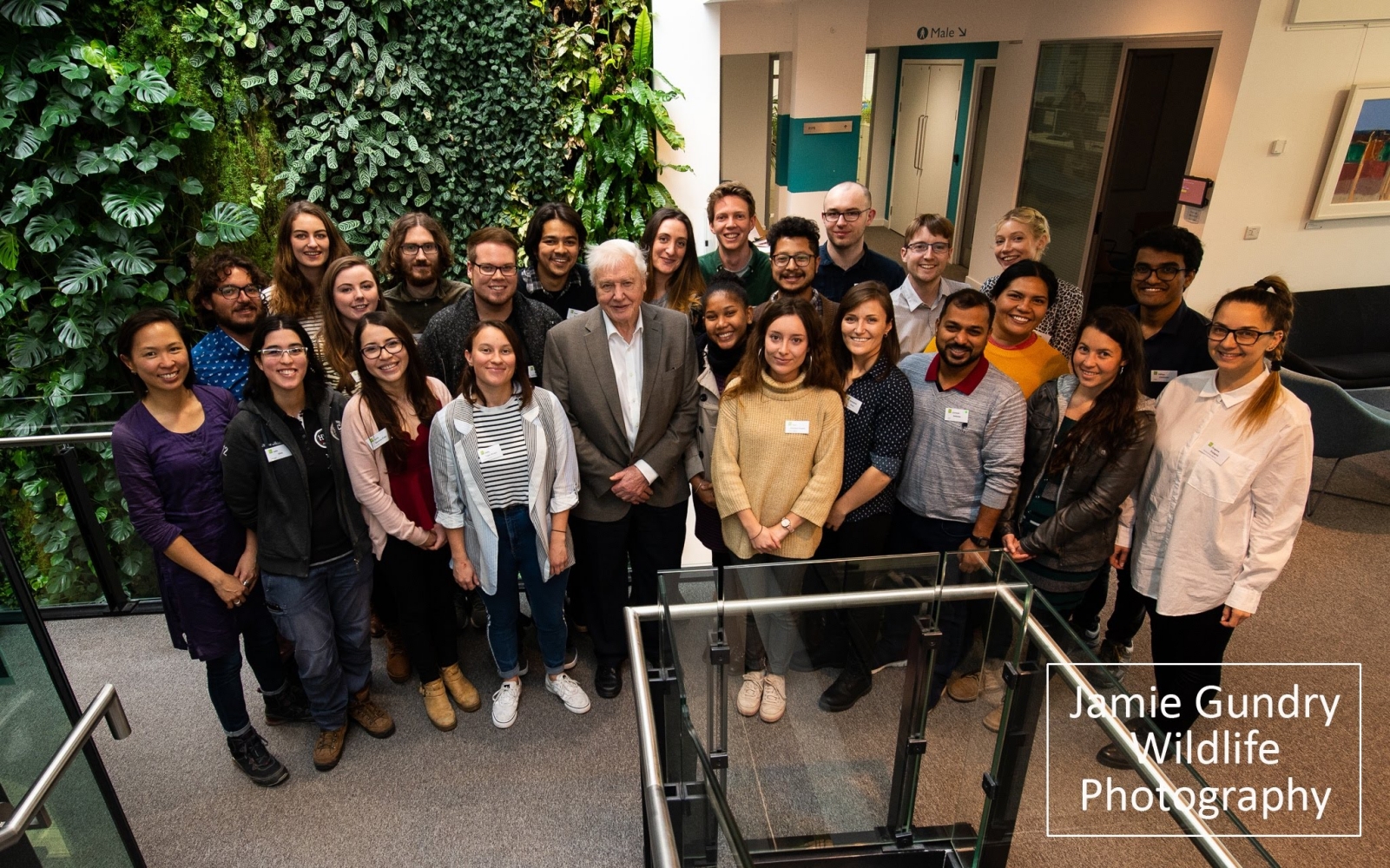
His words seven years ago about “not taking more than we need” resonate still. Countries like Nepal have historically consumed very little compared to industrial economies, yet face the consequences of historical overconsumption. This global inequity is now also reflected within Nepal.
Such questions add another layer of complexity. Nepal contributes very little to global emissions, yet faces floods, glacier melting, erratic rainfall, biodiversity loss, and growing ecological uncertainty. But in answer to my question back then in that hall at Cambridge, David Attenborough had also said that “ultimately it is more practical and economically sensible to look after the natural world”.
So, I am still seeking answer to my question. Conservation should not just be about saving wildlife. It is tied to livelihoods, tourism, hydropower, migration, indigenous rights, and survival itself.
How do countries struggling with inequality, unemployment, and political instability also protect ecosystems? Who carries the cost of conservation? What does justice look like in the age of climate breakdown? And can conservation succeed if local communities themselves are excluded from decision-making?
What I remember most from that day is not a celebrity but a contradiction: a global conservation icon admitting to a researcher from Nepal that perhaps conservation is not just about protecting nature but also about negotiating survival, justice, and the future simultaneously.
There are no easy answers, and that may be exactly why Attenborough paused before saying, “That is a very difficult question.”
Bibek Raj Shrestha is a PhD researcher at University of East Anglia, UK, working on conservation and human well-being in Nepal. He is a SENSS ESRC doctoral fellow.