Nepal has made dramatic progress in expanding health services, yet millions of people still do not fully benefit from their Constitution-ensured right to basic medical service.
Many of those deprived of accessible and affordable healthcare are in remote far-flung areas of the country, but increasingly they are also among the urban poor who have migrated to the cities and live in the margins.
In both areas there are gaps in service quality, health workforce availability, and governance capacity. Out of pocket expenses for medical treatment of a family member can push families into absolute poverty and debt.
The 2025 WHO–World Bank Global Monitoring Report on Universal Health Coverage underlines this challenge -- financial hardship from health spending remains a major barrier to equity, even where medical coverage has improved.
In Nepal, rising demand for better and more affordable healthcare and workforce shortages due to outmigration of medical personnel and other factors mean that the government is unable to bridge these gaps through public provision alone.
Well-governed and accountable public-private partnerships (PPPs) aligned with national priorities offer a practical pathway from policy commitment to real-world impact. The experience of the non-profit Nyaya Health Nepal (NHN) in partnership with the Sudurpaschim Province is an example of where this has worked well.
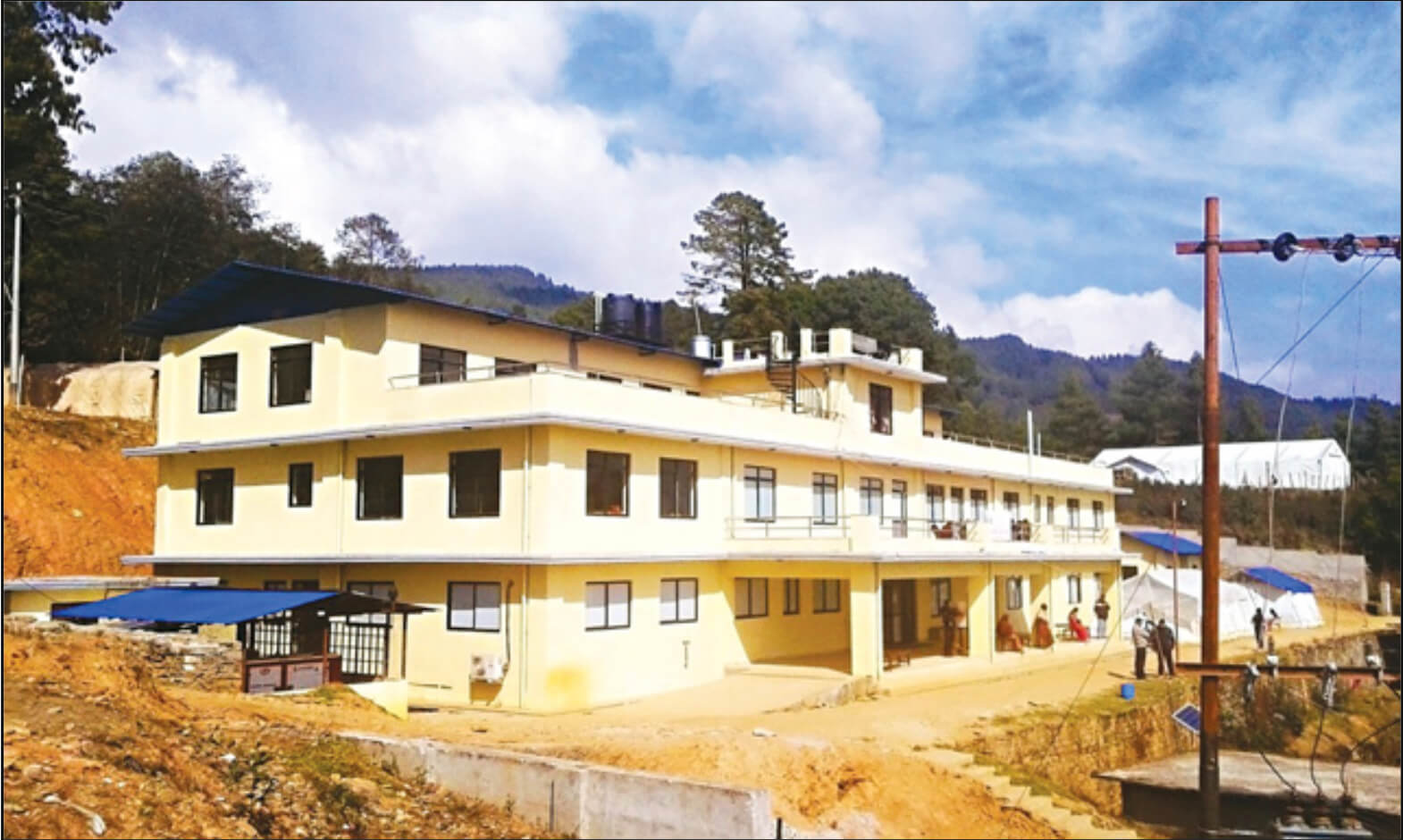
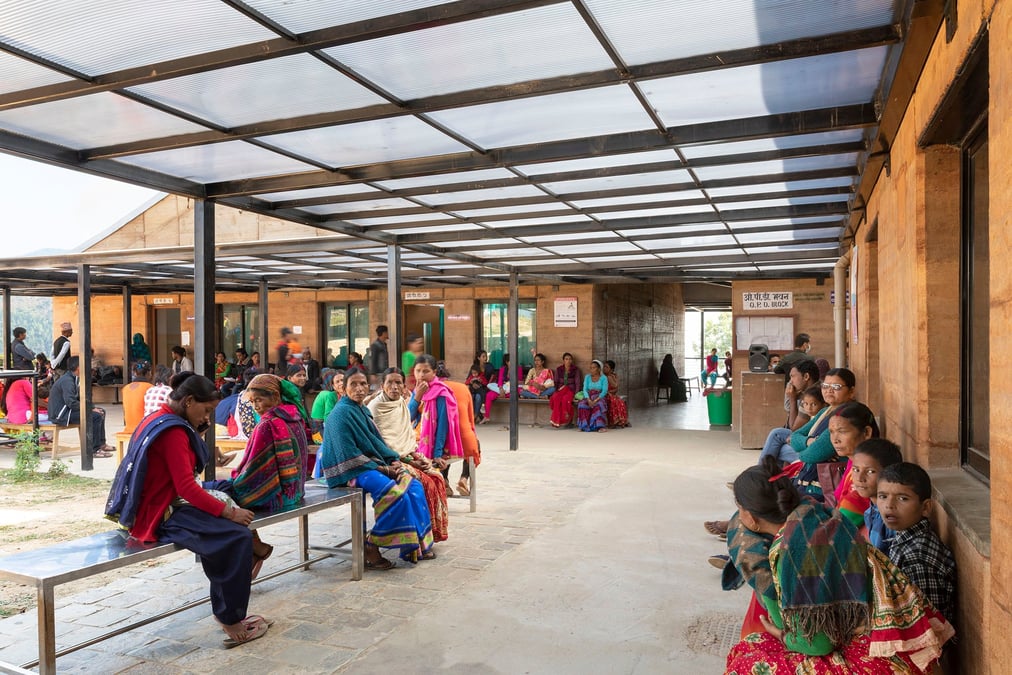
Through public ownership and non-profit management, Bayalpata Hospital in Achham and Charikot Hospital in Dolakha strengthened service delivery, supply chains, health workforce management, and digital health systems, while keeping all services free at the point of care.
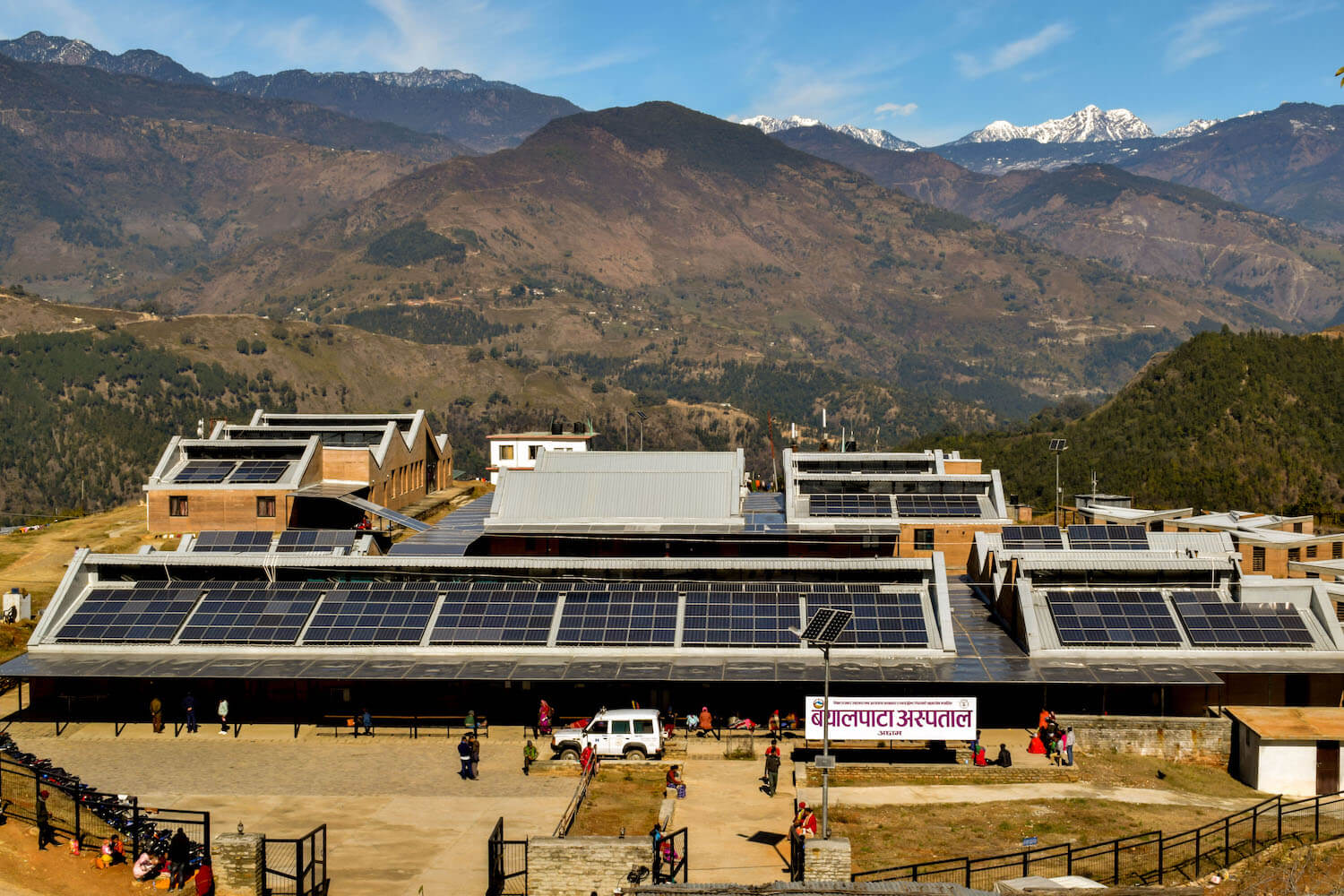
NHN managed Charikot from 2016-2020 and handed it over to Bagmati Province, and Bayalpata was handed over to Sudurpachim after 17 years in August 2025.
These partnerships reduced out-of-pocket spending, improved trust in public facilities, and directly addressed financial concerns of citizens. The WHO–World Bank Global Monitoring Report emphasised that universal health coverage requires strengthening primary health care, providing free services at the point of care, and protecting families from financial hardship.
Public–nonprofit partnerships like NHN and others in Nepal provide a model to directly address these challenges. By improving access to quality care, supporting local health workers, and keeping services free, these partnerships help reduce health costs for families, build trust in local health facilities, and narrow the gap between rural and urban health services, turning policy commitments into real improvements for communities.