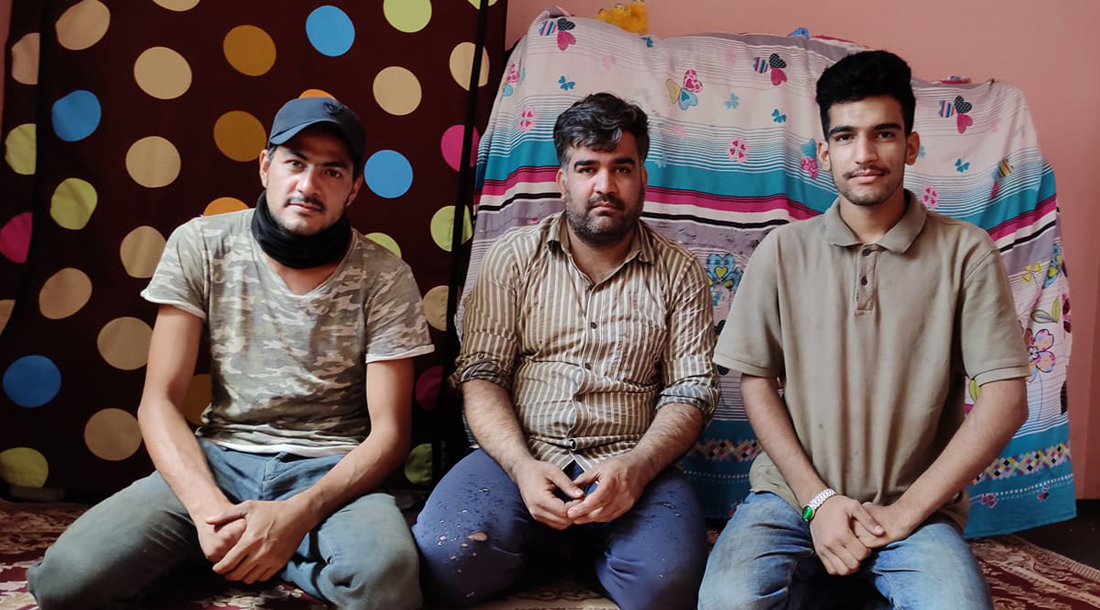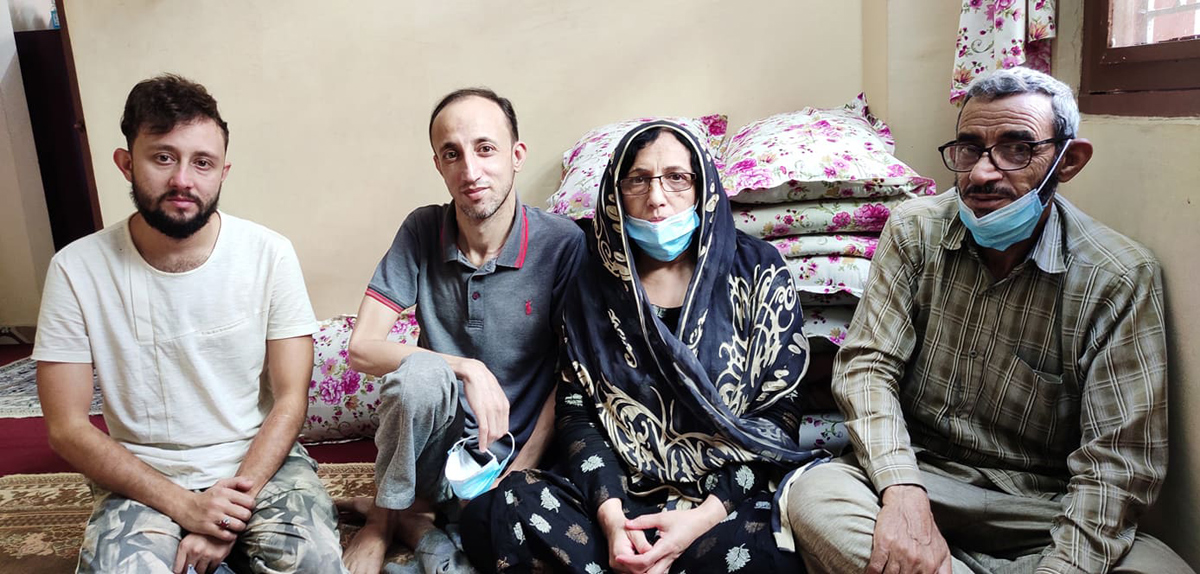
Ever since the most recent Taliban takeover in Afghanistan, they had been fleeing Kandahar and Kabul to Kathmandu in the hope of third-country asylum.
They have been waiting in limbo for years, and have been watching the shocking images from Kabul airport of their compatriots trying to escape the Taliban. This has dashed their hopes of ever returning to their homeland, but raised the prospect of a speedier asylum process.
Humayun Shahzad, an Afghan refugee living in Kathmandu, has not been able to sleep ever since the Taliban began their rapid advance across Afghanistan last month that led to the collapse of the Afghan government.
“I have been watching what is happening in Afghanistan, and thinking about our friends and family still there,” says Shahzad, who has been spending sleepless nights ever since the Taliban’s rapid takeover and the collapse of the Afghan government.
“On the one hand, I have had to constantly think about how I will manage to support my family without a job here in Nepal, on the other there is also the worry about what the Taliban will do to my country,” Shahzad adds.
Like dozens of other Afghan families languishing in Kathmandu, Shahzad fled first to India and then came to Kathmandu, hoping it would be easier to apply for asylum here.
Taliban forces had vastly weakened in the first six years after the US-occupied Afghanistan. However, the militants then began to tighten their stranglehold in and around rural Afghanan, leaving many with the choice of either following along, or escaping their harsh rule.
Shahzad was operating a successful photography business in Grishk district in Afghanistan’s Helmand province, and chose the latter. He took his family and flew to Delhi, and then to Kathmandu in 2014.
C R Ahmed had never imagined that he would one day have to flee the country that he had been born and raised in. He owned a thriving gold shop in Kandahar, and lived happily with his family through all the years of Soviet occupation, the mujahideen war, the American bombings. But when the Taliban took over for the first time more than two decades ago, he left.
"The Taliban ruined Afghanistan,” says Ahmed. “They will ruin it again.”
The Taliban grew out of the US-backed mujahideen fighters who drove out the Soviet military in the 1990s. They became radicalised after coming to power, and were finally banished to the fringes after the US occupied Afghanistan in 2001 following the 11 September attacks — exactly 20 years this week.
The Americans retaliated against al Qaeda bases in Afghanistan, and initiated a state-building process with elections and governments that they backed. But corruption and mismanagement allowed the Taliban to regroup, conduct horrendous terrorist attacks against civilians and inflict heavy casualties on US and NATO forces.
The West finally lost its will to fight, and US forces abruptly left Afghanistan, allowing the Taliban to take rapid control. Provincial capitals fell one by one, as Afghan forces either surrendered or were routed.
The whole of August, the world witnessed heart-wrenching scenes of thousands of Afghans flocking to Hamid Karzai International Airport in Kabul, clinging to the undercarriage of aircrafts in an attempt to flee the return of the Taliban.
At the time of their departure, American and coalition forces had evacuated more than 122,000 of their nationals, diplomats, and Afghan allies from Kabul. But not everyone made it out when the last US Air Force C-17 flew out on 31 August.
The Afghan refugees in Nepal left long before the recent upheavals, but say they escaped because they knew what was coming if the Taliban took over.
Zubair Ahmed recalls the Taliban’s oppressive regime making it impossible for Afghans to continue to live in the country of their birth.
"Many of us Afghans wanted to educate our children, especially our daughters, and see them go on to become doctors and professionals, but the Taliban would not allow it,” says Zubair Ahmed. “And women were not allowed to leave the house. We saw what the Taliban did 20 years ago, we know what they are capable of.”