
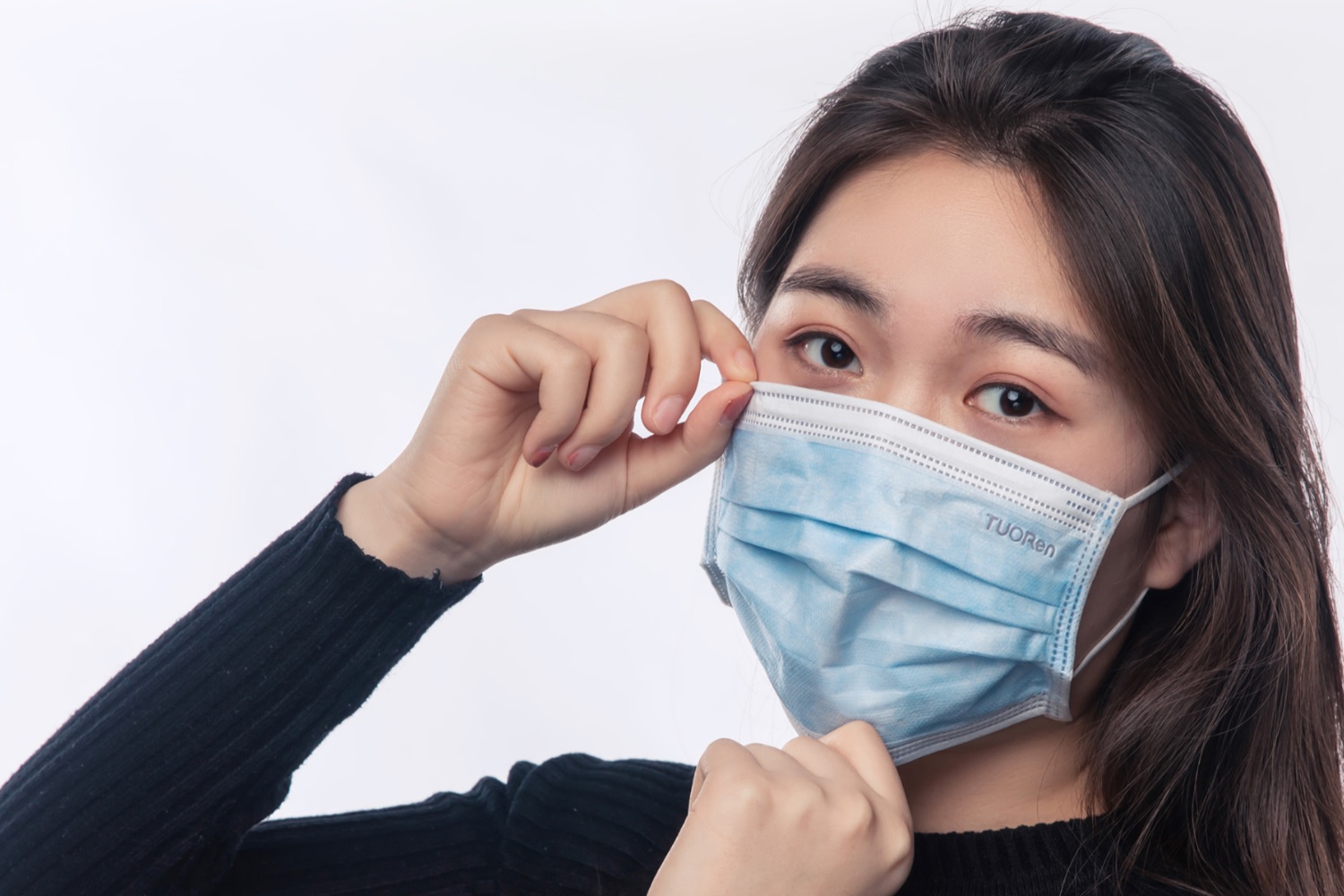
Nepal will open its 2021 lockdown long before the country has enough vaccines to protect its citizens -- our aunts, uncles, and neighbours. We will not have substantial vaccine coverage for many months, if not longer.
We will need more oxygen, more testing, and better tracking and isolation procedures. Crucially, we will also have to maintain and strengthen our only effective tools: physical distancing and masks.
Unfortunately, too many Nepalis are wearing low-quality masks, taking them off too often, touching them, and not washing them or replacing them often enough. More people should be wearing three-layer surgical masks, which, for only a few more rupees, offer greater protective power.
The key problem Nepal faces has not changed: infected people do not know they have the virus and spread it around. And new variants make the virus even more easily transmissible. We need to behave not as if only a small number of people could have the virus, but as if everyone we encounter already has it. That includes the friendly neighbourhood fruit seller. That includes family members. That includes you.
“Vaccinations will take a long time to arrive in South Asia to create a wall of immunity. Till then, masks are most essential,” says Mushfiq Mobarak, a Yale university professor who recently led a huge study of mask-wearing in Bangladesh.
Many Nepalis wear cloth masks or one-layer surgical masks. These help, no question. But the 3-layer surgical masks and N95s offer more filtration efficiency and more protection, although they cost just a few rupees more. That is an investment well worth it to protect individuals, institutions, and governments.
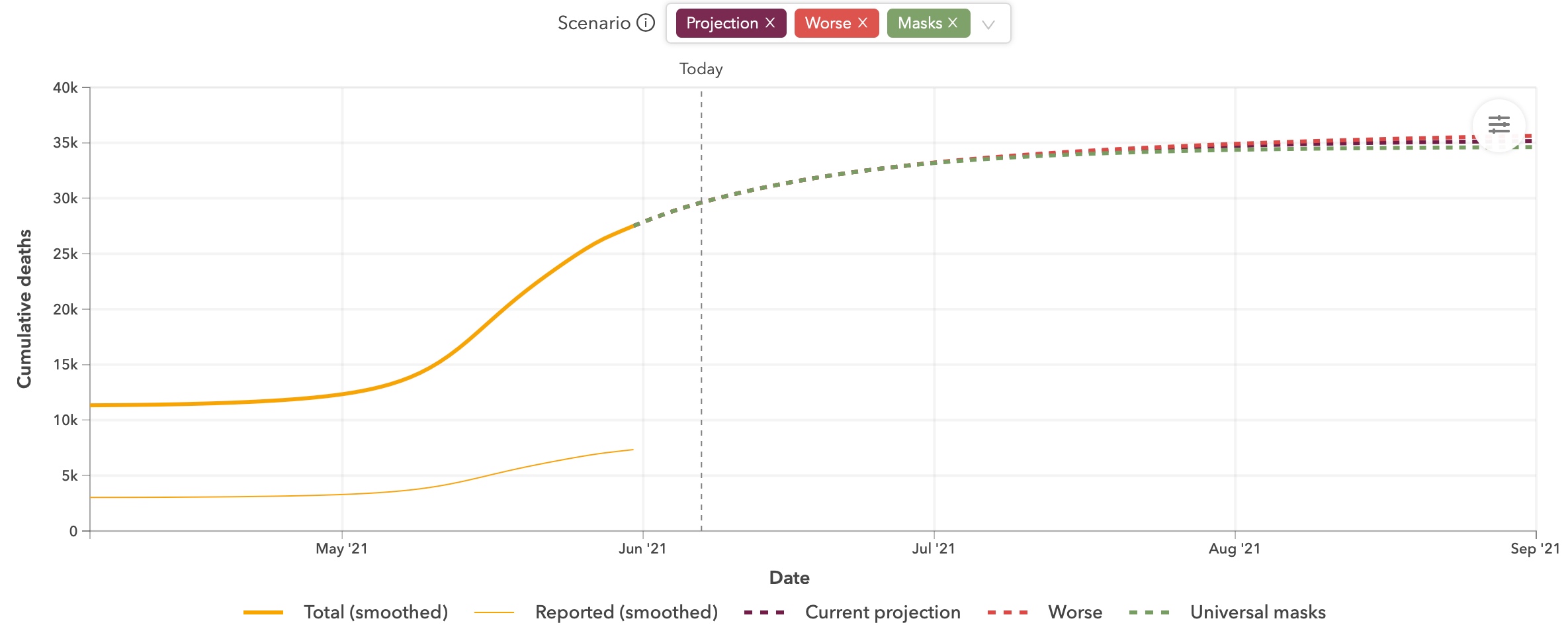
I asked Biraj Vajracharya, an epidemiologist at Dhulikhel hospital, what kind of mask people should be buying and wearing. "Surgical mask, or if possible, N95 mask," he replied.
The Yale researchers recommend high quality 3-layer masks because they filter more efficiently. They can be washed and reused without losing much efficiency. For more on the study's recommendations about masks, see this excellent
."We need to change mask-wearing norms amongst hundreds of millions of South Asians to mitigate the spread of COVID," Mushfiq Mobarak told me via email. "High-quality washable, reusable surgical masks are much more cost-effective, and offer a feasible path to scalability across the region."
The Yale study in Bangladesh, involving over 300,000 people in 600 villages, identified simple policies that led to much greater mask wearing. They found that when authorities do four things together, mask wearing more than tripled: