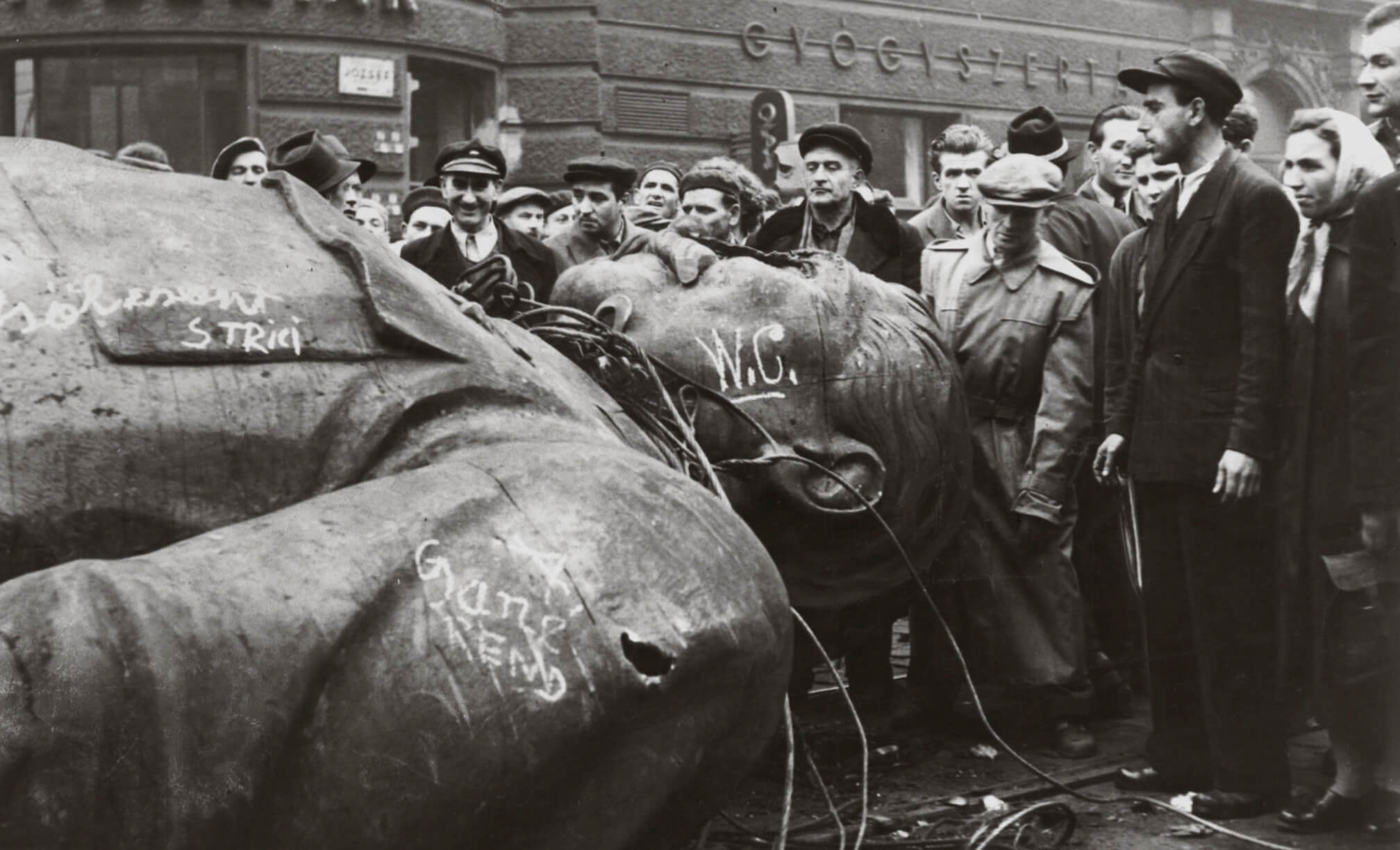
For thousands of years, adulatory statues have been installed and, at one time or another, defaced or removed. Even since the early 1900s, statues in Russia, France, Hungary, Greenland, Canada, Brazil, South Africa, Mongolia and other countries, have been either toppled by protesters or dismantled by government edict.
We are consumed by statues as they are visibly symbolic reference points. But were we to seriously research the background of those represented in the statues, many of us may be surprised.
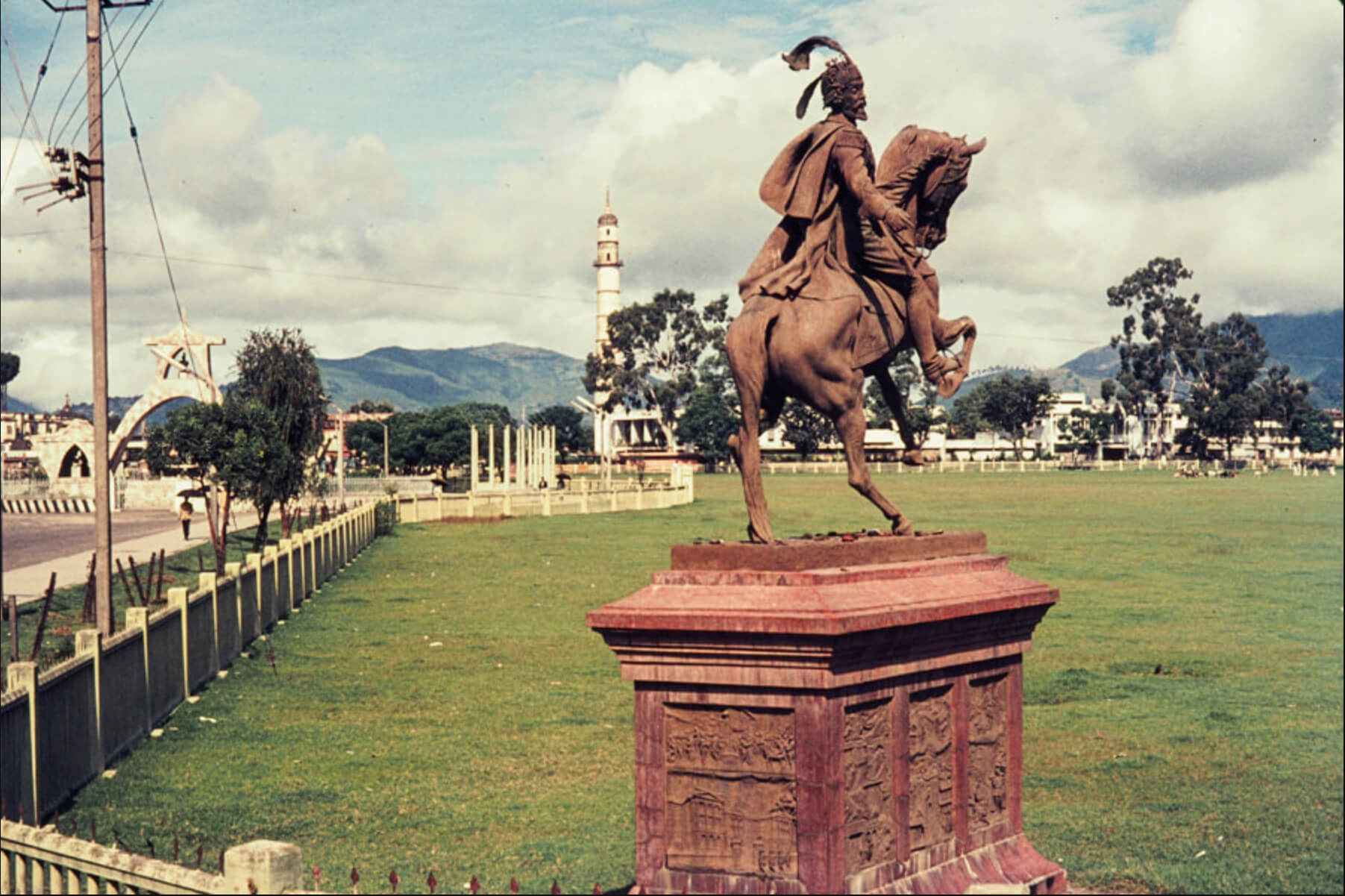
The births of many modern nations had been initiated by the arrival of ‘western’ interlopers. Nepal’s founding monarch Prithvi Narayan Shah is said to have quipped that they brought bazaar (trade), bible (religion) and banduk (guns to motivate obedience), leaving an undoubtedly confounding legacy. His statue at Singha Darbar intersection, with an index finger symbolising unity, was nearly toppled in 2006.
It would be difficult to find a name or representation of one from any culture whom we could comfortably absolve of atrocities. Thus, unless one prefers statues of only Mother Theresa, Chief Dan George, Albert Einstein, Greta Thunberg or Gandhi (though even that has been disfigured in London recently) almost any other historical statue will inevitably be of people who have had binary actions and effects (think Genghis Khan, Mao Zedong, Simon Bolivar, Kwame Nkrumah, and even Nobel laureates like Mandela and Aung San Suu Kyi).
Many of the memorials erected have been for multipolar, compartmentalised characters with a record of welcome changes for some, but blood on their hands for others. One who helped liberate a country only to then abet massive programs of executions and famine to bring people to accept a ‘utopian reform’ (Lenin and Mongolia).
Another, intimately involved in liberating a continent while simultaneously allowing a famine to overtake millions on another continent (Churchill and Europe, and India). And the righteous ones with contradictory legacies in surreptitiously saving multiple thousands of persecuted citizens while simultaneously supporting the vile regime’s bureaucracy.
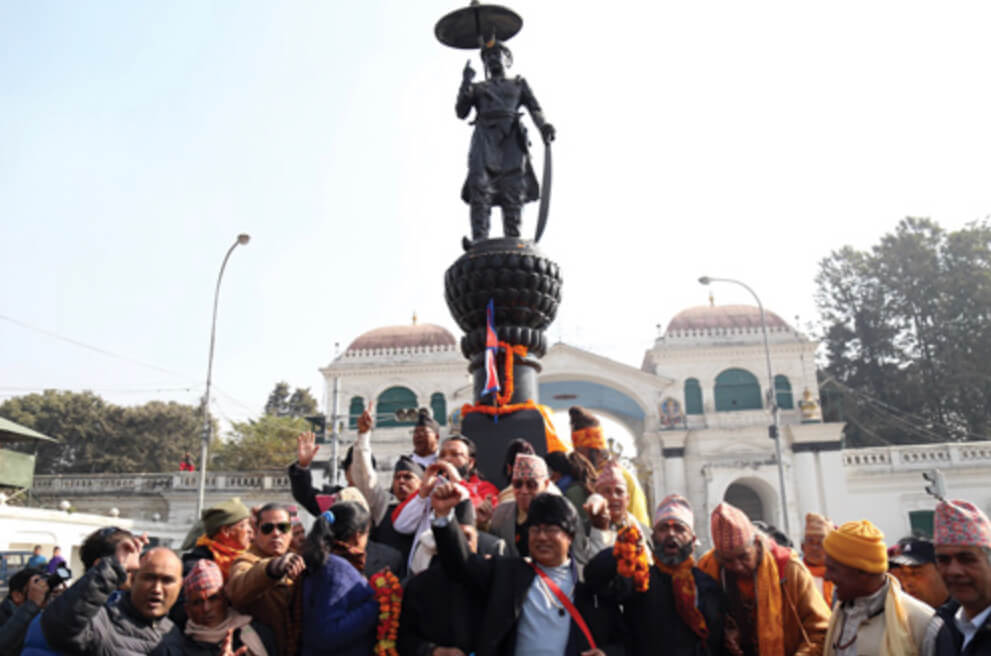
Spurred by the Black Lives Matter movement, demonstrations, protest marches and various forms of damaging and destroying statues have spread across the world.
Collectively, we accept many aspects of dissatisfaction, because much of it is too obscure or wickedly complicated to pursue by all, but those dedicated to extensive research and pursuit of solutions.
Focus therefore shifts to visible, physical representations of systemic weaknesses, especially during increased societal tension. Each concrete symbol then demolished energises those wishing to similarly act. Yet, statues are not the only simulacra of histories forgotten or revived.
Around the world, roads, canals and railroads have been built wholly or partially through slave or indentured labour. Yet, we continue to tour on them without a thought. Historical ruins, palaces and temples have been constructed with bonded labourers, thousands of whom have perished in the process. Yet, we travel great distances to behold and marvel at the beauty of such structures, few of which have any signs of contriteness.
Fashionable clothing is fabricated in sweatshops by poor underpaid women and children in hazardous environments. Yet we, whilst browsing on Robsonstrasse, remain oblivious to this. Why do these not elicit the same fervor for change as statues?
I am not judging the correctness of attacking statues. No person who has used offensive language, communicated negatively about or expressed hatred of particular peoples, caused misery, famine, death and destruction deserves a podium.
Then there were those who did unforgivable things from which, in the end, they personally profited. It is reasonable to assume that their decisions were calculated with knowledge of the consequences: Adolf Hitler, Joseph Stalin, Pol Pot, Enver Hoxha ... the more infamous of the most egregious tyrants.
Targets for mass killings and enslavement included those who were indigenous, or from a different religious, ethnic, racial, economic or political group. So, for those enmeshed in the purposeful planning, commitment and/or oversight of major atrocities, I have no sympathy. Yet many in between, such as Castro, Kagame and MBS, have been implicated in contradictory liabilities.