
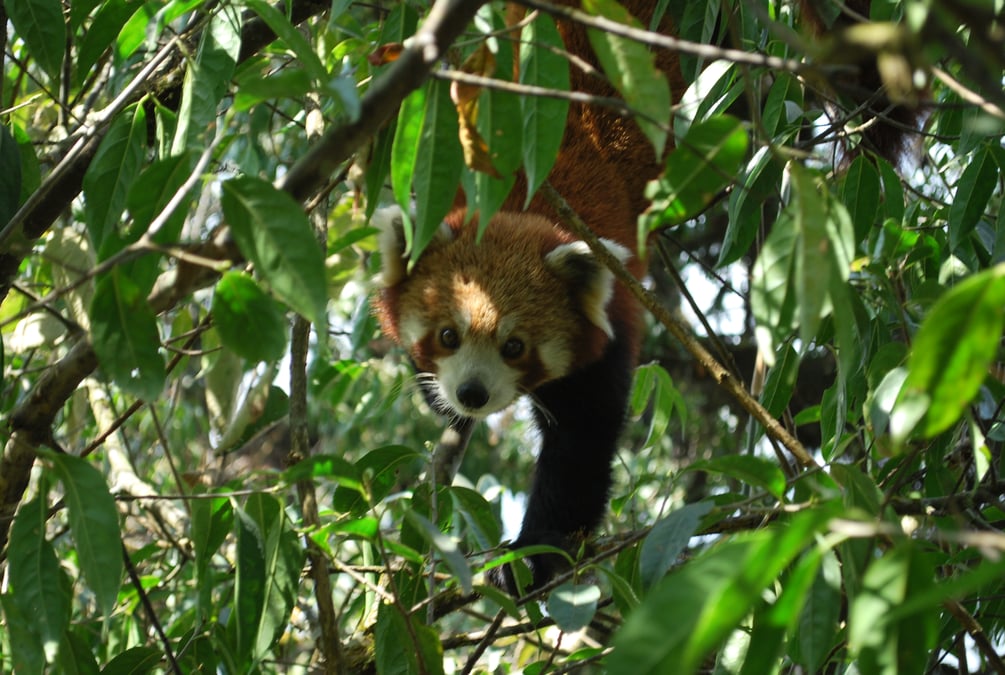
Which panda came first: the Giant Panda in China or the Red Panda in Nepal?
Although the Giant Panda is better known worldwide, the Red Panda was first described by Western scientists in 1825 and given the scientific name Ailurus fulgens. It took another 50 years for the Giant Panda to be scientifically classified even though it is now the celebrity mammal in zoos across the world.
After DNA analysis concluded that the giant panda was actually from the Ursidae bear family, scientists found out that the red panda belonged to a unique taxonomical family called Ailuridae, closer to raccoons and squirrels.
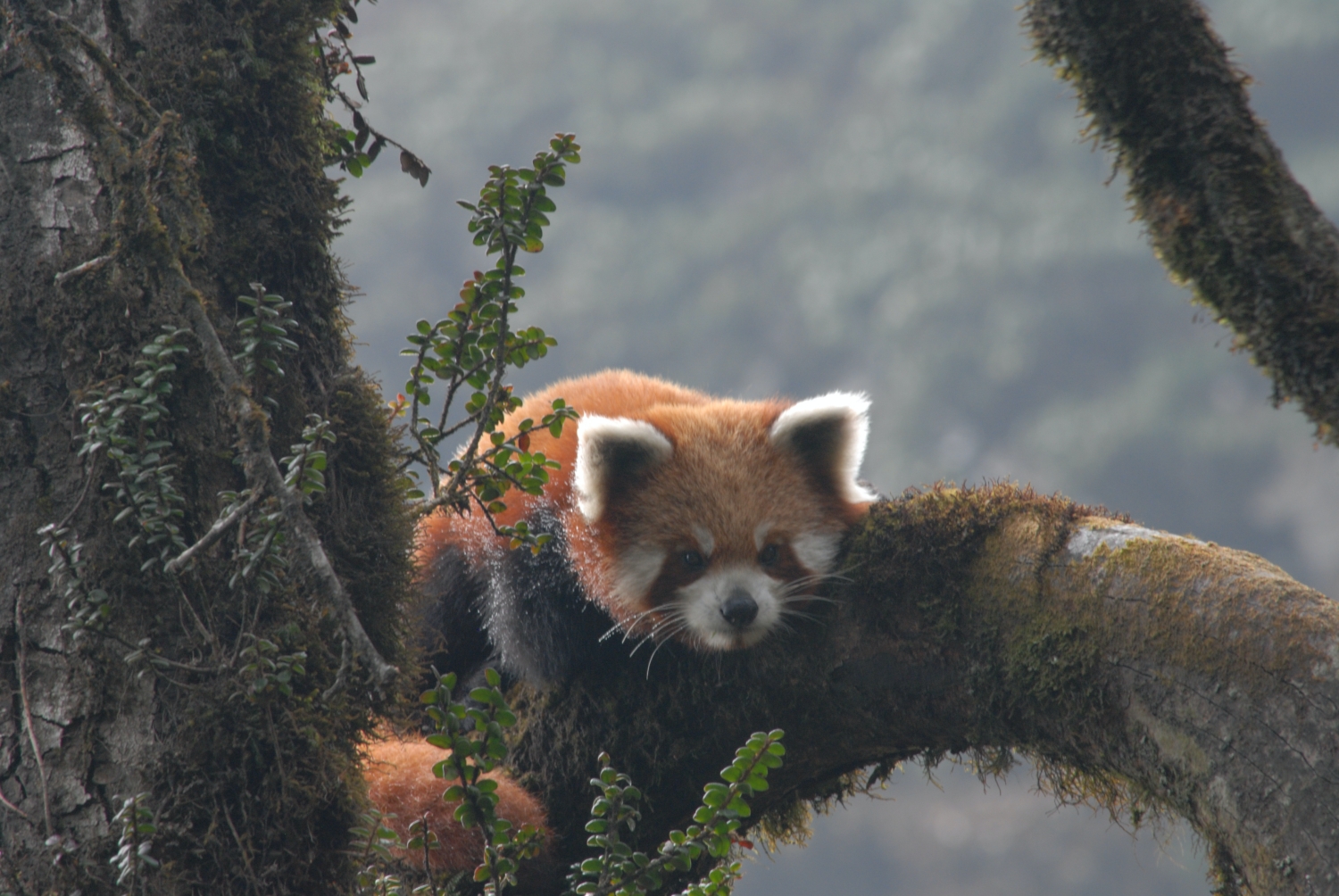
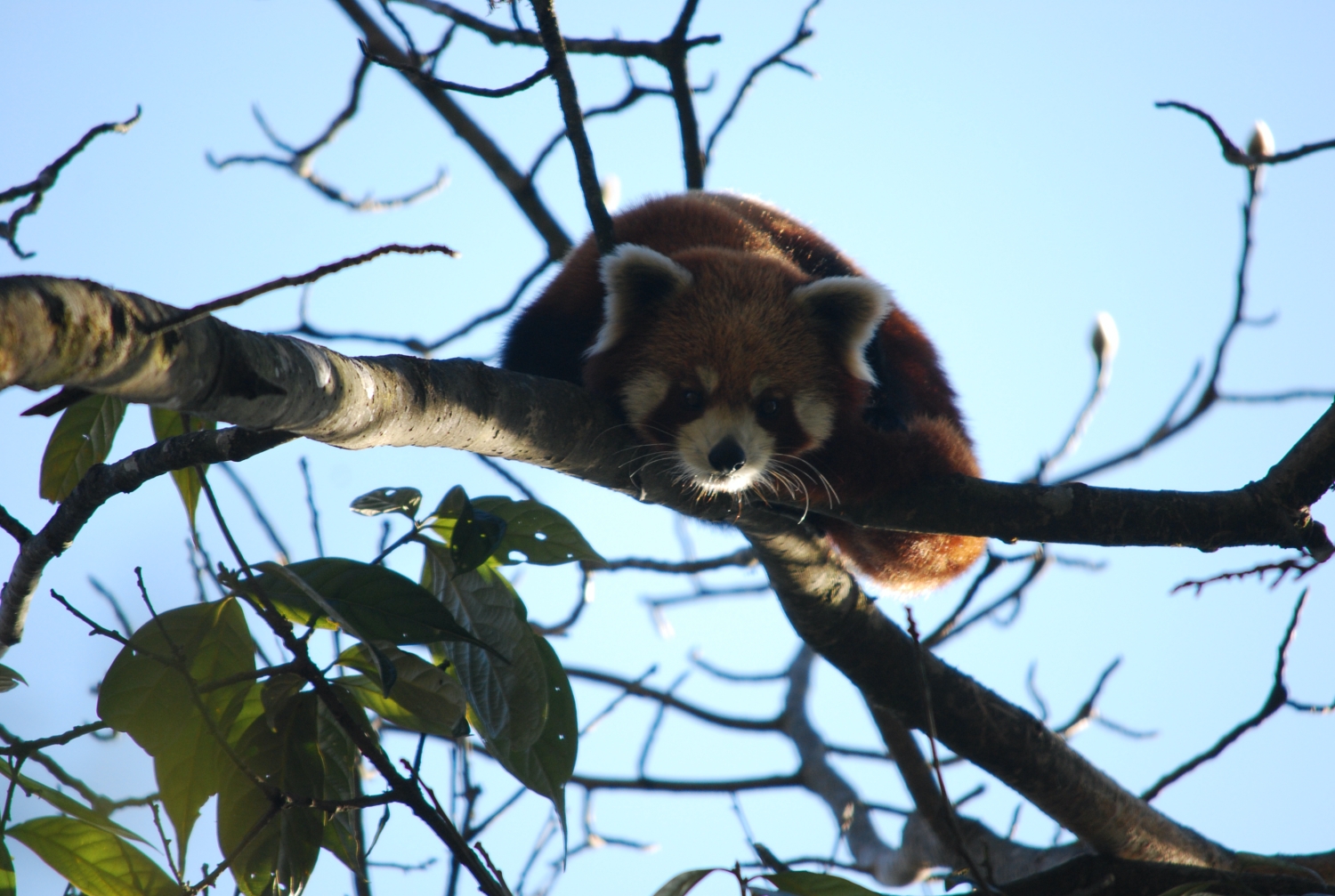
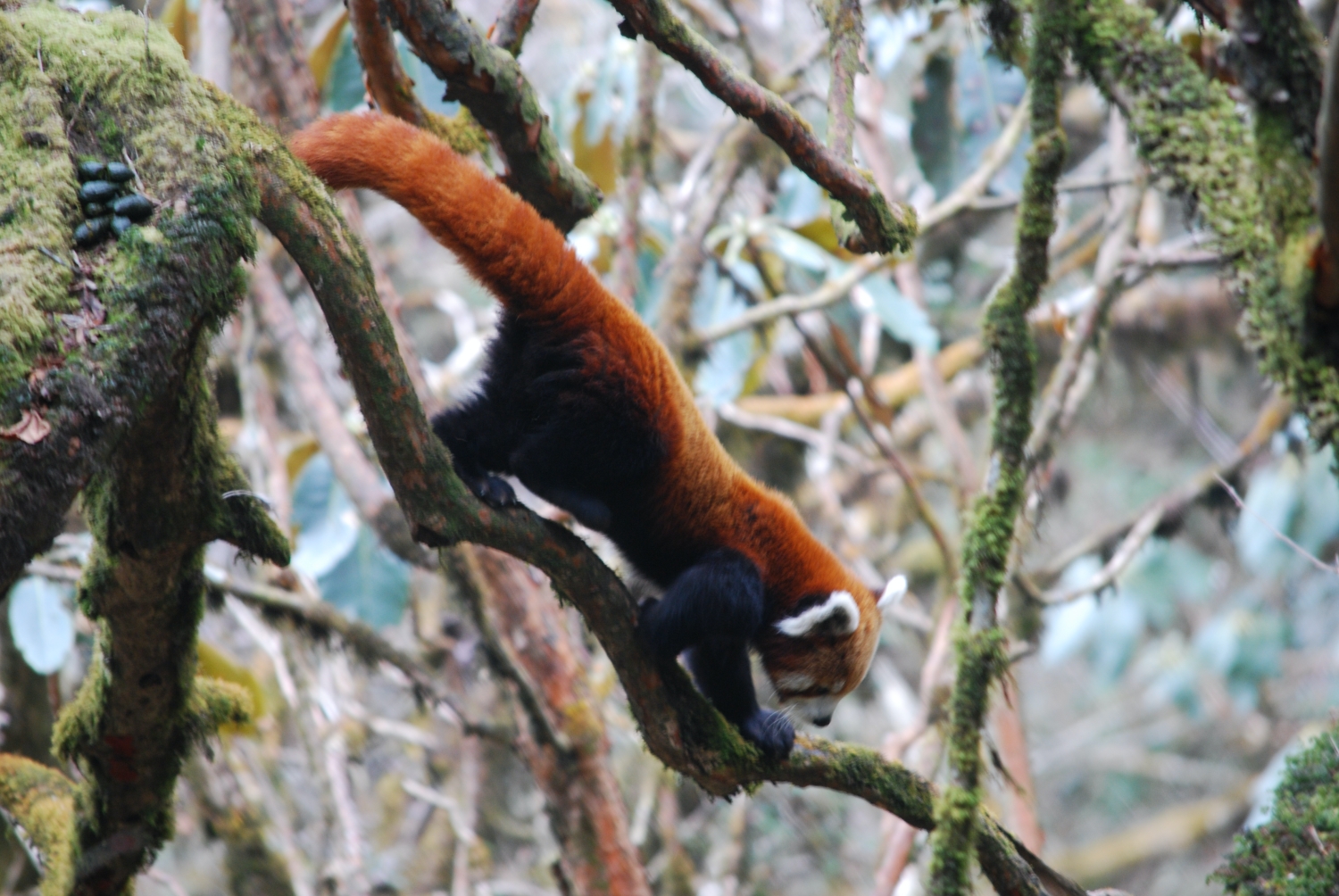
The name ‘panda’ is actually derived from words in a dialect in eastern Nepal ‘nigalya panja’ which means ‘bamboo paw’. Although scientists have studied this shy and elusive mammal for 200 years, very little is still known about its habits and habitat on the forest canopy.
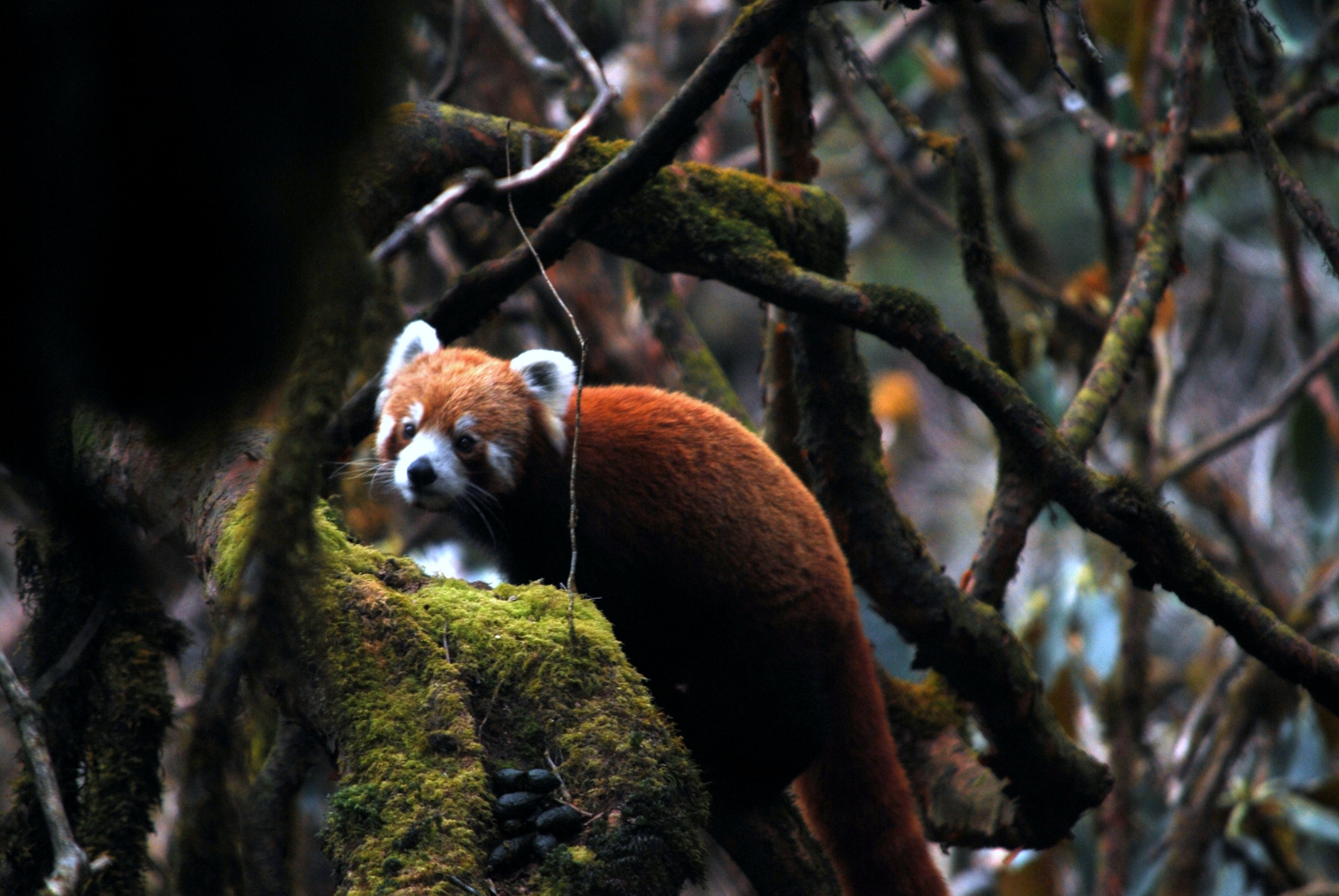
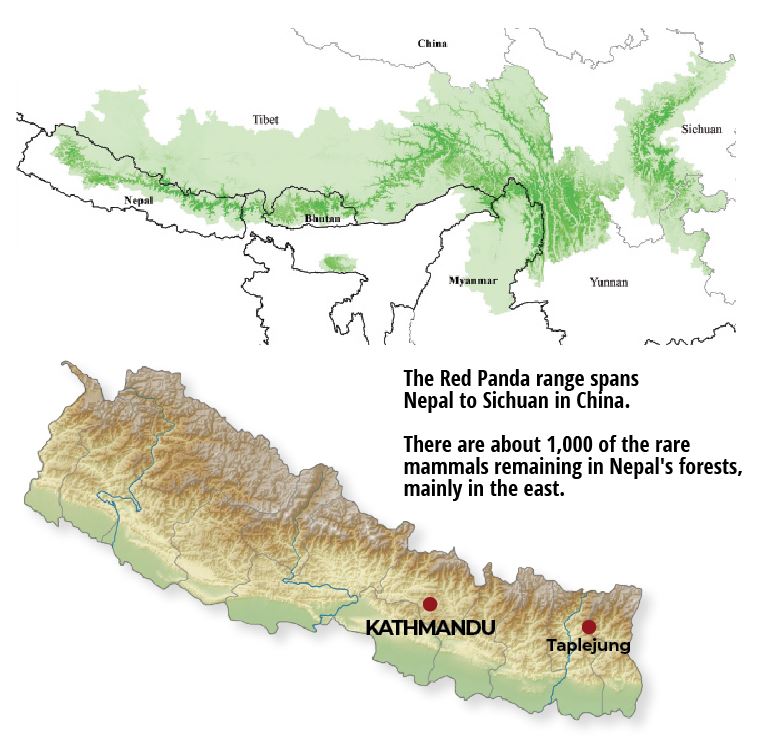
There are said to be only about 1,000 red pandas in Nepal, most of them in the lush cloud forests of eastern Nepal where the thin bamboo called nigalo grows in an altitude belt between 2,400m-3,900m. Although the panda is a carnivore, its favourite snack is bamboo shoots.
Nepali scientists are making progress studying the behaviour of the red panda from a research centre in Taplejung. The findings are important because the mammal is an indicator species that points to the health of the forest ecosystem where it lives.
“Nepal has been successful in receiving global funding but there is a need for a more systematic research method,” says
Anusha Pahari of Red Panda Network, which organised an inaugural Red Panda Symposium 2026 in collaboration with Rotterdam Zoo, the International Union for Conservation of Nature (IUCN), and the AZA SAFE Red Panda Program earlier this month in Kathmandu.
Protecting the red panda means safeguarding the forest ecosystem on which the animal depends, and working with the communities where the animals roam.
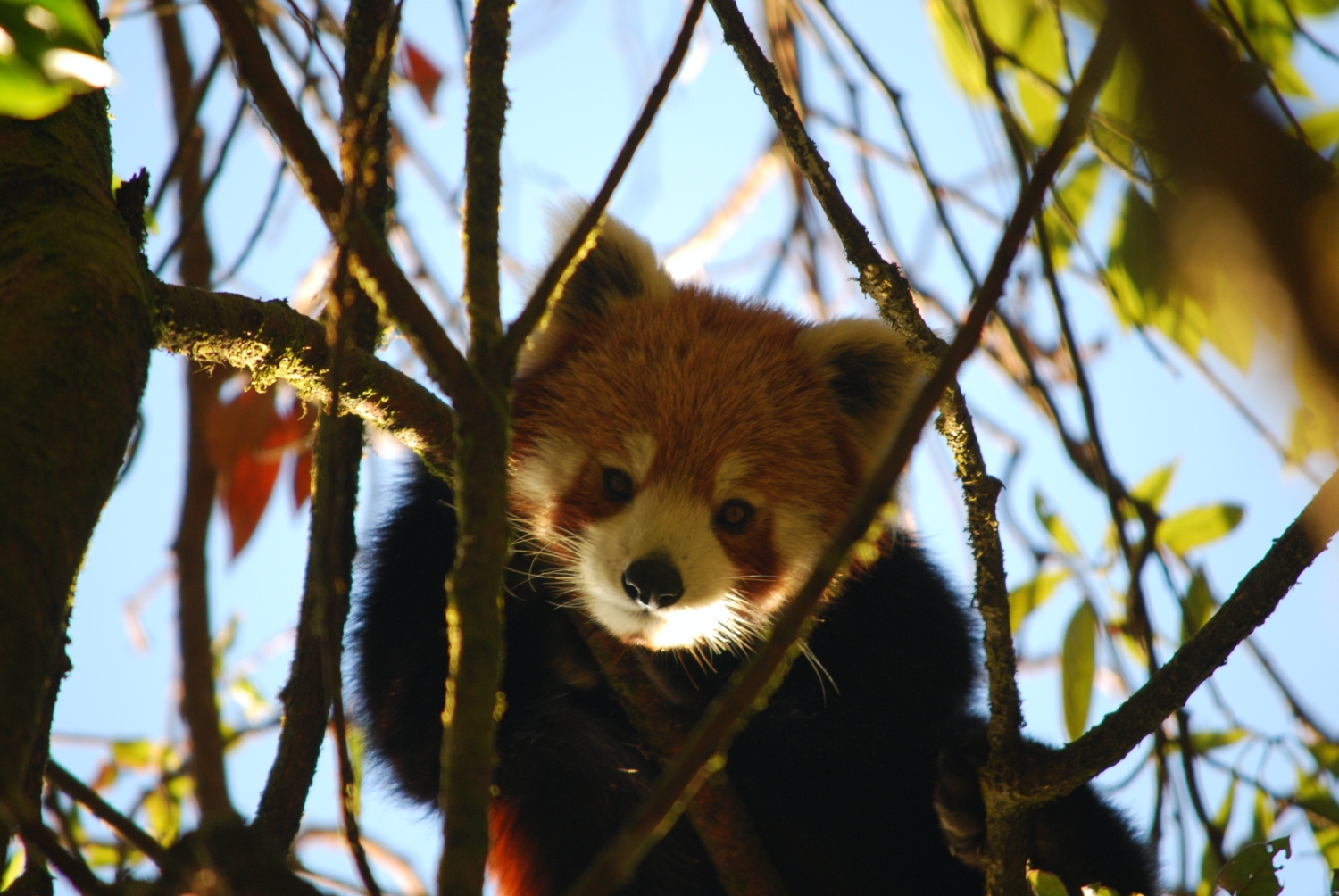
Besides habitat fragmentation and disturbance from new infrastructure, red pandas are also poached and traded for their fur. Disease adds another threat.
Conservationists at the Kathmandu symposium emphasised that protecting the animal means addressing these pressures together, rather than treating forest loss, wildlife trade, and disease as separate problems.
“Fragmented habitats is a major threat for red pandas, and there is an urgent need to identify potential corridors and increase connectivity and water sources so that their population is not affected,” explains Damber Bista of Red Panda Network.
Funding for nature conservation work worldwide is shrinking, and this has also affected resources for research into red pandas. Experts say the challenge is not simply to launch conservation activities, but to keep them going and connect research with work on the ground.
Many rural households across the red panda range from Taplejung to Dolpo in Nepal depend on community forests for their livelihood. Conservation must therefore extend beyond protected areas into landscapes shared by people and wildlife.
“Habitat fragmentation could affect the genetic diversity of
red pandas, and this means we have to be extra careful that human-induced activities do not affect them,” says Pahari.
Another threat for red pandas is from feral dogs which can transmit rabies, and conservation activity has included vaccinating over 10,000 free-ranging community dogs in rural Nepal.
CHARISMATIC SPECIES
Estimates for the red panda population in Nepal have varied widely, researchers have analysed faecal samples to estimate the population which has increased over the years to about 1,000 after the animals were also found in Bhojpur, and as far west as Dolpo. Scientists have also catalogued 72 bamboo species which the pandas eat.
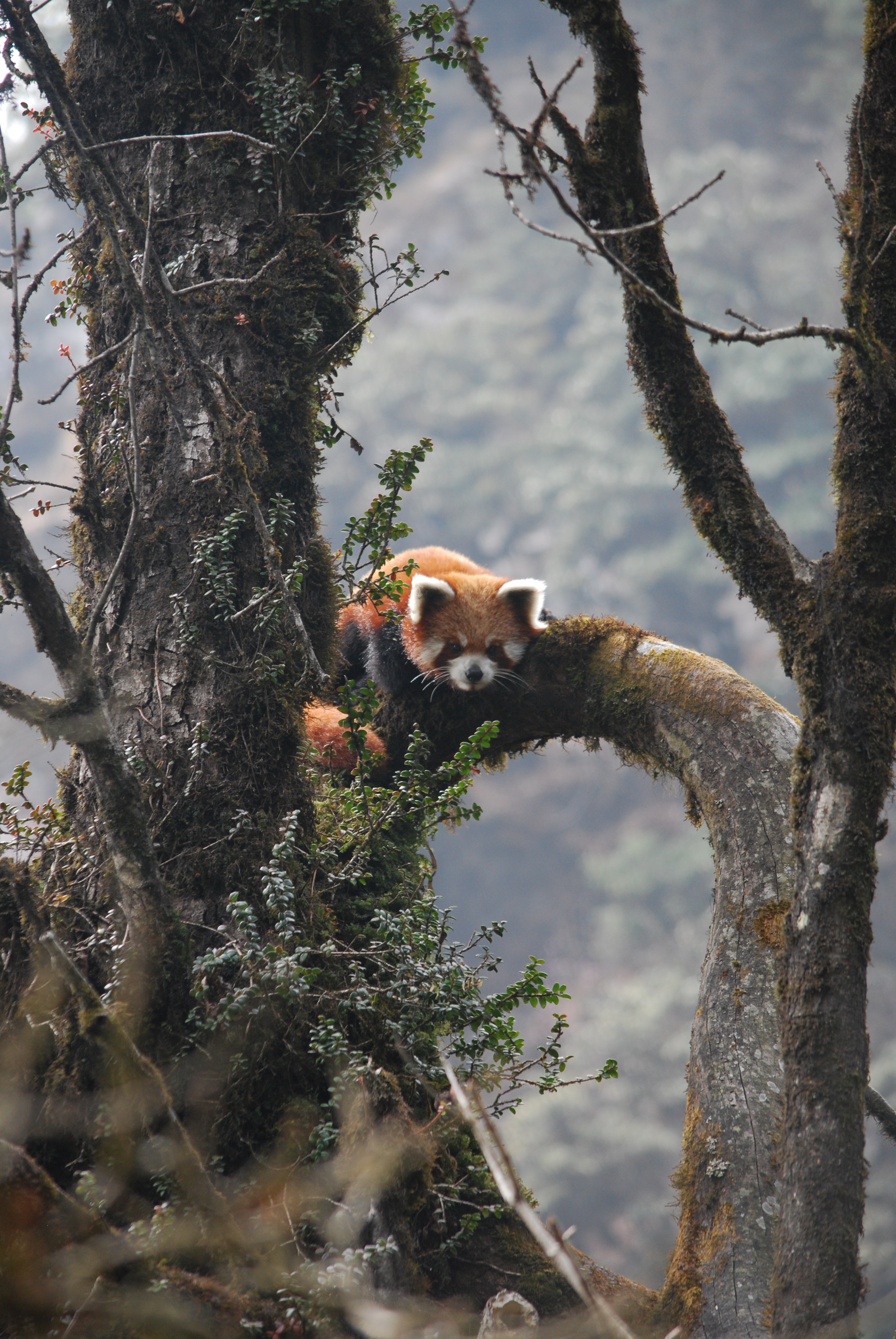
Research gaps remain, however, especially in western Nepal. There is also limited awareness of the animal’s conservation needs. The range of population estimates highlights why a clearer picture matters. Surveys help establish where red pandas live, and spread awareness beyond them just being a charismatic species.
“There is growing awareness for wildlife conservation, but most of it goes to saving larger species like tigers and wild elephants, overshadowing small mammals such as the red panda,” says Pahari.
For communities living alongside red pandas, conservation starts in the forests that sustain their livelihoods and shelter wildlife. Ecotourism and habitat restoration offer ways to connect protection with local livelihoods, giving communities a stake in the animal’s future.
“Close engagement with the community is vital for awareness and conservation, not just for red pandas but nature conservation overall. Local stewardship is the only way in Nepal where people live in close proximity to wildlife,” says Nishan KC from WWF Nepal, which also works in cross-border collaboration since the red panda habitat spans Nepal to India and China.
The red panda’s future is tied to the forests and to the people who depend on them. Giving communities the knowledge and resources to protect that shared home is essential to helping people and red pandas coexist.
Says KC: “Whether it is patrolling for poaching control or any other awareness effort, conservation is something that should happen continuously, it cannot stop.”