The best barometer for public opinion in any new city is the local taxi-driver. Opinionated, blunt and matter-of-fact, they have the ears on the ground more than most high-profile political analysts.
On the long trip from the airport to the Delhi suburb of Noida this week, the taxi driver was determined to make Narendra Modi win (“Hum to Modijiko hi jitayenge) in India’s general elections to be held in seven phases from 11-19 April.
Under Modi, the streets were cleaner, the roads better, he said, adding that he had 24-hour water supply and the quality of government schools had improved.
But didn’t Modi’s demonetising of high denomination notes create a crisis? Yes, but the hardships were justifiable because it was designed to flush out black money, he said. Even so, the driver felt Arvind Kejriwal of the Aam Adami Party (AAP) would retain its rule in the Delhi region.
The summer heat is building up in India’s capital, and adding to it is the election fever. India still struggles with poverty, joblessness, farmer suicides, and intolerance, and Modi’s strategy appears to be to make Indians forget about these problems and reap patriotic mileage from the recent confrontation with Pakistan, and the test of an anti-satellite missile.
Read also:
India watching from Nepal, Rameshwar Bohara
A political pilgrim, Om Astha Rai
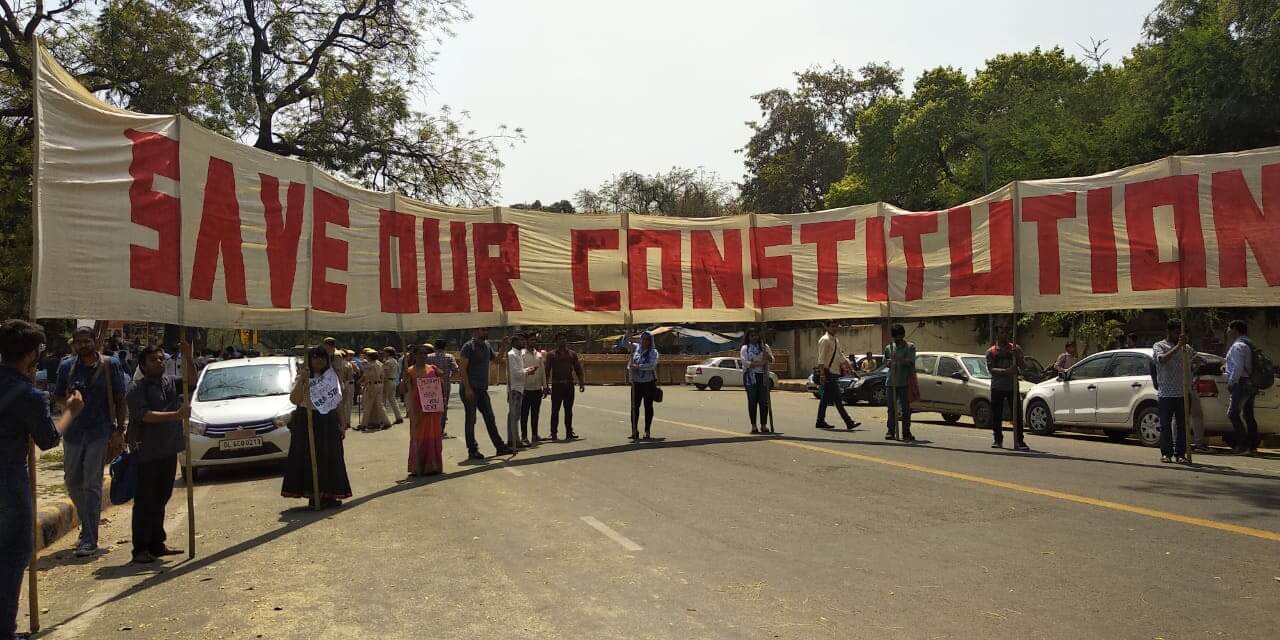
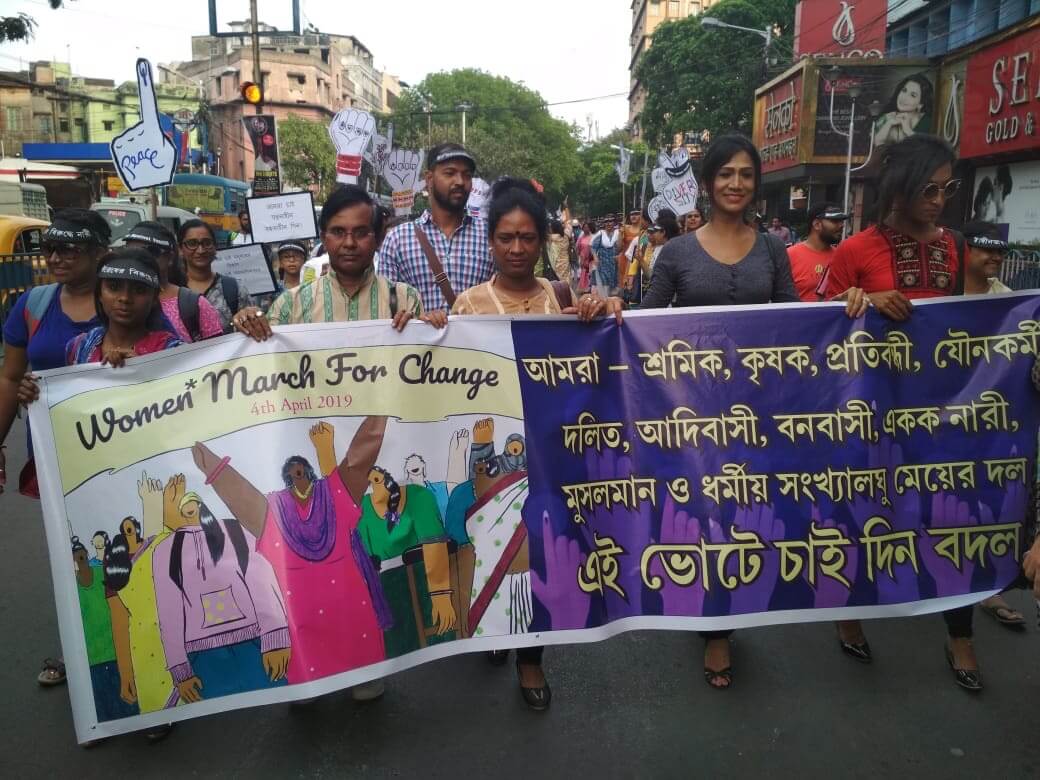
“People who tried to raise issues related to the discrimination of Dalits, the plight of farmers and women have been silenced,” says Delhi-based academic Jhanvi Andharia. The independent National Autonomous Women’s Movement of India has called for a Women’s March on 4 April to ‘Vote for a Change’ against caste and gender-based discrimination as well as hate speech.
Voices of dissent have been systematically silenced. Journalist Gauri Lankesh was killed last year, raising concern about the safety of whistle-blowers. Activists like Sudha Bhardwaj, Shoma Sen and many others have been imprisoned because they raised the issue of corruption. However, most liberal analysts themselves predicted that Narendra Modi was headed for a second term as prime minister.
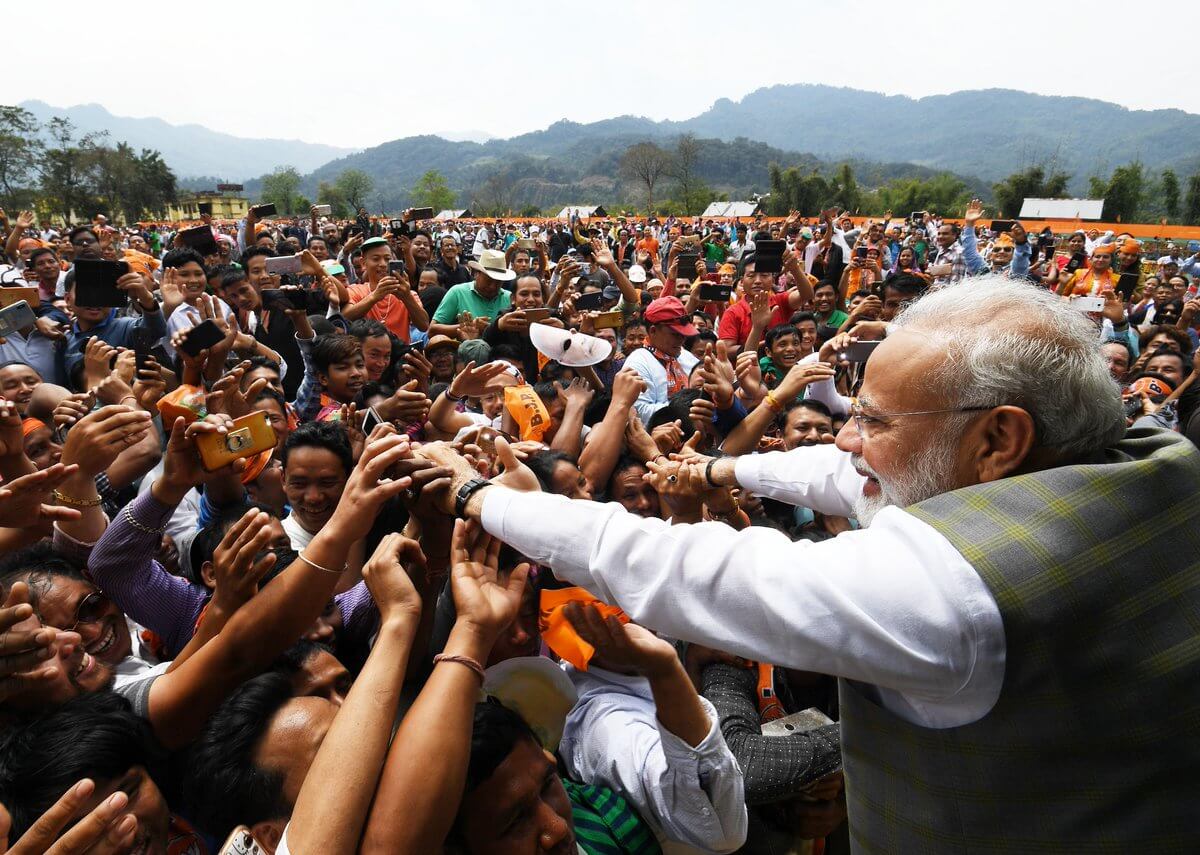
A woman at a photo framing business in Noida is disillusioned with the opposition Congress Party for letting corruption thrive, and lacking strong leadership. Modi’s strategy of identifying himself with the common Indian seems to be working.