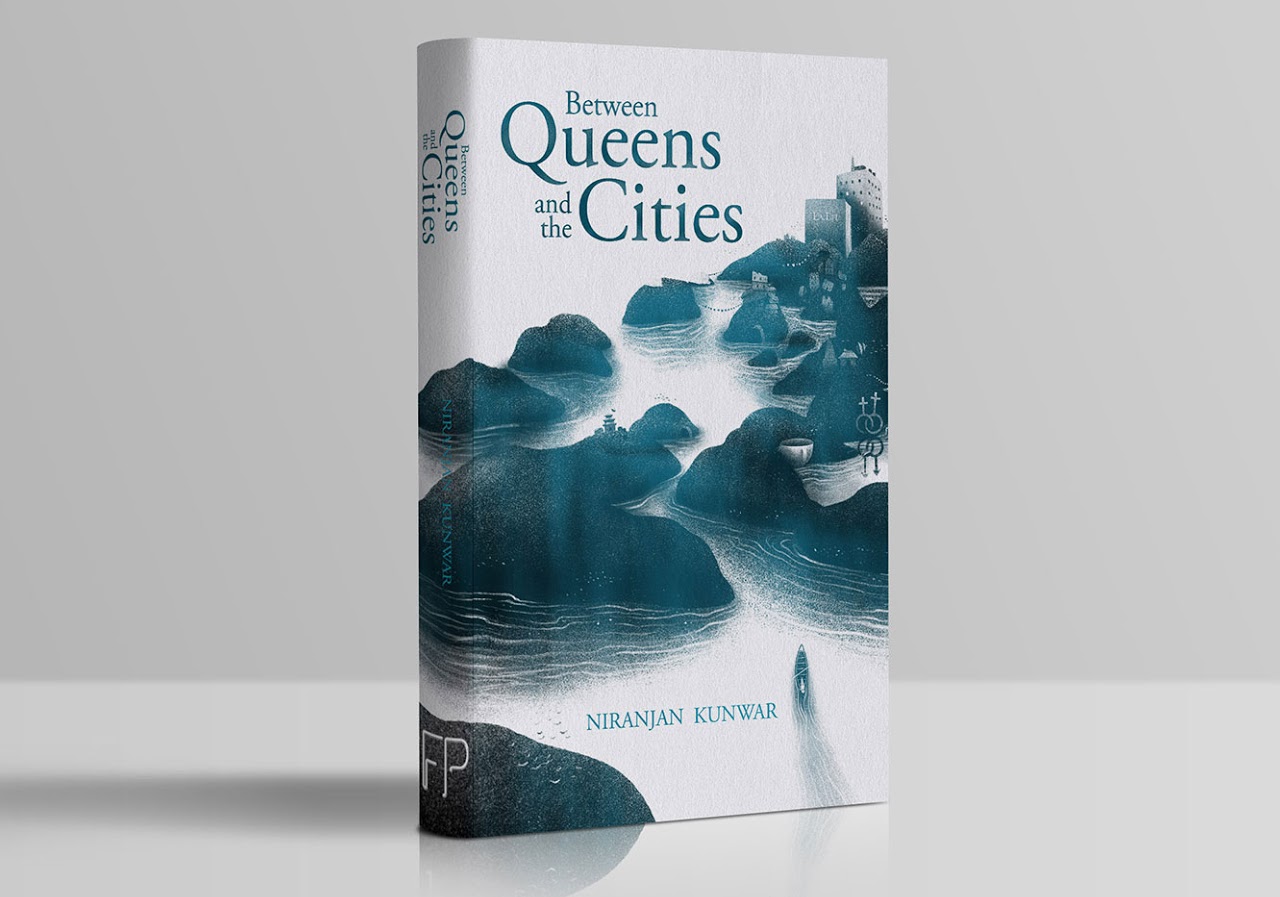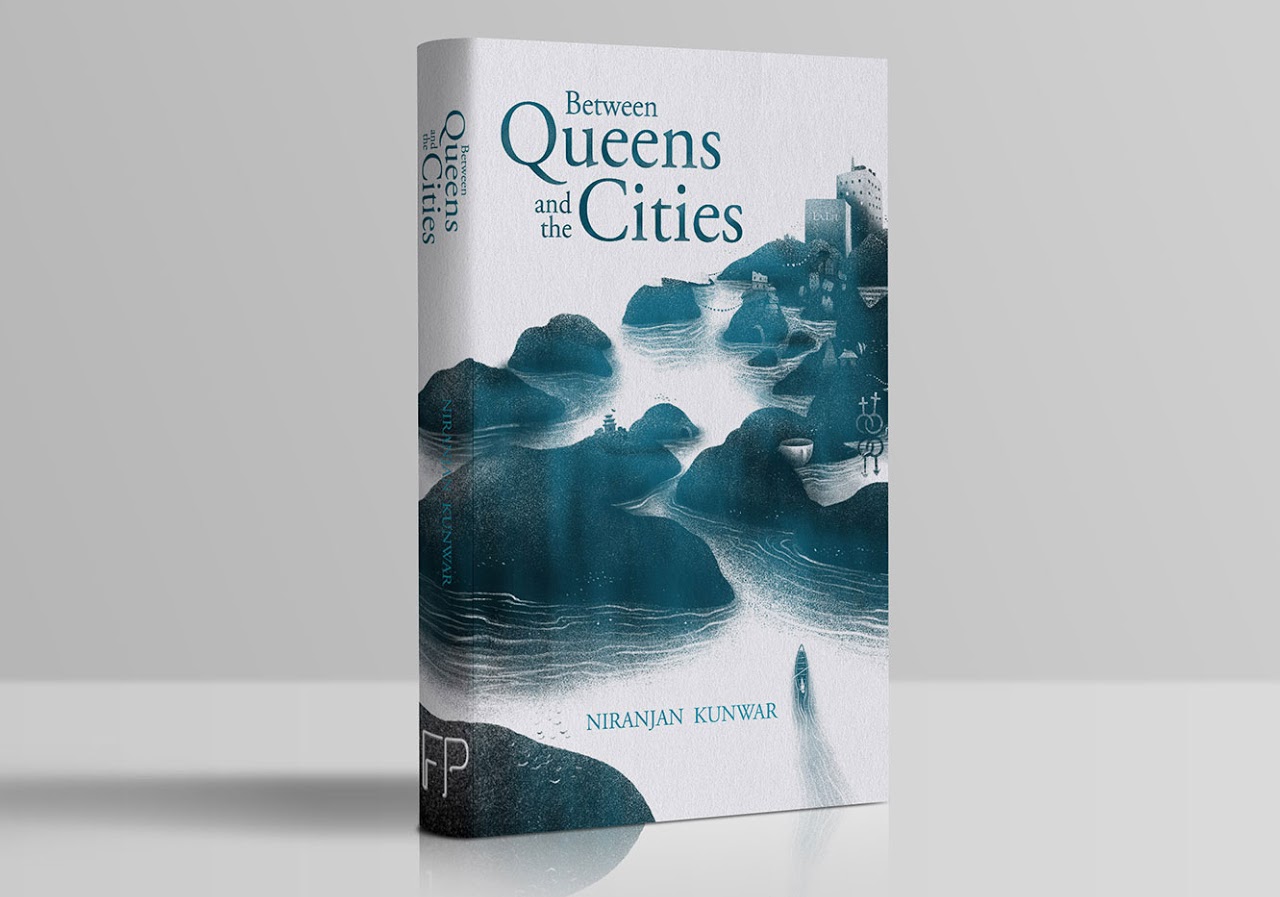
A lot happened in 1999. I turned 18, finished high school and got accepted by an American college. And the internet, which had crept into the Nepali marketplace, finally made it to my bedroom. The arrival of the Internet coincided with a key moment in my life – my coming to terms with my sexuality.
So begins Niranjan Kunwar’s memoir Between Queens and the Cities.
Over the next 300 or so pages divided into six parts, Kunwar takes us on a journey that spans two decades, from the neighbourhoods in New York to the gallis and bhattis of Kathmandu.
Between Queens and the Cities is a beautifully crafted coming of age story of a gay man in Nepal navigating life while exploring his identity and finding a place to call home.
The book begins when Kunwar is 19 in New York. Freed from the constraints of Nepal, he enjoys the independence America has to offer. He promptly falls in love with New York, making plans to return to the city once he graduates, and he does.
He works as a teacher, first at a private school in the city and then in a school in Brooklyn. He finds his friends and falls into a routine. But then life creeps in, the commutes are too long, the mornings too early. Paper works for green card falls through and over time he returns to Nepal to pursue a literary journey.
All these are punctuated by fear and anxiety he has regarding his sexuality, the relationship with his parents, and the need for love and acceptance.
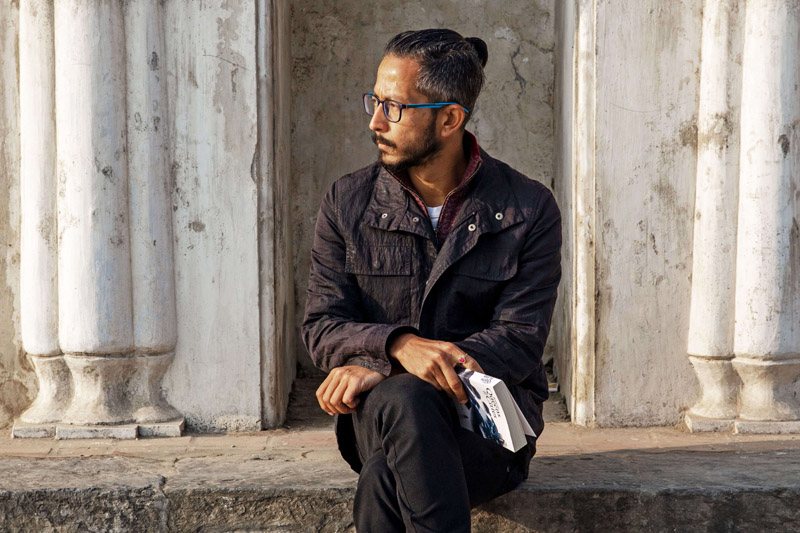
It is difficult to capture universality in a way that also celebrates uniqueness, but Kunwar does that skillfully. By choosing the themes that he did, Kunwar has made his story matter not just to him but to the readers as well.
As anyone who has called NYC their home at any point in life can attest, the city does that to you: it makes you fall in love with it. Only in New York will you pay the deposit for an apartment with half-clogged bathroom and return happy and content.
Living in a foreign country can also be lonely, and the paperwork frustrating. As an immigrant, there is a sense of not belonging, the conscious sense of otherness even with the closest of native friends.
But anyone who returned to Nepal after spending time away from home can also relate to the feeling of being robbed of freedom once back, the confusion and the self-doubt of whether they have made the right decision, as well as the uphill task of rebuilding their lives and relationships with friends and family, and finding or starting over a career.
When it comes to the stories of LGBTIQ individuals, it is easy to fall into the trap of a dominant narrative. Through repetition and often limitation of the stories we hear we create a stereotype of the community that does not justify the broader identity. Kunwar while admitting his privilege attempts to reveal the community’s wide diversity, through his own story and those of others.