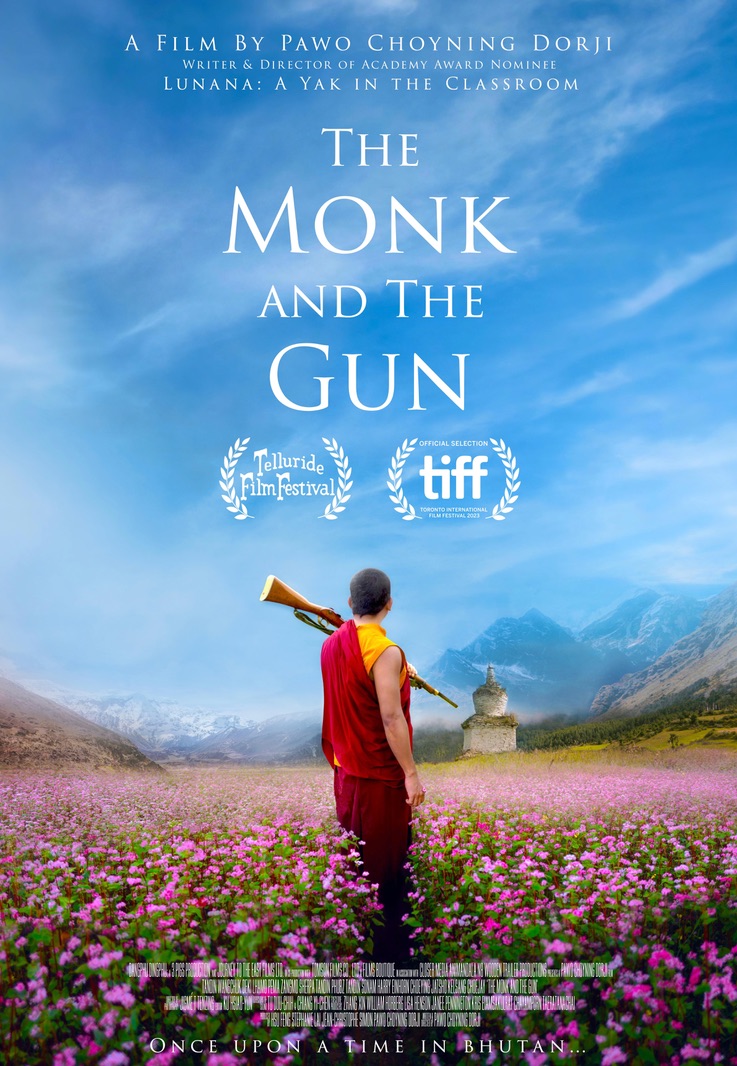
Like a delicate mandala emerging from meditative silence, a new wave of spiritual cinema has been gently transforming Bhutan’s cinematic horizon.
It is a renaissance that represents more than just an artistic movement, it is a dialogue between cultural memory and contemporary expression.
The filmmaking style feels closer to what Paul Schrader in his book Transcendental Style in Film. Unlike psychological realism that characterises much of contemporary cinema, this transcendental approach expresses spiritual states through austere camerawork, performances stripped of self-consciousness, and editing that resists narrative manipulation.
Like the Buddhist practice of meditation, these films ask viewers to witness life's complexities with gentle awareness, to see beyond surface narratives and touch the underlying currents of human experience.
At the centre of this movement stands Khyentse Norbu — a figure with delicate crossing of spiritual wisdom and art. Norbu is not just a director but a Buddhist lama who is said to be the incarnation of the 19th-century saint, Jamyang Khyentse Wangpo.
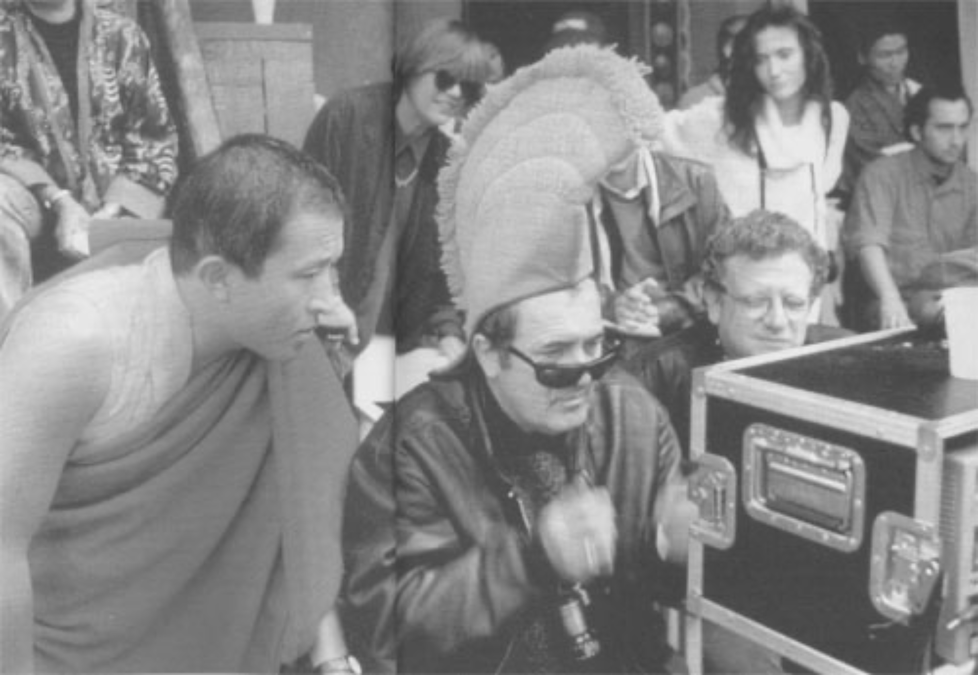
His debut feature, The Cup (1999), is about young monks in a Himalayan monastery who are passionate about soccer, showing that spirituality can harmoniously coexist with worldly interests. This film marked a pivotal moment in Bhutan’s cinema, emerging from Norbu's experience assisting Bernardo Bertolucci during the filming of Little Buddha.
In his latest film, Pig at the Crossing, Norbu works with the Buddhist concept of Bardo, the liminal space between death and rebirth, where consciousness navigates the terrain between dissolution and transformation.
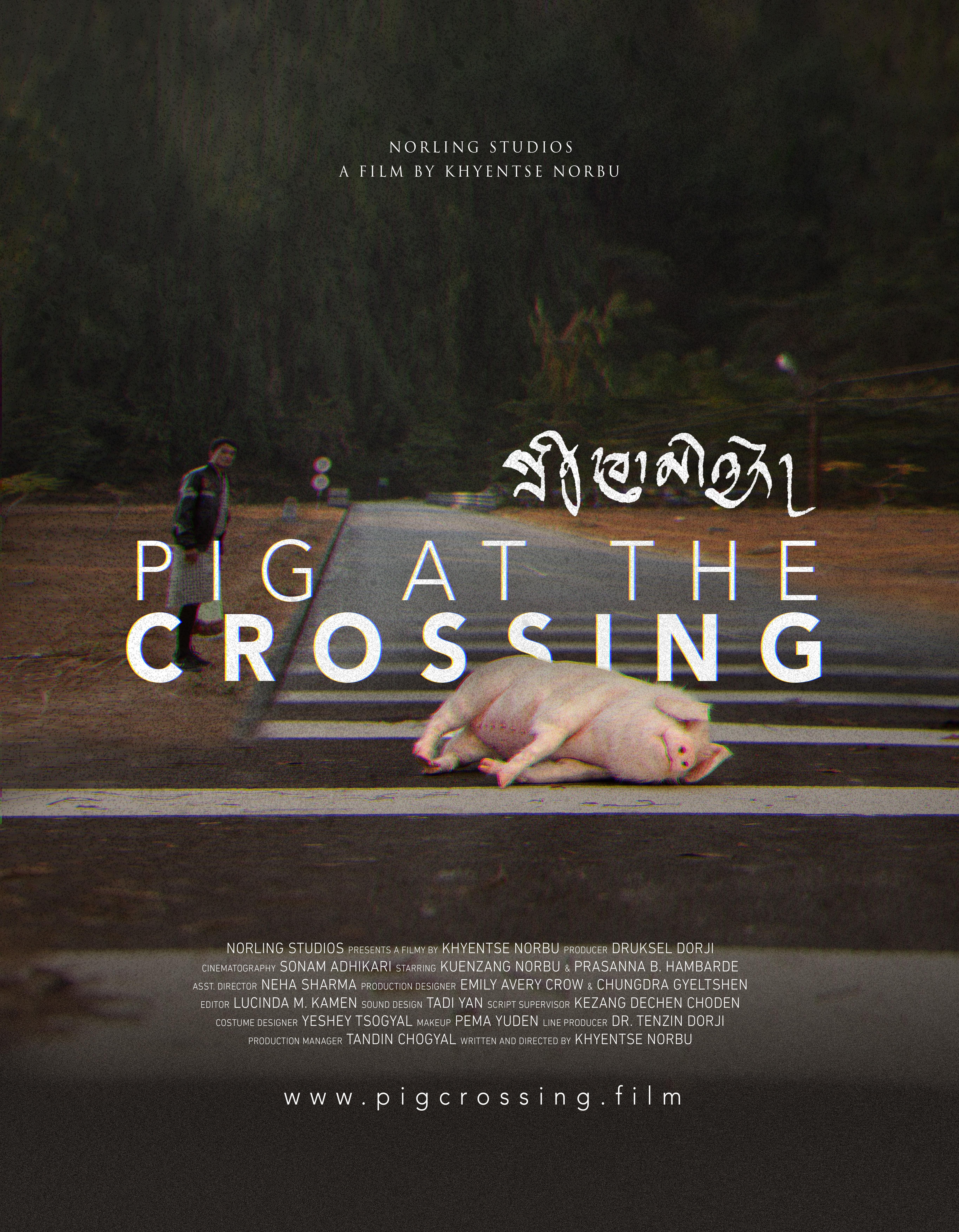
The film's protagonist, Dolom, becomes a metaphorical pig at a metaphysical crossroad, his journey representing deep-seated attachments and the potential for spiritual liberation. Buddhism views this transition as a unique opportunity for consciousness to release its entanglements of guilt, shame, ignorance, and glimpse a more expansive understanding of reality.
The movie treats death not as an end, but as a chance for understanding. It shows life as a kind of dream where people can find freedom through their struggles. When the film suddenly cuts to black, it leaves Dolom's fate unclear. This ending invites viewers to think about their own experiences, much like life’s open-endedness.
Pig at the Crossing carries deep spiritual insights, but falls short technically compared to Norbu's previous works like Travellers and Magicians and Hema Hema. The film feels less polished, with editing that sometimes loses its rhythm and visuals that do not quite match the profound ideas it tries to explain.
Yet, this very imperfection might be intentional — a reflection of the film's central theme about life’s inherent unpredictability.
Along with his mentor Khyentse Norbu, Pawo Choyning Dorji emerged as a compelling new voice in Bhutan’s film industry. He was an assistant director to Norbu in his film Vara: A Blessing, and later produced Hema Hema: Sing Me a Song While I Wait.