

In an industry prone to profit from escapism, Nepali cinema has suddenly started coming out with movies that portray the reality of life with all its ugly truths.
The latest is Bulbul, a film with a straightforward plot, ordinary characters and portraying contemporary Nepal where issues like gender, patriarchy, migration, joblessness, health care, and the struggle to survive are all intertwined.
This is not about 2 hours of dancers gyrating to the pulse of masala film songs, but a chronicle of the life of Ranakala (Swastima Khadka) who drives a tempo in Kathmandu’s busy and narrow streets. Her husband went to Saudi Arabia to work, but has not returned for six years and cannot send money home. She lives in a dingy flat taking care of her paralysed father-in-law. Ranakala has a daughter too, but has placed her child in a boarding school so that she can have a brighter future.
Read also: Tom, Dick and Hari, Ayush Niroula
Bulbul is written and directed by Binod Paudel, principal of Oscar International College of Film Studies which has produced quite a few film-makers of the New Wave of Nepali Cinema.
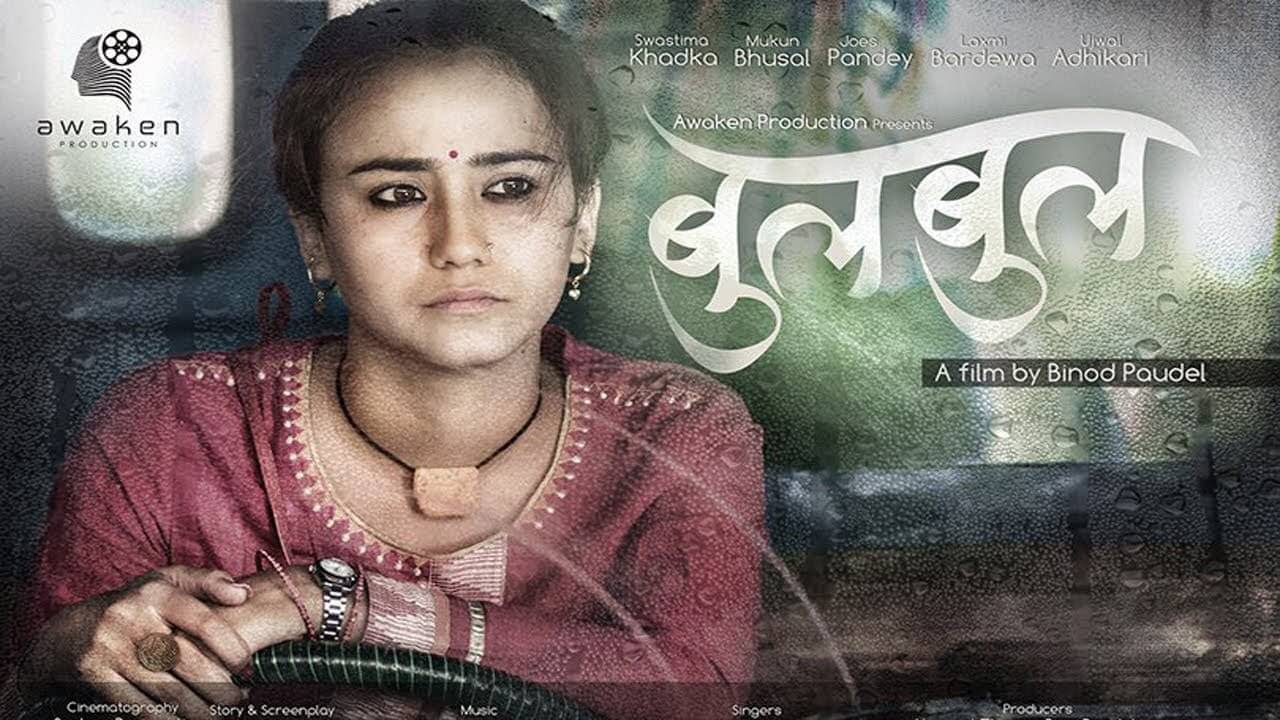
A lead character like Ranakala is a novelty in Nepali films, which usually have exaggerated personas, unrealistic romances and facile characters. In Ranakala, however, director Paudel taps into the story of struggle and the complex emotions of a Nepali woman's life.
Bulbul has a character driven plot, and Swastima Khadka's authentic portrayal of Ranakala is refreshing and captivates. Her hardships are writ large in her sombre expressions and sharp dialogues which give us a nuanced, all-round portrait of her complex psychology. One can't help but root for this simple, independent girl as she makes a living in a difficult city. She is fierce at her job, tender as a mother, understanding as a friend, struggling as a wife. But overall Ranakala embodies the female shakti.