Kathmandu Valley alone now has over 700 cafes serving mugs made from freshly ground beans. ‘Americano double shot’, ‘Cappuccino’ and ‘Mocha’ have entered the Nepali language.
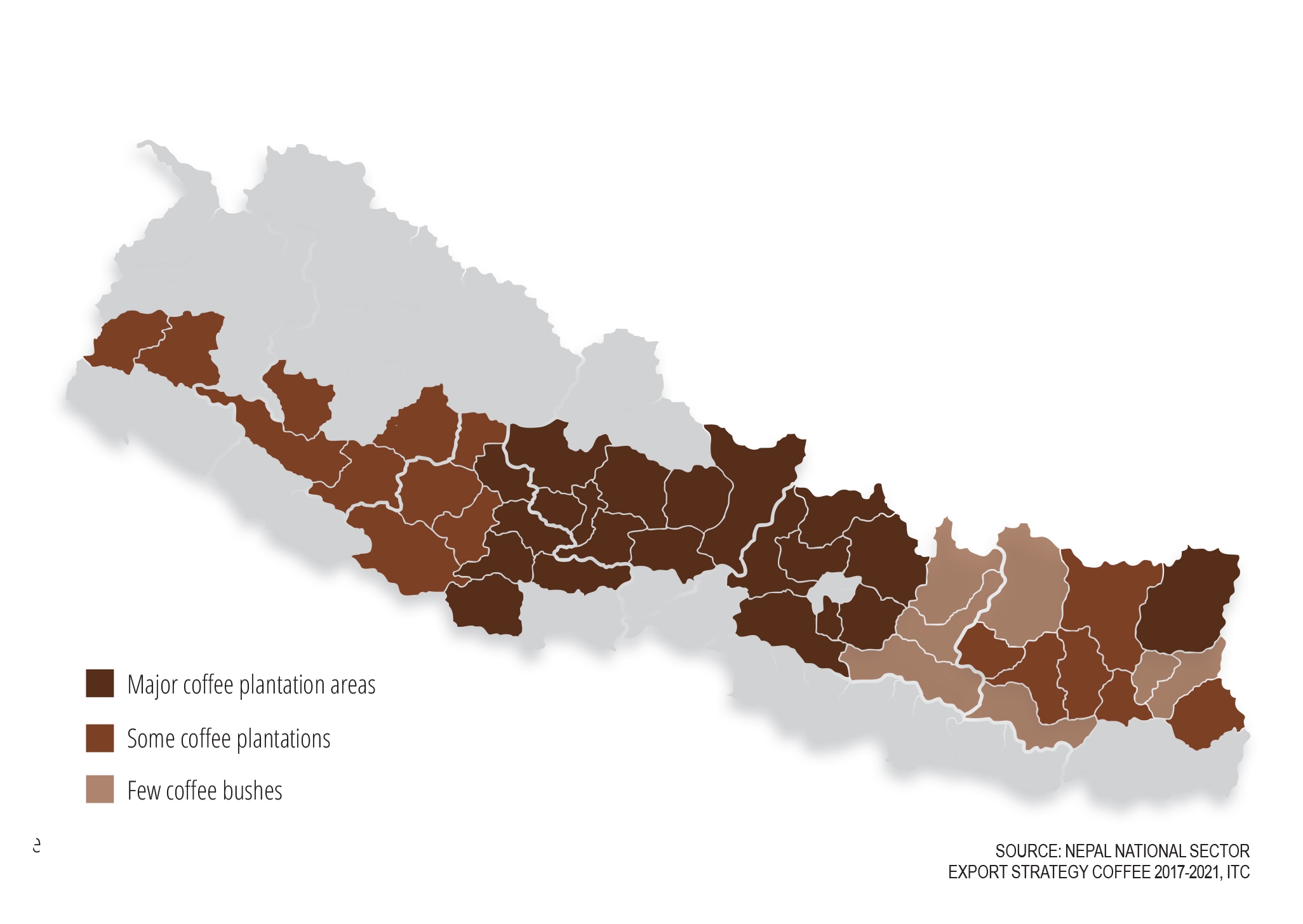
It has also become a cash crop for thousands of farmers with near-perfect growing conditions along the Himalayan foothills.
Yet, annual coffee production has declined by 15% to only 550 tons in the past years, and this meets only a fraction of the domestic demand of 6,000 tons.
Nepali coffee fetches $22 per kg in the international market, but Nepal only exports 3% of its crop. If cleverly promoted, the international demand for Nepali coffee can be 8,000 tons.
“Coffee is all about story-telling,” explains Gagan Pradhan, founder of Himalayan Java Coffee. “Nepali coffee has brand value because it is grown in the highest elevations on earth and is a cash crop for cooperatives and small farmers. There is tremendous potential for growth.”

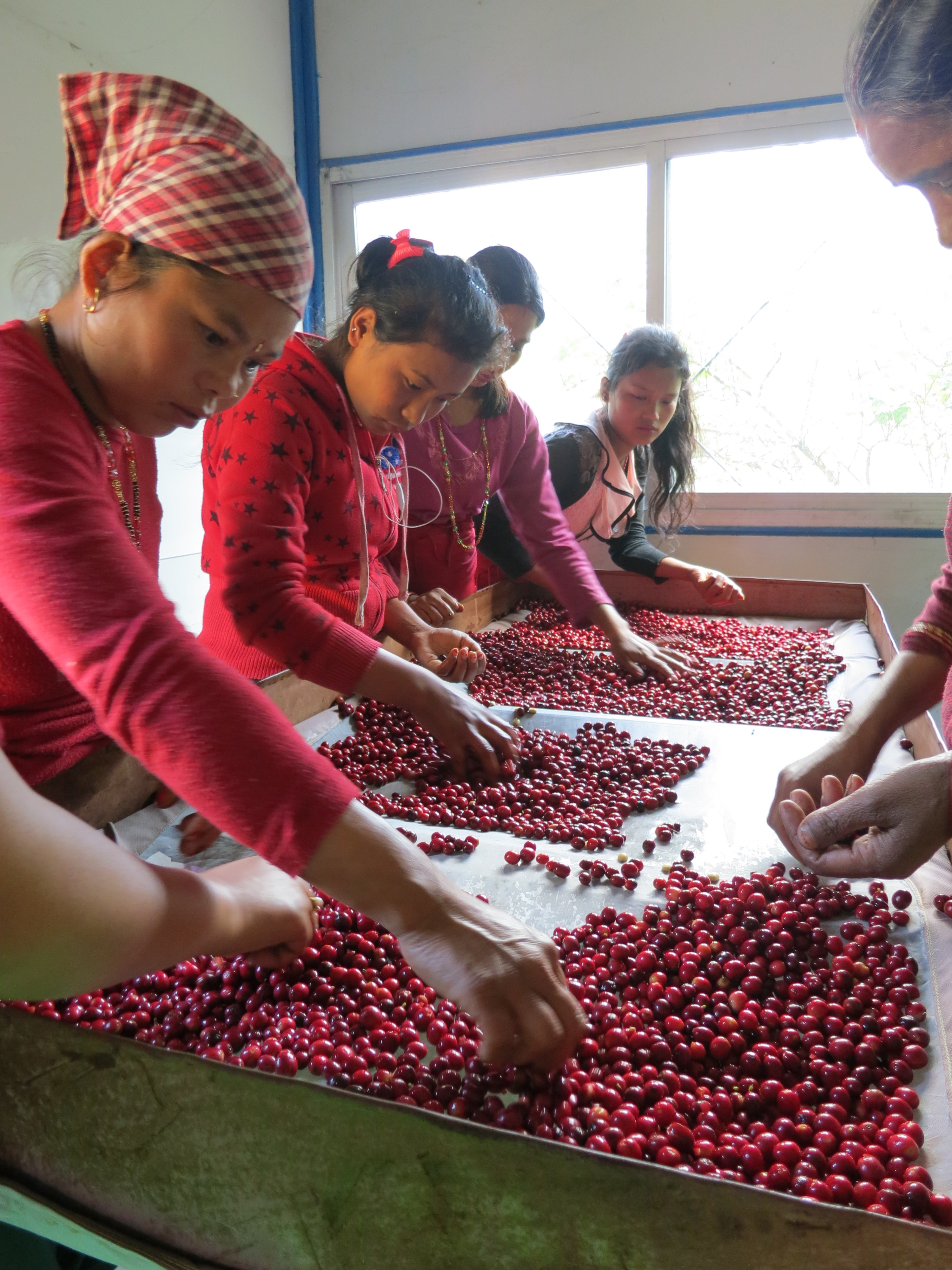
The reason for the decline in coffee production lately is attributed to erratic weather caused by climate change, but mostly it is because it is manual-intensive, needing initial capital and patience for a return on investment.
The strategy that makes most sense for Nepal’s coffee industry is to sell it as a rare, specialty product.
Says Raj Kumar Banjara, master trainer at Nepal Coffee Academy and originator of the Himalayan Arabica brand: “There is no better crop for Nepal because we have the ideal soil and weather to grow specialty coffee, which can be exported to third countries directly instead of sending it through India like with ginger, cardamom, or tea.”
These favorable conditions are at altitudes between 800m to 1,600m along the mid-mountains and temperature not exceeding 22°C, which allows cherries to develop slower, giving it a denser taste with complex flavours of fruits and nuts.
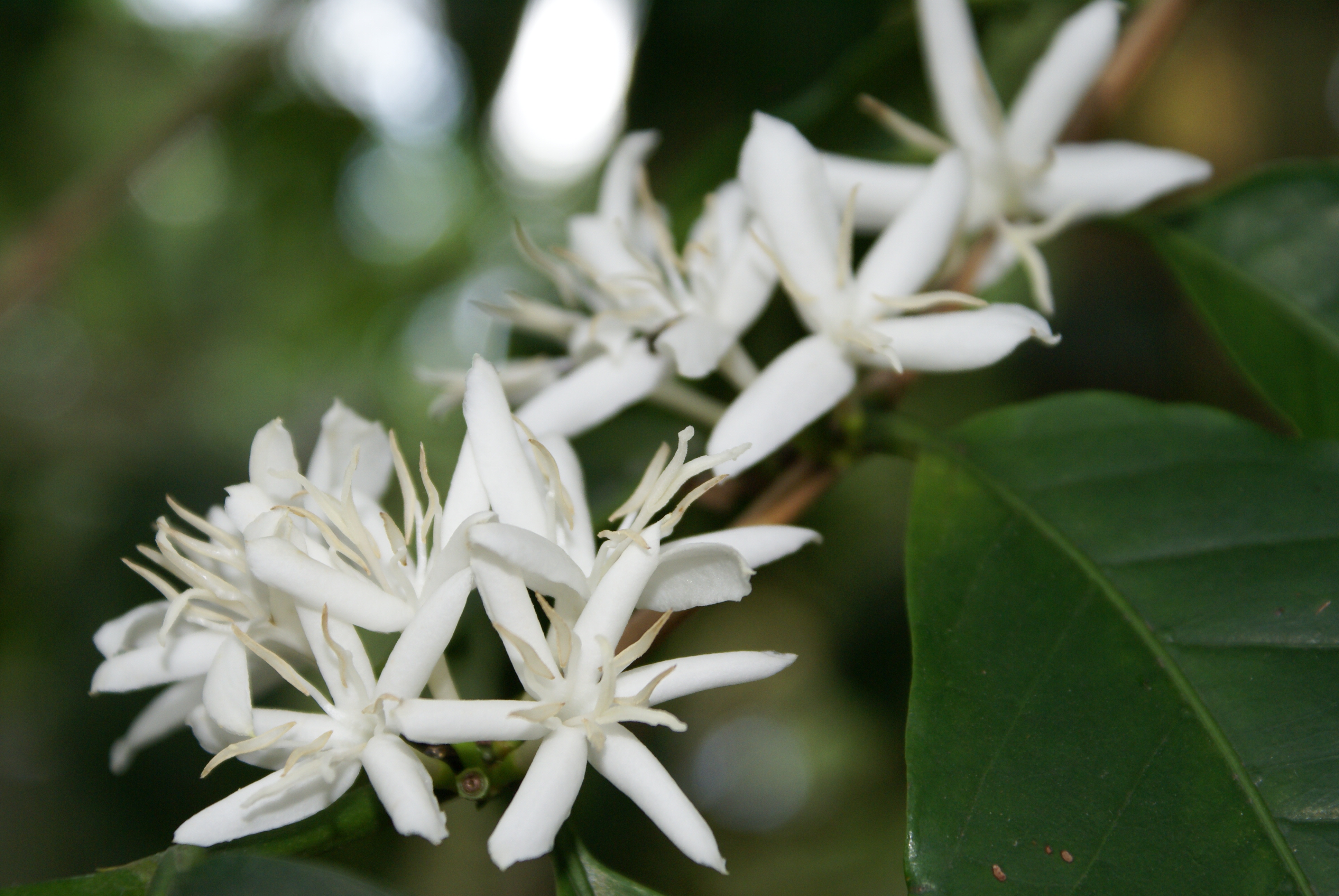
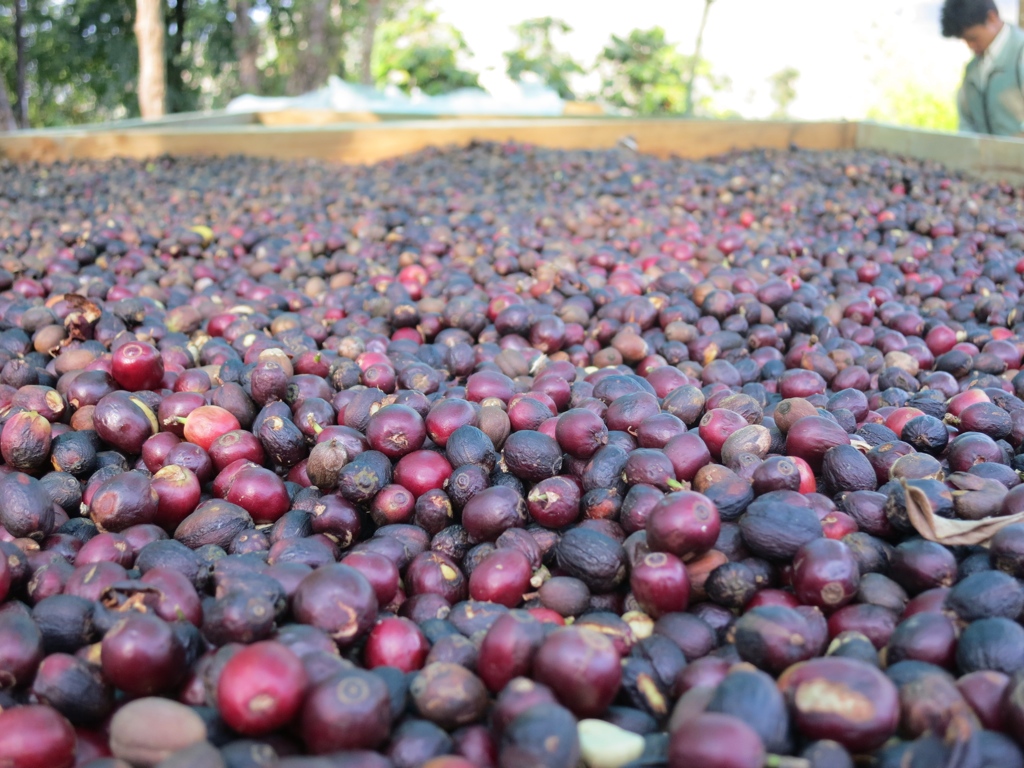
This is ‘Arabica’ coffee, and it is also considered ‘organic by default’ because farmers have limited access to chemical pesticides and fertilisers, adding to its premium.
All of Nepal’s coffee is grown in only 4,300 hectares total, and this is just 0.36% of the area suitable for coffee farming. Still 31,000 households across 44 districts depend on this cash crop.
Challenges include out-migration, limits on land ownership, and climate breakdown leading to colder, drier winters, droughts and heat stress.
Shreeyanch Shrestha is the founder of Samparka Cloud Loyalty, a startup that helps businesses retain customers by giving them insights about customer behaviour. Among the services offered is a digital loyalty card for coffee shops, one of his biggest clientele.
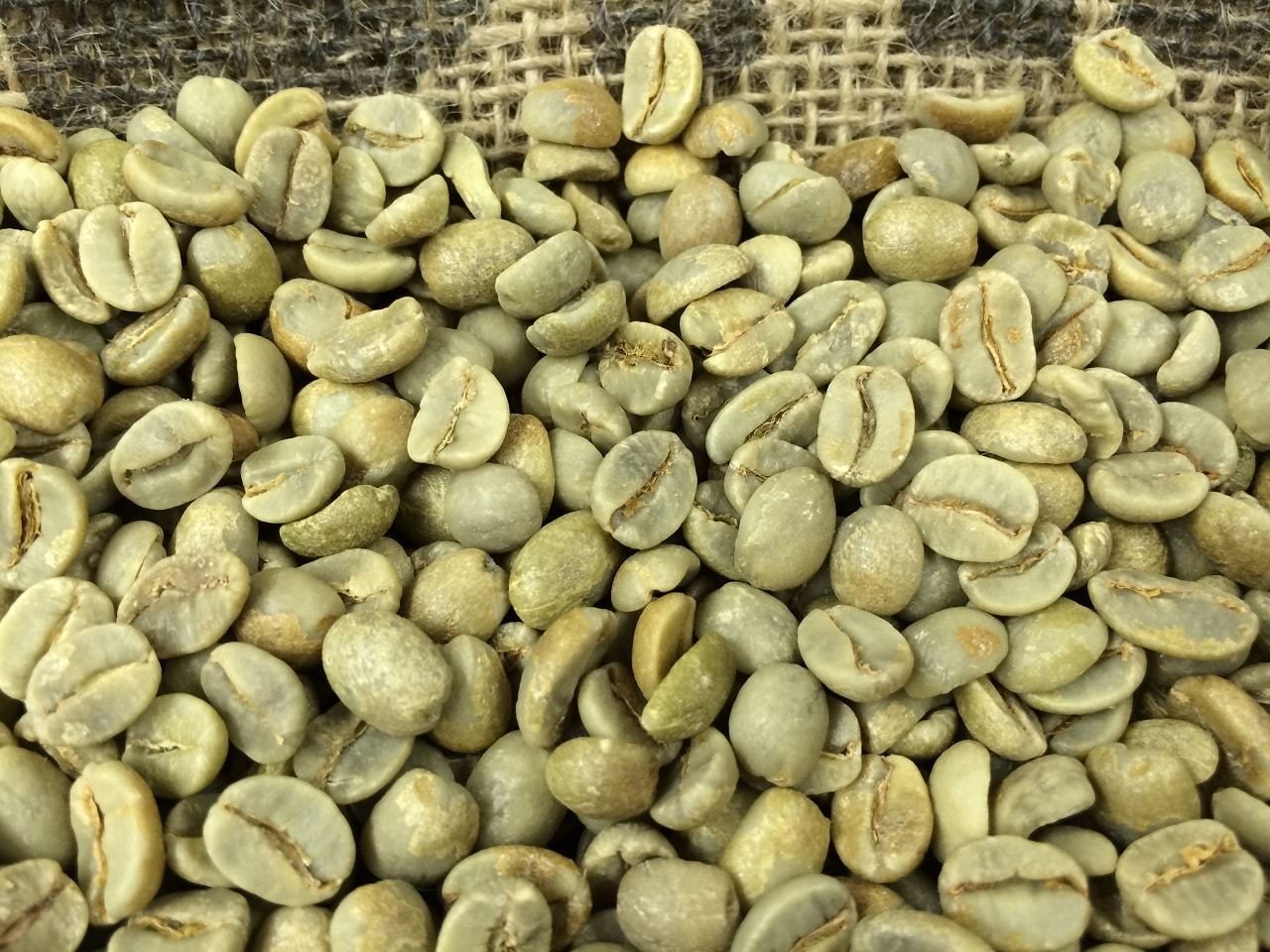
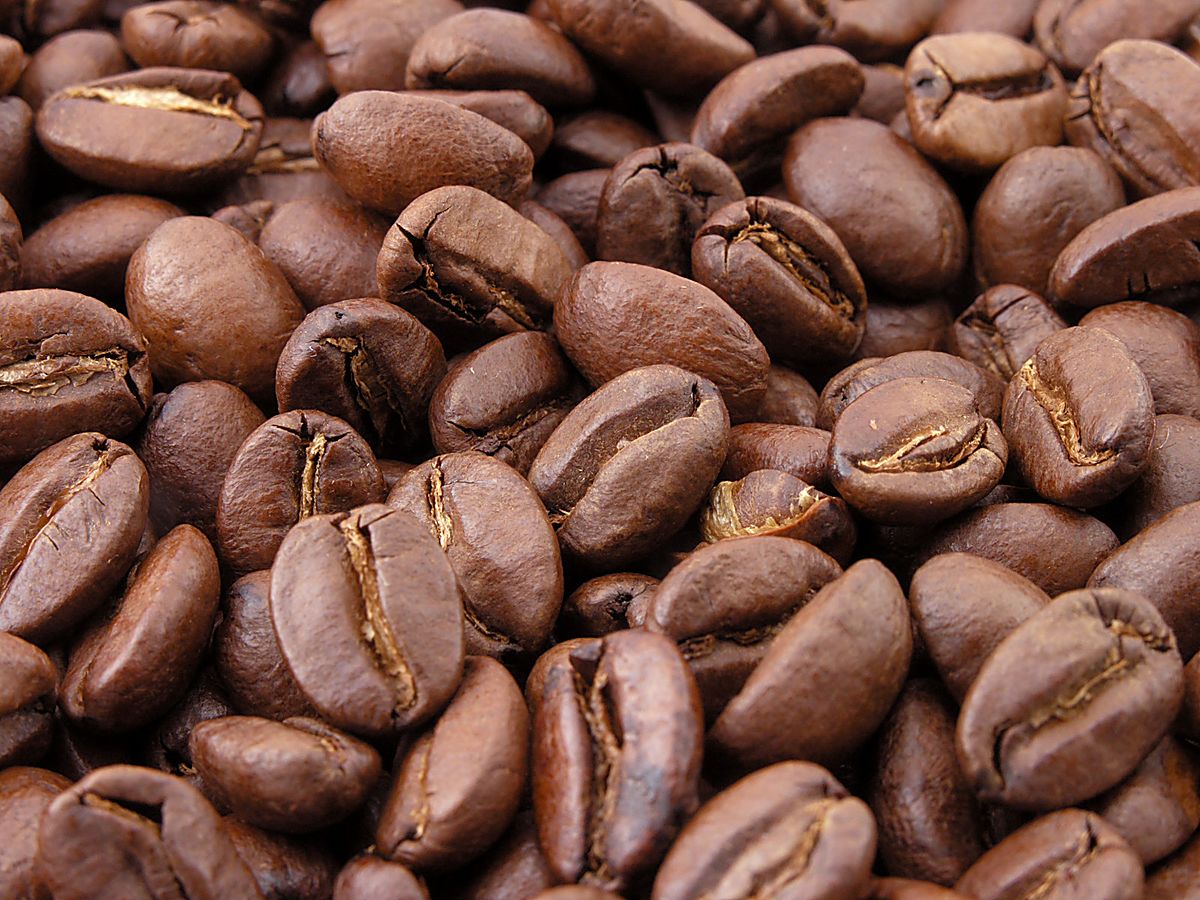
Shrestha is also a coffee enthusiast, and recently collaborated with Baato Maps on the playfully designed ‘Kathmandu Coffee Map’.
“This was a marketing campaign but also a way to pay tribute to cafe owners we worked with,” he says. “A new generation of coffee farmers, processors, roasters and consumers seem to want to invest in upgrading their coffee experience.”
COFFEE CULTURE
Operators such as Raj Kumar Banjara have been in that game for over 30 years, even earning a PhD in Coffee Agriculture, running farms and teaching roasting and barista courses. Now, he makes short how-to videos on social media. Banjara’s Academy is run by Specialty Coffee Association certified Q Graders and Authorised Trainers.