
Nepalis are proud to have never been colonised, and being South Asia’s oldest nation state. Keeping out the world may have preserved the sovereignty of a feudal state, but it meant that Nepal had a lot of catching up to do in terms of governance, consolidating democratic institutions, infrastructure, health and education.
For example, we have been talking about the sorry state of the education system in the country for the past decades. Writing 52 years ago in an article titled ‘Education: the Road to Nowhere’, Prof Kamal Prakash Malla bemoaned the fact that ministers of education were in the habit of boasting that Nepal’s education system went from having just one college pre-1950 to 36 colleges and a university.
Malla pointed out that this showed selective use of statistics to distort the truth, and ignore the poor quality of instruction in schools and colleges.
Five decades later, after major political changes and many trials and errors in education, the substance of the debate on the need to improve the education system is still the same. Bureaucrats and politicians still cite statistics to prove progress in education, and like Malla wrote all those years ago, we are still on a journey without a destination.
Read also: After quantity, Nepal’s education needs quality, Prakriti Kandel
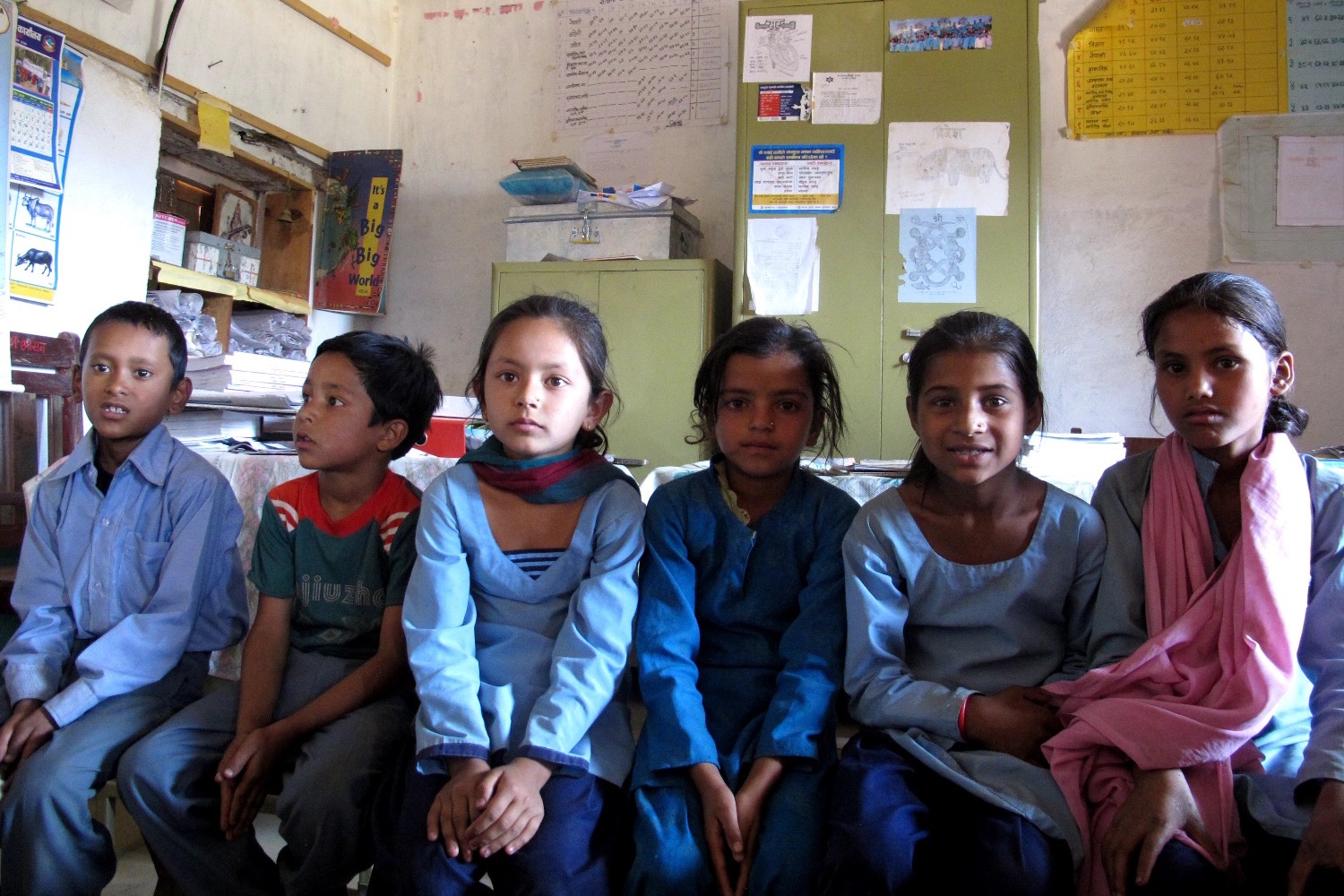
If statistics are so important, then these tell a different story: there are still 770,000 children below 12 who are not in school, 29% of primary school students drop out halfway, 43% of secondary school students do not complete Grade 10, and government school pupils have a pass rate of only 20%.
Why is it that successive governments have not fixed the serious flaws in a system that allows 80% of students in public schools to waste time in classrooms in the name of ‘education’? It is not that Nepal's rulers are not aware of the disgraceful quality of education in government schools.
The Minister of Education’s own surveys show shocking inequity in Nepal’s education system. Among well-off families, 65% of children are educated, whereas the figure is only 12% for poorer households. Money for education is flowing into a black hole.
The federal government has been cutting its education budget every year, but the investment is not being transferred to provincial ministries of education. This is widening the equity gap in education, and leading to a steady decline in the quality of instruction. Instead of leveling the playing field, education is entrenching class differences.