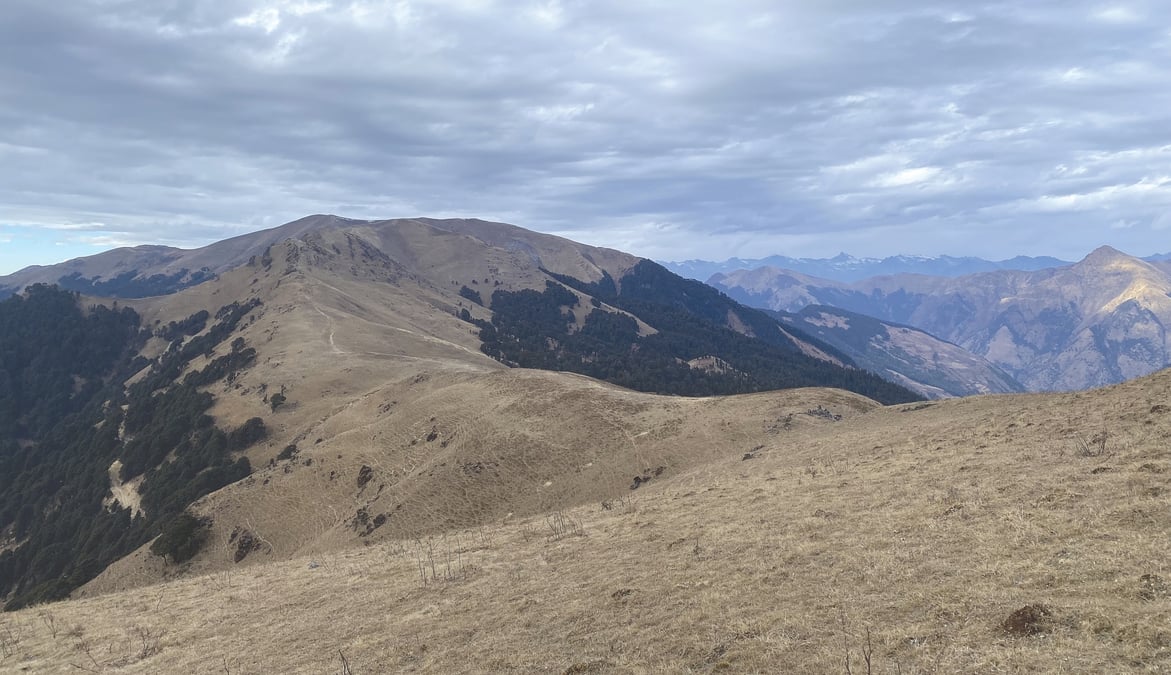
The rugged mountains of Rukum East are all covered in late snow. After a prolonged drought, it has finally snowed, but it is too late for the high altitude meadows to grow again. They have all dried up.
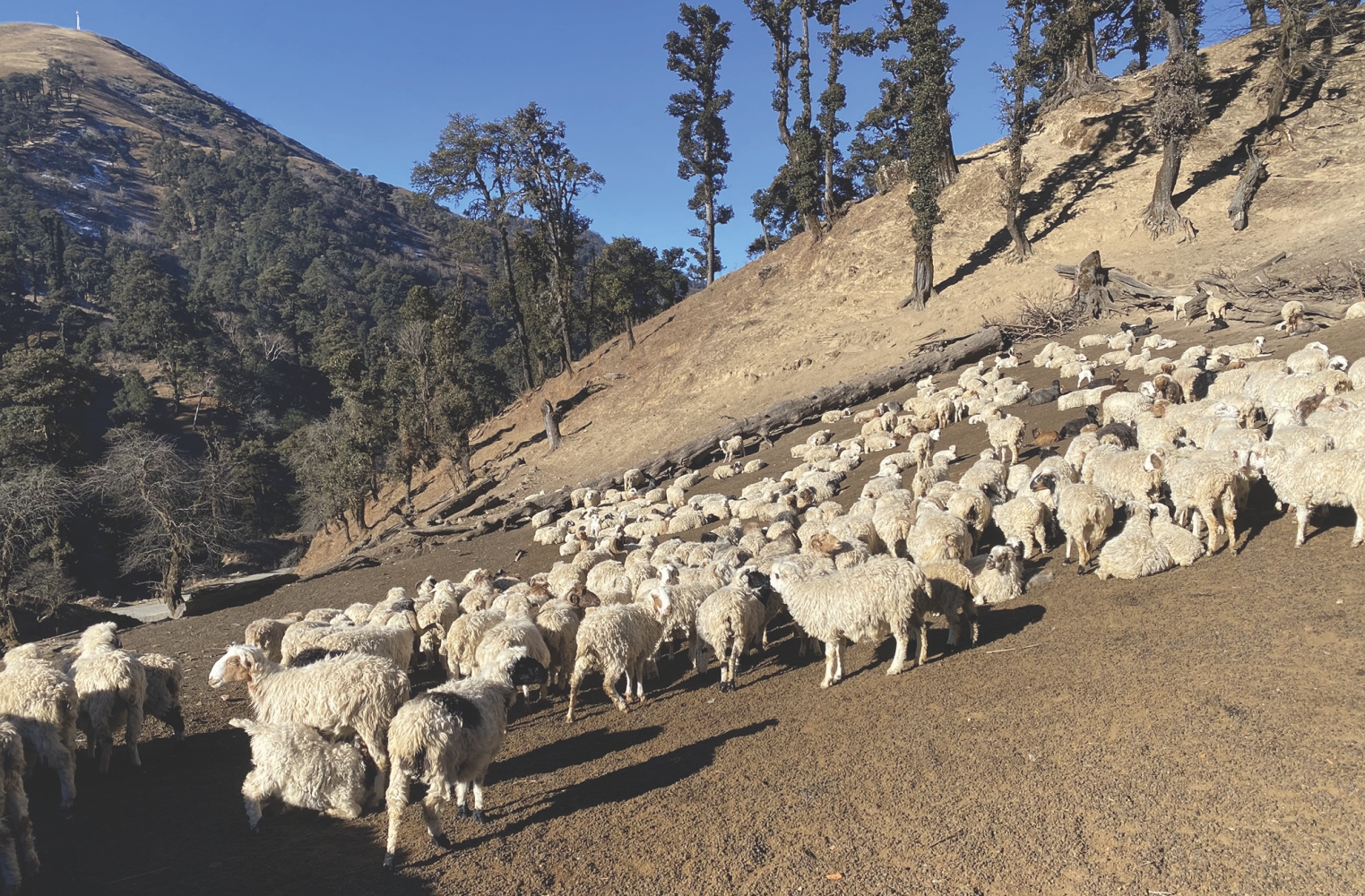
At 3,720m, visitors rarely make it to the high pasture at Ma Kharka. But even until 20 years ago, every family in the village of Lugum brought its sheep and mountain goats for grazing up here. Shepherds with their flocks spent half a year in what used to be cool, green patches of grasslands. Very few do so now.
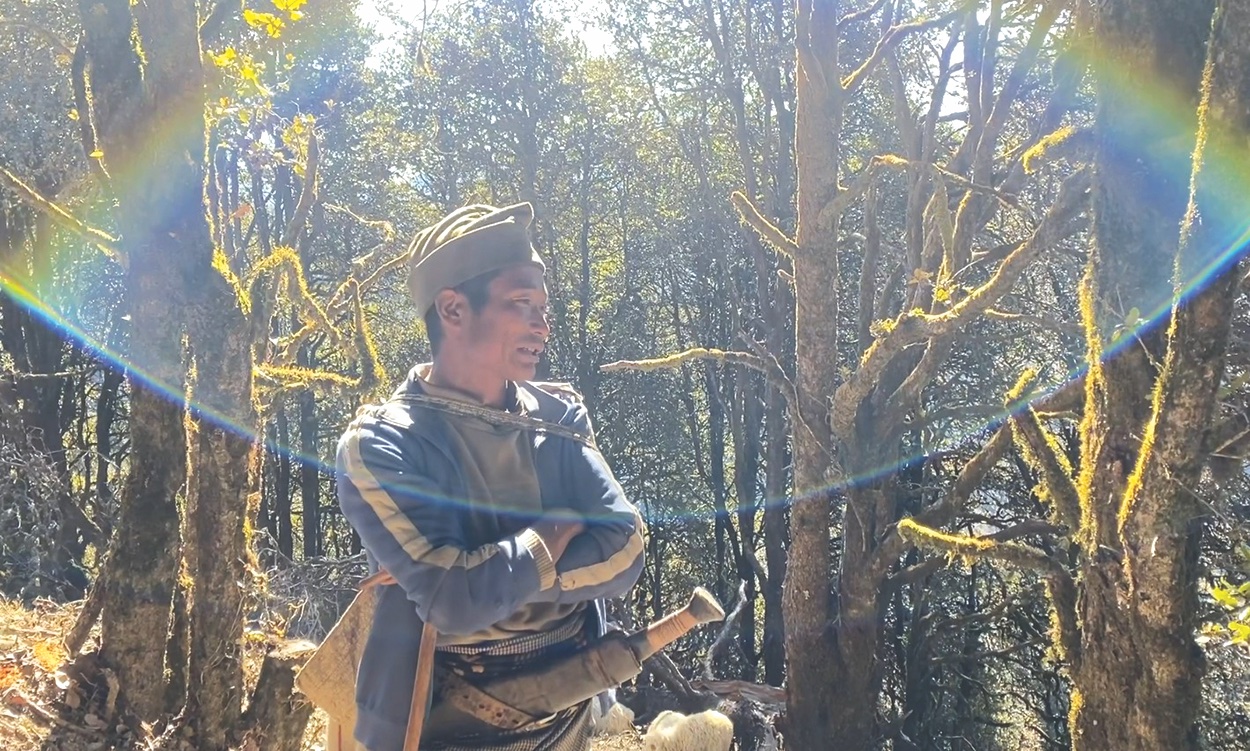
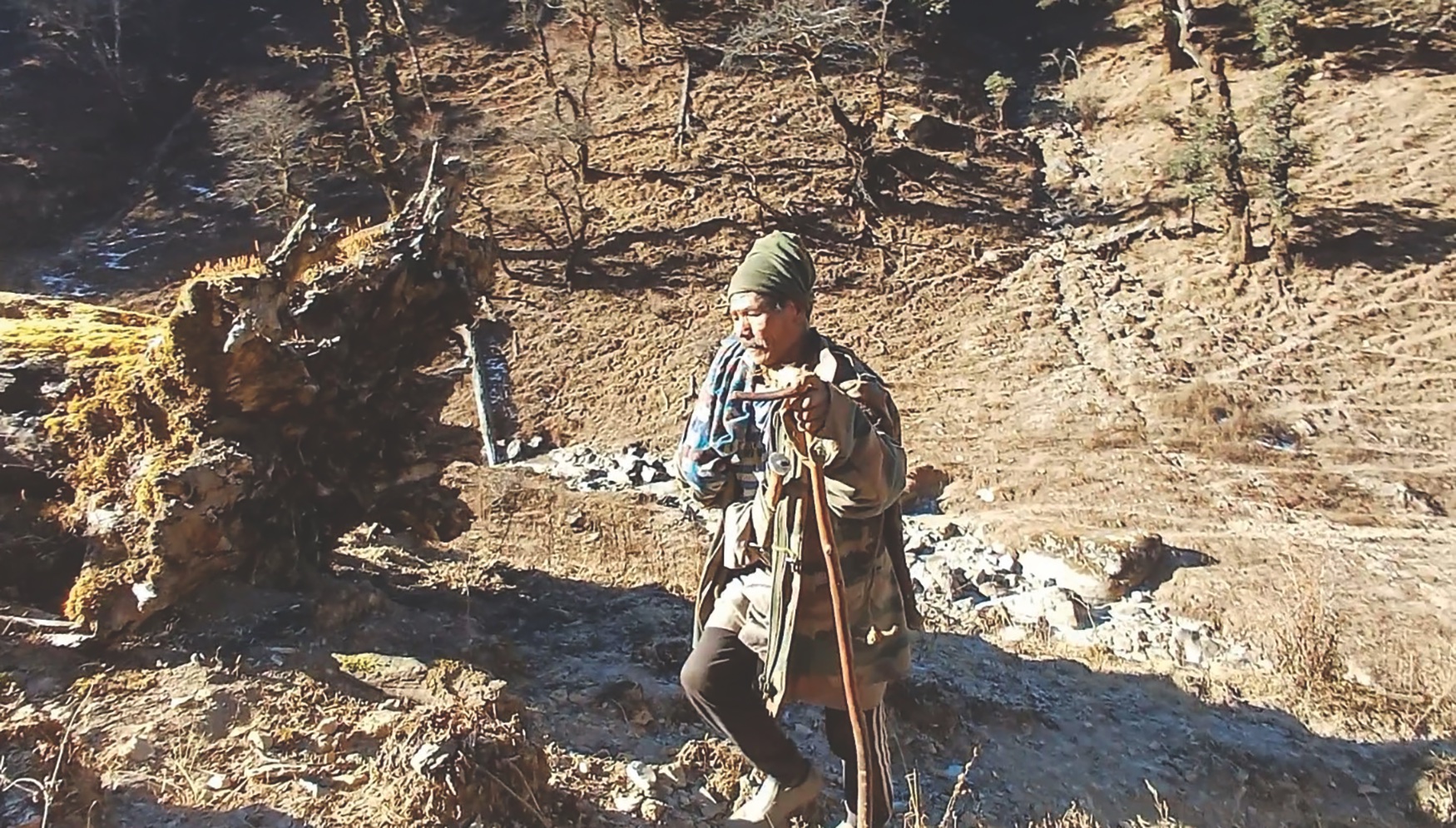
Rassa Gurung, 60, is one the last few shepherds carrying on their ancestral occupation. “I started coming here as a baby, slung over my mother’s back. We didn’t read and write back then, we all helped our parents tend the sheep,” he says.
Gurung knows every corner of this pasture like the back of his hand. His sheep used to graze freely, but now he has to watch out that they do not wander into someone’s farm or enter the nearby community forest.
Mt Dhaulagiri looms in the distance, and even that high up there is little snow this year. It looks like a giant dark rock.
The sheep are also dying from mysterious causes. “Some 40-50 sheep die every year now, I myself have only 150 sheep now, down from 300 four years ago,” says Gurung. “Most of them die because they eat poisonous grass, as the edible grass does not grow in time. Some are eaten by leopards and bears.”
He adds: “It rains when it is not supposed to and it does not snow when it is supposed to. Sometimes it does not snow till March, and other times it does not rain until June, so there is no grass to graze on.”
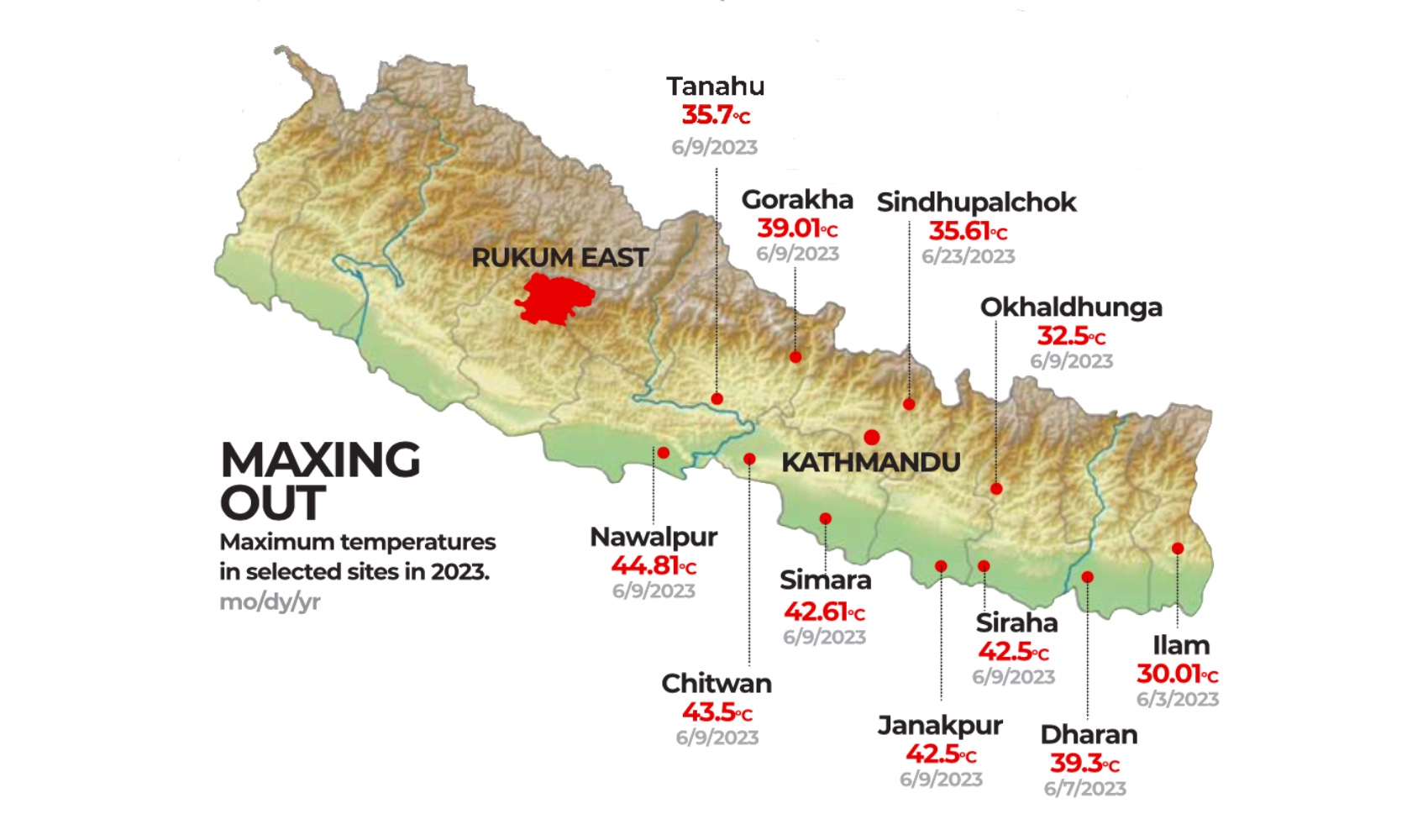
High mountain communities are disproportionately affected by the climate crisis. This year was one of the hottest ones Nepal has experienced.
“Farmers are affected directly by the increase in the average temperature. Unpredictable seasonal changes can lead to the growth of new species, and native indigenous plants disappear,” explains climate scientist Ngamindra Dahal.
He adds: “Rainfall patterns have also changed. At times we have unseasonal cloudbursts, other times there is no winter rain and we get droughts. The absence of snow has affected sheep herders.”
Indeed, new kinds of grasses have started growing and for shepherds like Gurung, there is no way to know if they are edible.
Botanist Bhakta Bahadur Raskoti agrees that climate change has affected the growth of edible grass for sheep and goats in high mountain areas. “Because of climate change, grass species from the Tarai are now found in the mountains, while mountain grasses have moved up,” he adds.