Most Nepalis thought they had seen the last of it after the 25 April 7.8 magnitude earthquake ten years ago. But the Himalaya had more surprises in store.
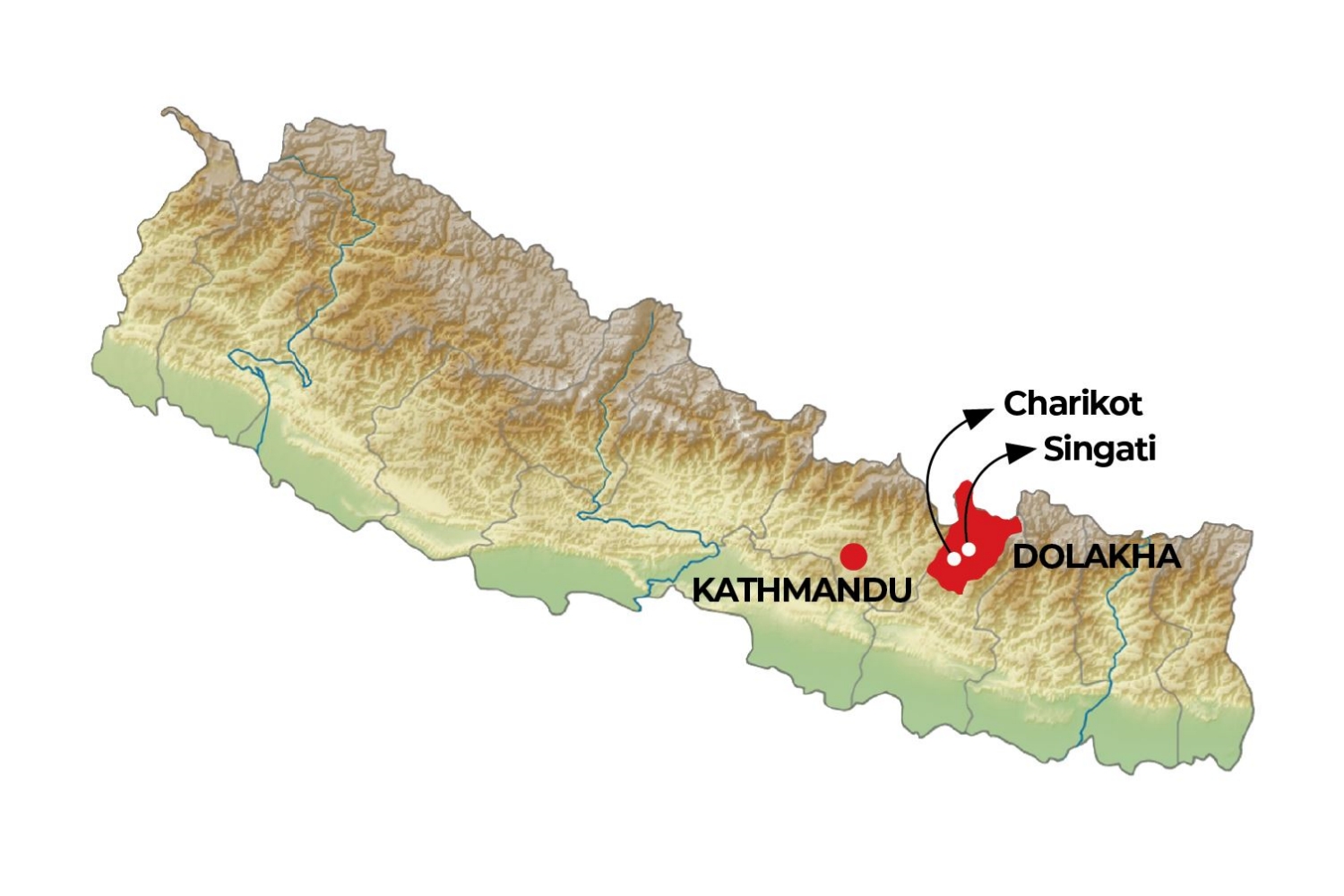
On 12 May, another 7.3 magnitude tremor that some said was an aftershock, but was strong enough to itself be a major earthquake, struck Dolakha.
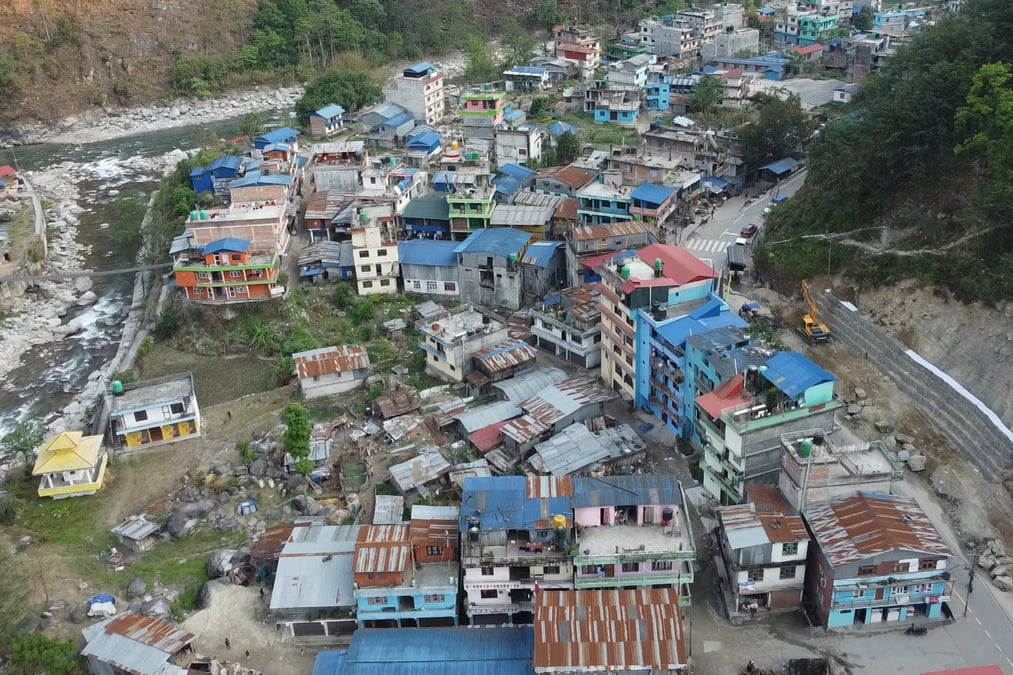
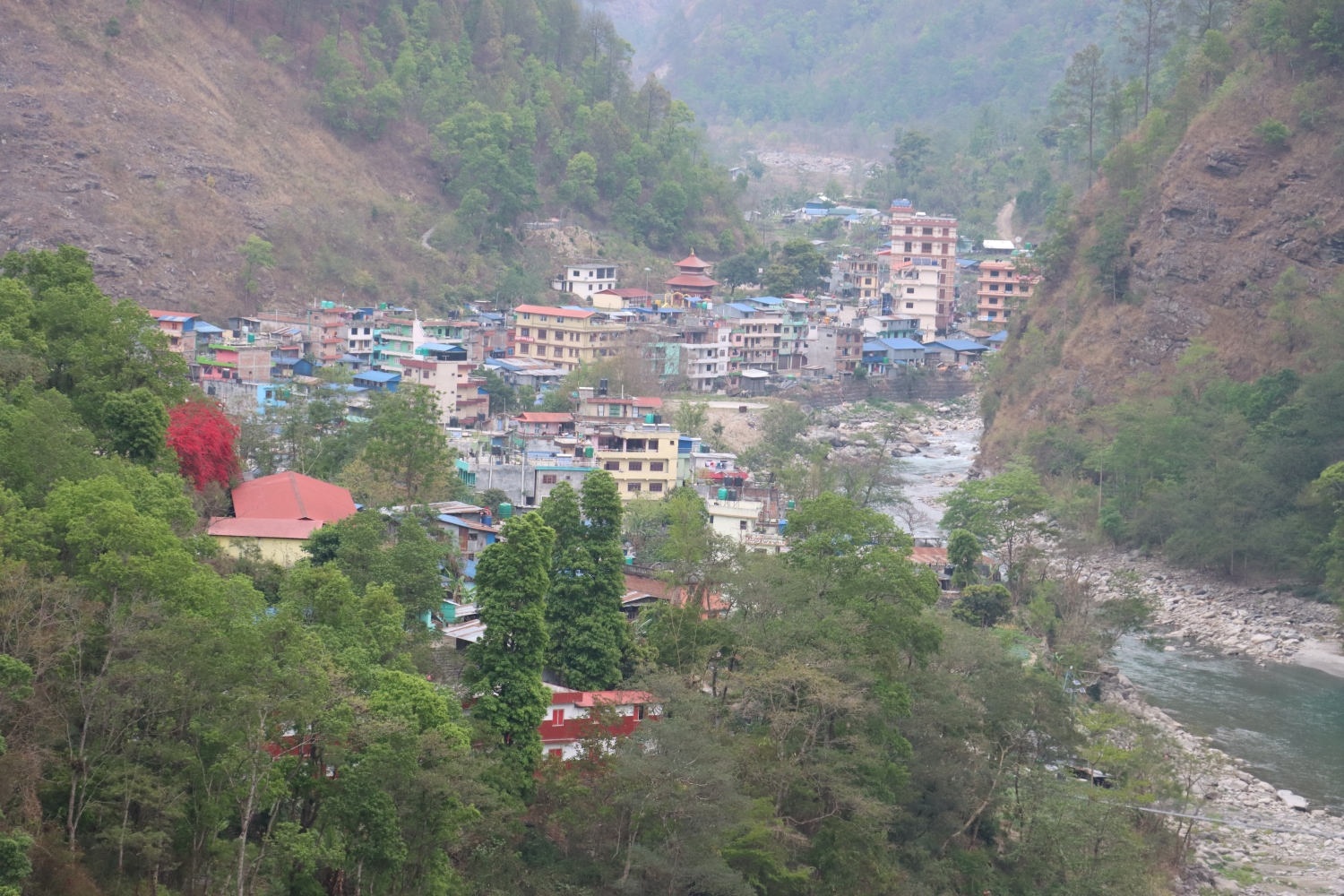
Not many people had heard of Singati till then — a cluster of houses by the Tama Kosi River along a narrow gorge that is the roadhead to Rolwaling Valley.
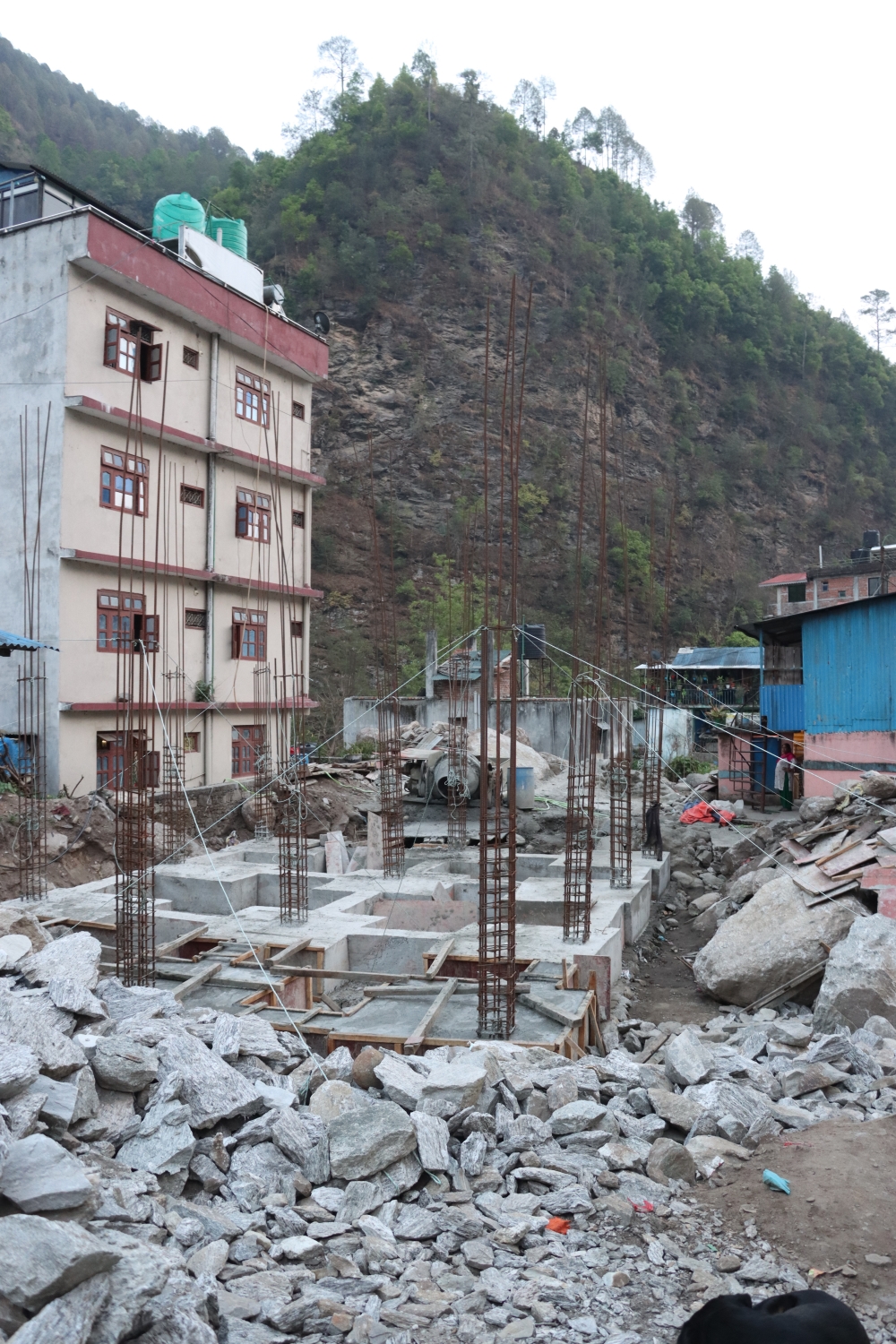
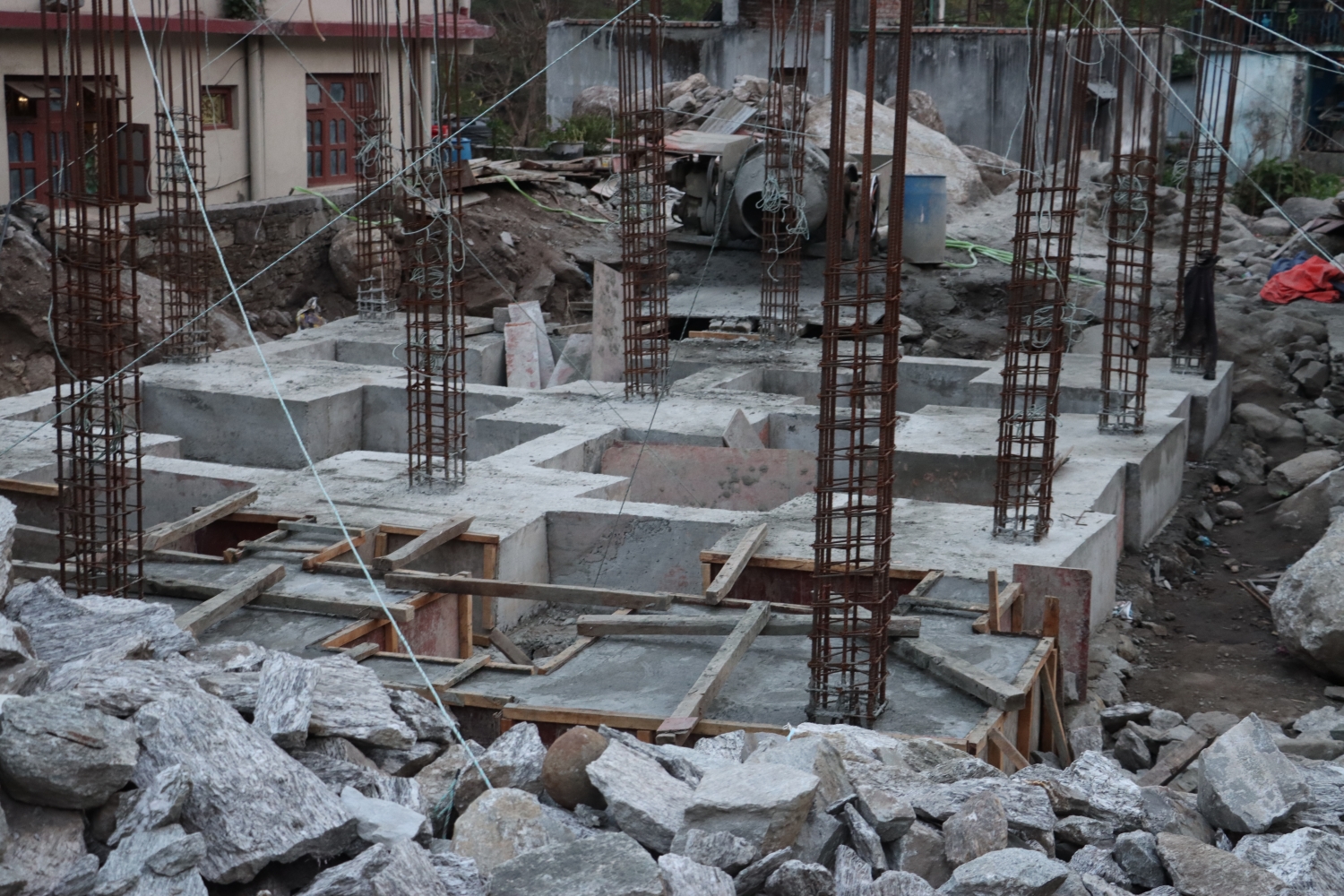
It was here that dozens were killed on 25 April in the first earthquake. Hundreds of Singati survivors had lined up for food and relief supplies in the morning of 12 May when the second earthquake triggered a rock slide that buried a nearby camp. At least 50 people were killed.
Three hours later, a US Marine Corps UH-1Y Venom helicopter landed in a nearby cornfield to pick up the wounded, and flew off. The aircraft lost contact with air traffic control in Kathmandu and its wreckage was located high on Kalinchok four days later. Six American servicemen, two Nepal Army soldiers, and five wounded civilians from Singati were killed.
Today, Singati bears little physical scar of the multiple tragedies that struck the town ten years ago. Most houses have been rebuilt as urban-style concrete structures, and Singati has become an economic hub on the road leading up to several hydropower plants and a popular trekking destination.
The town looks less like a village and more like a suburb of the Dolakha district headquarter of Charikot, 47km away.
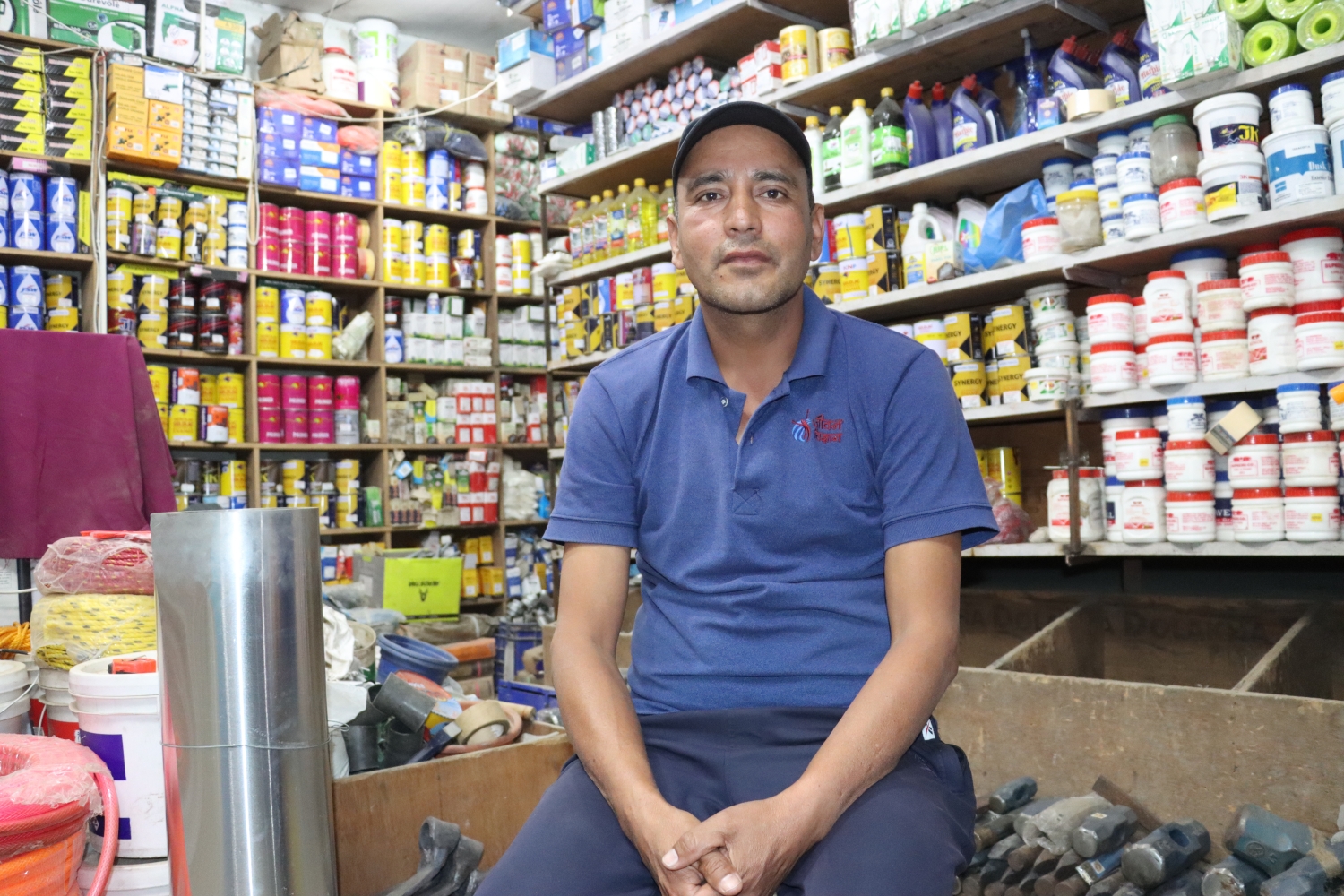
“The demand for construction material, cement, iron rods and bricks peaked after the earthquakes,” says Suresh Khadka, who owns a hardware business here and now supplies material to the 456MW Upper Tama Kosi hydropower project that is undergoing repairs after it was damaged by a landslide last year.