

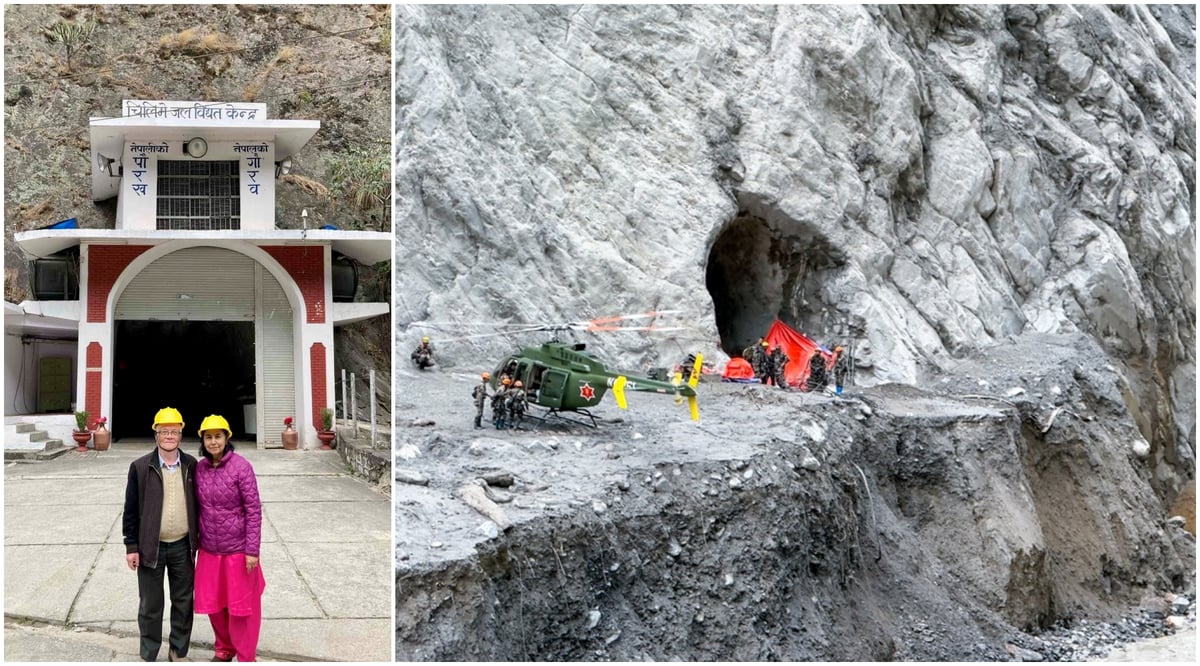
Some losses are difficult to explain because they cannot be measured by what was physically destroyed. This tragedy feels much more personal.
I lived in Nepal with my parents and brother for the first 16 years of my life before embarking on a global journey. During much of that time, there was one word that came up again and again at our dinner table: Chilime.
My father Damber Bahadur Nepali devoted a decade of his life to the Chilime hydropower project on the Bhote Kosi. He gave it the kind of time, care and attention a parent gives to a child, pouring his heart and soul into it.
At family dinners, we listened to him talk about an idea he was working through with his team, how a newly appointed minister had taken away one of the project’s two jeeps limiting the team’s ability to travel to the site, the landslides that came every monsoon and delayed construction, how he went from one government office to another to expedite work.
There were complaints to the CIAA, there were banks and investors to convince that a hydropower project designed and developed entirely by Nepalis could actually work without relying on the usual international loans and grants.
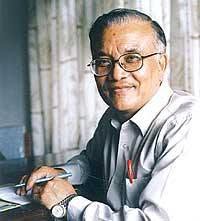
But there were also many milestones we celebrated, like the excitement when construction moved forward at the headworks, tunnel and powerhouse, overcoming new hurdles at every turn. Or, the agreement that 10% of Chimile Hydropower Company Limited shares would be allocated for local communities to purchase. And finally, that day in 2003 when the project started feeding 22.1MW of electricity into Nepal’s national grid.
One Indra Jatra when I was ten, we were out watching the Kumari chariots being pulled through the streets of Kathmandu. My father was not really interested in the procession. He sat in a corner, scribbling away in a tiny notebook, the kind he always carries in his shirt pocket with a pen. He still does this despite now having a smartphone.
He showed me some calculations and began explaining how Nepal Electricity Authority (NEA) employees at various levels could invest in Chilime shares. He was worried that, without upfront capital, many employees might not be able to purchase as many shares as they could otherwise afford over time.
He was trying to find a way for them to use their provident fund or salary savings to participate. It was a brilliant idea, and he negotiated with the Employees’ Provident Fund, the NEA, and others to make it happen.
BURIED HOPE
Now, tragically, Chilime is no longer operating. It was one of a dozen hydropower projects on the Trisuli Basin that were swept away by the 26 August flood. The Chilime power house is buried in mud, and six people lost their lives.
The devastation of the hydropower projects, and the hundreds feared dead at these sites, have raised questions about whether Nepal’s long-cherished hydropower dream can ever be pursued in quite the same way again.
Back then, my father had walked me through the tunnel to emerge at the underground powerhouse. I was completely wide-eyed seeing a room four-storeys high inside a mountain — all built by Nepalis with Nepali investment. It was only then that I truly understood what the Chilime team had accomplished, and what my father had been dreaming about for nearly a decade.
When the project was completed, we invited the entire Chilime team to our home, had everyone sit on the floor in a long row, my mother giving the traditional sagan to each person involved in the project.
Many years have passed, and my father has retired from the NEA and moved on to other challenges. But no other project he has taken up has ever meant as much to him as Chilime. There may be a way to recover and repair the underground powerhouse, or maybe not. But Chilime’s significance and legacy was never tied only to its physical infrastructure.
Growing up, we were taught in school that Nepal was second only to Brazil in hydropower potential. It turns out the number-two ranking was never true, but the promise of hydropower as a path to national development and prosperity certainly was.
Chilime showed how that dream could become a reality. It helped demonstrate that Nepal could design, finance and build a major hydropower project with its own people and institutions. It helped build confidence in Nepali investment and brought many ordinary Nepali households into the stock market. It allowed the NEA to build the even more ambitious 456MW Upper Tama Kosi, which my father called ‘Chilime’s elder brother’.
Chilime influenced how hydropower development could be imagined in Nepal. Its model of public-private partnership, with majority holding by the NEA, an array of private investors, and a definite share of local ownership, has inspired or influenced an array of the hydropower projects in the country today. Chilime helped democratise hydropower investment. It became a symbol of a new beginning, or pride and possibility.
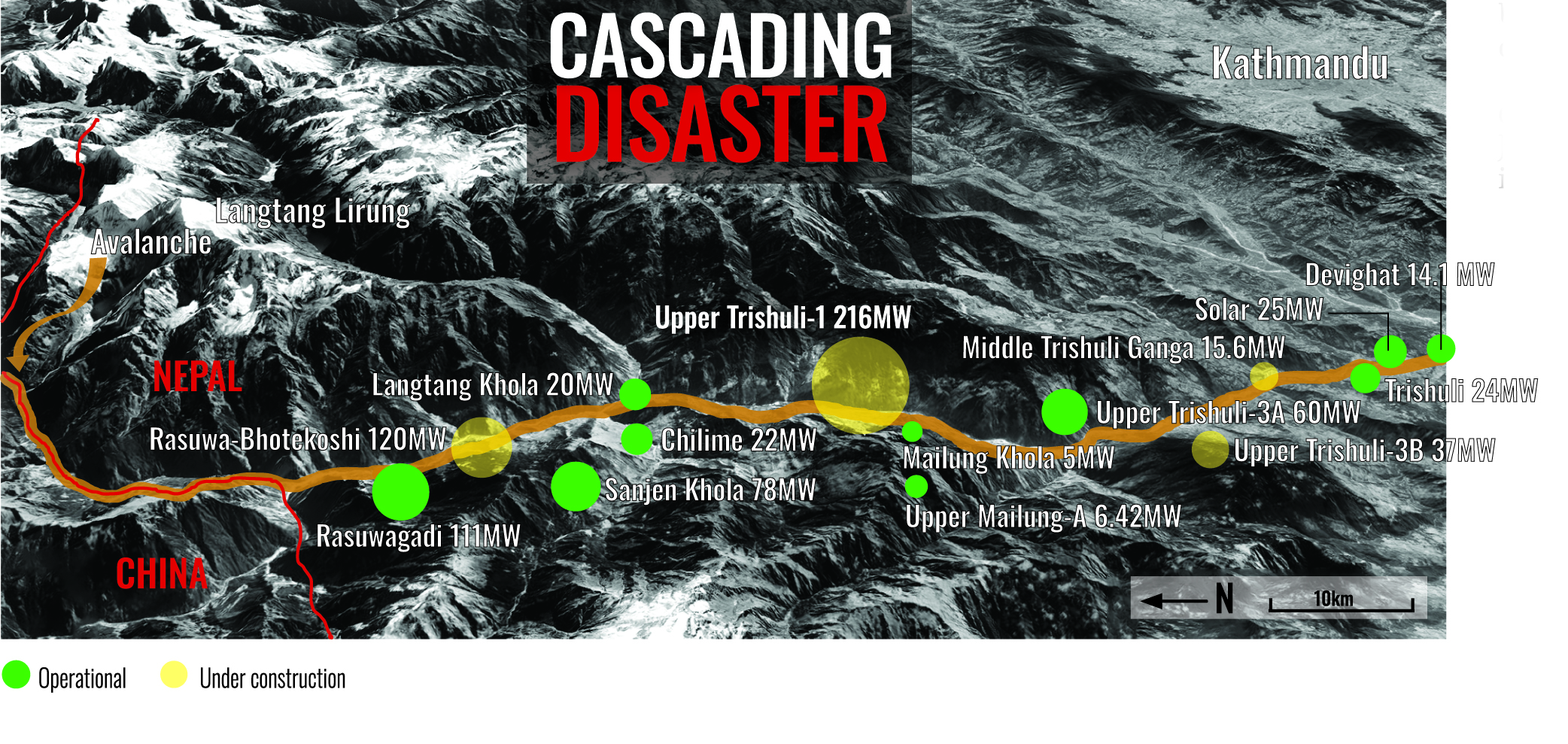
The recent devastation has brought to the fore the many risks that come with the country’s hydropower ambition. The biggest vulnerability comes from the climate crisis. This raises big questions: can hydropower really be the foundation of a more prosperous Nepal, and what will it cost to pursue that dream?
Nepal has a few other paths to economic progress, but cannot afford to abandon hydropower. Projects can be repaired. New tunnels can be dug and new structures built. But chasing the dream will take more than just infrastructure. It takes dedication, integrity and vision of the kind that my father had.
I remember the conversations around the dining table, the many tiny notebooks that he filled up over the years, the many days and nights he was away at the project site, the excitement in his voice when something finally moved forward, and the mountain where, as a child, I finally understood what all those years of work had created.
I wish my husband, who understands very well what Chilime means to me, had the chance to walk through that tunnel and emerge into that four-storey underground powerhouse. I wish our son had the chance to stand there and admire what his grandfather and his indomitable team achieved.
My heart aches for the lives lost, for the families grieving, and for all those hit directly by the disaster. And it aches for my second sibling.
But perhaps that is also why I find myself holding on to hope. I have seen what can happen when people believe in something even when it seems impossible, when they persist through setbacks and refuse to give up. Chilime was once only an idea in my father’s tiny notebook, but a decade later it stood inside a mountain.
I hope that this spirit continues to live on in Nepal: in the people who will rebuild, in those who will dream up what comes next, and in the generations who will continue to believe that seemingly impossible things can be made possible. That is the part of Chilime that no flood can ever wash away.
Dristy Shrestha is a social protection specialist who advises governments and multilateral institutions on policy reform, institutional strengthening, and economic inclusion strategies. Read Nepali Times interview with Damber Bahadur Nepali in 2003 here.