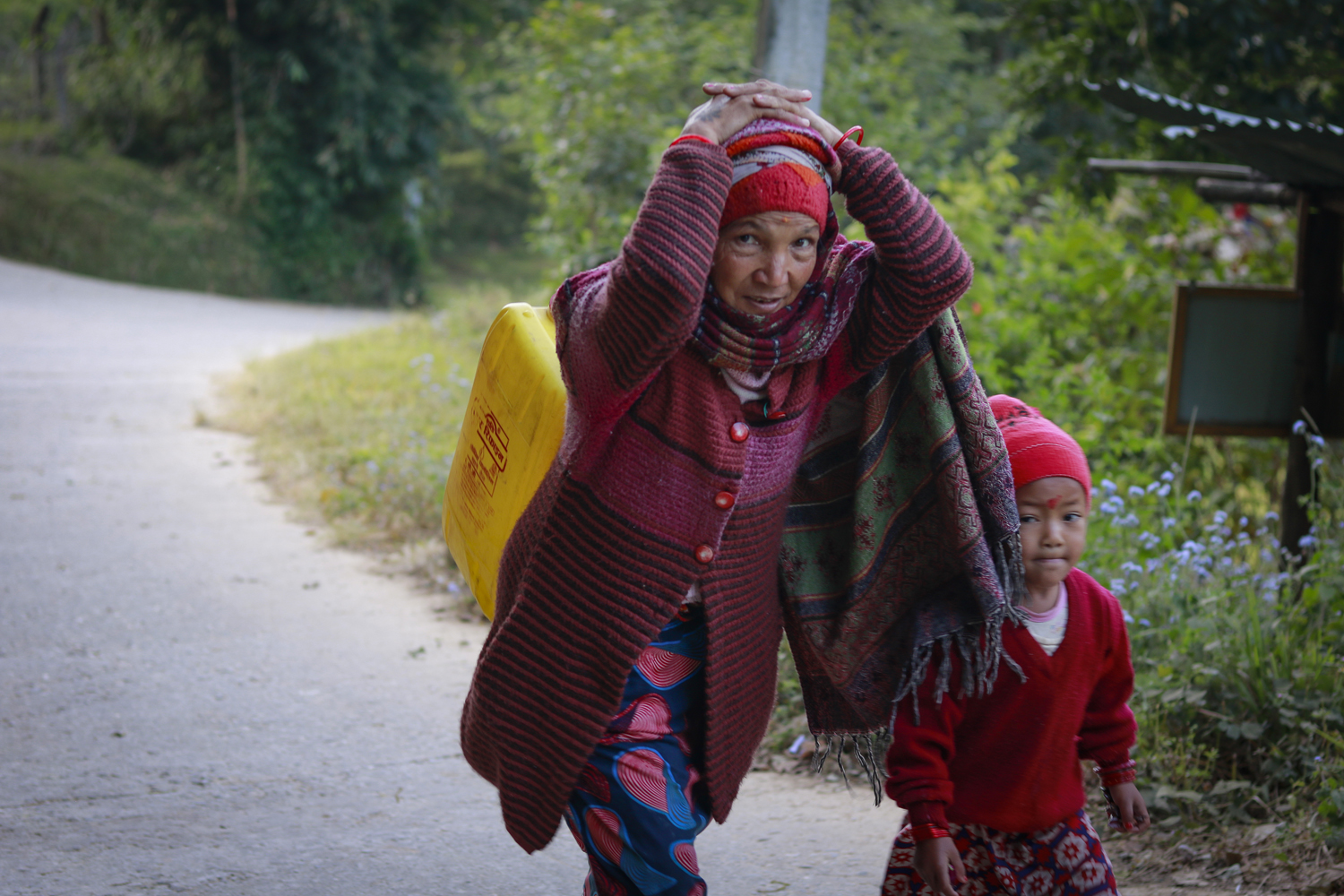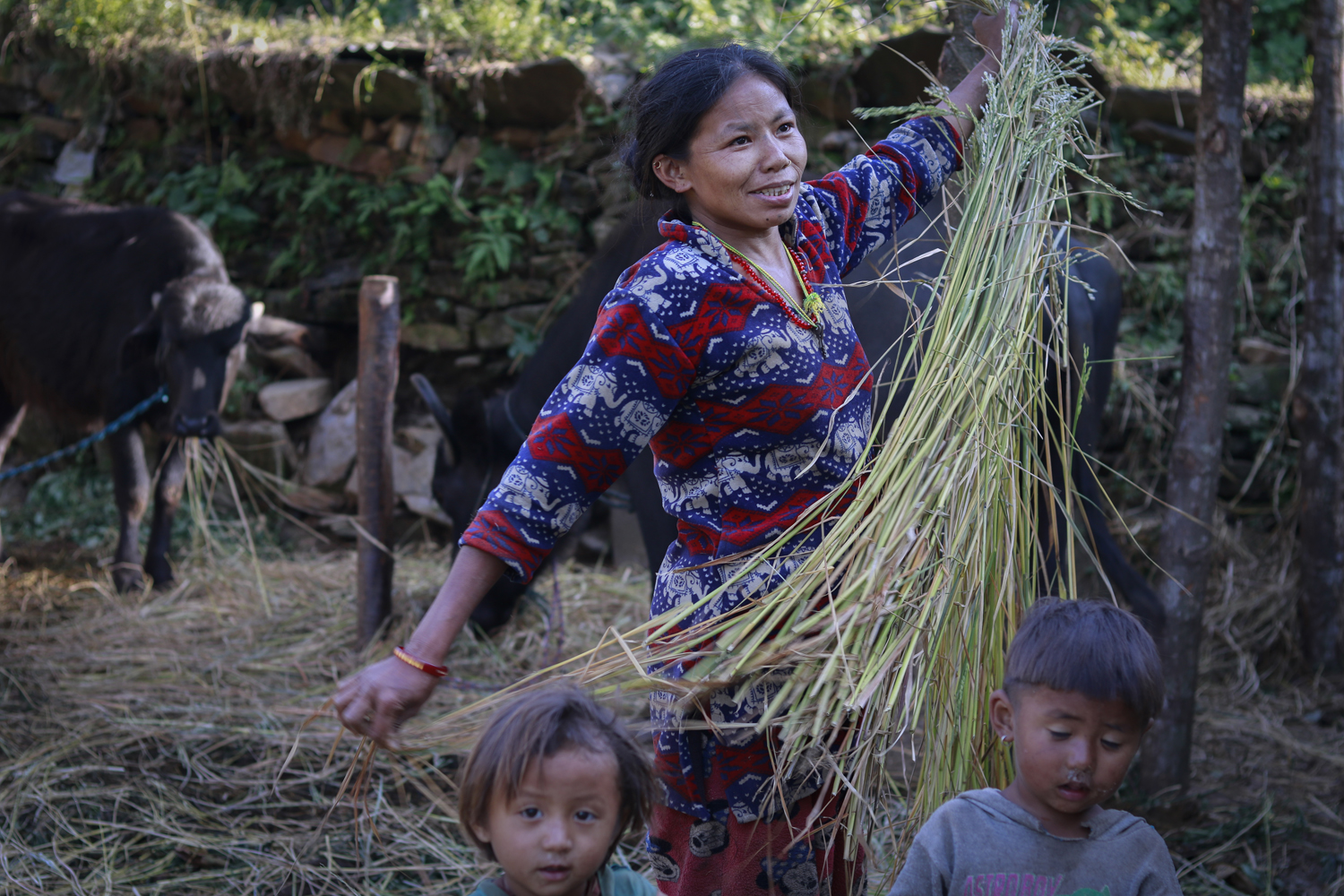
Chinimaya Lama, 30, cannot walk up the slope to fetch water for her livestock. Her lower abdomen hurts and she has difficulty sitting down. At home she looks after her husband and five children.
She went to a health post six months ago, but the staff there did not even have painkillers. Lama has a uterine problem and cannot afford to go to a city hospital to have it treated.
Every few years at election time, political leaders campaigning house-to-house come by to the village of Syaule promising to upgrade its health post. This year, too, the candidates have trooped in, but residents of this scenic village with 52 households have heard it all before.
Lama’s neighbours Pemsang, Rammaya, Dilmaya and Kanchi Tamang all have uterine problems like her, caused by multiple pregnancies, hard work in the fields and poor nutrition. None of them have access to diagnosis or treatment.
“Candidates asking for votes would have got a much better response if they had also come up with health camps for women and brought medicines for us,” adds Lama, bundling grass for her cows.
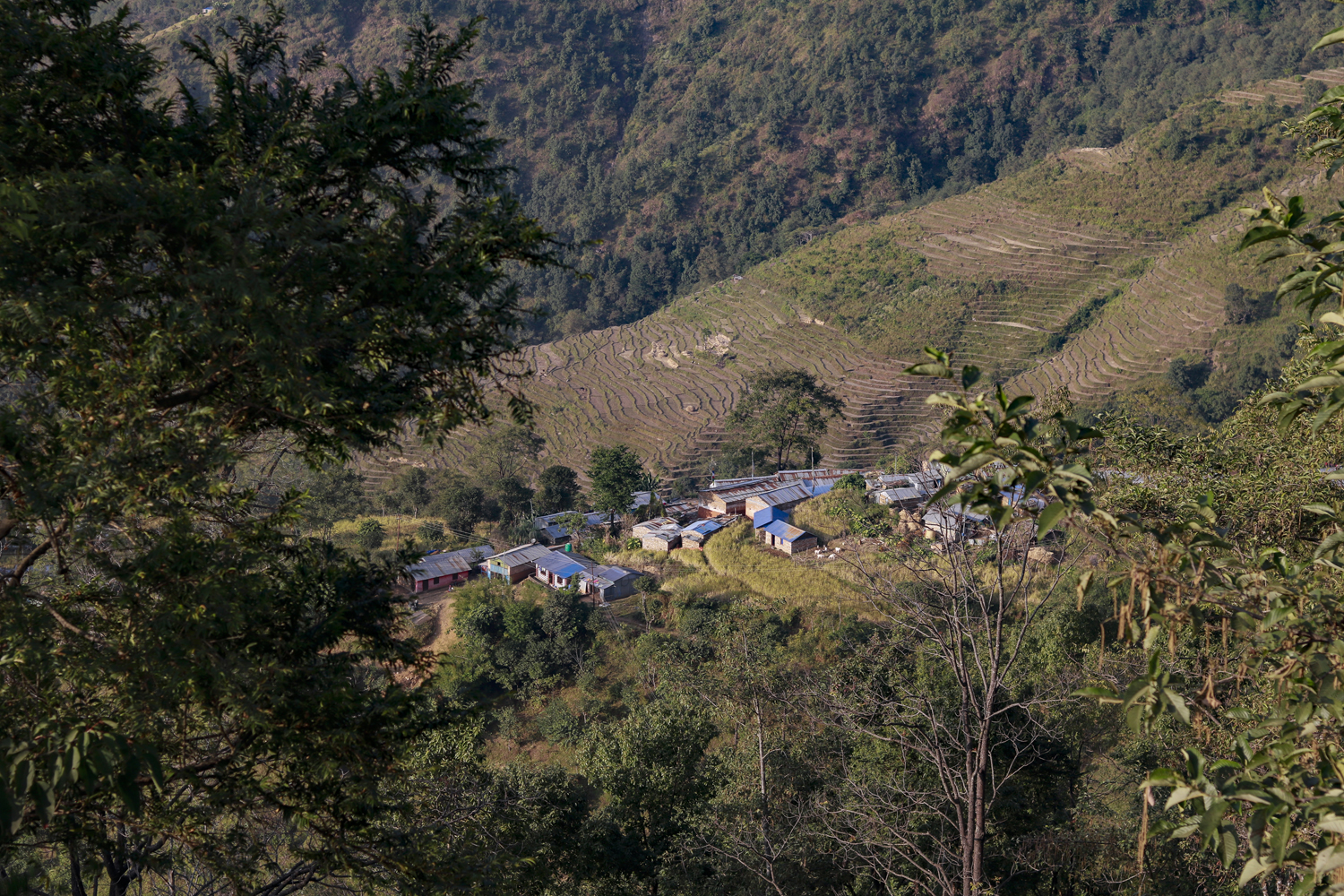
As in other parts of rural Nepal, there is little excitement about the 20 November elections in Syaule, which is a 4 hour drive northeast of Kathmandu. There is a look of quiet dejection and much grimacing, when residents are asked if they will vote.
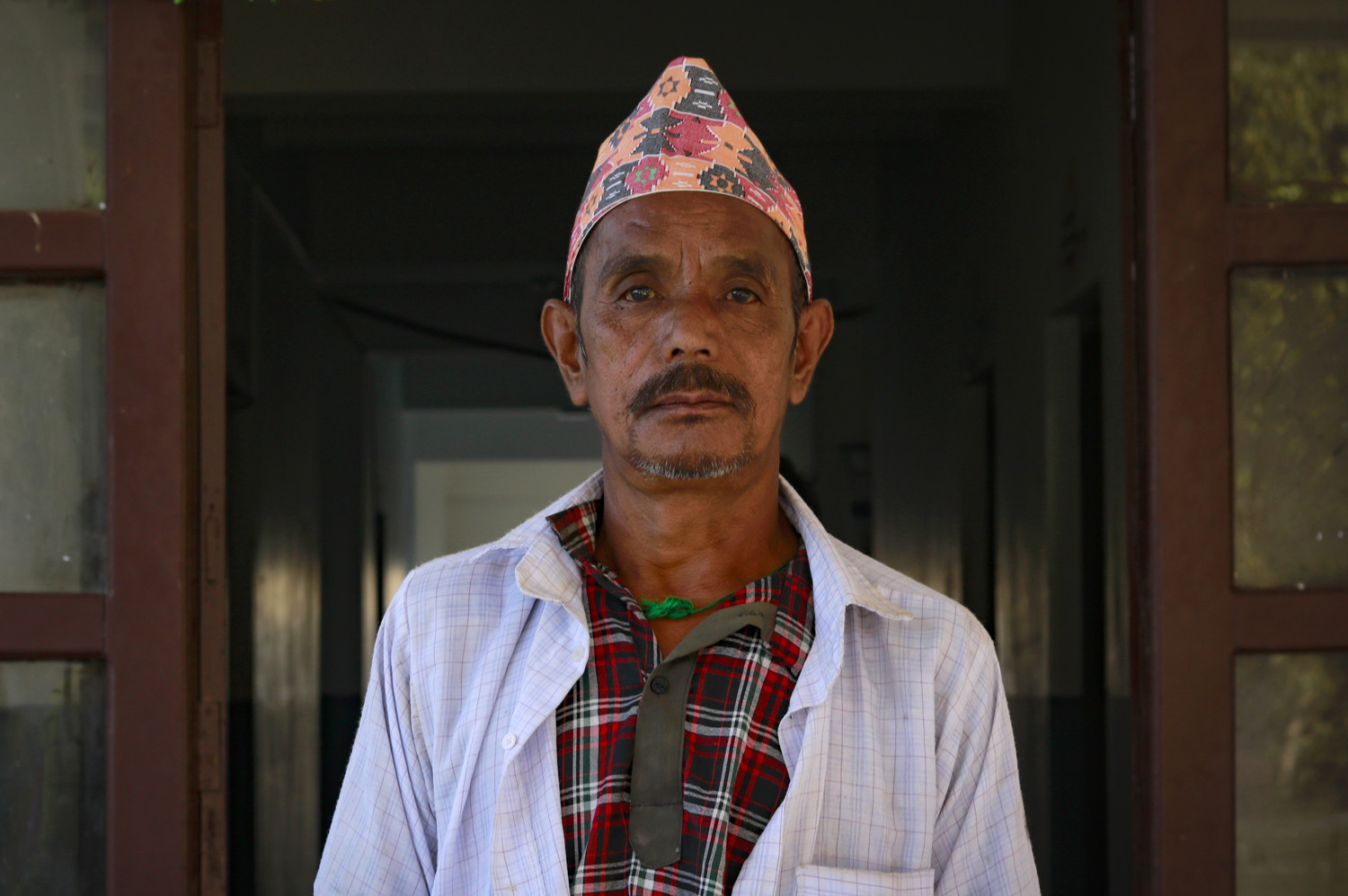
“From before I was born, we have faced lack of water, proper medical care and joblessness. When these candidates come asking for votes, I just get furious,” says Wakab Tamang, 80, scowling through his wrinkles.
Read also: Depending on independents, Shristi Karki
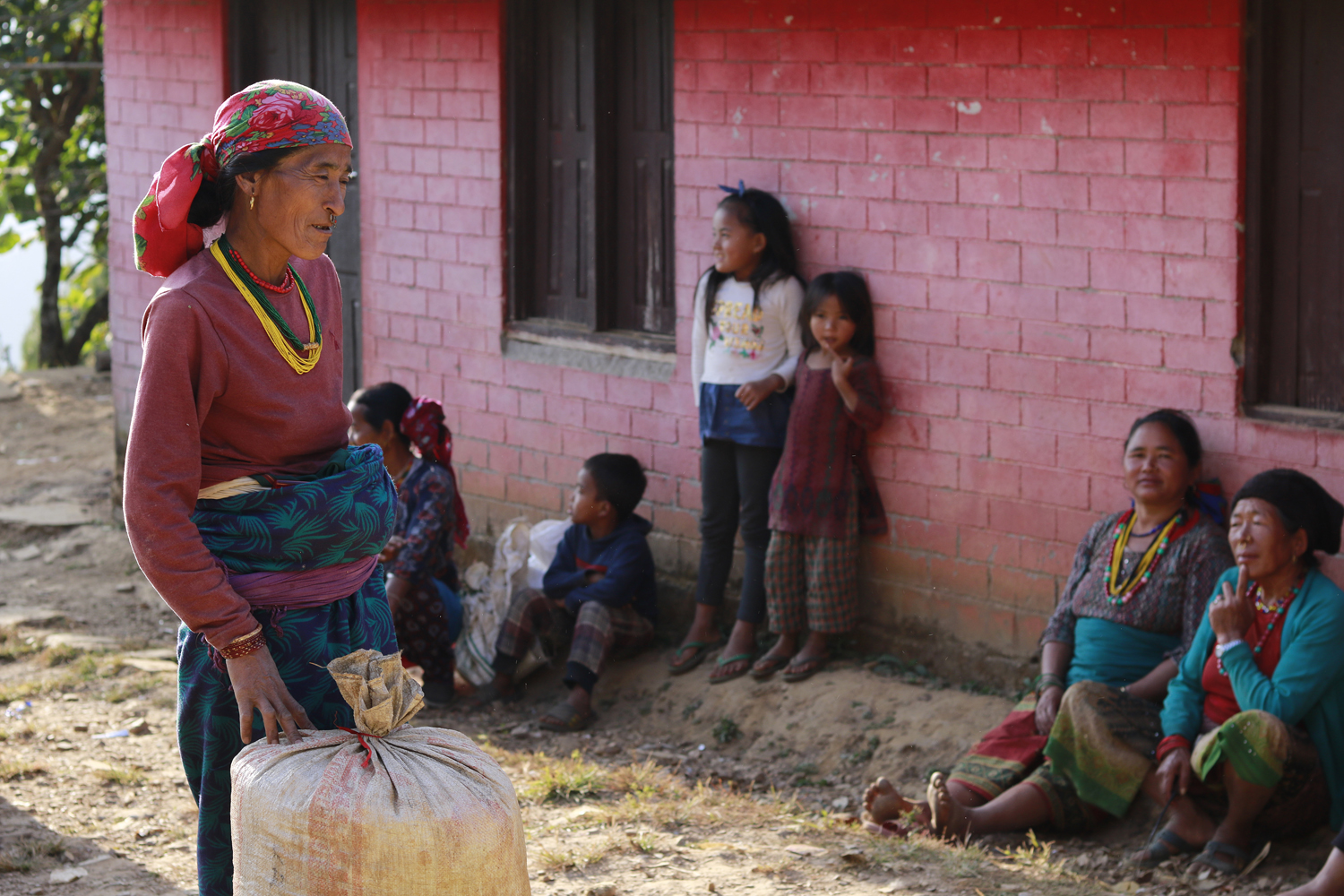
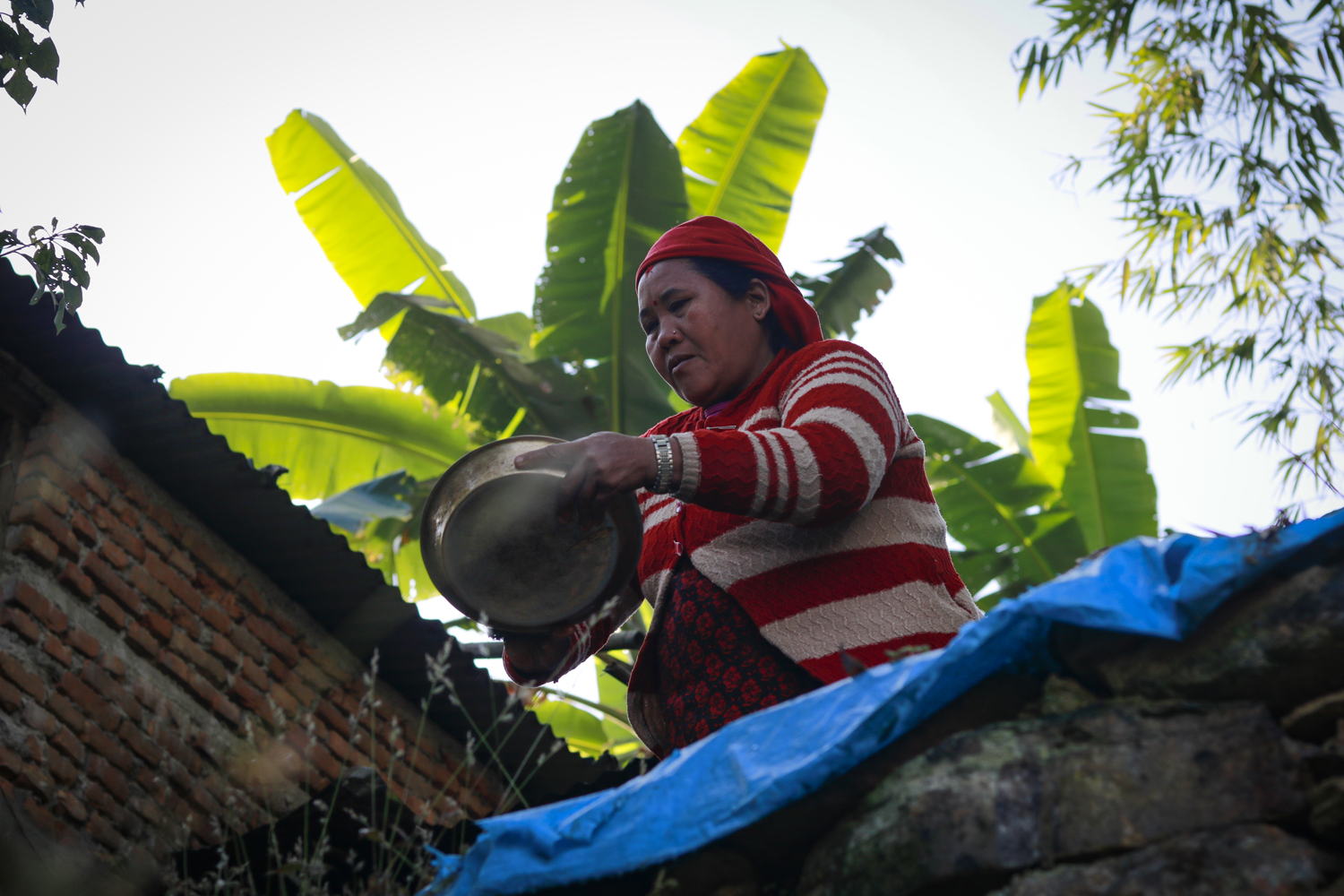
Syaule villagers have therefore collectively decided to boycott the 20 November elections. Says Chinimaya Lama: “I would rather go to my daily job and earn a few hundred rupees to buy food for my children instead of wasting my time voting for leaders who do nothing for us.”
Residents of the adjacent village of Sanghachok have also decided not to vote. Mishri Lama, too, has faced water scarcity for three generations.
“They tell us we will get water but it is only because the election is here and they want our votes,” says Lama. “They act as if we are family at election time, and then abandon us. No, we are not voting.”
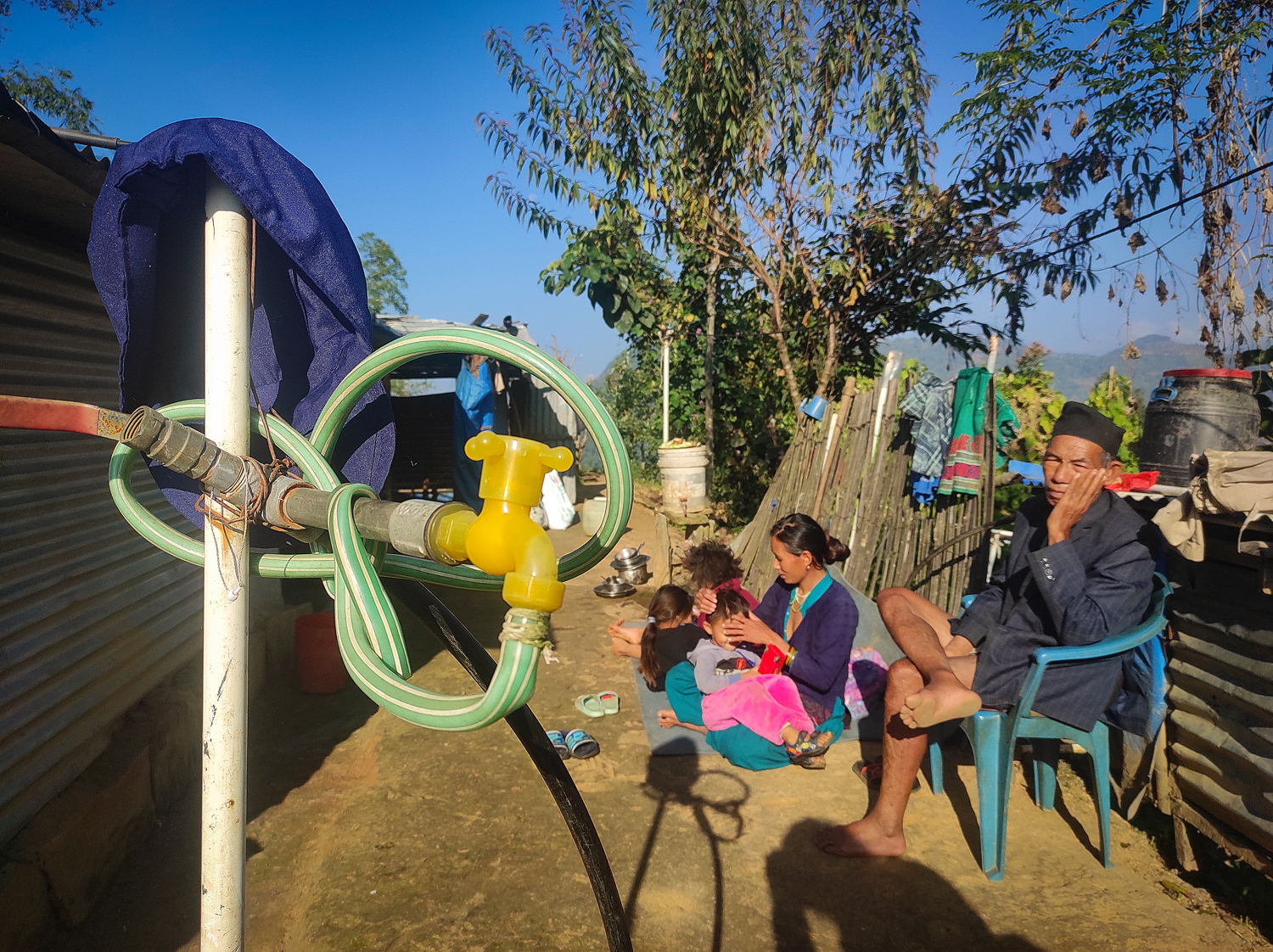
Springs going dry due to over-extraction and climate change is a problem across Nepal’s mid-mountains, but is especially acute in ridge-top settlements like Syaule and Sanghachok.
Dhan Bahadur Tamang spent thousands of rupees to fit a tap a few years ago, only to find that the spring had gone dry. No politician came to help. “I won’t even open the door for these candidates when they come by, I’m sick of them,” he adds.
Last year’s monsoon floods destroyed the main road from Chautara, and there has been an effort to repair the landslides which children have to make a dangerous traverse every day on their way to school and back.