Almost every household in western Nepal has a family member working in India, and the 6.6 magnitude earthquake that shook the region last month has added to the exodus.
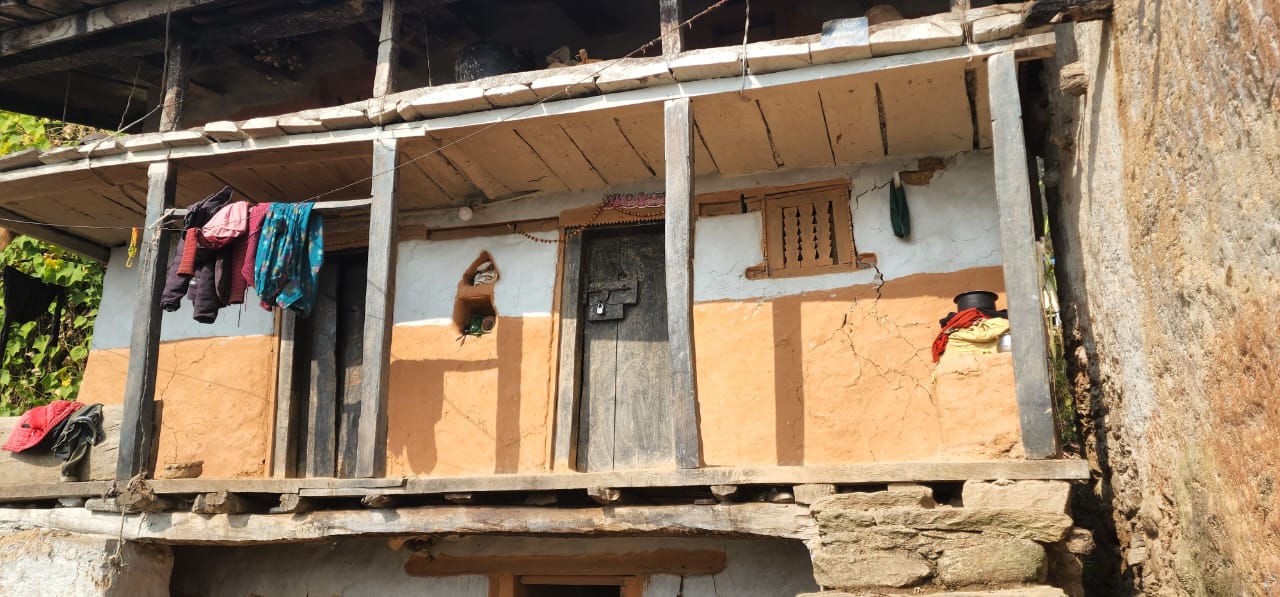
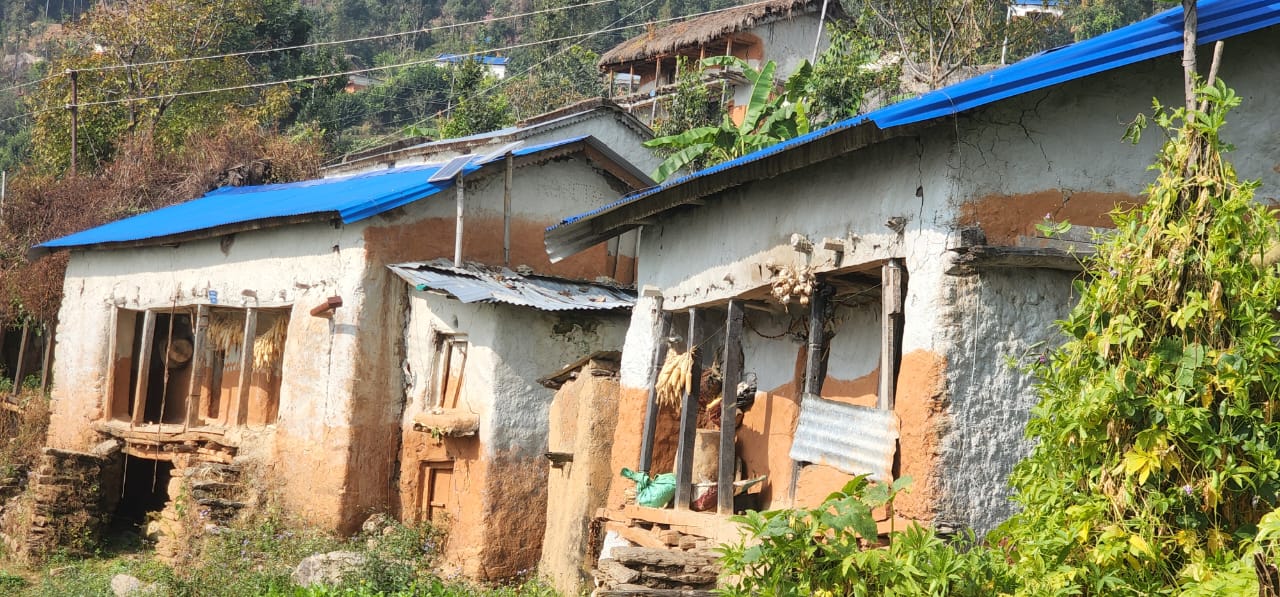
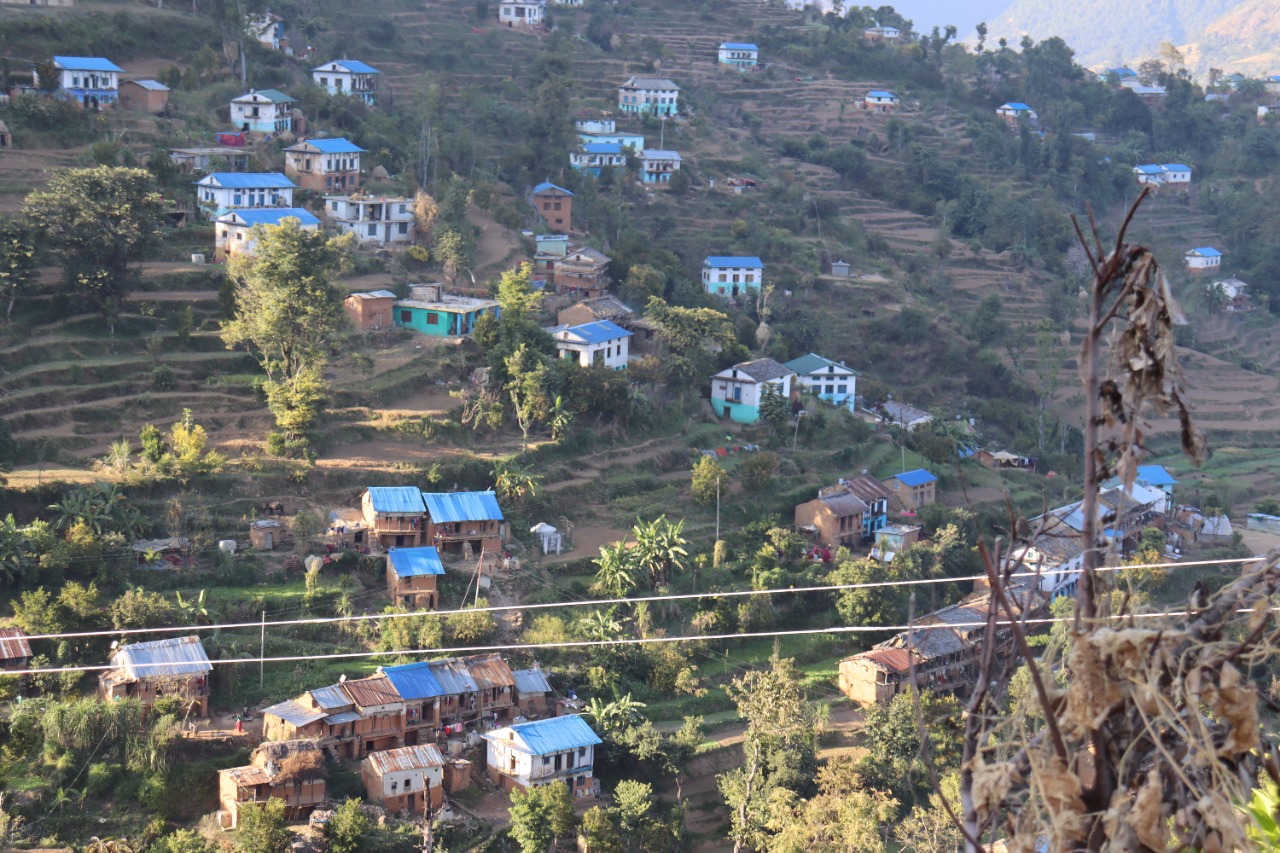
Six people were killed, and there was widespread destruction. In Achham's Sanfebagar 90% of homes were damaged. But even a month later, there has been no detailed assessment of the damage, and even more villagers have been forced to migrate to India to earn money for repairs.
Like many in this arid region, Dal Bahadur Bhool is a subsistence farmer. His house was destroyed, and he has no money for repairs and no option but to follow thousands of others from far-western Nepal to earn some money in India.
Read also: Epicentre of two disasters in West Nepal, Sonia Awale
“His family has been under the tent for almost a month, his children are also sick with cold,” says Gom Rawal, a neighbour. “There is no other income for the family or help, so he is going to India in a few days to try to make a living.”
Five other families from the nearby Khaptad Valayanta and Putru villages in Achham are also preparing to migrate to the Tarai, where a few families have some land, or to India. “The number of people looking to leave is high among the families whose homes have been damaged,” adds Rawal, who is also the member of the Achham District Committee of the CPN-Socialist Party.
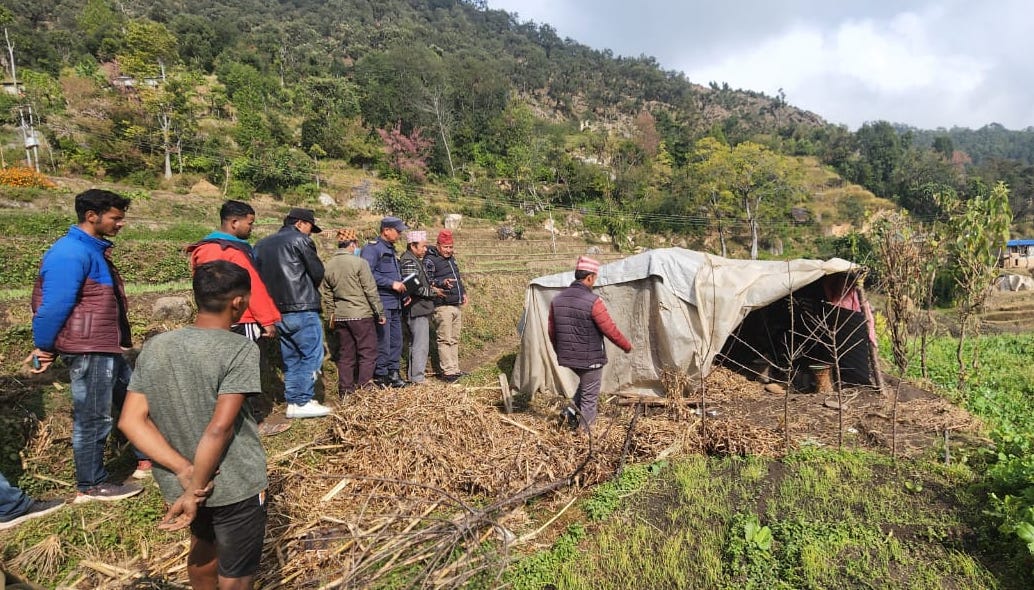
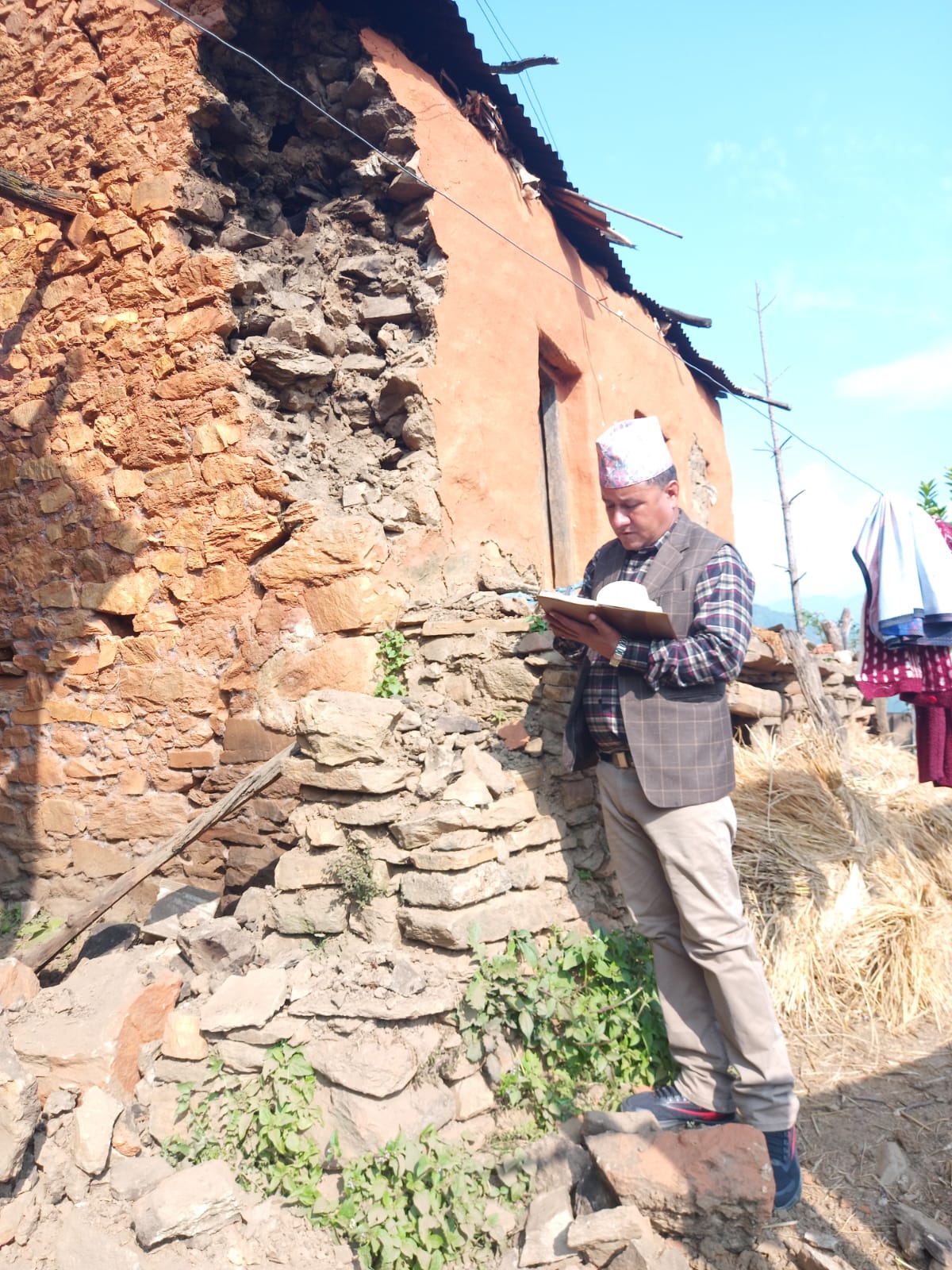
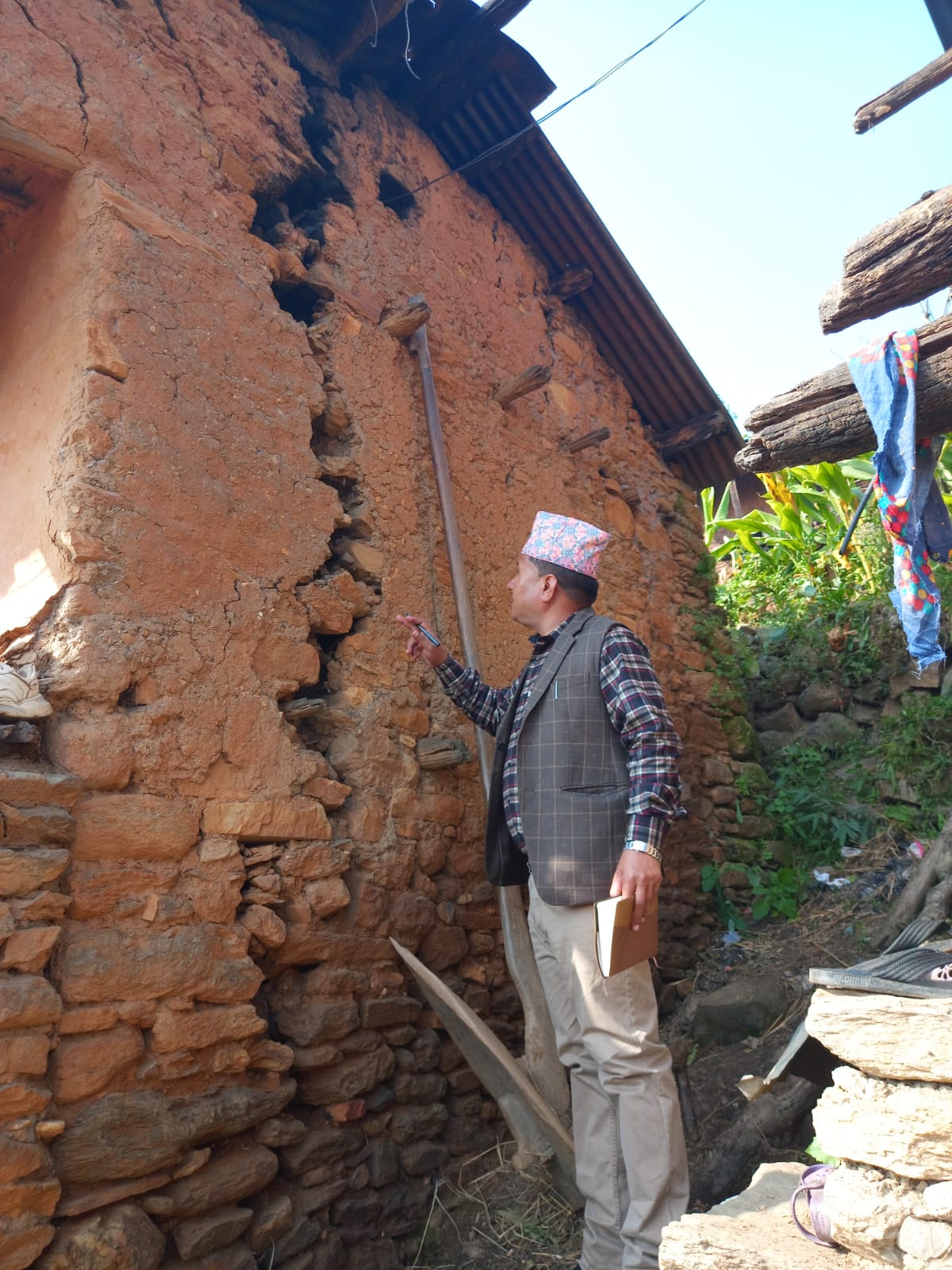
Pooja Kadayat of Sanfebagar-7 has already moved to Bangalore where her husband is employed after their home collapsed. Her uncle Dharma Kadayat says: “Many of us continue to live under tents in bad conditions, while some have gone south, there has been no proper survey of the exact numbers of how many have left.”
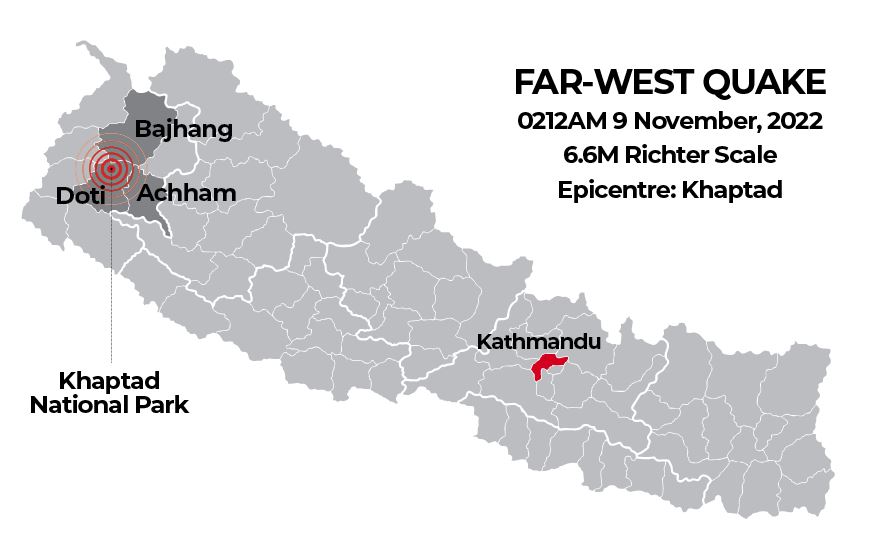
The earthquake epicentre was at Khaptad National Park in Doti, and struck at 2:12AM local time, with over 300 aftershocks over the following days. Achham and Doti district suffered the worst damage. Six have died and 10 were injured in Purbichoki where 11,000 houses sustained cracks and 120 were levelled. Many families are now either living under tents or have migrated elsewhere.
"We had a sudden rush of trauma patients from Doti and Achham who needed surgery, and we referred some of the more serious cases to Dhangadi," says Mandeep Pathak, an orthopaedic surgeon at Bayalpata Hospital, where the non-profit Nyaya Health Nepal provides free medical care to the people of surrounding districts. Many staff homes were damaged, although the hospital itself with its seismic resistant rammed earth architecture was unscathed.
Western Nepal has not seen a meda-quake for 500 years, and continues to be at risk of a disaster of 8M or higher. Central Nepal also saw an uptick in out-migration of people in the aftermath of the 2015 earthquake that was 7.8 on the Richter scale.
In Sanfebagar, 6,000 houses have sustained cracks with a few completely destroyed. “Nonetheless, there is considerable risk to live in the buildings that didn’t come down,” says deputy municipality chair Shiv Bahadur Kunwar.