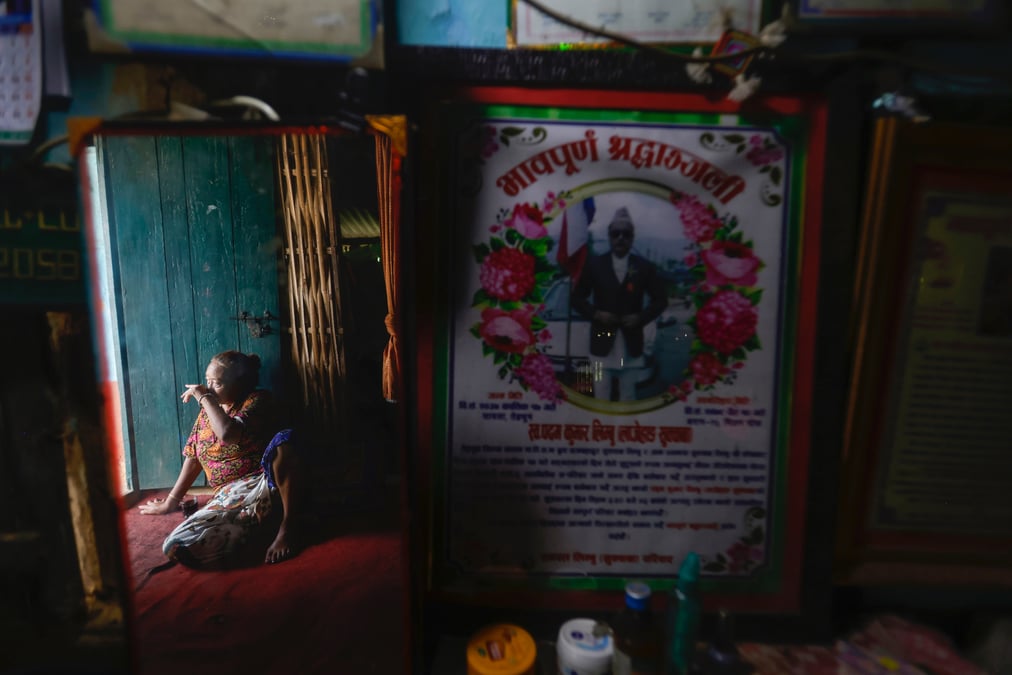
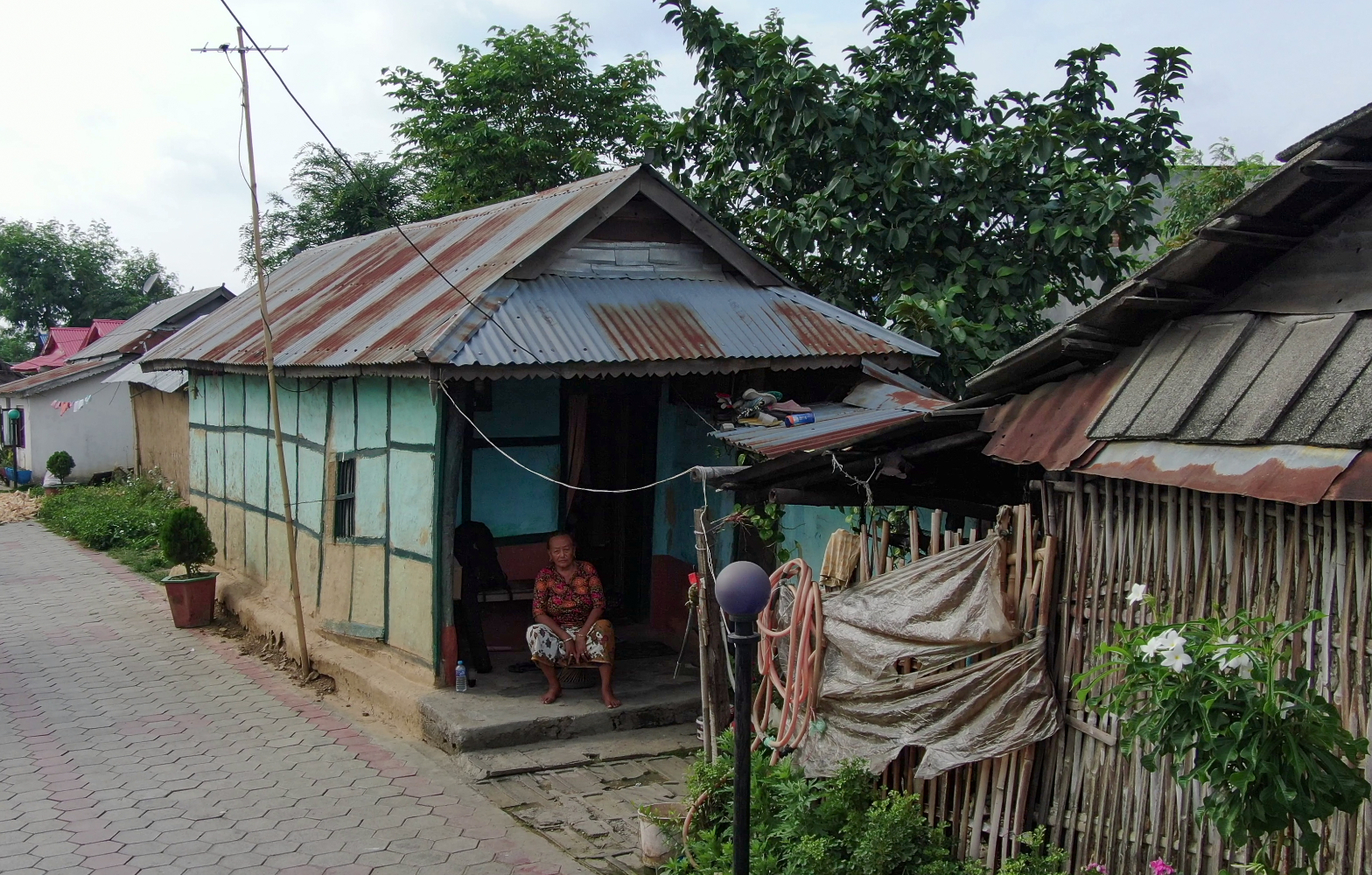
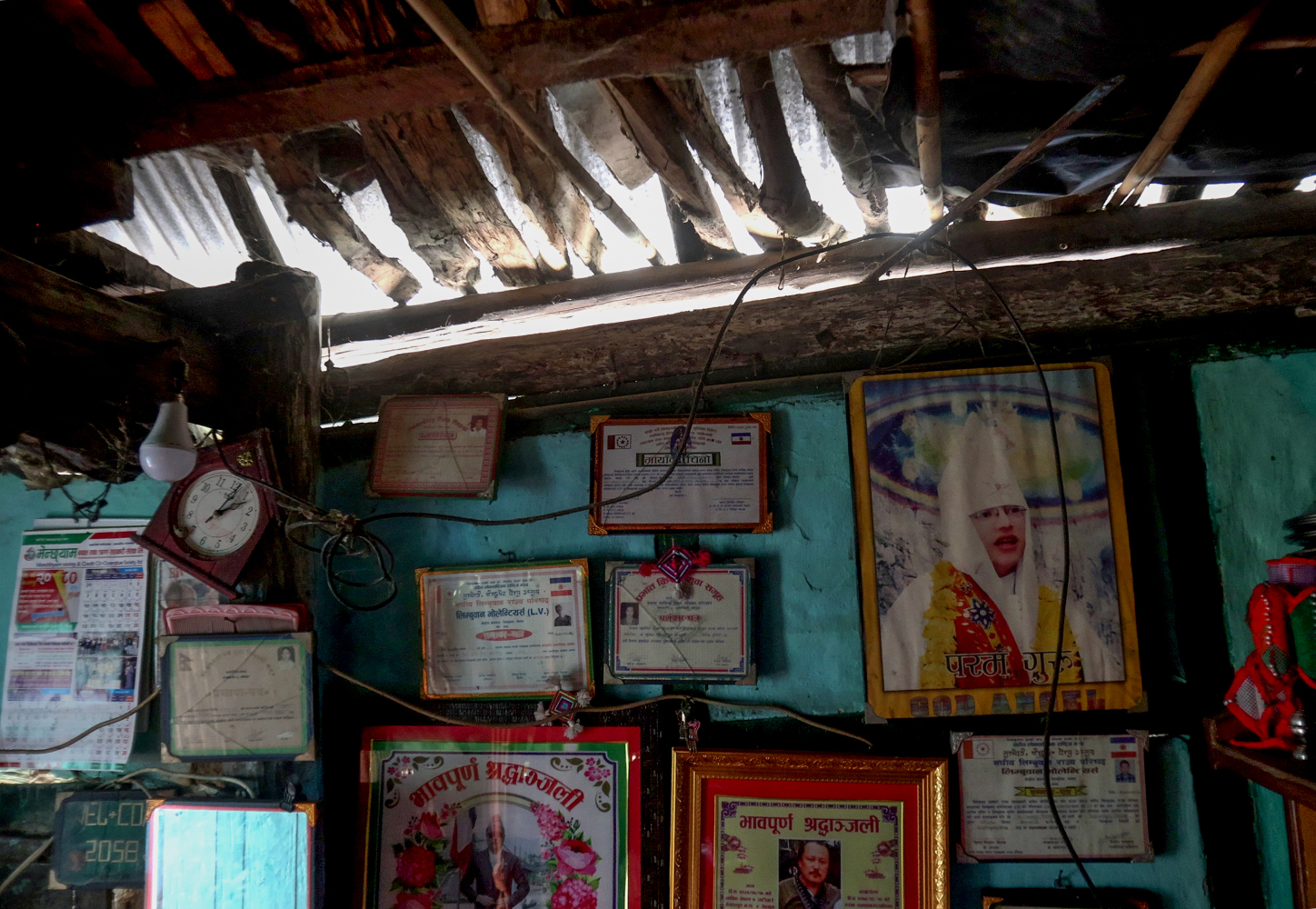
Padam Limbu promised his mother Dhanmaya that he would build the family a new, sturdier house to replace the one-storey cement and bamboo structure they lived in.
Nine days later, her son was dead. Dhanmaya would learn that her son had been declared a ‘martyr’, but she did not know a martyr for what.
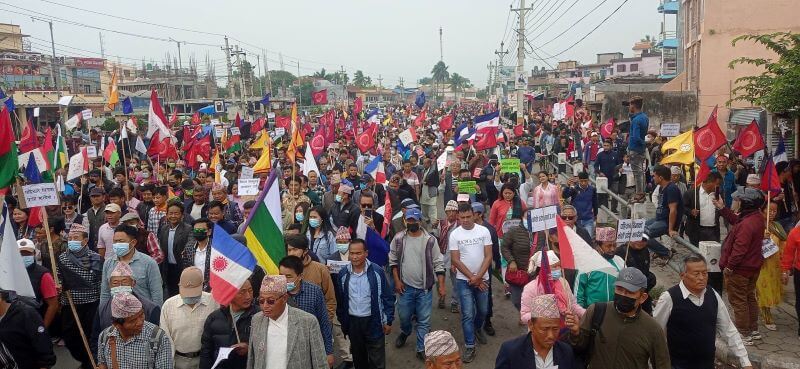
Padam, 43, was affiliated with the Sanghiya Rastriya Loktantrik Sangh which was agitating against Province 1 being named Kosi Province on 1 March. The front wanted the name to reflect the indigenous inhabitants of eastern Nepal, the Kirat Limbuwan people.
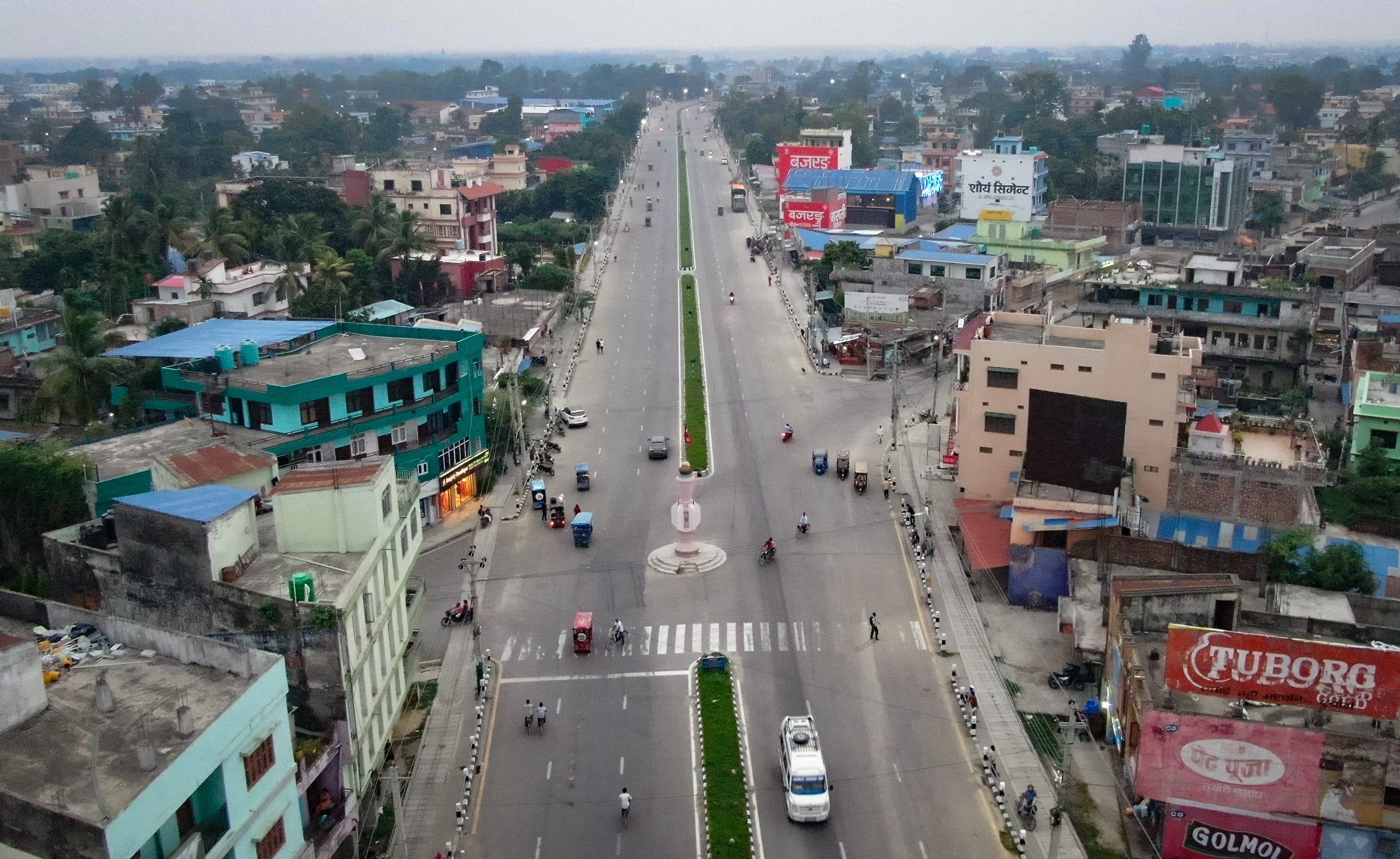
Padam was injured in the head as police clashed against protesters in Biratnagar on 19 March, and died in hospital five days later. He leaves behind his mother Dhanmaya, 70 , two younger sisters, and an 18-year-old son.
Read also: State of the state, Ramesh Kumar
How Nepal’s federal provinces should be demarcated and what they should be named has been a contentious issue ever since the first post-conflict Constituent Assembly (CA) was deadlocked on the matter, and new elections had to be held in 2013.
The Maoist party was pushing for a 14-province model named after Nepal’s various ethnicities. The NC pushed for a territorial model, while the UML wanted a hybrid system with 15 provinces. A compromise on seven provinces was finally reached, but naming them was so contentious they were numbered from 1 to 7.
It was only after the first federal elections in 2017 that the provinces got names. Three of them were based on rivers, like Gandaki, Karnali, Bagmati, or geographical like Lumbini or Sudurpaschim. Only the Madhes Province got an identity-based name.
Province 1 did not have a name till earlier this year, because of opposing demands. Most of the dominant caste groups wanted to call it Kosi after the river, while indigenous communities wanted their Kirat Limbuwan identity recognised.
Read also: The Kosi’s sorrow, and scope, Kanak Mani Dixit
Hikmat Karki of the opposition UML was chief minister when the assembly voted on the Kosi name. But he was ousted in a confidence vote earlier this month, and replaced with Uddhav Thapa of the NC, although his election has been challenged in the Supreme Court because the assembly speaker in an unconstitutional move also voted to break a tie.
Thapa has since said Kosi name cannot be changed, but Prime Minister Pushpa Kamal Dahal told Maoist supporters here it was a “mistake” for his party to support Kosi. The issue has pitted two members of the coalition government.