While Nepal marked Mt Everest Day on 29 May, on the other side of the planet in the US state of Colorado dozens of Nepalis who have climbed the world’s highest peak multiple times were busy working as chefs and Uber drivers.
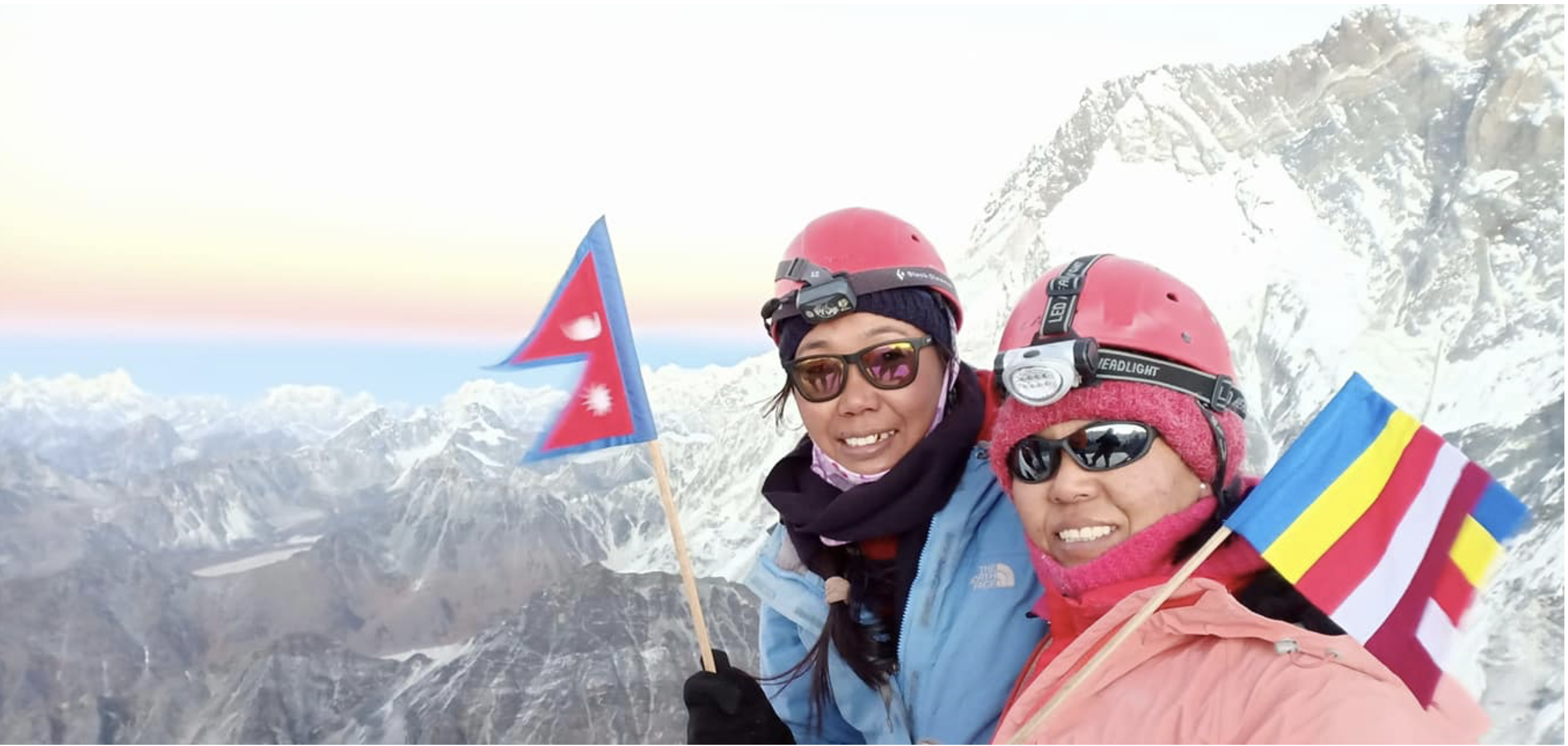
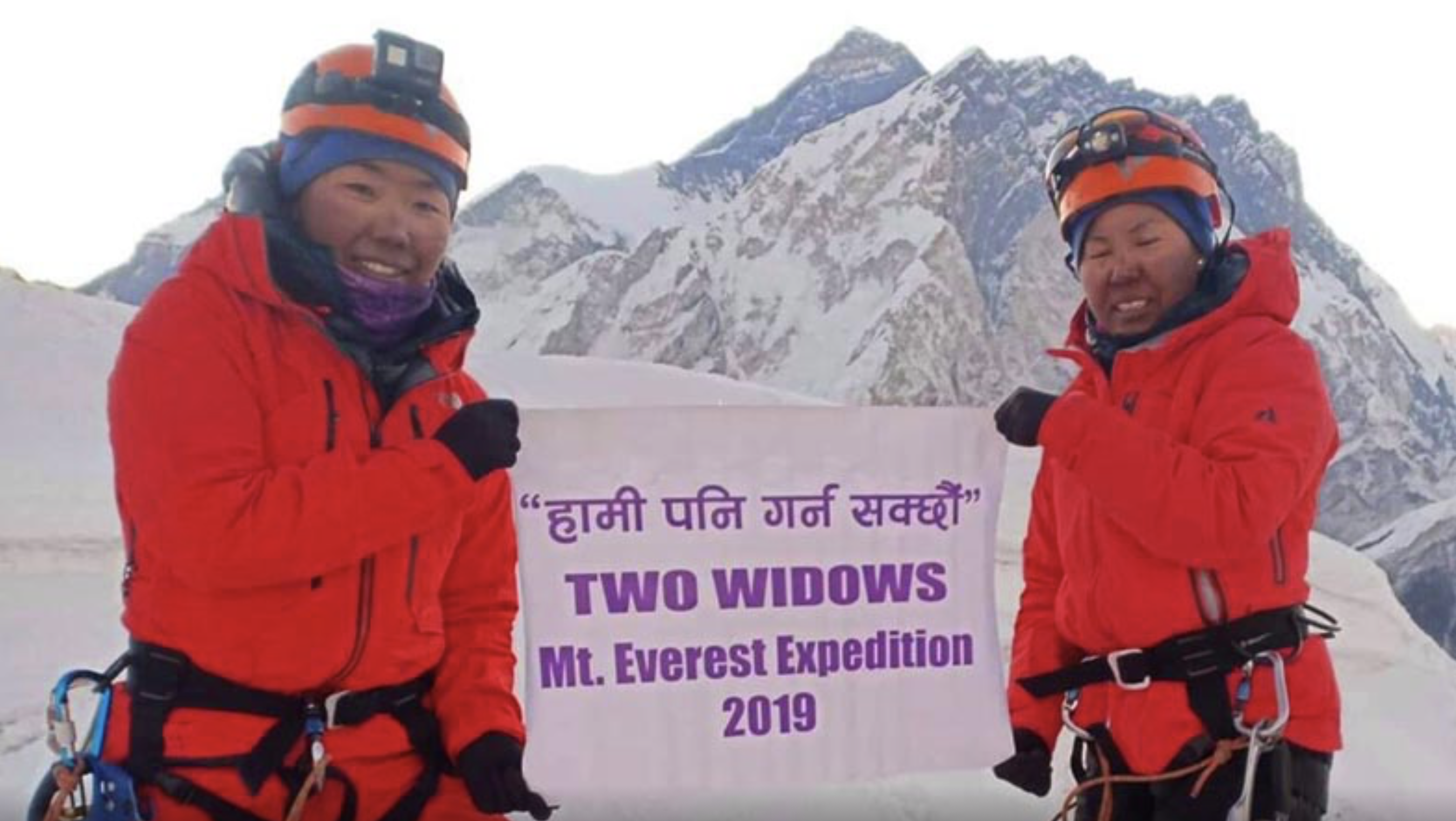
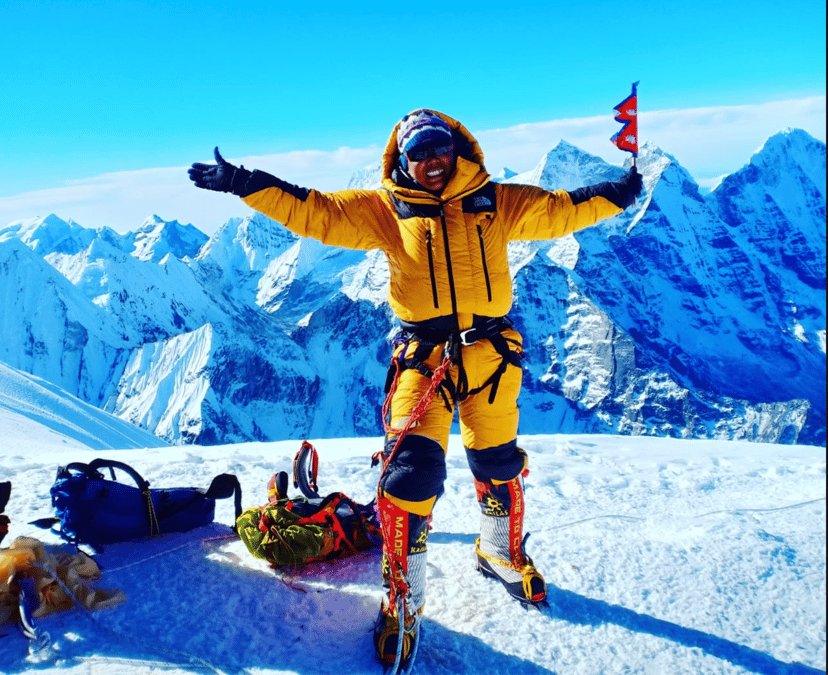
Among them is Nima Doma Sherpa, who climbed Mt Everest in 2019 after her husband Tshering Wangchu was among 16 crushed by an avalanche on the Khumbu Icefall five years earlier.
A large serac broke off the West Shoulder of Mt Everest and fell directly on a group of porters and guides making their way up the Icefall at 5,800m. Their bodies were flown by helicopter to Khumjung where Tshering Wangchu was born. He was excited about climbing Mt Everest for the first time.
In Khumjung, Nima Doma felt like her own life had also ended. This was the kind of news Sherpa wives, mothers and sisters dreaded every mountaineering season.
She stayed home for more than two years grieving, but ultimately gathered up all her emotional strength to take care of her 6-year-old son and 3-year-old daughter.
Nima had grown up in Khumjung hearing tales of adventure on the mountains from their father, Ang Chubi Sherpa who had climbed Everest in 1993. He used to bring her and her sisters and brother European chocolates after every expedition, and used to tell them that the chocolate bars grew on the mountains.
“It was only after we got older did we realise that he told us that chocolates grew in the mountains so we would not worry about him putting himself in harm's way,” Nima Doma recalled with a faraway look at her home in Boulder this week.
Nima went to the school that Edmund Hillary opened in Khumjung till Grade 8, and then dropped out to help in the kitchen and tend yaks. She was married off to Tshering Wangchu, who was also a high altitude guide.
When Tshering went on expeditions, Nima also started working as a porter from Namche to Base Camp. It was perhaps her father’s tales of mountains of chocolates that had always attracted her to the peaks.
After her husband was killed ten years ago this month, being a widow with children was not easy for Nima Doma. But she was not alone: there were at least 200 single mothers in the Khumbu, and 20 of them just in Khumjung whose husbands had been killed in mountaineering accidents.
Some were not even 20 years old, and had children growing up without fathers. But there were also women in the 50s whose husbands had been killed in the 1980s.