
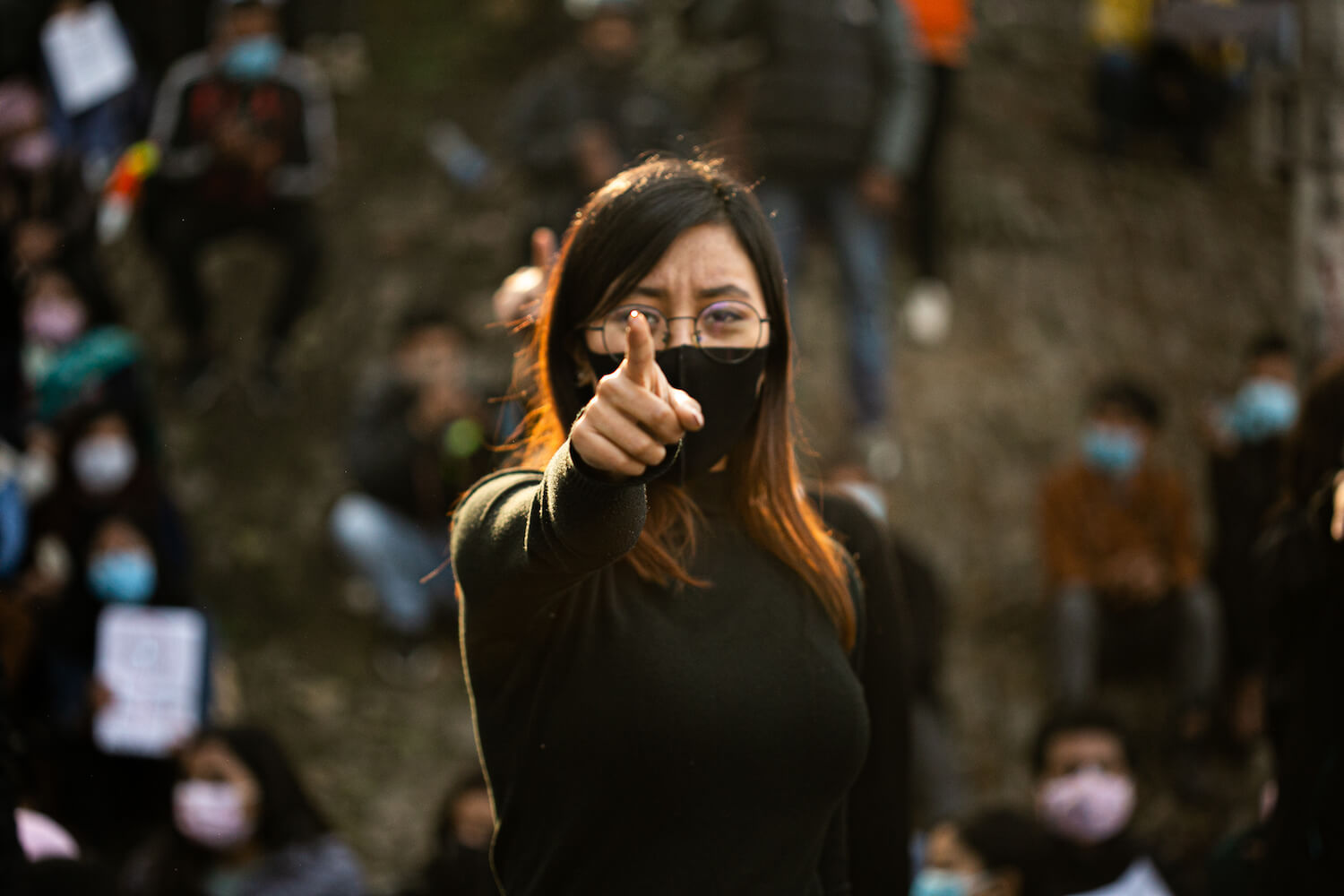
When the Immigration Department last month proposed travel restrictions for women under 40, Nepalis took to the streets wearing black, chanting slogans and holding placards.
The rage on the streets was magnified as the proposal coincided with a series of unsolved rape cases, and prolonged political stalemate due to feuding alpha males in the ruling NCP holding the country hostage.
The proposed travel ban was only the latest in a long saga of restrictive policies against women in the past 20 years, as Upasana Khadka meticulously details in her column Labour Mobility. Mostly, they were misguided attempts to curb trafficking.
Last year, in a move to revise the long-debated Citizenship Bill, the NCP bungled the task. Nepal is one of a few countries where citizenship laws are so discriminatory.
Xenophobic politicians have long used nationalism to justify unequal citizenship for Nepali women. For a state that acts as if it is so protective of women, it has spectacularly failed to prosecute perpetrators of sexual violence, acid attacks, dowry, and domestic violence.
The case of 17-year-old Bhagarathi Bhatta, murdered after rape in Baitadi in February became exceptional only because it was resolved by the police. Most other rape cases are either unlawfully ‘settled’ through police mediation, or perpetrators are never caught, like in the Nirmala Pant case three years ago.
However, with little or no help from an uncaring state and despite roadblocks and limitations, Nepali women have broken stereotypes, challenged gender roles and have achieved as much, if not more, than their privileged male counterparts. We have featured some of them in this International Women’s Day Special Issue of Nepali Times.

And perhaps it is a sign of times that women, particularly in the urban centres do not accept discriminatory laws and archaic patriarchal values anymore, they fight for their rights, advocate and speak out despite vicious online trolls, attempts at character assassination and threats of abuse and death.
At the same time, women have transformed the landscape of rural Nepal. Partly, this is because the men are missing: gone abroad for work. This is where women’s empowerment is most felt, they till the farms, build highways, lead community forestry groups, run schools.