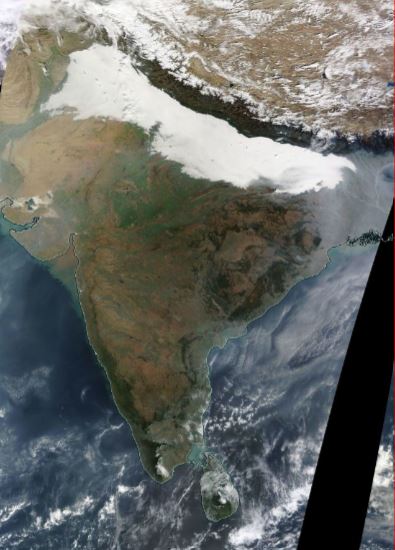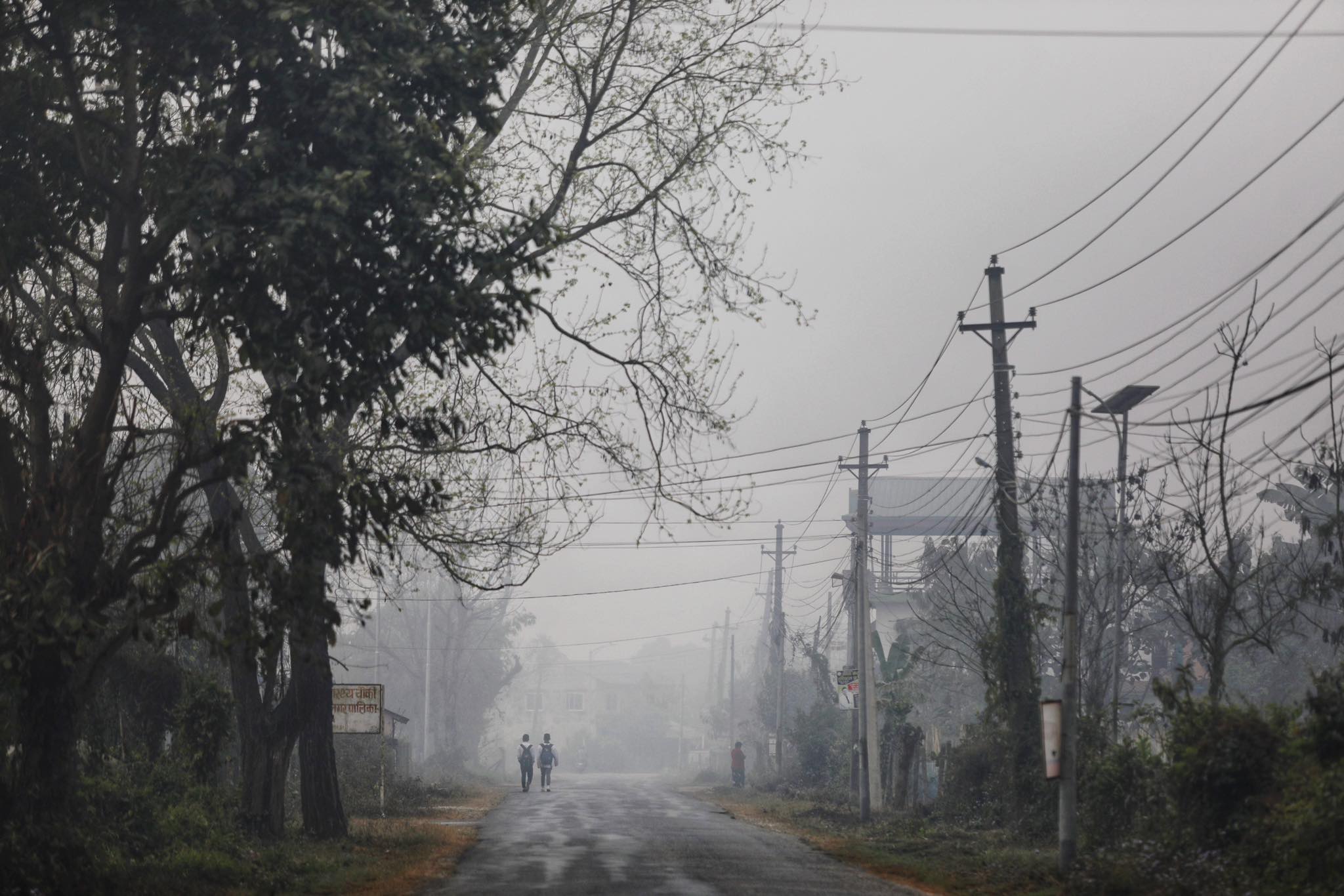
No one in the Tarai remembers the winter fog being this dense and lasting so long. They are used to summer heat and sultry monsoons, but not a ground-hugging fog so thick that the sun does not shine for days, sometimes weeks.
There is no specific meteorological English term for the Indo-Gangetic शीतलहर, a phenomenon in which cold winter air saturates moisture at ground level. In the old days, the sun used to burn off the mist by mid-morning. But the spread of winter irrigation increased water vapour, allowing droplets to condense on tiny suspended particles in the soot and smog.
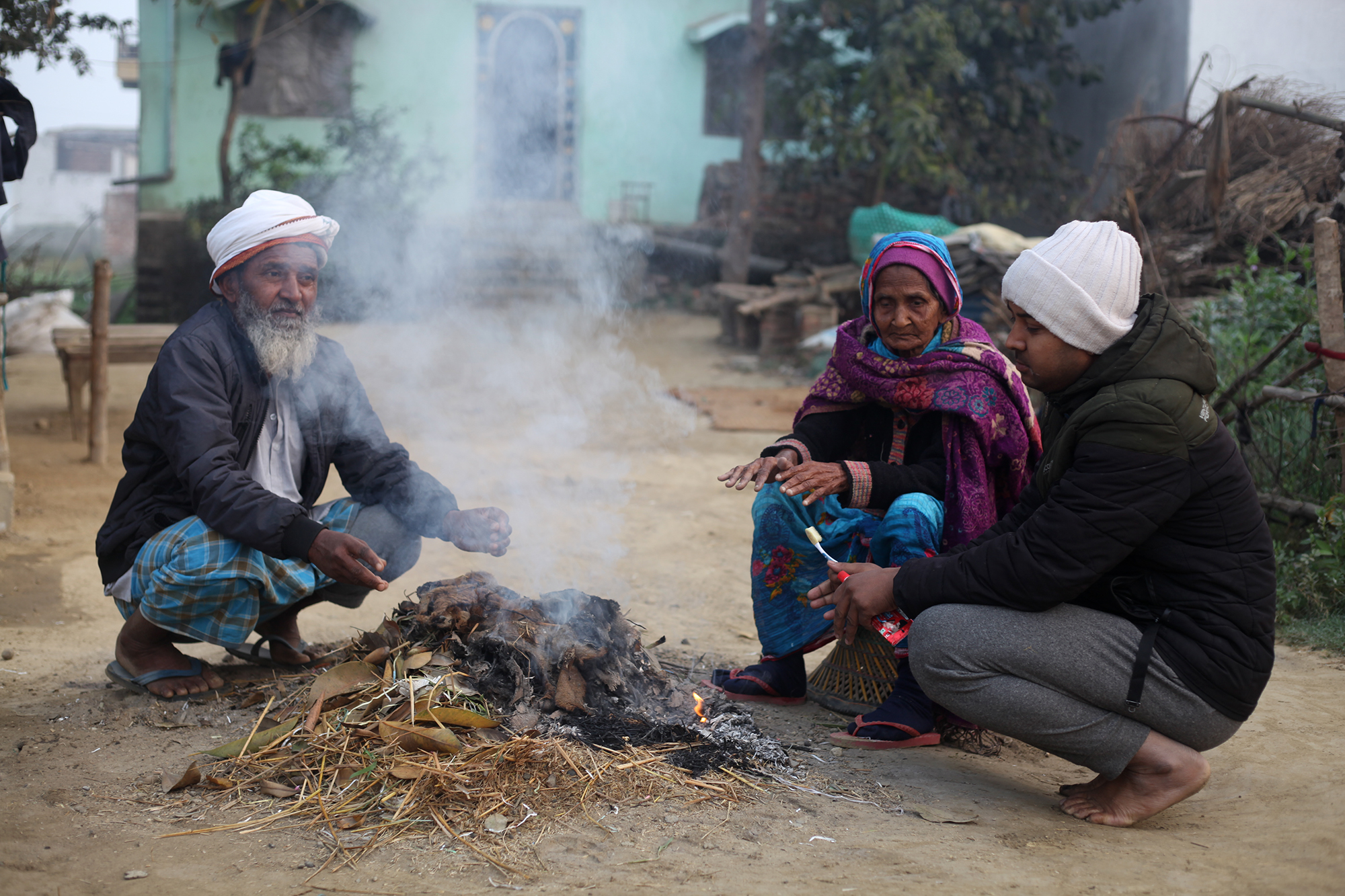
People burning straw and buffalo patties in smoky fires to stay warm increase air pollution, thickening the fog further. The sun does not get a chance to heat the ground and the fog lingers for days on end. The people of the lowlands are just not equipped to deal with these intense cold waves.
This murky miasma of winter is emblematic of Nepal’s current purposeless politics, with the 7-party coalition struggling to survive domestic and external efforts to dismantle it. The NC-UML rivalry over who gets to be the next president on 9 March is holding governance hostage.
The coalition calculus has implications for the plains: CK Raut’s Janamat and the Tharu-based Unmukti Party in the western Tarai are also in the 7-party coalition, but neither is happy with portfolios.
The media reports on the fog as a one-off event, not as a worsening trend. People are dying of exposure, but it is blamed on old age. It is not the cold that kills them, but poverty. Like all calamities in this disaster-prone country, it is the poorest who die first, neglected by society and state.
This year’s शीतलहर fog has not been as severe as 2022's, but it has lingered longer. And now that the winter is nearly over, the government and the media will again forget about this annual disaster till next year.
The fog closes schools, it affects crops, disrupts transport, and increases the incidence of respiratory infections and road accidents. People need to turn on lights in the daytime.