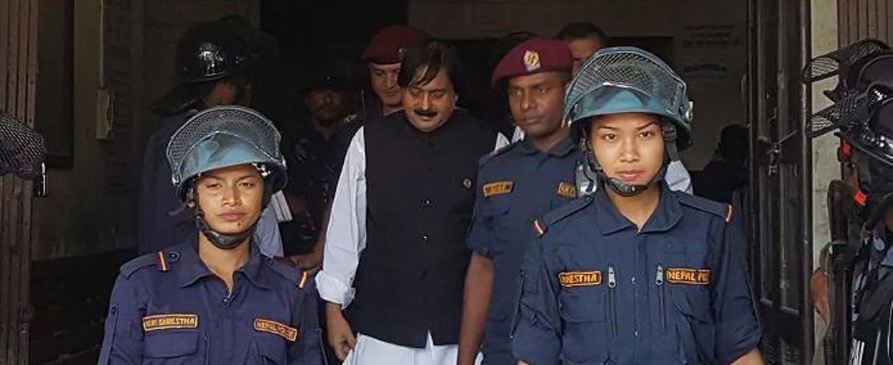
Rautahat MP Mohammad Aftab Alam, currently in police custody charged with murder, has refused to take a polygraph test, angering the police and making a mockery of the law. In fact, everything about this case has been mocking the rule of law for the past 12 years.
Before Nepalis could enjoy Dasain and witness Chinese President Xi Jinping’s visit this month, they were shocked by the revelation of the Rajpur Farhadwa massacre, which had been covered up since 2008, and its perpetrators had gone scot free. The terrifying stories that have surfaced have shocked the nation, offering proof of the criminalisation of politics and politicisation of crime in Nepal.
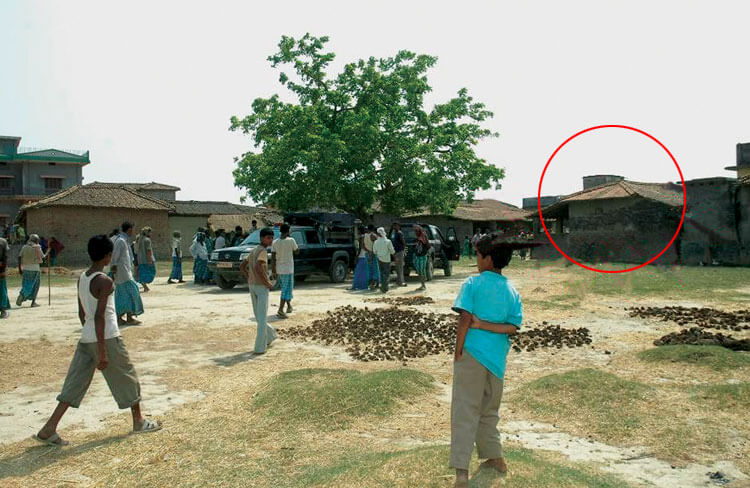
Nepali Congress politician Aftab Alam is accused of burning dozens of people alive in a brick kiln. A day before the first Constituent Assembly election in 2006, several people were making improvised explosives bombs at a farm house in Rautahat, Farhadwa - 4. The house belonged to Sheikh Idris, a deceased NC politician and relative of Alam.
An influential leader in Rautahat, Aftab Alam wanted to win the CA election at any cost, and decided to import Indian bomb-makers to place explosives at various election booths to scare voters and capture the booths. He had collected raw material for bomb-making, arms and ammunition from across the border.
While the explosives were being assembled, they accidentally went off at the farm house, killing three people and injuring many. Those injured were rendered unconscious with injections, and thrown into the furnace of a nearby brick kiln along with the bodies of the dead. The number of those whose bodies were disposed of that day is not known, but is said to be more than 20, including the professional bomb makers from India.
Alam's apt nickname in the district is 'Tiger', and he did not want the injured to reach a hospital, and the truth to come out. The police would have taken their statements and conducted autopsies on those killed. He feared a backlash against him a day before the election, which would cost him the coveted CA seat. Instead, he resorted to an inhumane way of ‘managing’ the causalities, depriving the living of treatment and the dead of proper funeral rites.
What was even more scocking was the coverup that followed in which the Nepali Congress, local police and bureaucrats appeared to be involved. The local administration seems to have assisted Alam in removing evidence of the massacre, and threatening witnesses and relatives.
According to a field report by the human rights group INSEC (Informal Sector Service Centre) immediately after the crime, residents said it was the police themselves who escorted the tractor with victims to a brick kiln owned by a family member of Alam. Some of the victims were still conscious and weeping, and behind them in a car was Alam himself. Relatives and residents were terrified by what they saw. The house damaged in the blast was soon repaired, the brick kiln demolished, and all evidence destroyed.
Police inspector at the time Indra Subedi was the first police officer on the scene, but was mysteriously transferred away the same night, suggesting political collusion in the coverup. Now a DSP at police headquarters in Kathmandu, he says there was no time to even start an investigation.
Read also: State of Impunity, Editorial
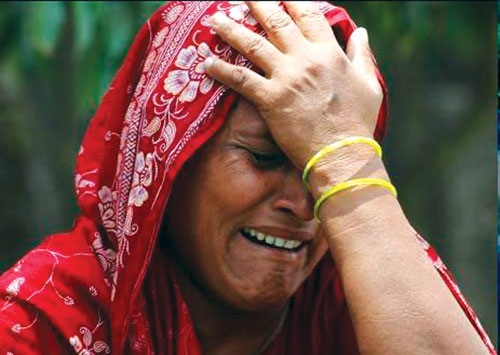
The families of deceased Trilok Pratap Singh and Vasi Akhtar Miya organised a press conference immediately after the incident. Miya’s mother Ruksana Miya filed a complaint at the police station, but she was also murdered -- found dead a few days later with a bullet wound in her temple. There has been no investigation of any of the other deaths.