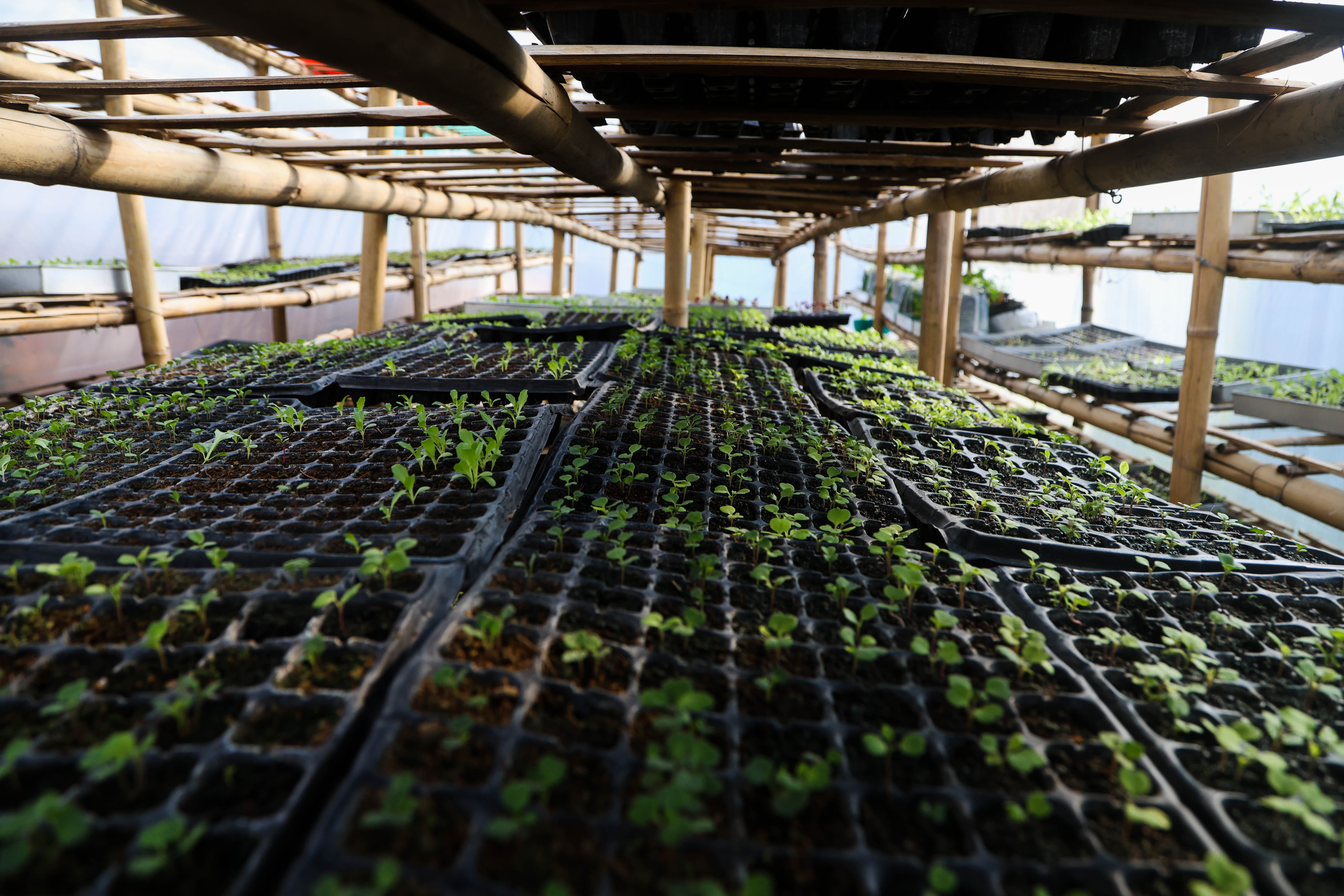
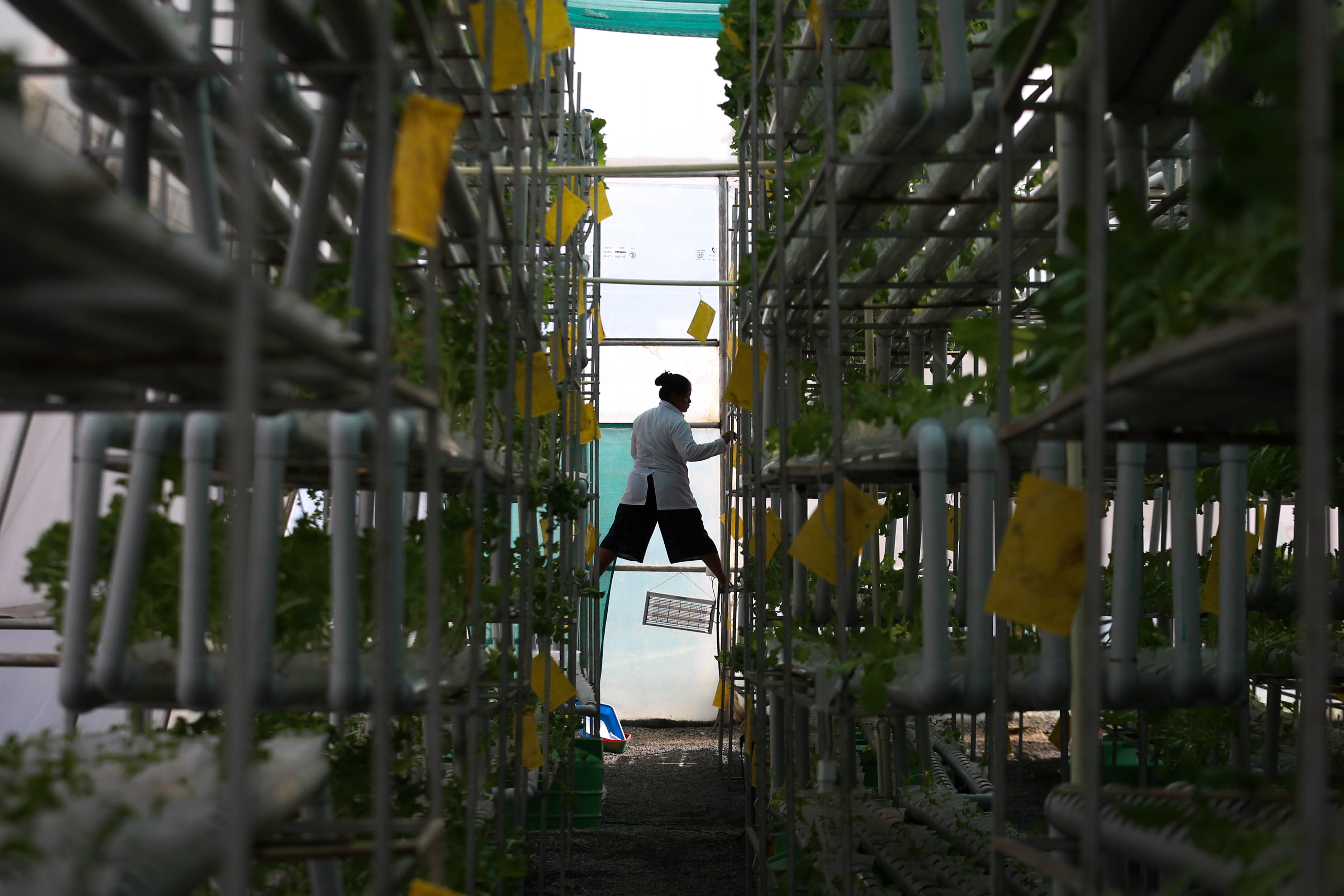
Greenhouses are supposed to be hotter than the ambient temperature because the glass or plastic traps heat inside so plants can grow in winter. But one greenhouse here on the southern fringes of Kathmandu is an exception: it is cooler than outside.
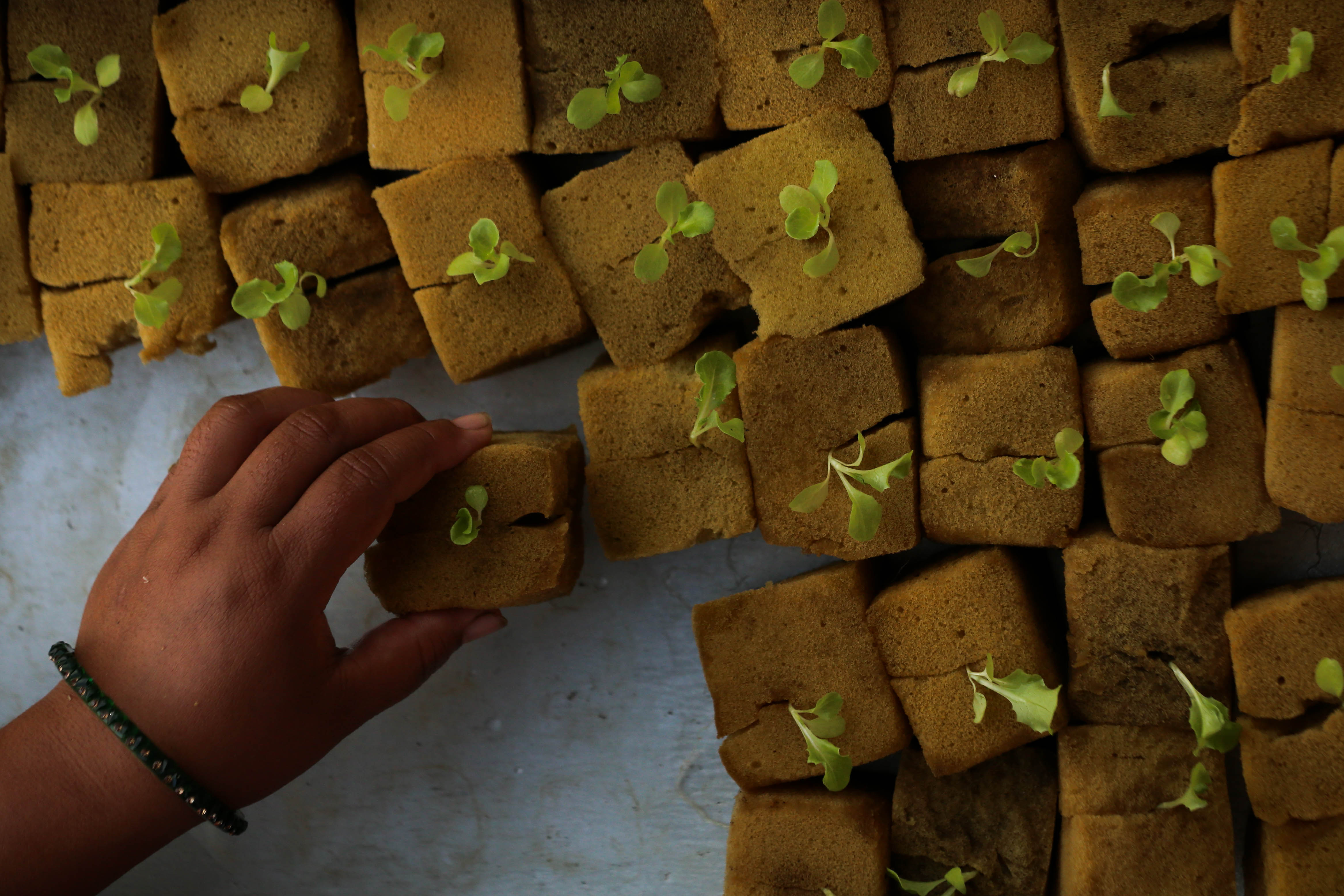
It feels like an enormous refrigerator, and there is no visible thermostat. The agro-tech company Muttho Nepal has deployed a combined concept of vertical layered farming and hydroponics, allowing for plants to grow in a relatively small space with nutrient-enriched water.
Muttha Agro is the brainchild of Kushal Gurung of Wind Power Nepal and Gandaki Urja, who has also been promoting alternative energy sources in Nepal with Nepal’s biggest industrial-scale biogas plant in Kaski and a series of wind farms.
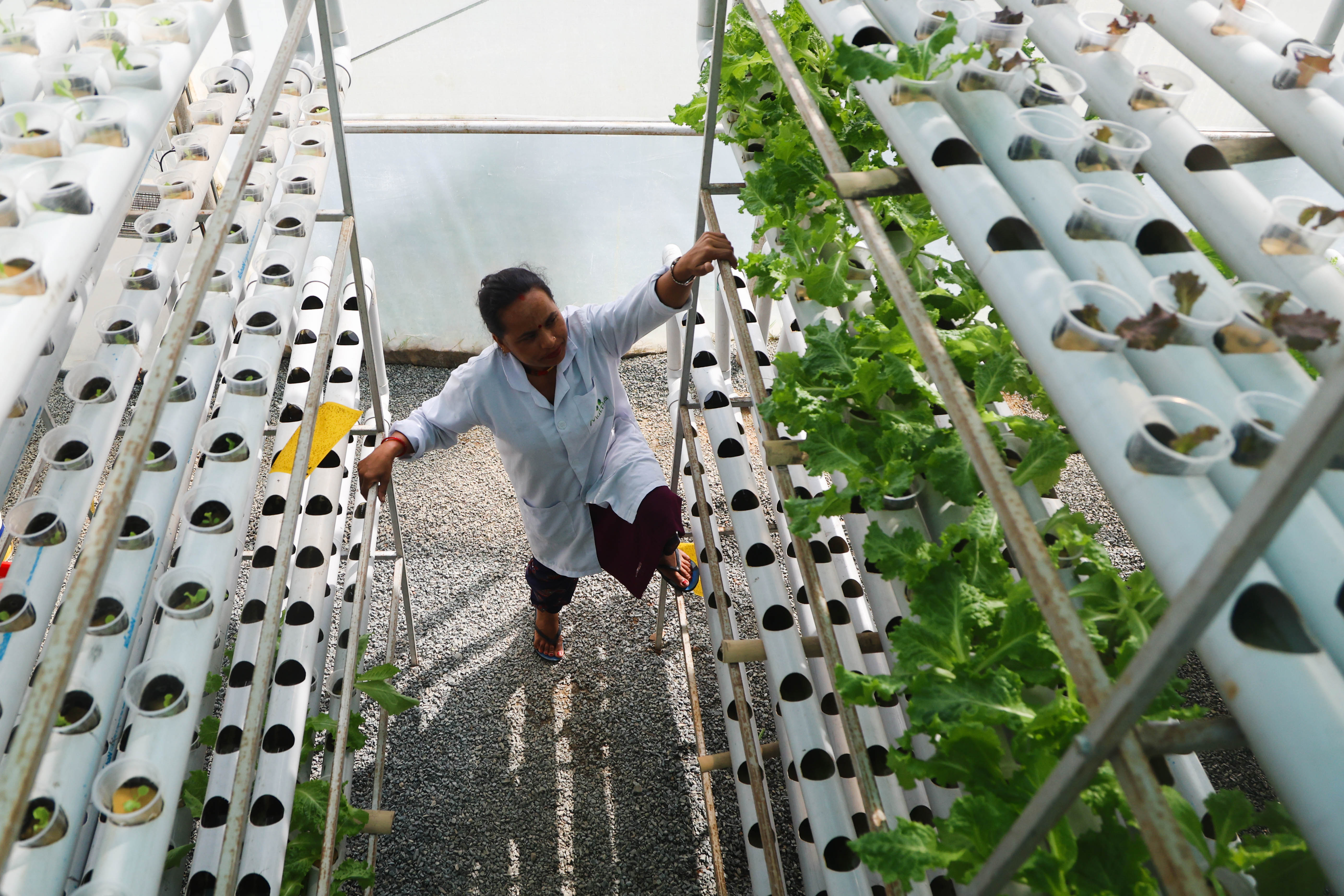
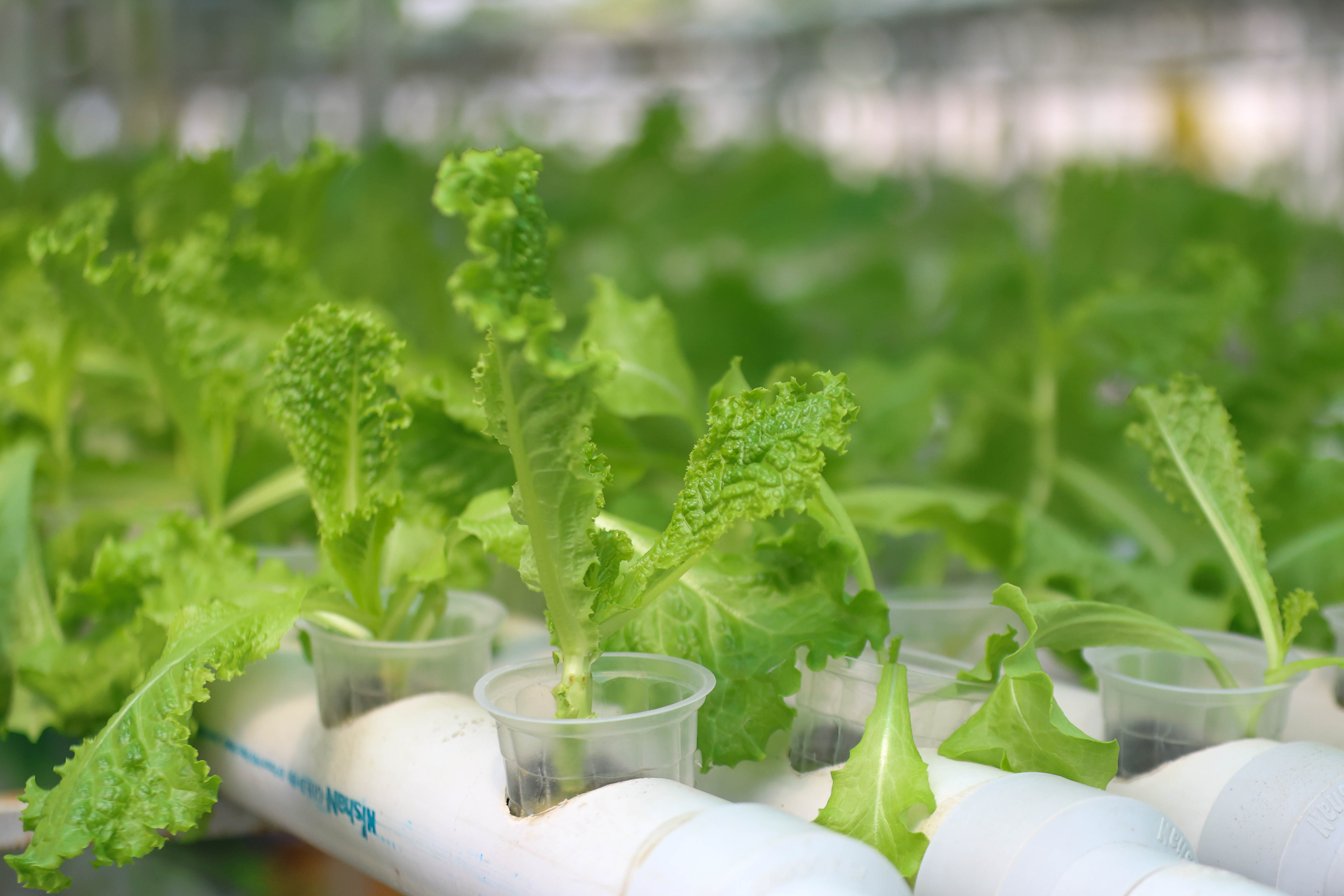
“This is an alternative to traditional agriculture most suited to cities like Kathmandu with its limited land already crowded with concrete buildings and scarce water,” explains Gurung, showing visitors around his complex. “The once-fertile soil in Kathmandu is also becoming too acidic for crops because of the overuse of fertilisers and pesticides.
Muttha stepped into production in March 2023, and its applied demo system has also been installed in the International Centre for Integrated Mountain Development (ICIMOD)’s Living Mountain Lab in Godavari for other farmers to adapt to or learn from.
After rooftop farming and the Mikawaki method of forestation where diverse indigenous plants are densely planted in small city plots, hydroponics can maximise productivity in a limited area while saving water by circulating it again and again.
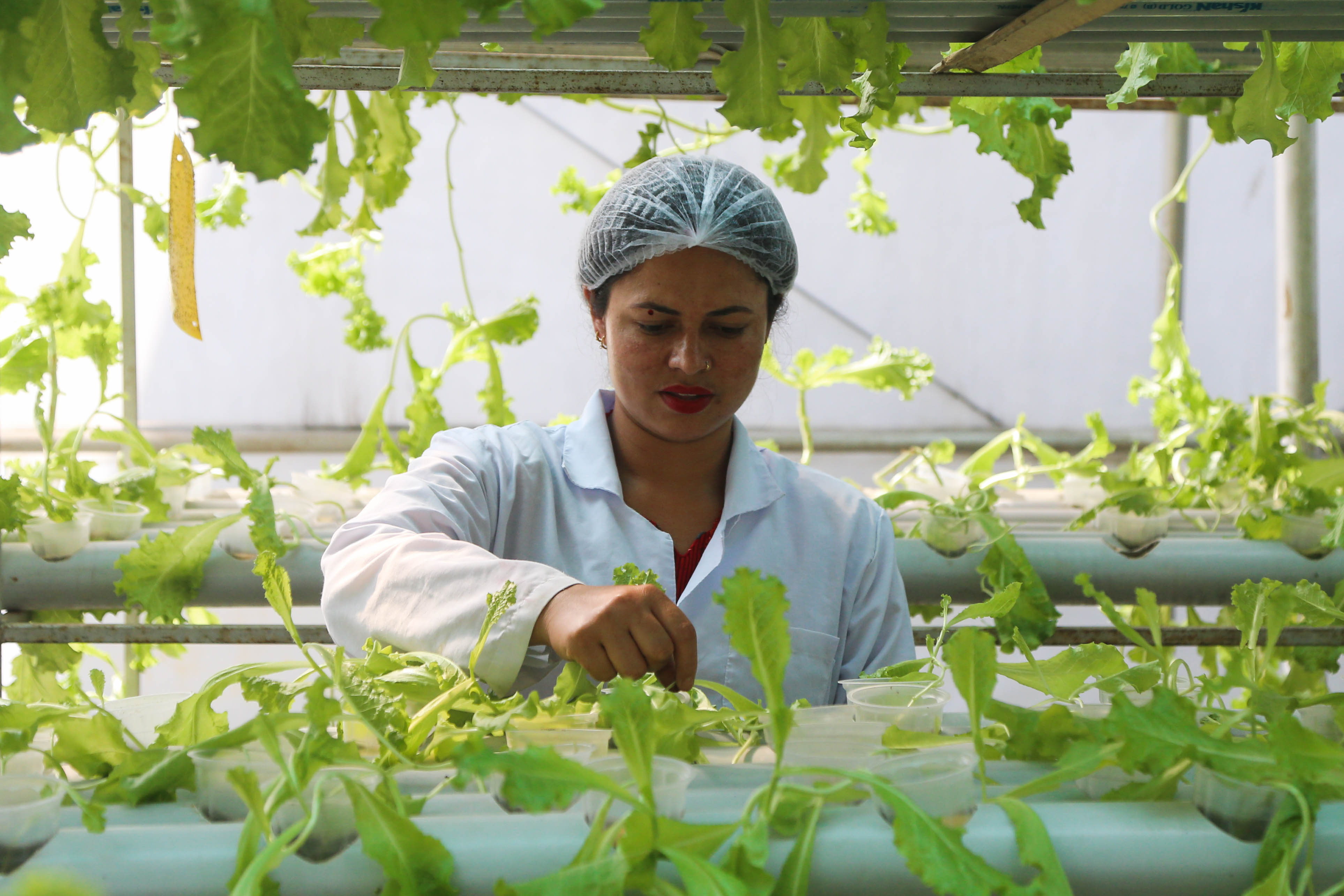
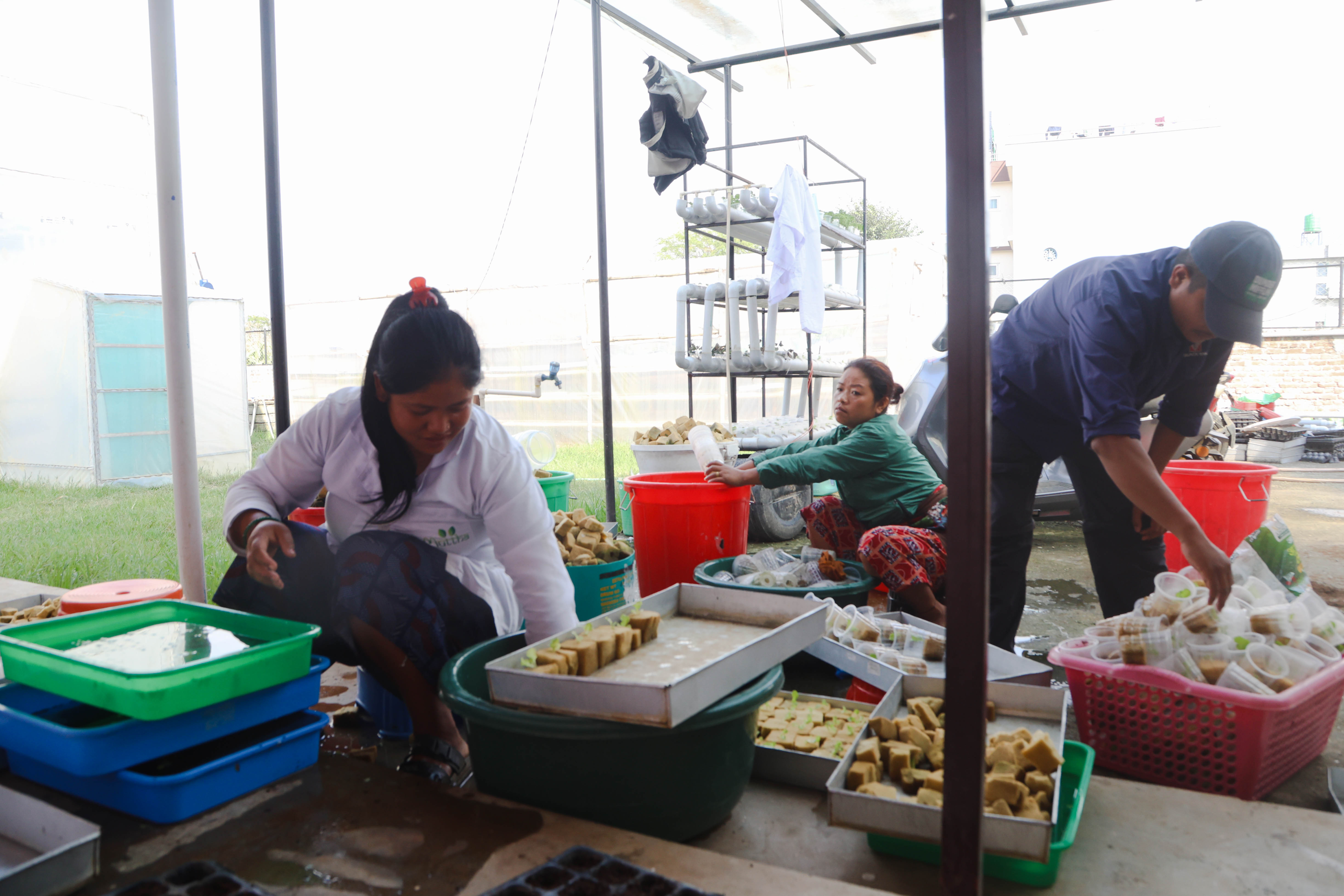
Muttha Nepal goes a step further by integrating the global practice with local knowledge, adds Gurung. “In Nepal, most hydroponics are investing millions and bringing experts from abroad to install their systems. But we installed the whole setup by ourselves, understanding our own needs,” he says.
Also unlike most hydroponics that have artificial heating or cooling, Muttha uses the natural temperature balance, bringing down energy cost and making the venture most cost-effective.
Read also: Back to the future of farming in Nepal
“Artificial temperature control is costly whereas sunlight is free," says Erik van Os, a Dutch expert with 40 years of experience in hydroponics.
Van Os is helping Muttha Nepal grow sustainably as part of Programma Uitzending Managers (PUM), which is committed to the sustainable development of small and medium-sized enterprises in developing countries and emerging markets.