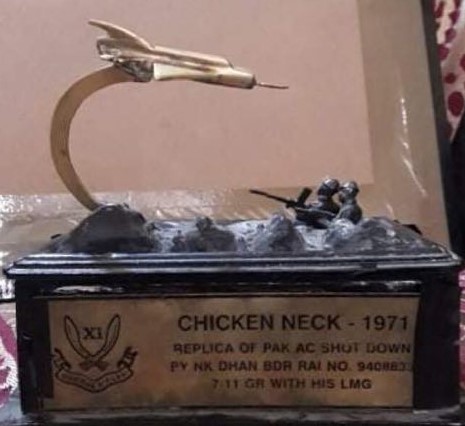
It was a hazy December morning in 1971 at the strategic Chicken Neck frontline between India and what was then East Pakistan. Dhan Bahadur Rai had been watching a squadron of five Pakistan Air Force F-6s circle above his position.
Suddenly, one of the planes peeled off and dropped a bomb that landed close to his bunker. The sleek jet then looped back and started strafing the Indian Army positions.
Dhan Bahadur was at his 7.62mm LMG (light machine gun) position, and took aim at the plane as it swooped low for another pass.
“I fired at it in bursts, and I saw it pull away trailing smoke. Soon, it caught fire and crashed. We saw the pilot parachute out, and the plane was buried in a crater about 1km way,” Dhan Bahadur recalls.
The pilot was captured, and became a prisoner of war. Within a week on 16 December 1971, Pakistan had surrendered, and Bangladesh was born.
Read also: Atom bomb saved his life, Covid killed him
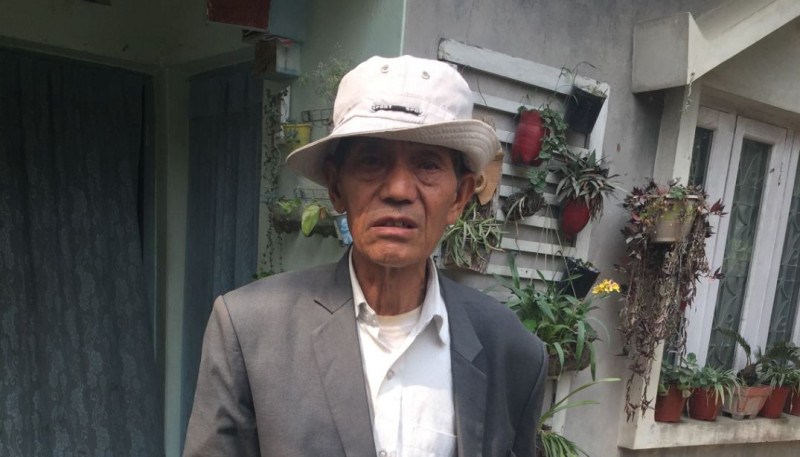
Dhan Bahadur, now 77, grows cardamom in his ancestral village of Nundhiki in Sankhuwasabha high in the mountains of eastern Nepal where as a child he herded the family’s livestock.
At age 19 and never being in school, he walked across the border to Darjeeling with other boys from his village to be recruited into the Indian Army’s Gorkha regiment. He was shortlisted, and assigned a number for 11 months of military training.
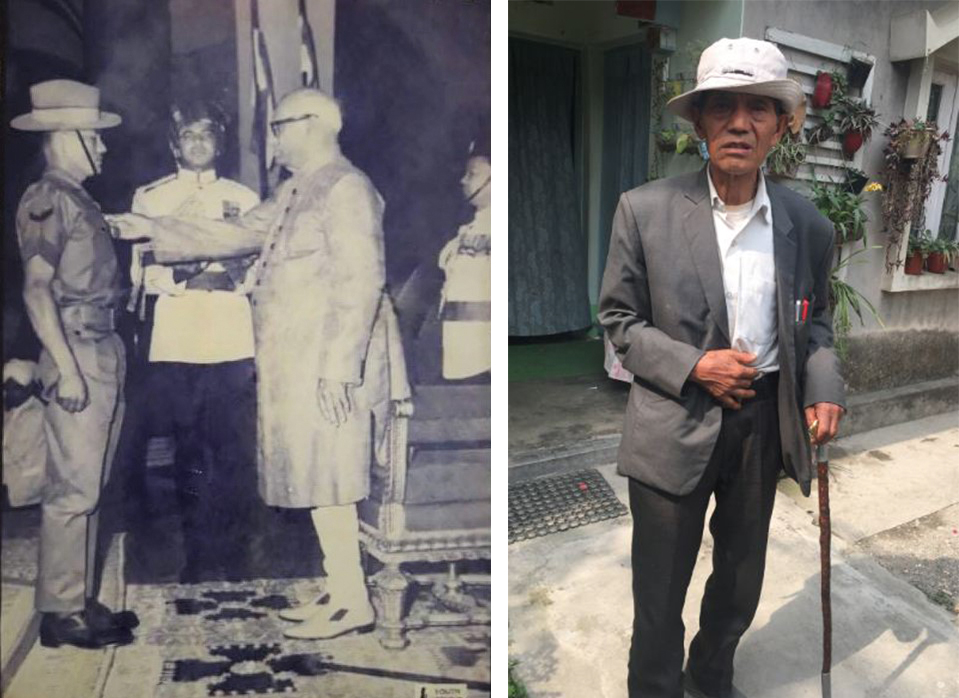
Dhan Bahadur is actually a Tamang, but the Indian Army recruitment officers presumed he was a Rai like other Nepalis who had joined up. So, when he went to Delhi with his wife and grandfather to receive the Vir Chakra medal (below) from Indian President V V Giri in 1972 his name was given as Dhan Bahadur Rai.
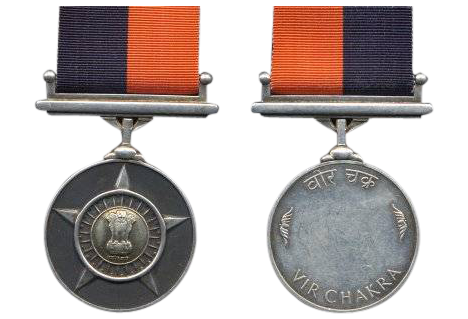
Like many of his compatriots, Dhan Bahadur is a modest man, and underplays his role in downing the plane. When other units of the Indian Army also claimed to have shot down the Pakistani plane, he did not press his role.
In the end, it was the Pakistani pilot Flt Lt Wajid Ali Khan who as prisoner of war provided the evidence to prove that it was indeed Dhan Bahadur’s bunker from where the shots were fired that brought down the plane.
This is considered one of the rare occasions in which a supersonic fighter jet has been brought down by small arms fire. The F-6 was the Chinese-made version of the Soviet Mig-19 fighter jet.