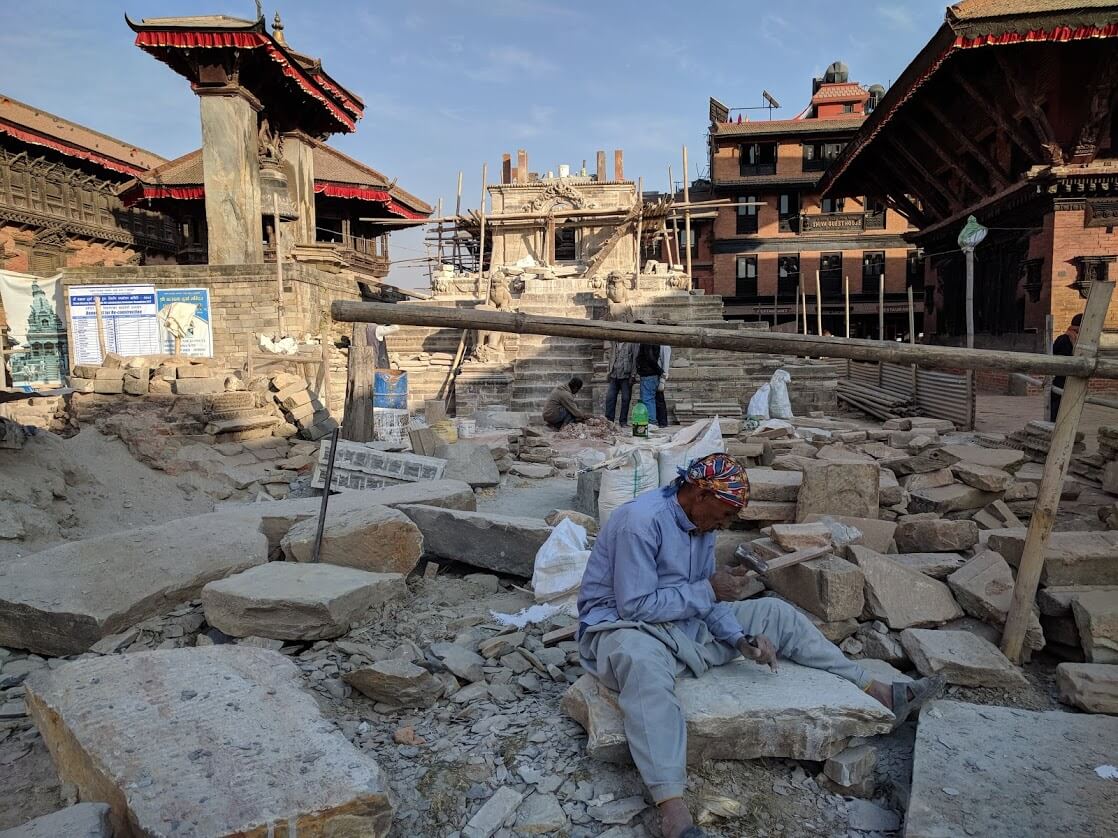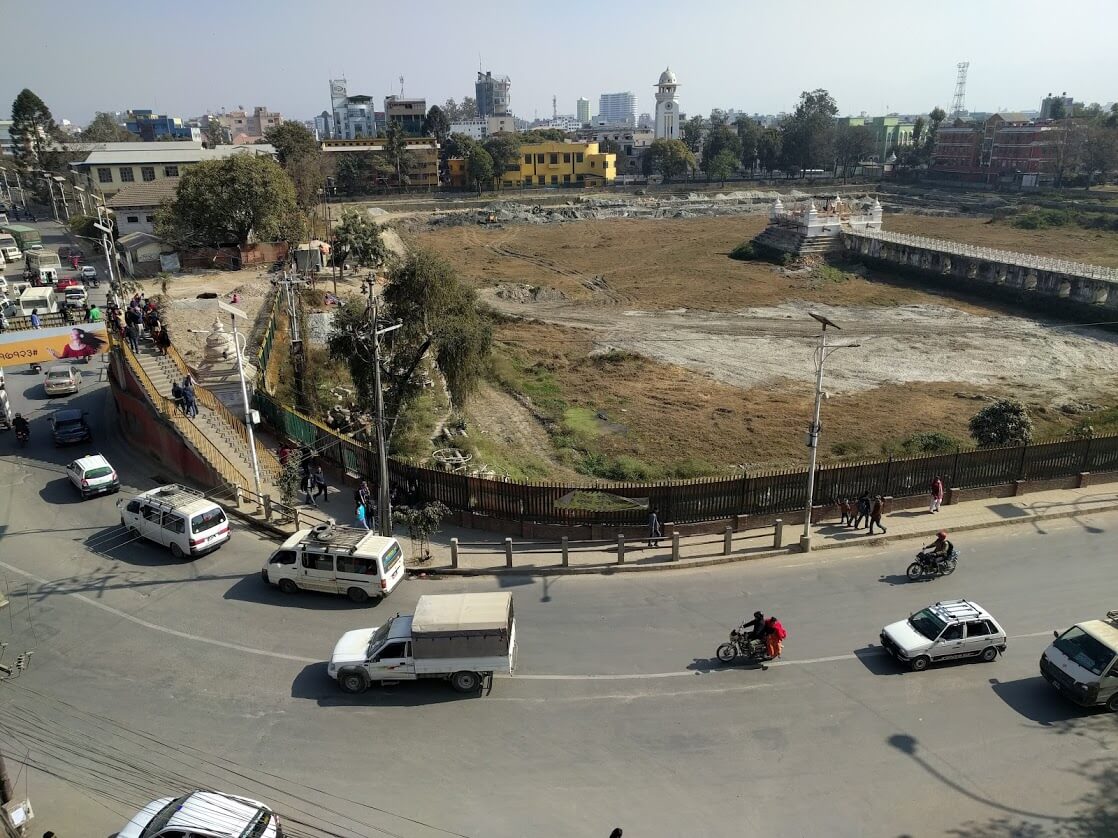
The 7.8 magnitude earthquake in 2015 caused a tragic loss of life, and damage to homes. But it had some positive side-effects that have gone largely unnoticed.
The government’s haphazard handling of the restoration of over 750 historic monuments in Kathmandu Valley sensitised residents about the need to preserve cultural heritage. In the past four years, more damage has been done to Kathmandu’s traditional architecture by the government’s apathy, greed and near-despotism than by the earthquake itself.

Read also: Learning from Nepal's past to rebuild future, Prakriti Kandel
Strong-arm tactics have bulldozed monument zones in the name of ‘development’. A new expressway threatens to wipe out the very essence of the historic towns of Khokana and Bungamati at the southern edge of the valley, beautiful towns with many archeological sites. Local people who are putting up a resistance are taking on a powerful enemy: the Nepal Army, which is building the fast-track highway to the Tarai.
The collapse of the 19th century Dharara tower killed 56 people on that fateful Saturday just before noon on 25 April 2015. Many heritage conservationists thought the Moghul style tower was an eyesore and had negligible archeological value, but the National Reconstruction Authority has taken it upon itself to restore the relic at the unjustifiable cost of $30 million while leaving more representative monuments remain in ruins.
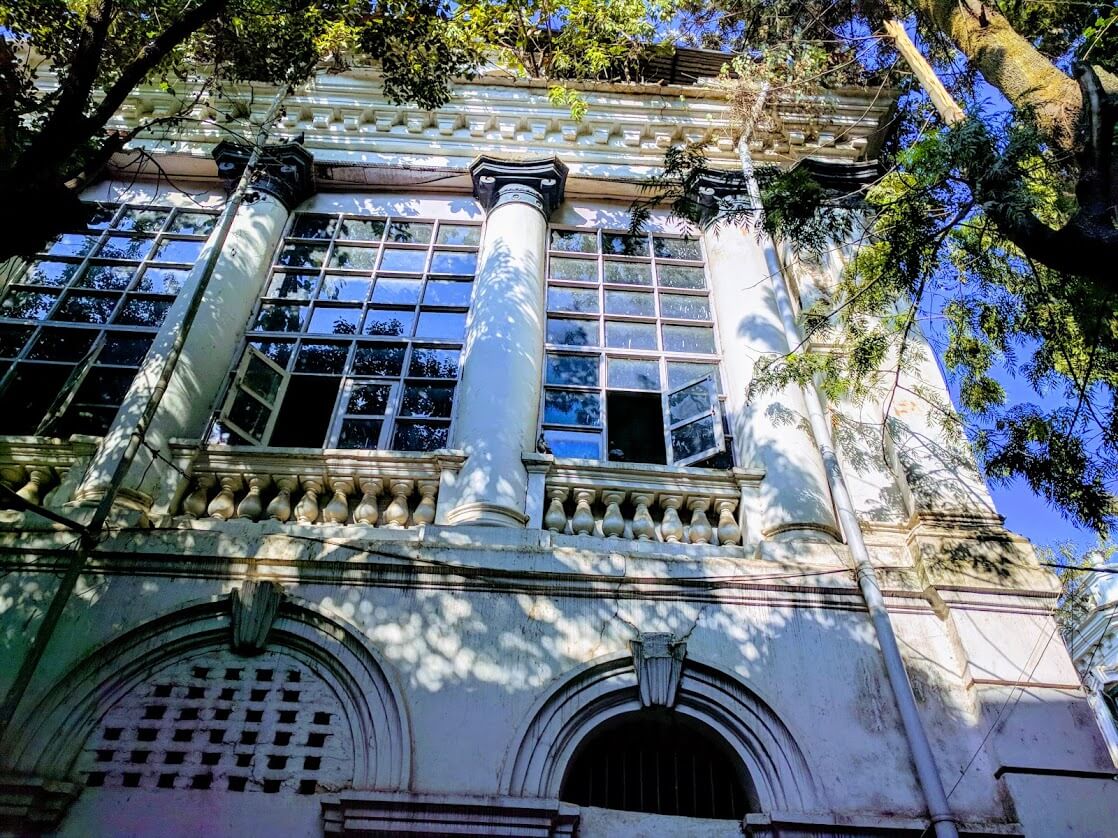
Nearby, the neoclassical Bag Darbar is the home of the Kathmandu Metropolitan City. Citing safety reasons, Kathmandu Mayor Bidya Sundar Shakya is bent on demolishing the historic palace complex and replacing it with a concrete highrise, ignoring inspectors who confirmed that earthquake damage is minimal and the building can be retrofitted. Activists have finally obtained a stay order from the Supreme Court to stop the demolition.
The same activists have also been pushing for sensitive restoration of other earthquake-damaged heritage sites. Six of them were detained by police in December while protesting the unlawful construction of a cemented walkway in the protected Shleshmantak Forest within the holy Pashupati premises, a UNESCO World Heritage Site.
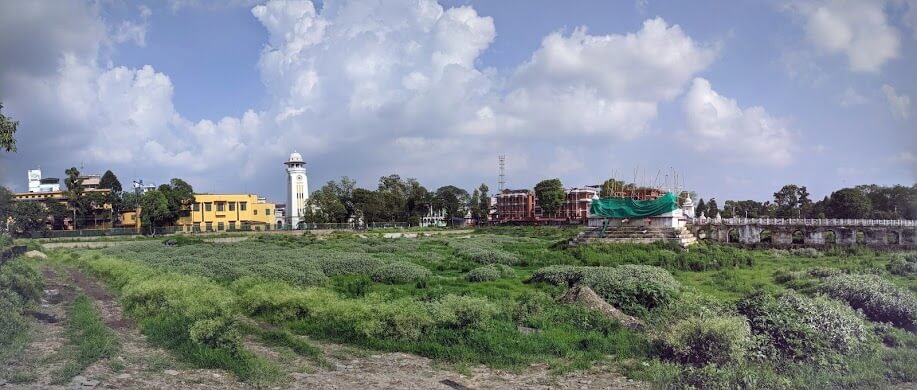
The Department of Archeology is responsible for most of these violations of heritage conservation norms. The public and activists had to directly intervene to stop the inappropriate rebuilding of Rani Pokhari under the supervision of Kathmandu Metropolitan City, while the Department of Archeology watched in silent complicity.