


From desert to sea
A Nepali migrant’s journey from working in a Doha garment factory to a US cruise shipThis is the 89th episode of Diaspora Diaries, a Nepali Times series in collaboration with Migration Lab providing a platform to share experiences of living, working and studying abroad.
Growing up in a remote village in Parbat disrict, we walked uphill 90 minutes to get to school. We were never on time for morning assembly. We had to cut grass, feed the livestock before school.
My father served in the Indian Army and came home once a year. I preferred it when he was away because he was strict. Even his shadow scared me, and until I was 16, I could not even look him directly in the eyes.
I now know that he had good intentions, and if I had followed his guidance, I would probably be in a much better position today. Despite my father’s discouragement, I prepared for Indian Army recruitment walking up at 3:30 to run and do workouts.
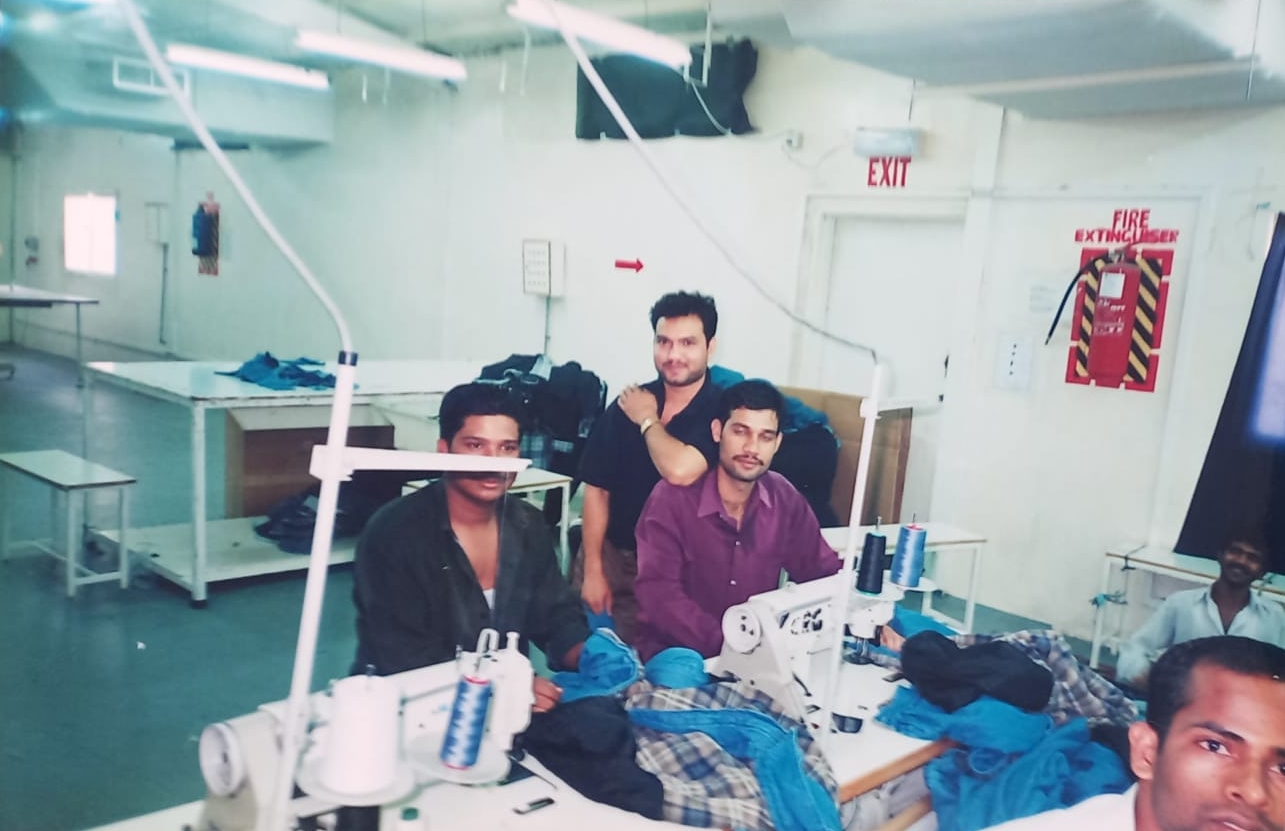
I failed thrice despite making it to the final round. I accepted my fate, it was not meant to be. Like everyone else, I sought my fortune in the Gulf. I paid a recruiter Rs40,000 and headed to Qatar to work in a garment factory.
The heat there terrified me. My salary was not what the agent had promised, but since I was already there I decided to work hard. My managers took notice and promoted me to supervisor. It came with its perks: a higher salary, a brown shirt that commanded more respect, fewer number of people in our room, and basmati rice.
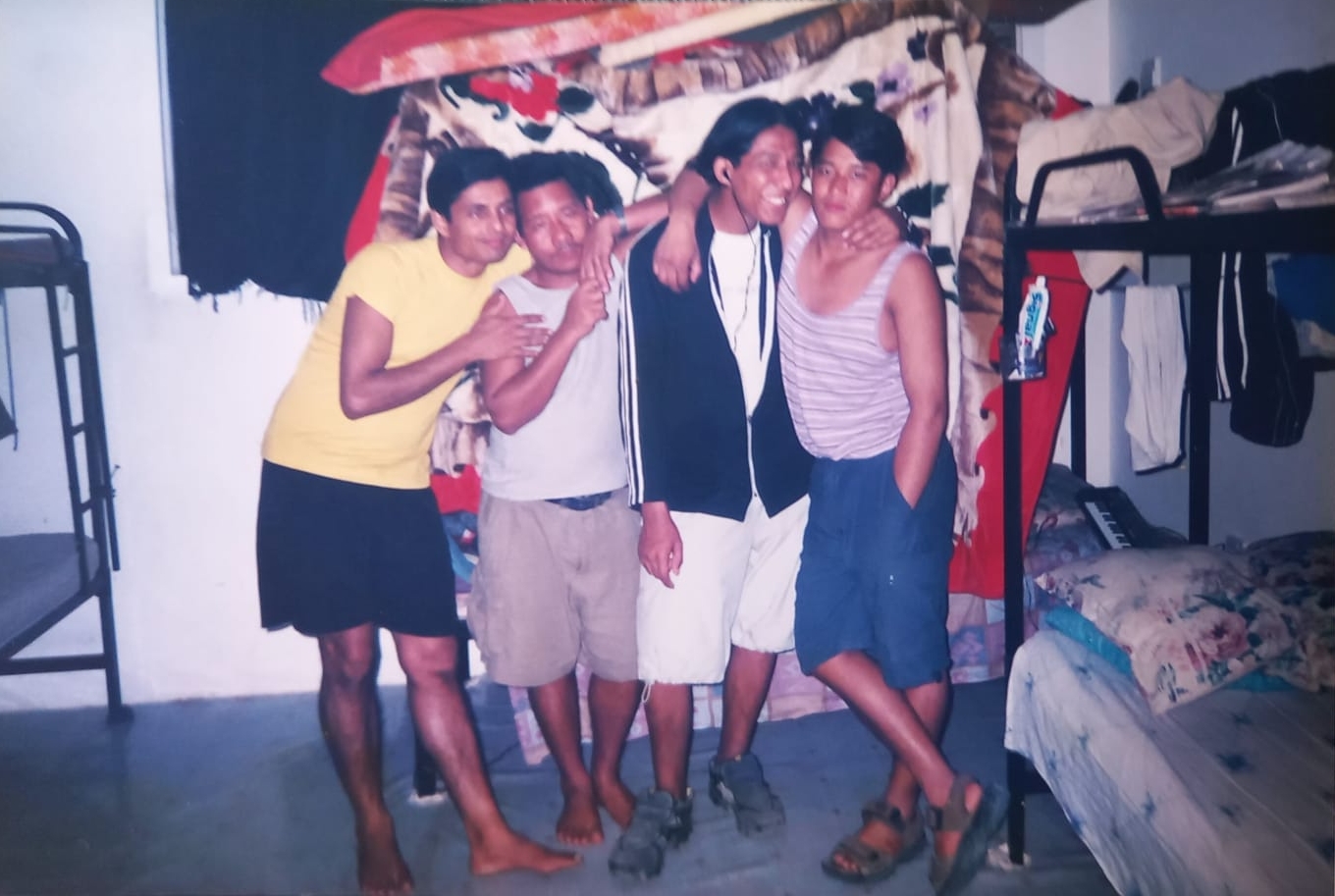
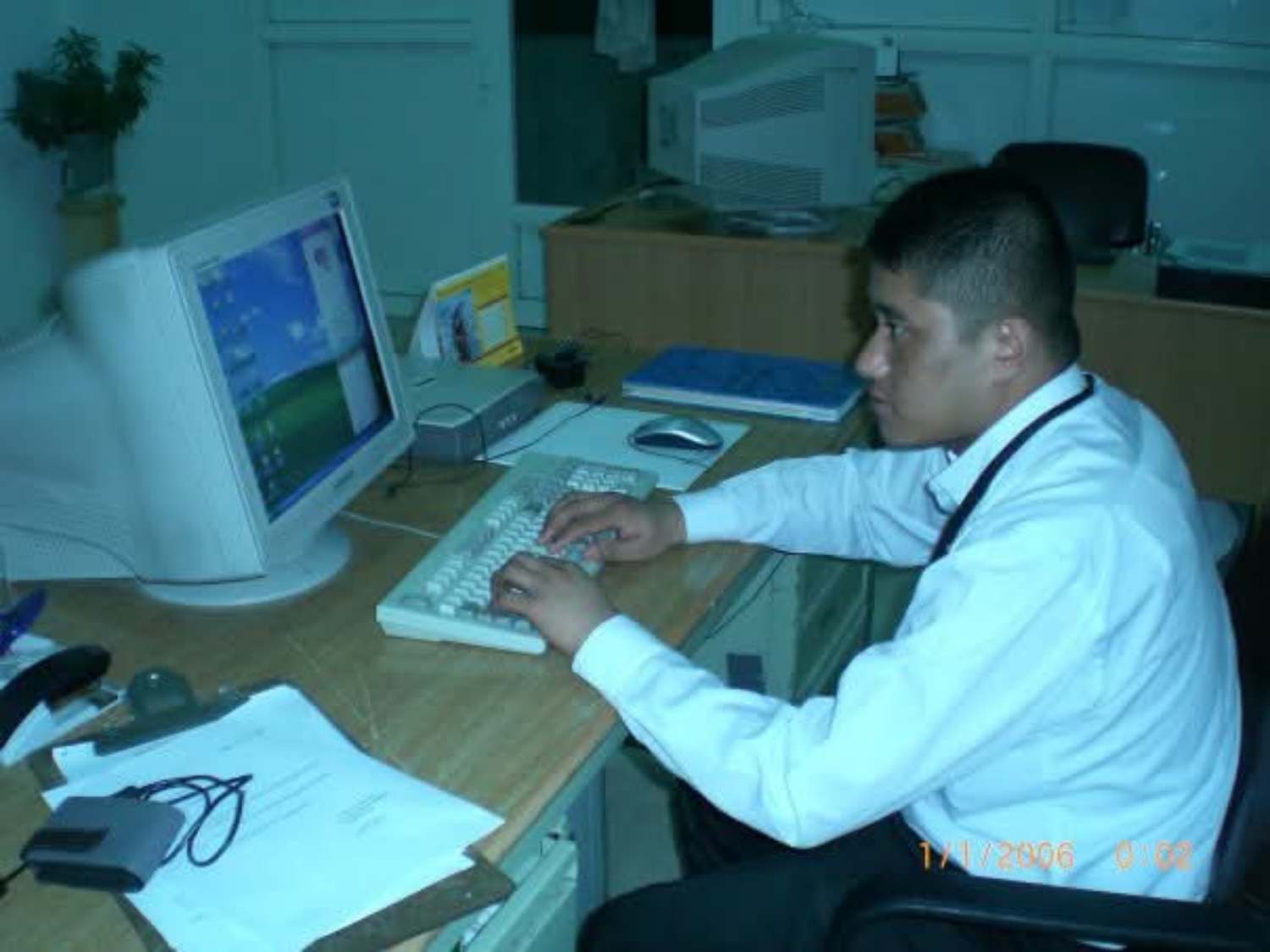
I was promoted again to an assistant timekeeper, keeping track of the shifts and overtime of 600 workers. I also learnt to use a computer with the help of a friend from Kolkata.
Rising up through the ranks made me understand what other workers were going through, and I treated them with empathy and respect. This made me quite popular in the company.After three years in Qatar, the company shut down. I returned to Nepal but saw an ad in the papers asking for security guards. Two Americans interviewed me, and I gave them my best salute. They did not ask me much, and said they wanted to see me in Kuwait the following week. My father somehow managed to collect Rs60,000 for the job.
It was tough at first. We did not have food or mattresses. Later, news reached the main client that our contractor was not providing us good facilities so they intervened and things started improving.
I soon got promoted to the post of a site supervisor. A group of us were smart and disciplined, the kind of security guards our contractor proudly showed to potential clients as ‘Gurkha’ guards. This helped them gain new business and opened opportunities for more Nepalis to be recruited.
People there called me ‘Tyson’ because I was hot headed. I never started fights, but if someone came at me, I did not back down. I was dismissed twice for hitting an Egyptian after he struck me first, and a Bangladeshi who grabbed my throat when I told him not to park in a restricted area.
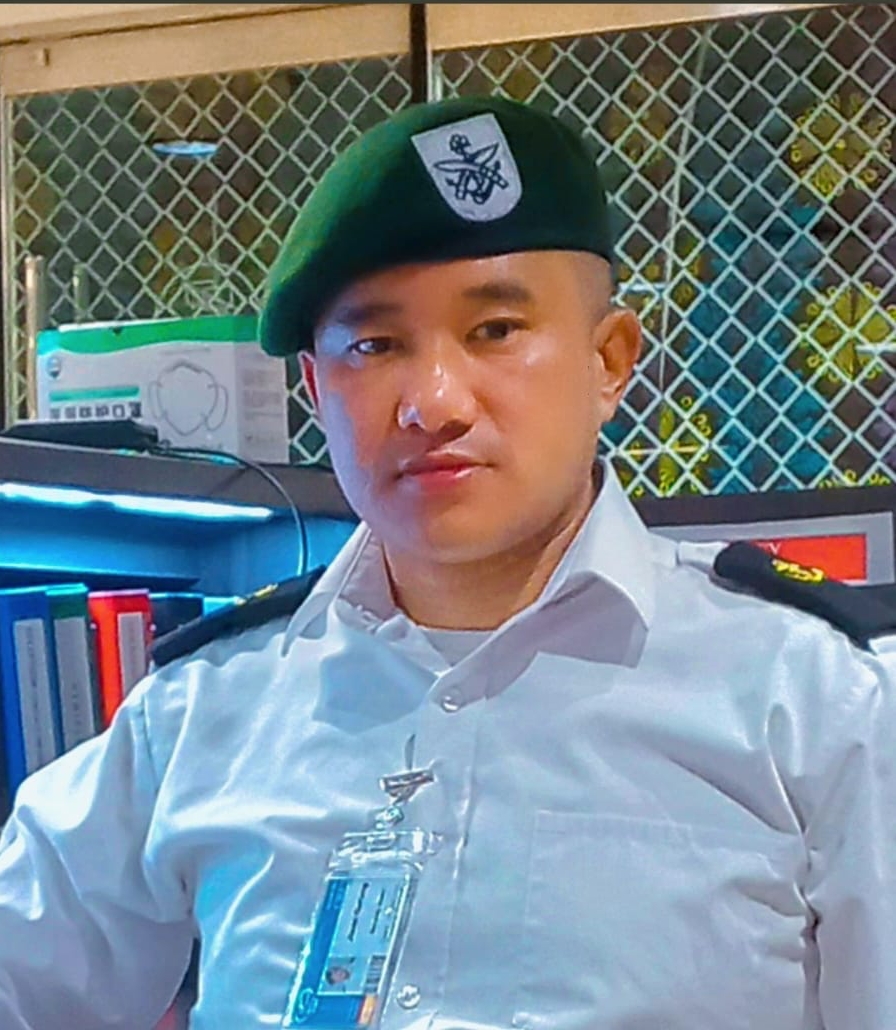
In both cases, the management was forced to reverse the dismissal. First because nearly 150 Nepalis protested the decision to fire me, and second because American managers from the client intervened and instead promoted me to patrolling supervisor.
I married young at 17, and by 19 I already had two children. For me, they were my biggest priority. While working at the American base camp in Kuwait, I often saw VIPs and wondered why I had not studied harder so I could be more than a security guard.
People in suits with neatly combed hair, and the cars they stepped out of were impressive. I wanted my children to have such positions. I invested heavily in their studies.
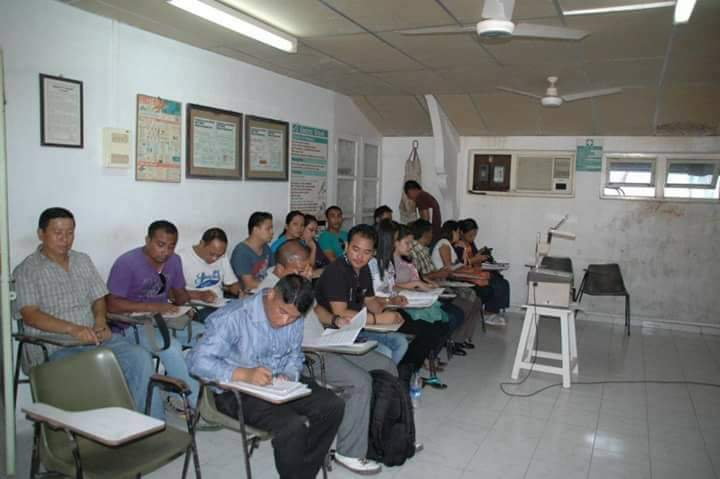
After six years, I returned to Nepal and applied for a seafarer position in the United States. The screening process was intense. I passed the first interview, after which we had two months of training focused on physical preparation, language, and preparation for the final interview.
Going to America was the dream, so I took the preparation very seriously. I practice English with my niece and nephew and often studied throughout the night. The questions I had prepared for were mostly about security work. But when Philip, an Australian, came to interview us, he asked random questions such as my favourite Western food and why I wanted to work on a ship.
I still remember him asking whether the tie I was wearing belonged to me. I explained that I borrowed it from the guy who interviewed before me, which he had noticed. My honest reply made him smile.
That night I could not sleep a wink in anticipation. 10AM. No call. 11AM. No call. At 3PM, I got too anxious so I called the office. They said I did not get the job. Disappointed, I packed my bags to return to my village. Just as I left my in laws’ house they got a call informing me that the recruiter was joking and I had in fact gotten the job.
I was so happy I cried.
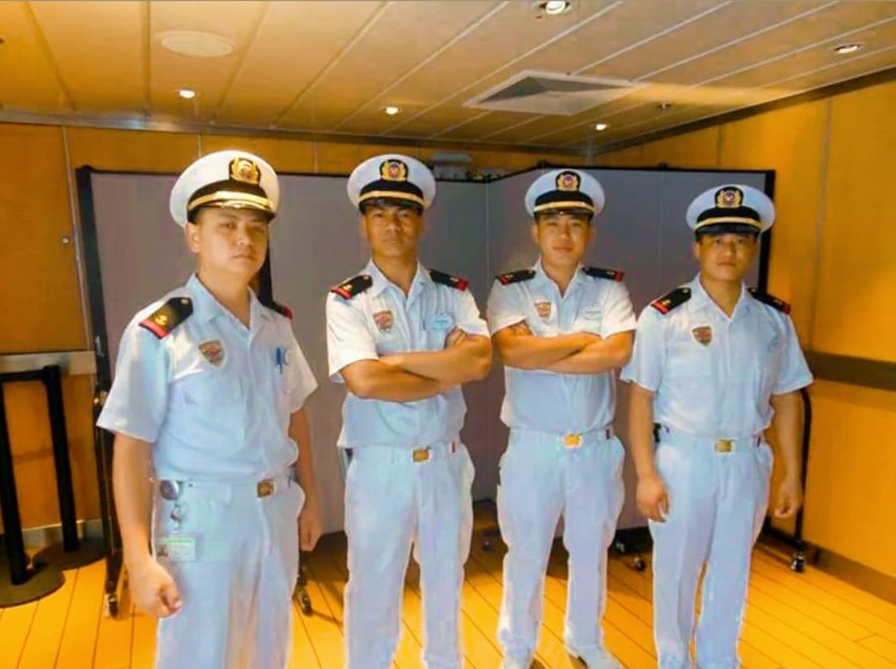
Going to the USA was exciting. People in my village did not believe me. For someone who used to get off in Doha, this time I was in transit. After Doha, the passengers were different and wealthier. Their standards seemed higher, and the food provided was different. I felt out of place on that leg of the flight.
My new job was on a cruise ship. Our room, shared by two, was below water level and had no windows. Sometimes the waves hitting the ship were so loud that they kept us awake. Back then, there was no wifi, and we typed long messages to post when we got free wifi when we docked at a port.
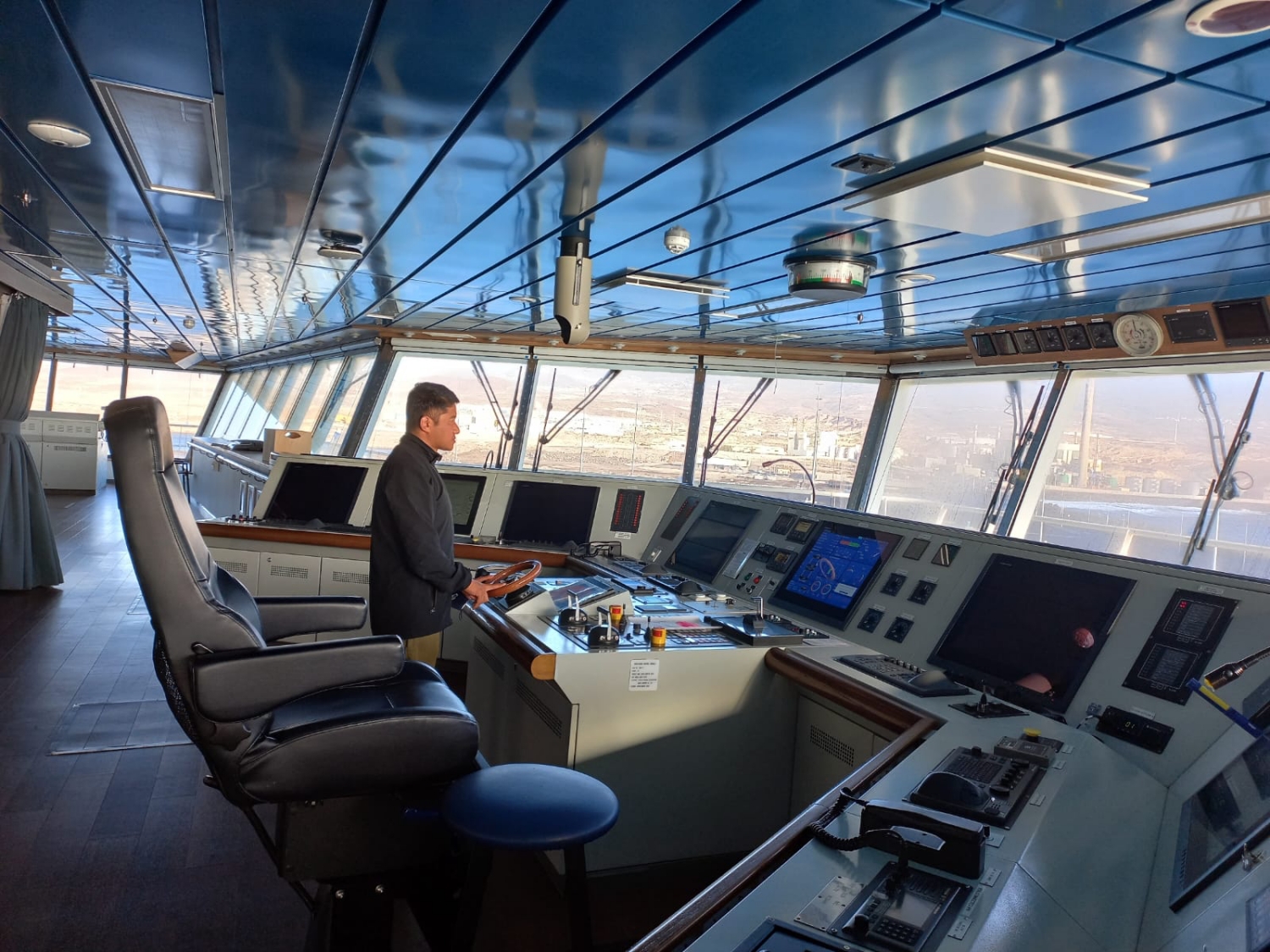
I sold the land I bought in Pokhara with my Kuwait earnings and purchased land in Lalitpur with my maritime earnings. I also bought a house in Pokhara where my mother and brother live. As I was managing loans and major expenses like my children’s education, my younger brother, who had gone to Qatar as a security guard, fell sick with kidney failure.
He received a transplant as our mother was a match, but even after the operation the medical costs remained extremely high. I took care of his family and the bills. Because the problem was long term, I encouraged my sister in law to apply for a job like mine. She failed the first interview, so I had her enroll in English language courses.
She passed the second time and has been working on another ship since 2016. This has helped my brother’s family immensely.
Then, there was Covid and I was stuck in Nepal. The next job was on the humanitarian Mercy Ship, that offered free medical treatment to poorest people around the world. Right now we are stationed in Sierra Leone and will go on to Ghana.
The medical personnel volunteer their time to serve, and the patients receiving treatment are also grateful because they are given a second life. I can see it in their faces when they leave the ship post surgery or treatment.
I have now built a house in Lalitpur. My son is studying in Japan and my daughter is in public health. My journey has helped those around me.
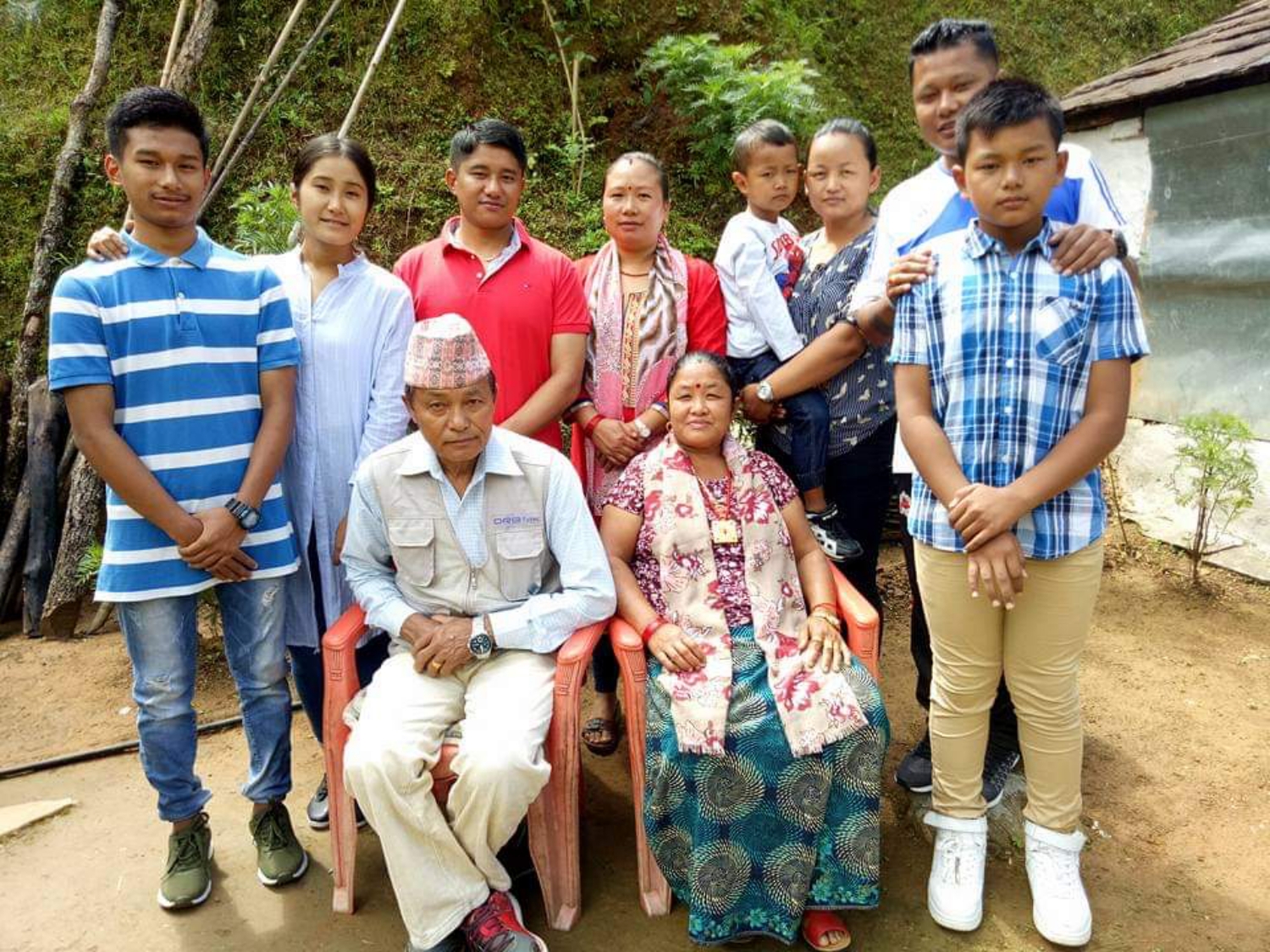
My father unexpectedly passed when I was away. Baba was the pillar of my house. Without him, everything has fallen apart. All responsibilities fall on my shoulder. He had an orange orchard with 700 trees and used to sell the fruits in Kalimati, but now we have leased it.
I am not sure when I will come back to Nepal. The work is easy because we just have to work six hours a day and four days a week. I get to come home for three months every six months on paid leave to be with my family.
I am very lucky that way. I see other Nepalis staying 17-18 years until they cross their 60s. Even when they leave, they pass the baton to their sons who take their positions. I think I will also stay on this job as long as my health allows me.