


Going offtrek in Solu
Take the lesser-known Lumsa route to Pikey PeakAmber Tamang leads his group of trekkers through Lumsa village, past traditional houses with sturdy stone walls and hemlock tile roofs. He stops on the trail to point out his childhood home.
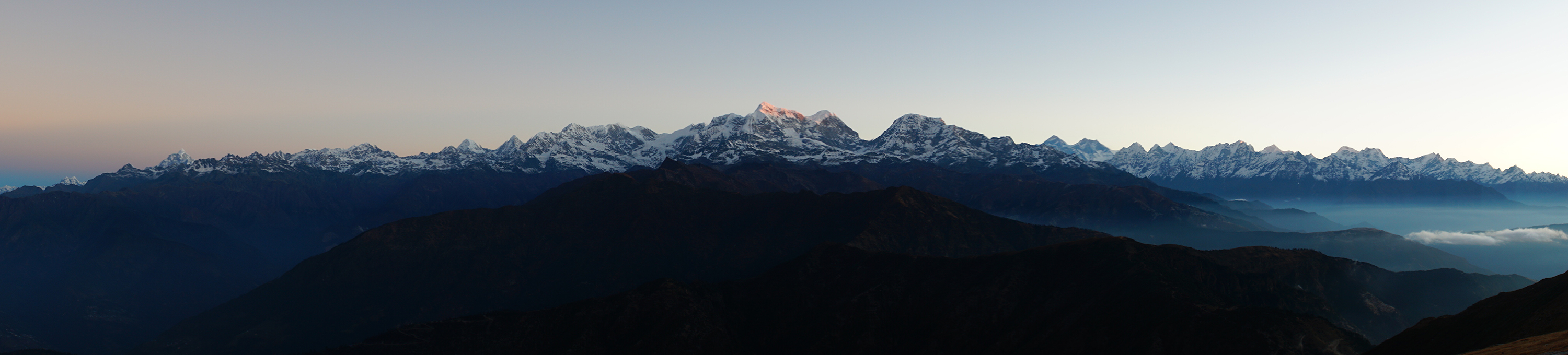
He is taking the team to Pikey Peak (4,065 m), the ideal lookout from where on clear days eight eight-thousander peaks from Annapurna to Kangchenjunga, including Everest, are visible.
Tamang, founder of the Three Jewels Adventures agency, takes his clients to lesser-known trails as part of his Lower Everest trekking route, on the way up to Pikey.

Trekkers usually do not take the Lumsa route because the quaint villages do not present as much excitement as the scenic panorama of mountains.
But hiking through the bucolic countryside provides insight into the community’s deep Lamaist faith reflected in the chorten, mani walls, sacred inscriptions on stones, prayer flags on houses, the festivals and in the way the villagers interact with one another.
“I wish more people would soak in the villages and their culture on their trek, rather than just wanting mountain views,” says Tamang.

Jangbu Sherpa owns the Lama Hotel in Lumsa, one of just two accommodations in the village. There is no signage along the trail advertising his business, and guests are still few and far between.
So in the evenings, he calls his neighbours over to his lodge for some beer, conversation, and dancing. And on special occasions, a group welcomes guests with a traditional Syabru dance.
“I’m working on expanding this little lodge,” he says with a smile. “Lumsa could become a buzzing stop on the trekking route.”
Jangbu’s son Nima is a porter-guide, and is preparing to take a group of trekkers to Pikey Peak and the Thupten Chholing Monastery above Junbesi.
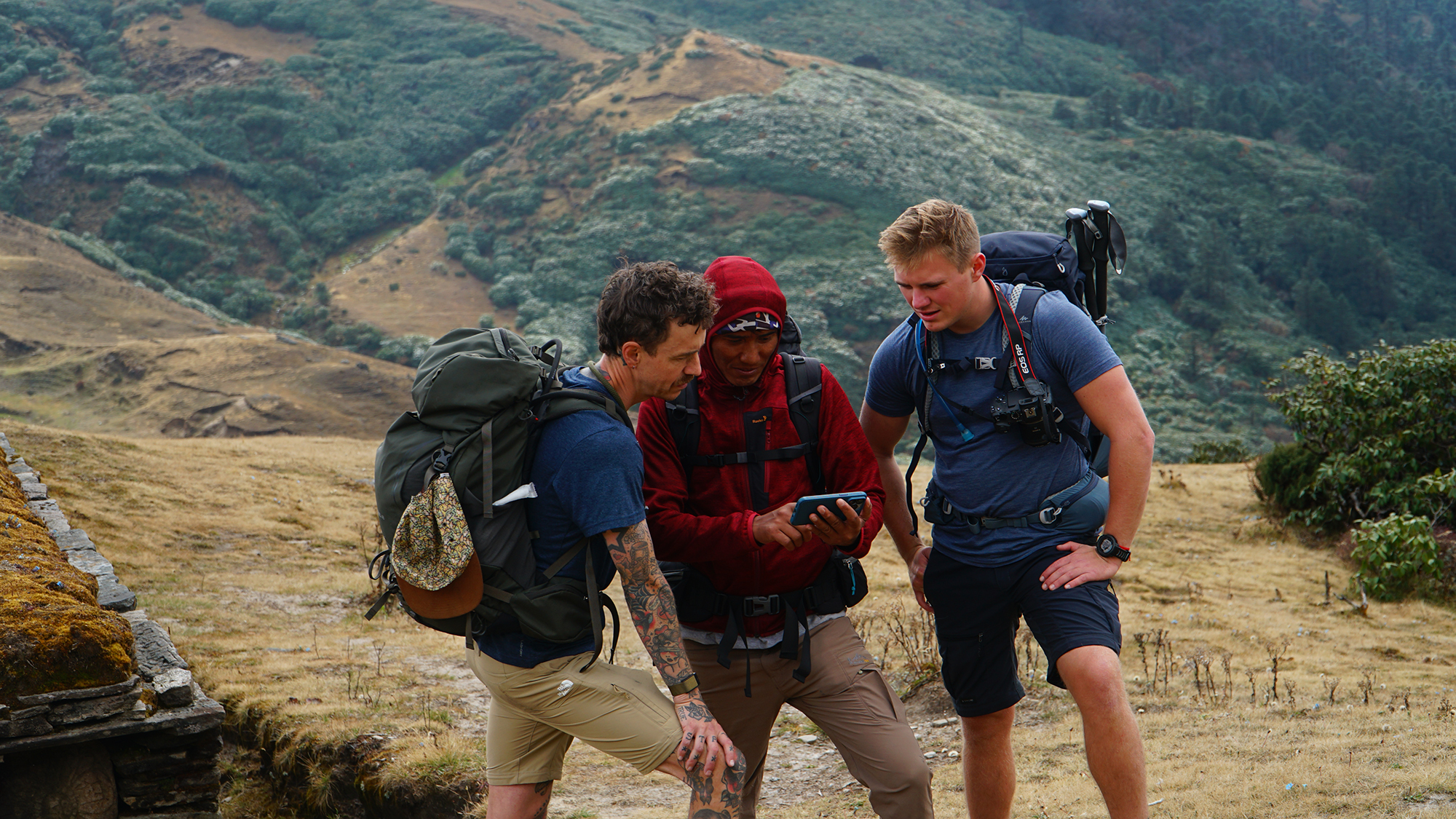
There is a downhill bicycle route from Pikey, and lucky trekkers might even spot red pandas on the forest canopy.
“I saw a red panda with my own eyes once,” interjects Pemba Tamang, a veteran guide, from across the room. He begins listing other wildlife he has encountered enroute to Pikey — danphe pheasants, their wings resplendent in the sun, ghoral blue sheep jumping nimbly on rock cliffs, a lumbering black bear, and once, memorably, a leopard.
Amber Tamang, Nima Sherpa, and Pemba Sherpa are among the men in Lumsa who are most often away from home, leading trekking and mountaineering expeditions. Some from the village have summited Everest multiple times.
To get to Pikey Peak, drive up the BP highway to Dhap, with Numbur and Karyolung towering up the valley to the north.
Up in Pikey Base Camp at 3,700m is the Tunga Baje Lodge, now operated by his son Pasang Lhamu Sherpa. If they are lucky, guests will catch baje in a performance, singing and strumming his tunga.
The trek can be made a circuit— hikers do not have to come down the same way they went up.
Winter is not the best time for a Pikey hike, but the views of the mountains, especially after snowfall, are dazzling. It is best to go in early spring when forests are ablaze with rhododendron. The region is home to 32 different types of the flower.
Says Pasang Lhamu: “Tourism is picking up, but it is tough to keep things running. I hope for stability so we can invest in the lodge.”