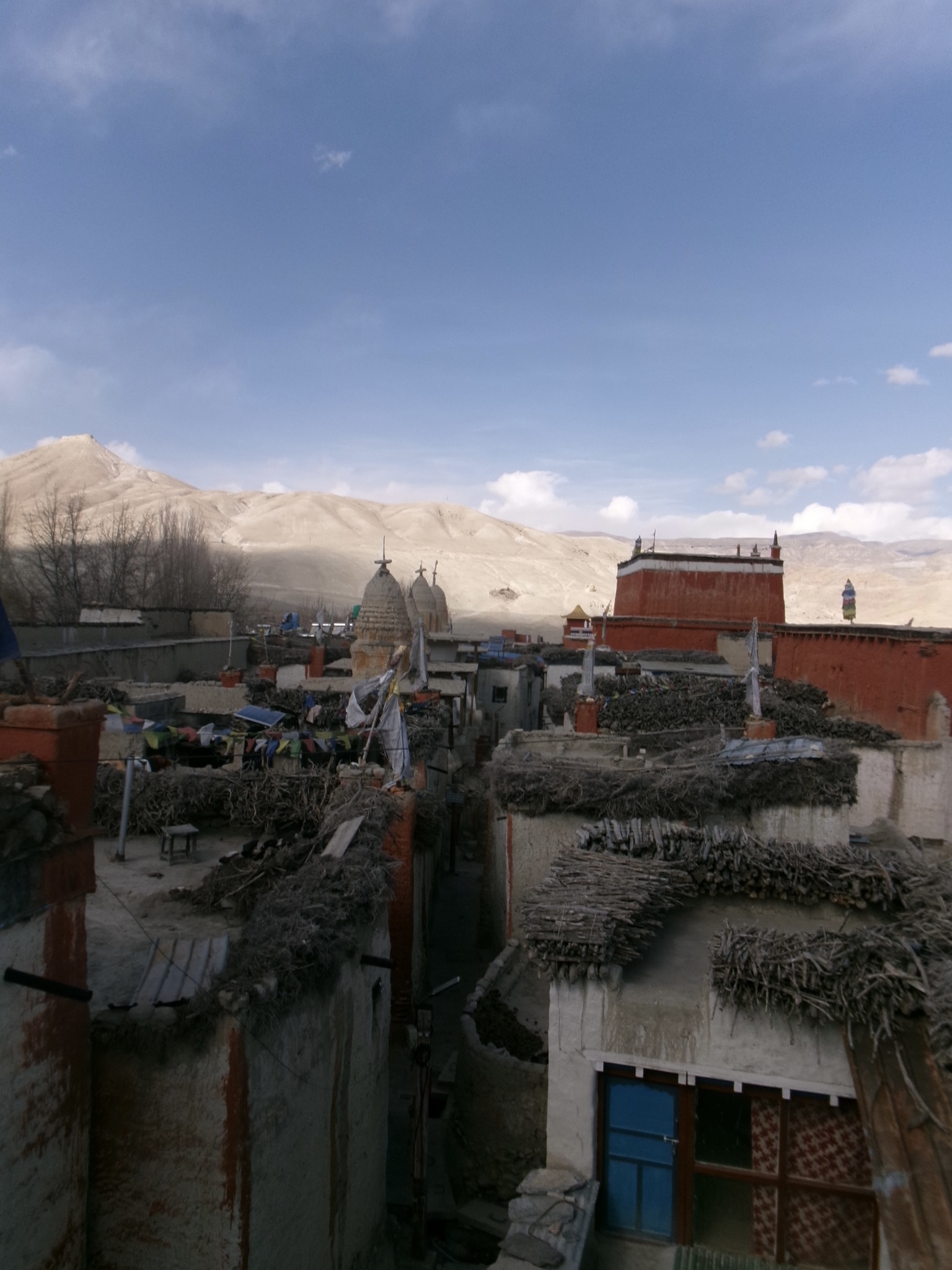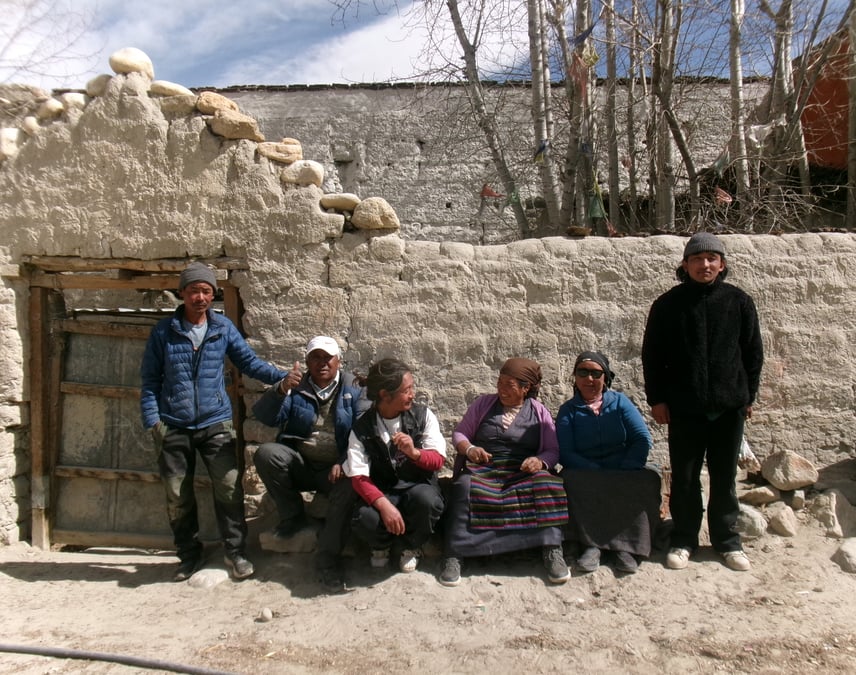
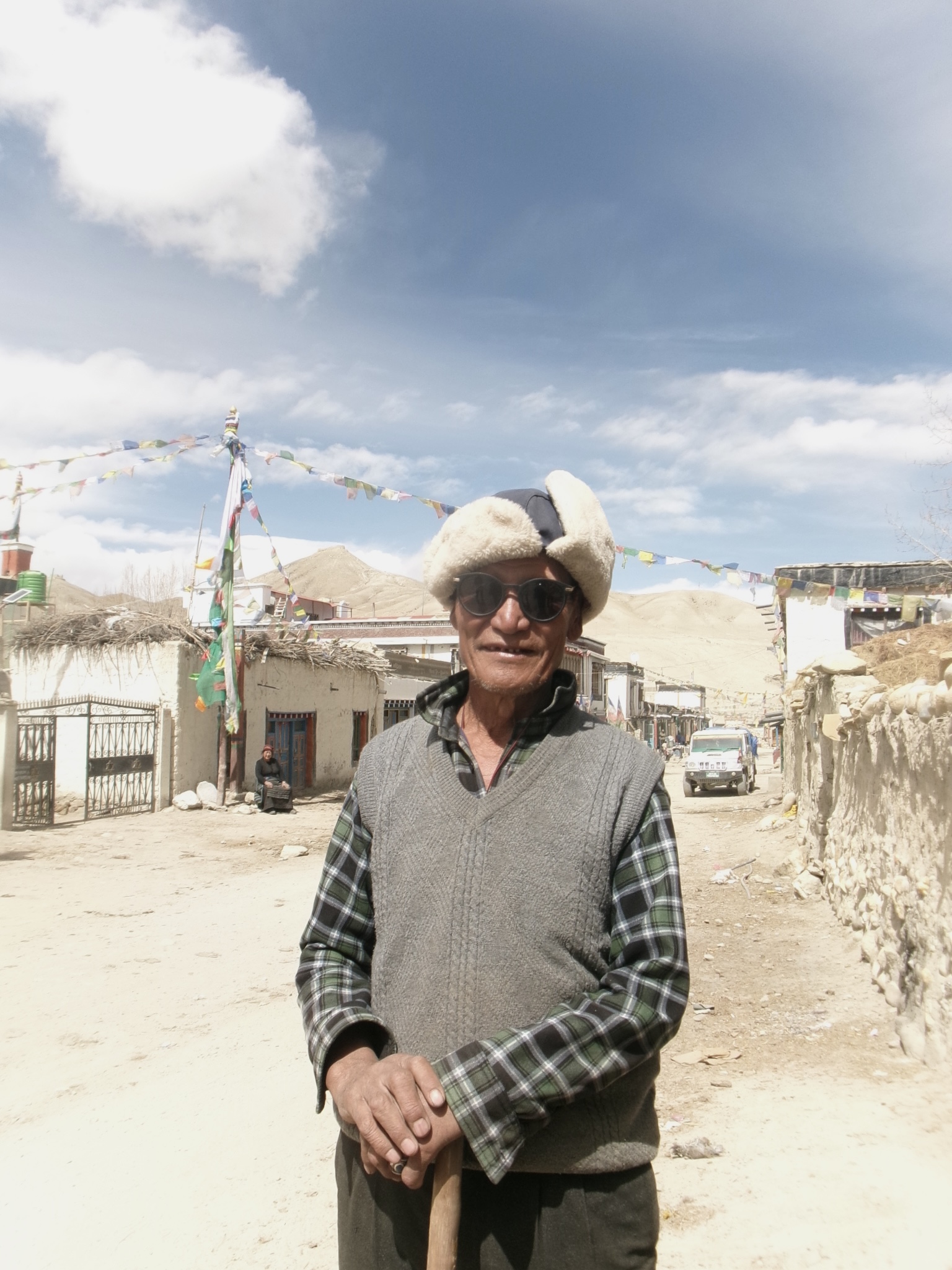
In the arid trans-Himalayan town of Lo Manthang, Rinzin Sangpo leans against his spade, manure for his farm at his feet.
It is just a few weeks after the election, and while the RSP’s blue wave swept the rest of the nation, Mustang stood by legacy parties, reelecting the incumbent Nepali Congress candidate to Parliament.
“I’m just a farmer,” 72-year-old Sangpo says, yet, he has high hopes for his town and district including an improved water supply, clean canals for agriculture, and better schools for his grandchildren playing on the streets.
Voices like Sangpo’s from Nepal’s rural and underserved communities have been largely overlooked by mainstream media and political leadership. Because of this, he has little faith that the new government will deliver.
But Mustang should not be overlooked. Even though a majority of people might not have voted for the RSP, those who did look forward to what the new leaders will do.
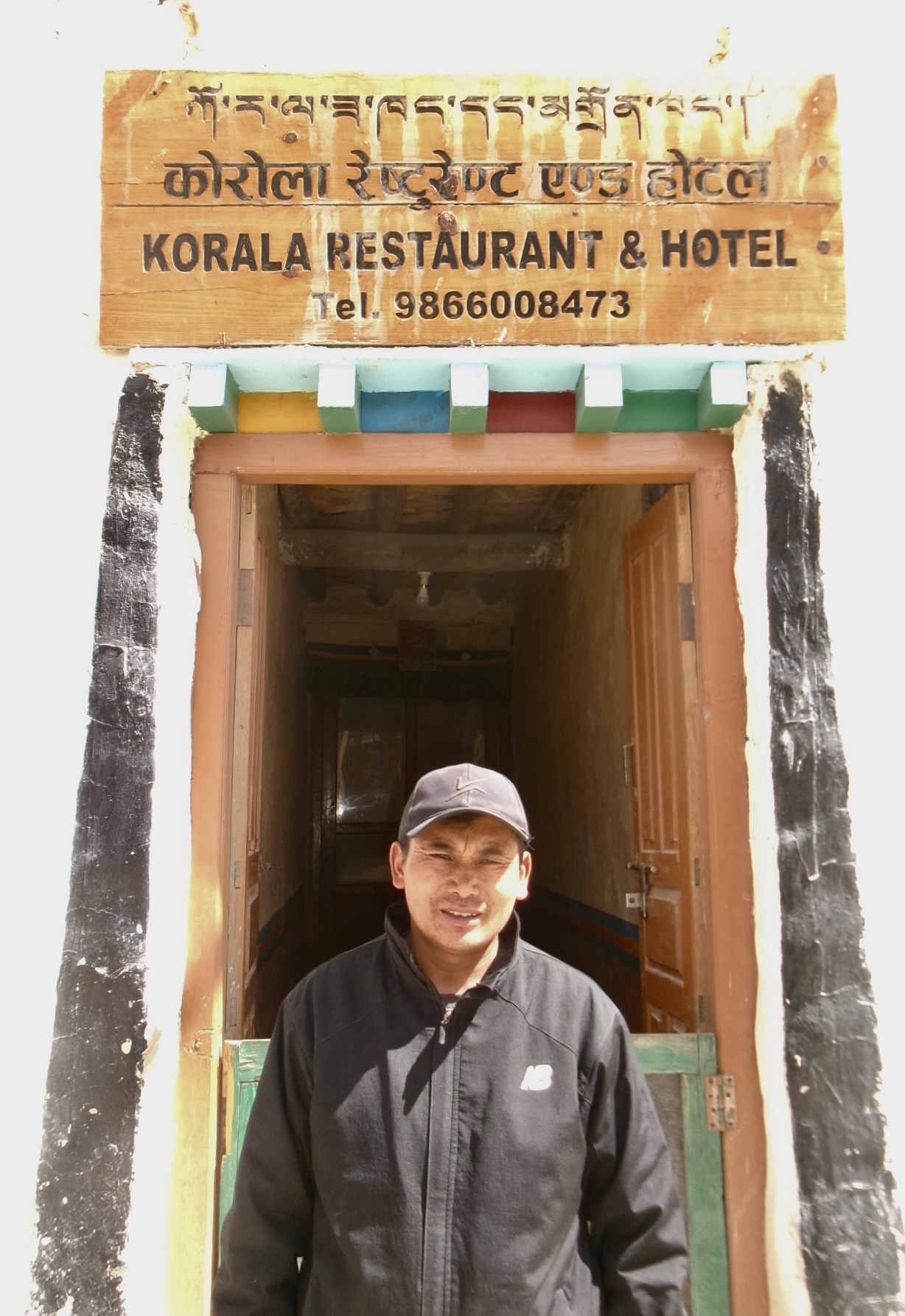
Rinzin Guru, a 45-year-old hotel owner, was one of 759 people in the district who voted for the RSP in March, in hopes that the younger generation of elected officials would invest more in the youth of Mustang.
Guru echoes Sangpo’s wish for better schooling. His two young children are enrolled in boarding school far away from Lo Manthang because government schools here only have classes up to Grade 5. The school fees he pays amount up to Rs 300,000 yearly, adding to financial pressure.
These challenges in Mustang’s education sector are only a part of a larger picture of infrastructural failures that impact the everyday lives of its residents.
Sonam Tsering, 60, works at the local hospital, and laments the lack of adequate facilities, outdated equipment, and limitedtreatment options to better care for patients in the region. “The medicines the government sends are simply not effective or sufficient,” he says.
Tsering explains how this means that many residents have no choice but to travel 6 hours away to Pokhora. “Better facilities always go to bigger, wealthier cities,” he adds.
Across town Yang Dolkar, 47, agrees that hospitals in Mustang could use upgrading and improvements: “We don’t have treatments for common problems like cavities. But to ensure that modern machines and equipment operate properly, we need stable electricity.”
Dolkar also voted for RSP believing that a new younger government would better address these challengesfacing Mustang people.
Moreover, better healthcare for Mustang also depends on access to and improvement of other infrastructure.
On this day, Dolkar, along with two other women, are huddled around a pipe that juts out from the ground in Lo Manthang, doing their laundry. In the absence of sustained running water in their homes, this pipe on the side of the road serves as the laundry centre for residents of Upper Mustang’s capital.
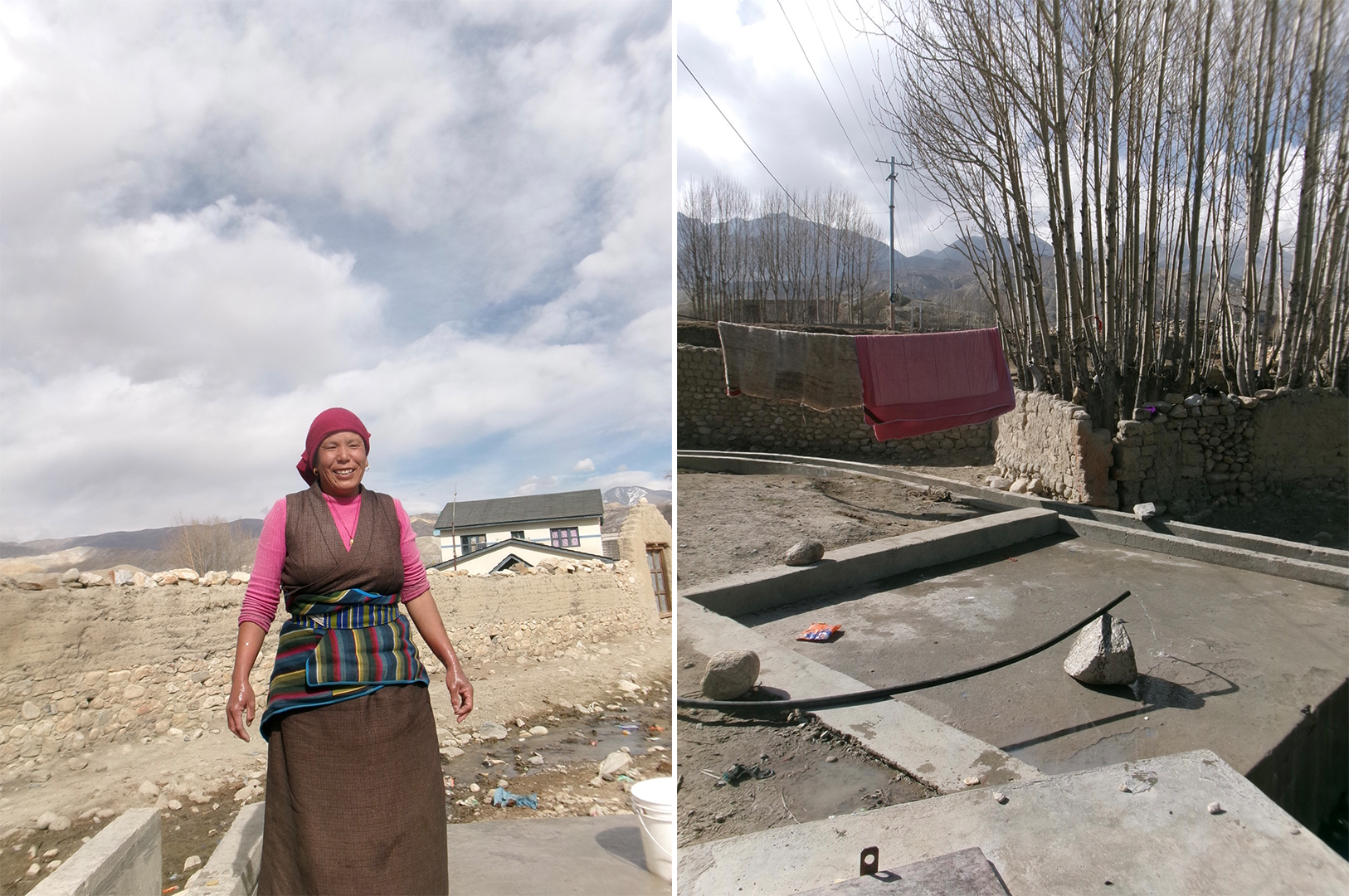
It is not just electricity or running water, roads need upgrading too. For those who must travel to the city, including to Pokhara, it is often a matter of life or death, and yet the roads remain treacherous and unsuitable for many vehicles. Beyond emergencies, functional roads are imperative to stimulate Mustang’s economy.
Better roads would mean improved market connectivity, and would facilitate the ease of movement for tourists traveling to and from Mustang. Poor roads have made transport costs exceptionally high, while tourist permits to Lo Manthang cost $50 per day.
The lack of road connectivity, education, healthcare, water supply, electricity, or economic opportunity has pushed young people to leave Mustang, moving to urban centres or abroad. The future of Mustang’s youth is directly tied to the promise for infrastructural change from the new government.
At present, there are only 23 young people living in Lo Manthang, including 25-year-old Pema Tenzin and Kunga Sanpo, 23, both of whom voted for RSP in hopes that a younger generation of leaders would bring new economic opportunities.
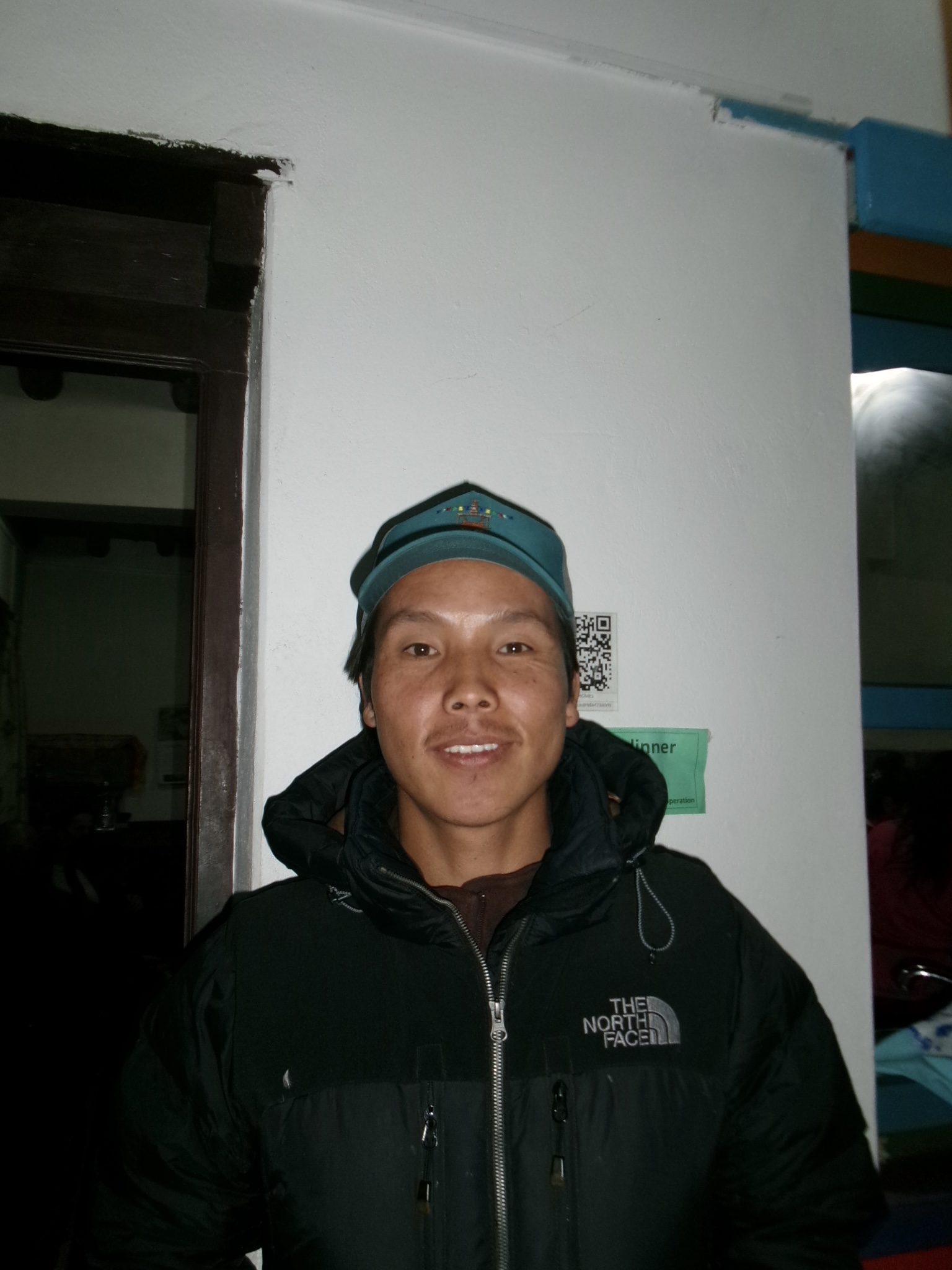
“I can’t say much about how politics works, but I am hopeful to see new faces,” Sanpo says.
Tenzin, the president of the Lo Manthang youth club says, “With better roads and fewer restrictions for visitors from the government, Mustang would have the chance to flourish economically through trade and tourism. If this wasn’t so hard, youths would not have to leave.”
The overarching feeling among the people of Lo Manthang is that of hope, in the roads not yet paved, the young people who have not yet left, and the shared belief that one way or another, change will come to Mustang.