If it is October, it must be Dasain in Kathmandu. And it must be time for Surya Nepal Jazzmandu. This year, the 17th edition of the Kathmandu Jazz Festival returns with artists from all over the globe performing in the city.
International bands like Tropic Green, RSxT, Adrian Crookston & Palouse Forro, Paul Tynan & Jake Hanlon and Faby Medina, as well as The Blue Fret, Cadenza Collective and Jooni from Nepal will be performing from 17-23 October in different venues in Kathmandu Valley.
Jazz has come a long way from the African American communities on the cobbled streets of New Orleans in the late 19th century to different corners of the globe. It has evolved into latin jazz, gypsy jazz, Afro-Cuban jazz, and even Nepali jazz. But even though the blues and swing-inspired art form has branched out, improvisation -- the essence of jazz -- is still its heart and soul.
Read also: Kathmandu, and all that jazz …, Sewa Bhattarai
“In Nepal, jazz has influenced and inspired lot of Nepalis into listening, learning and playing jazz. Surya Nepal Jazzmandu has promoted jazz in Nepal and has brought renowned world class musicians to audiences in Kathmandu” says Samir Chettri, an organiser of the festival and band member of Cadenza Collective.
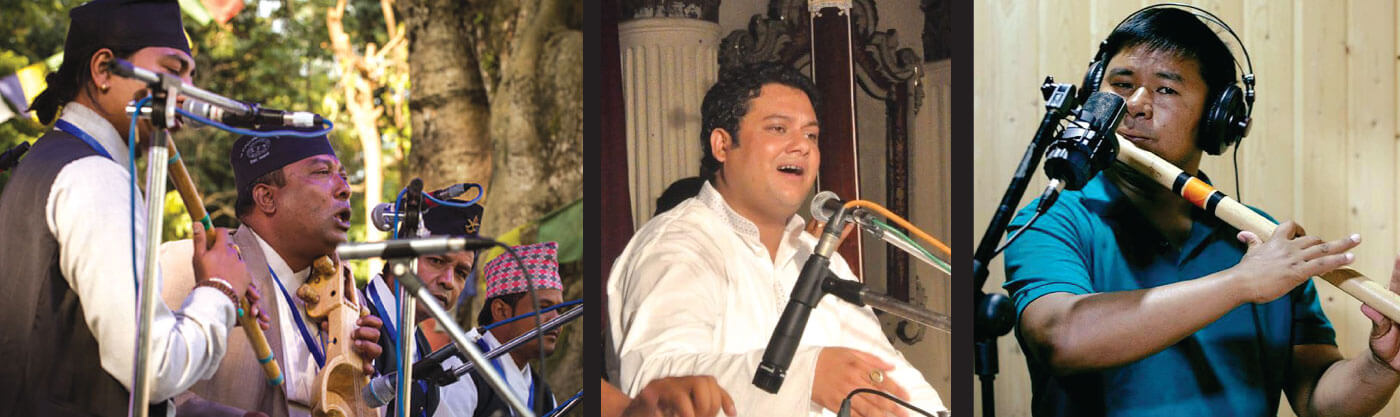
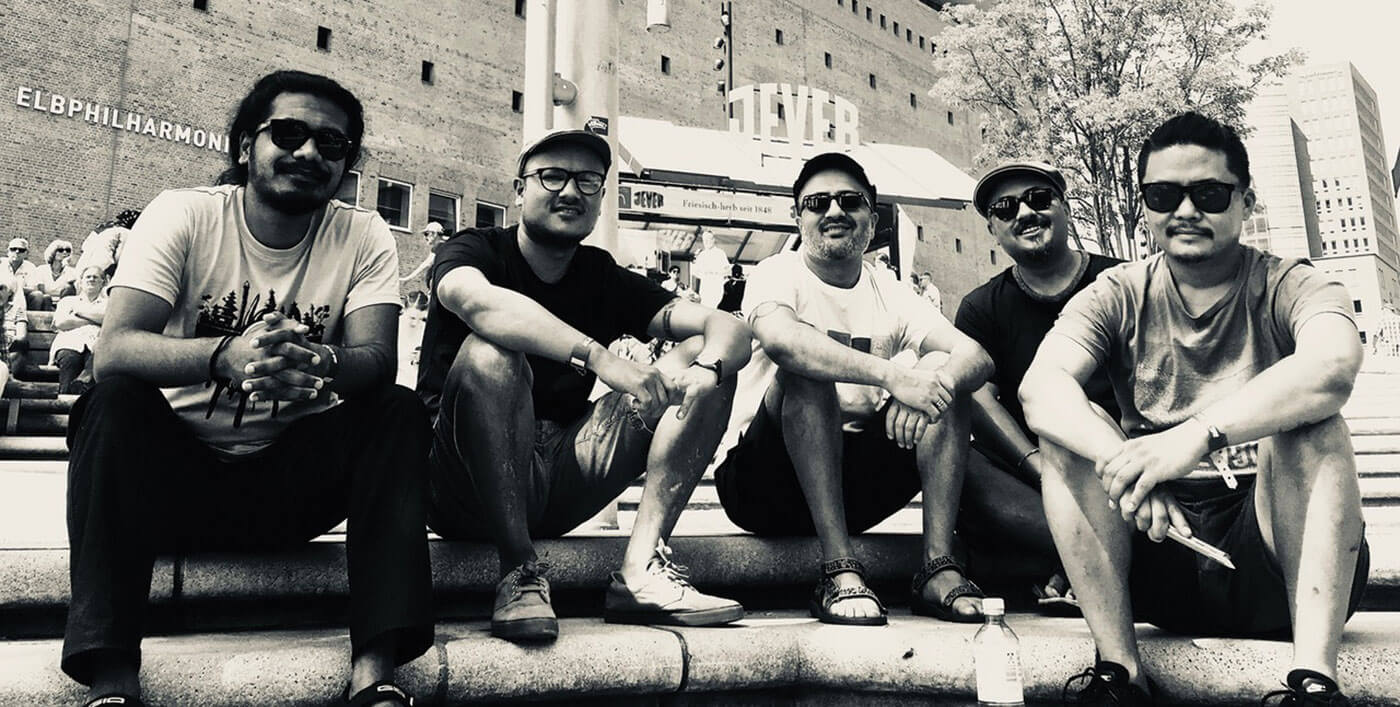
The Collective with its eclectic Afro-Funk tunes, Nepali lyrics and jazz undertones have defined the diverse identity of Nepali jazz since its inception almost two decades ago. With the bass, keyboard, bansuri and sarangi. The Blue Fret band has also created its own jazz sound, combining the swing and blues roots of jazz with the traditional spin of Nepali instruments.
Read also: Jazz it up in 'Mandu, Sahina Shrestha
Jooni, a quintet composed of artists from Nepal and around the world, embodies the sound of modern jazz and traditional Nepali music, giving life to a diversity of sounds and rhythms.
The variety of international and national artists this year will add music to the streets and halls of Kathmandu between the holidays, sprinkling their melodious magic.
Says Chettri: “Having musicians from different parts of the world brings cultural interaction and diversity. The fusion of Nepali classical music with jazz has also been one of the biggest highlights of the festival. The festival itself is a very inspiring and unique experience for visiting artists, Nepali musicians as well as the audience.”
Read also: West African Soul
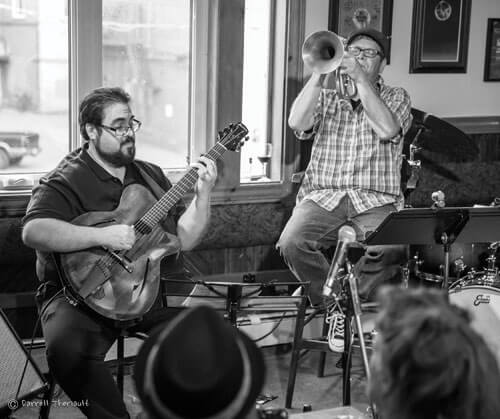
Paul Tynan and Jake Hanlon, Canada
Trumpeter Paul Tynan and guitarist Jake Hanlon are a dynamic jazz duo from Canada. Having played together for more than 10 years, they have developed a rare musical chemistry that is ever present through their fluid improvisations during performances.
“Improvisation is the heart and soul of jazz. It’s where the art lives in jazz music. As a jazz musician improvisation means creating new music in the moment while being mindful of the surrounding sonic environment and what the other musicians are contributing to that by reacting and interacting. It’s a lot like a deep verbal conversation in many ways.”
Faby Medina, France
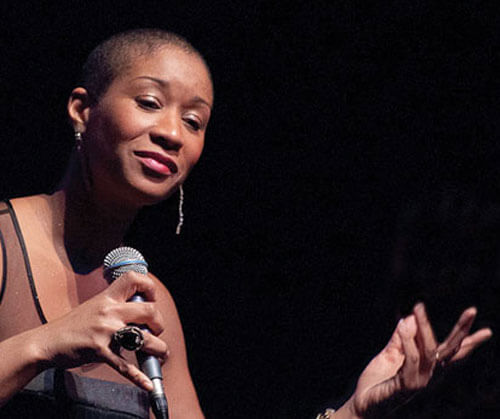
Faby Medina is a captivating singer-songwriter who released her debut album Following Love in 2017.Her songs are deeply personal, upbeat, occasionally influenced by her Caribbean background and touched with soul, swing and pop. She will be backed by Frank Herrgott (keyboard), Bruno Schorp (bass) and Julie Saury (drums).
“Ella Fitzgerald! The first time I heard her voice, I was in shock. Her swing, her scat, her humour, her joy! I just fell in love! My Caribbean roots has also influenced my sound. It helps me to sing with my body. My parents come from Guadeloupe and it’s very important to dance out there! Everyone is comfortable with their body.”
The Blue Fret
Led by the musical Suman Thapa, this Nepali band combines the traditional sound of the bansuri and sarangi with western tones and both English and Nepali lyrics. Its much anticipated debut album Jiri Blues was released in 2018.
“When music came through, it was hard to separate the western and eastern style, and the genres we experimented with. But the music incorporated all the elements and it worked. The versatility of the musicians, and the open mindedness to play what feels and sounds good has been crucial to executing this.”
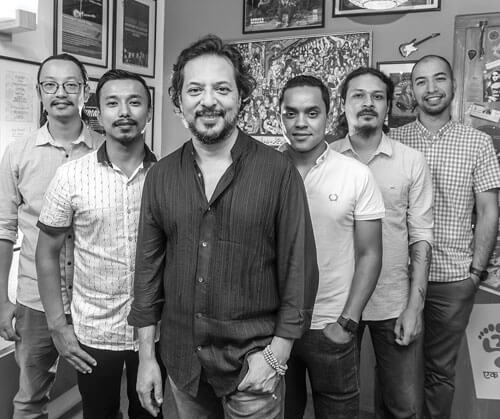
Jooni Collective
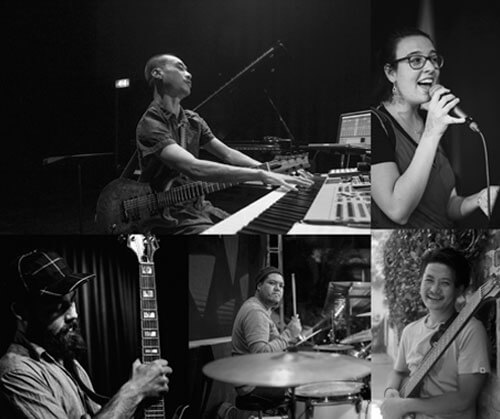
Jooni Collective is the musical project of pianist and composer Abhisek Bhadra and vocalist Maria Fajardo. Now a quintet with Alessio Cazzetta on the guitar, Rajat Rai on the bass and Kiran Shahi on the drums, its music is a reflection of the diverse backgrounds and experiences of members.
“Nepali music is a very rich tradition with a lot of variations. But the reason why most traditional Nepali music forms, specially Nepali classical music and jazz does work well together is that both forms of music are deeply rooted within the concept of Improvisation. Same is the case for jazz and most folk traditions. Whether or not it blends seamless together or not simply relies on the artist’s intentions and methods to achieve it.”
Adrian Crookston & Palouse Forro, USA
Palouse Forró’s music isn’t exactly ‘jazz’. Forró is a genre, dance, rhythm, that originates in the northeast of Brazil. The sound is inspired by the language of jazz and improvisation through the percussion and accordion. Much of its style is influenced by premier jazz accordion players like Dominguinhos and Sivuca who got their start with Forró.
“For me, Jazz is an incredible innovation and gift given to the world primarily by Black Americans. Now, people all over the world are innovating in Jazz, it’s happening right here right now in Kathmandu and has been for a while by Nepalis too!”

Tropic Green, Singapore
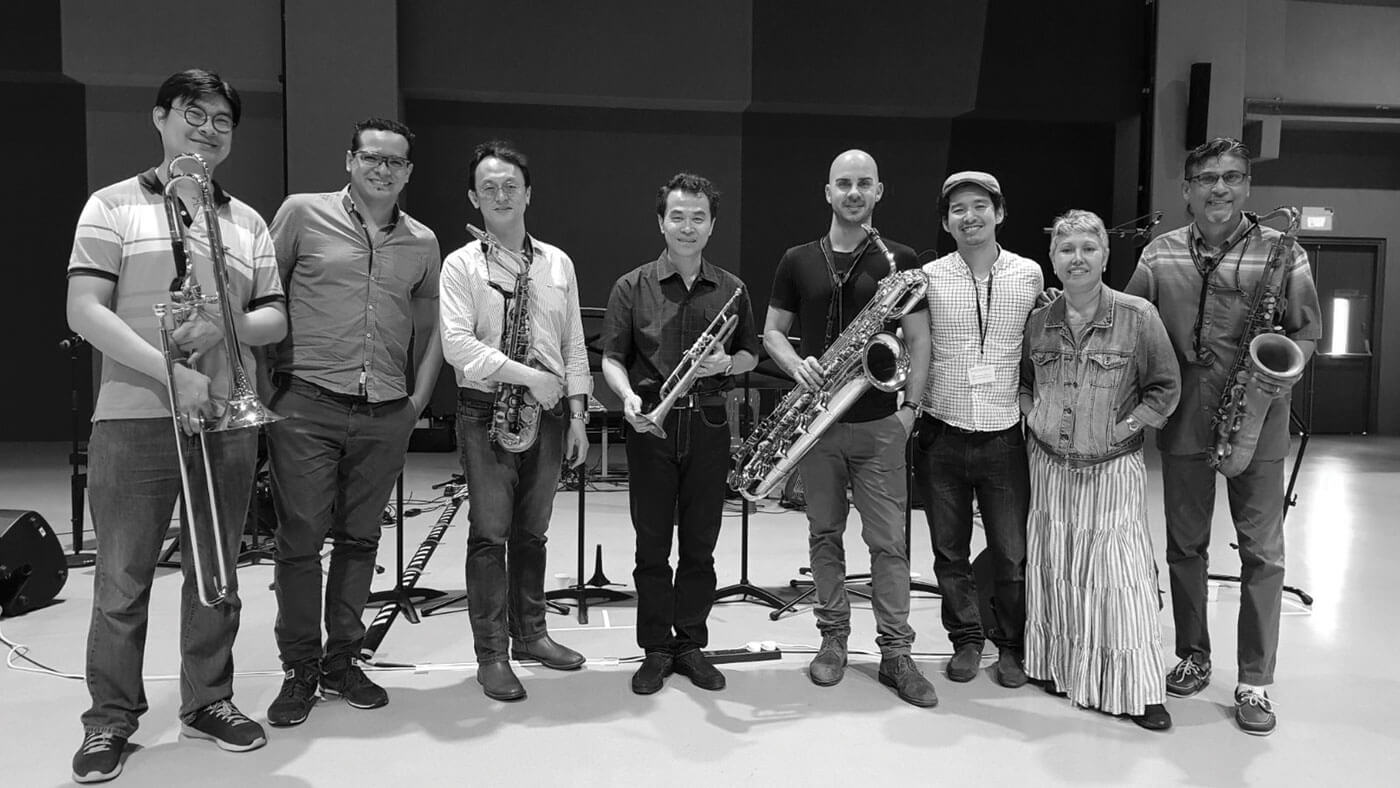
Tropic Green is an 8 piece jazz band based in Singapore and composed of musicians from Singapore, Venezuela, USA and Cuba. Its music is composed and arranged by pianist Susan Harmer. According to Harmer, 5 horns give the band its unique sound, adding harmonic and textural richness to their music.
“Jazz musicians are unashamed borrowers -- there is no single element that is uniquely jazz. Jazz borrows harmonies, rhythms and the element of improvisation from all global genres. It is this universal richness, where no single performance of a tune is alike that is recognized as being jazz.”