
.jpg)
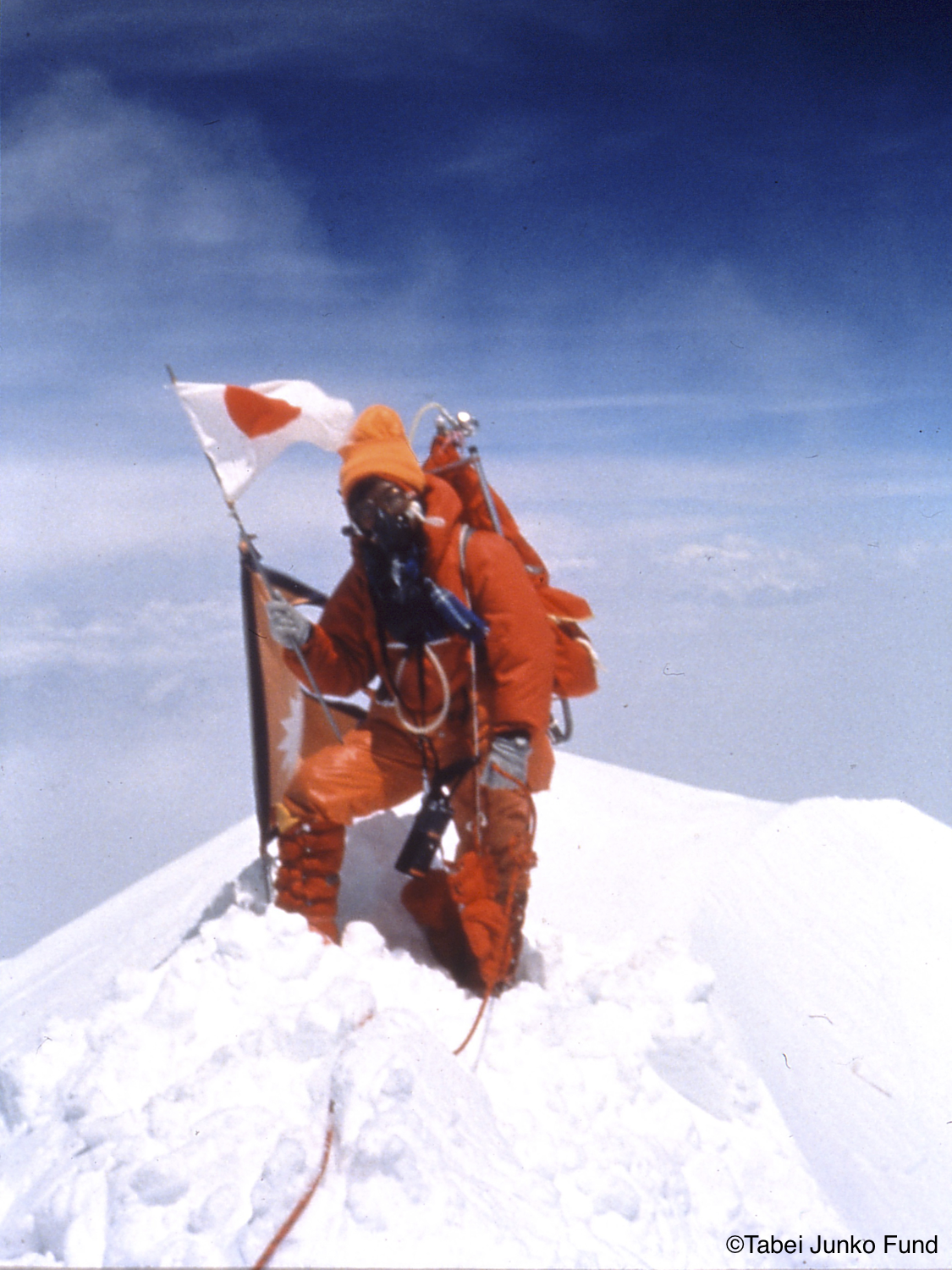
Junko Tabei (1939-2016) is remembered not only as the first woman to summit Mt Everest in 1975, but also as an irreplaceable lifelong friend of Nepal.
It was 1975, the International Women’s Year. And 2026 is the 70th anniversary of the establishment of diplomatic relations between Japan and Nepal. The timing could not be better for the special screening on 30 May at the Kathmandu International Mountain Film Festival (KMIFF) of the Junko Tabei biopic, Climbing for Life.
As a Japanese citizen who has lived in Nepal for 36 years, and was a member of the same mountaineering club as Junko, I am among the generations she inspired.
Junko received worldwide acclaim after her epic climb, and even while suffering from terminal illness in her later years, refused to limit her activities. She was loved by her family, enjoyed life to the fullest, continued to climb, and encouraged young people traumatised by the 2011 Tōhoku earthquake and tsunami to join her in climbing Mount Fuji, Japan’s tallest mountain.
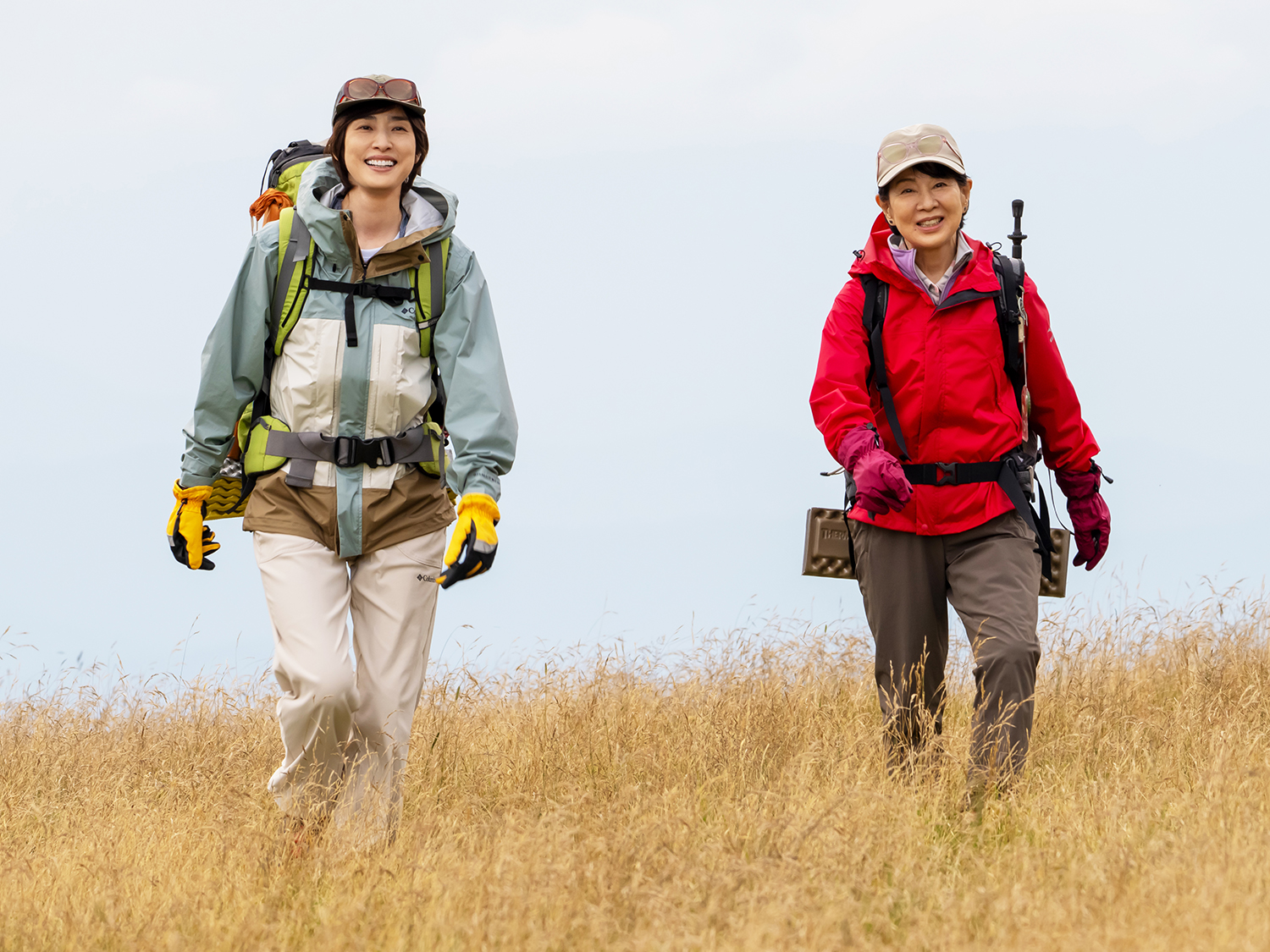
Legendary Japanese actress Sayuri Yoshinaga plays Junko in the film, the 124th in her acting career. Throughout, Sayuri has maintained her status as a distinguished star and remained physically fit. Her journey in the film industry mirrors that of Junko, who also reached the top.
Non plays Junko in her younger days, and has been active across a wide range of genres, including music, filmmaking, and art. I was surprised to see how accurately the young actress portrayed Junko’s casual gestures.
Additionally, prominent and talented stars like Koichi Sato and Yuki Amami play Junko’s husband and lifelong best friend. Fumino Kimura and Ryuya Wakaba play Junko’s children. Together they enact the family as its members endure the challenges of having a celebrity mother.
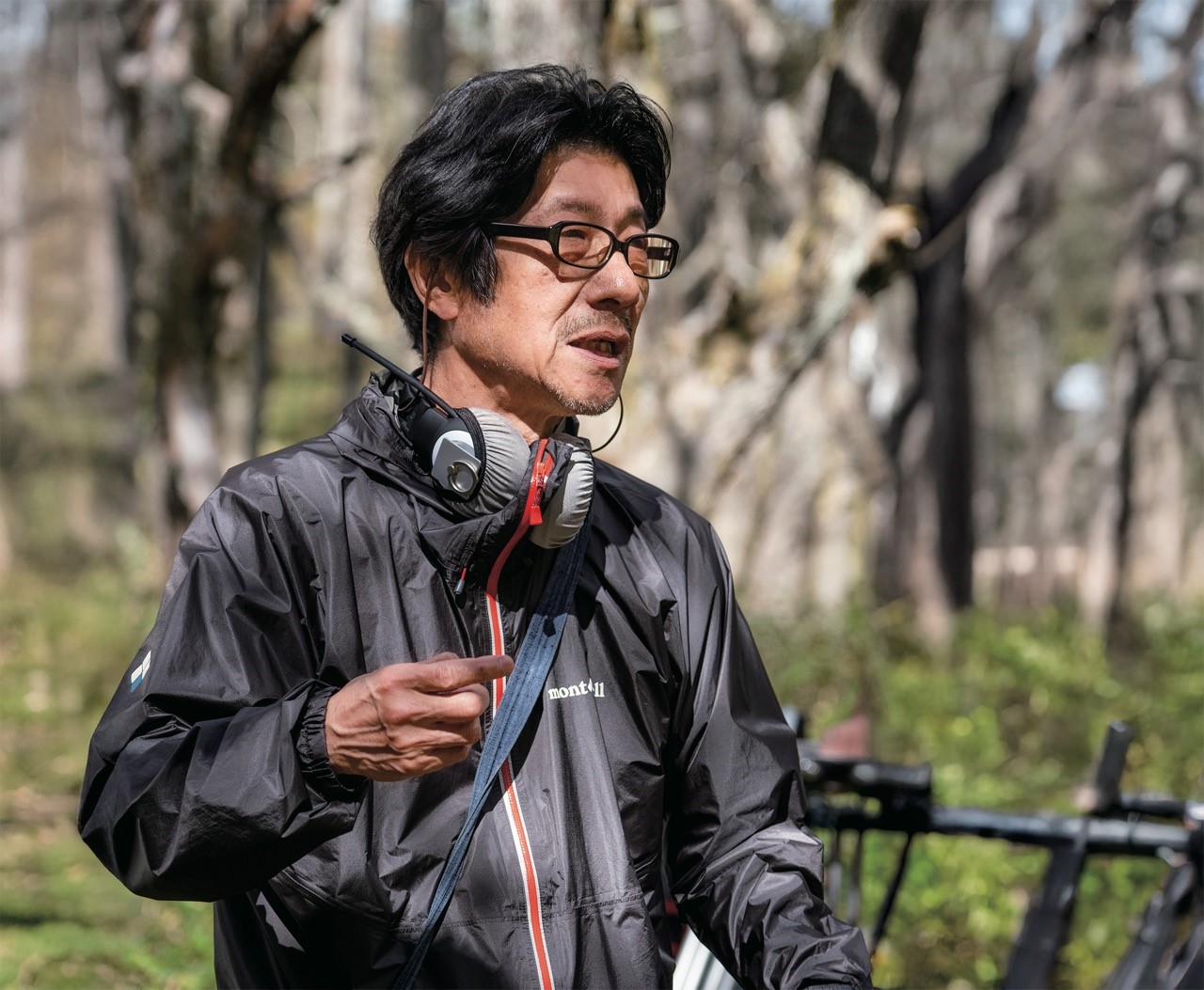
Director Junji Sakamoto has made numerous Japanese cinematic masterpieces since 1989, winning major awards like Japanese Academy‘s Best Director Award. He says the aim of the film was to be enjoyable even for people who are not devoted to the mountains.
REAL TO REEL
Unlike the commercialisation of Himalayan climbing today, the 1975 Japanese Women’s Everest Expedition is remarkable. The film captures the spirit of adventure from the early years of expeditions. Everything has been recreated -- from the climbing gear kept in the Junko household to the shirts and boots worn by a young Junko and her future husband, as well as their family car.
The film is authentic about the details of the Tabei family that I knew. The clothing and equipment look as if they were the originals. There may be some who think that Junko is a bit idealised in the movie. That would be natural since this is not a documentary but a feature film — but the move accurately brings the real to reel.
In the KIMFF audience will be Japanese residents of Kathmandu, and the screening has been officially recognised as one of the events to celebrate the 70th anniversary of Japan-Nepal diplomatic relations this year.
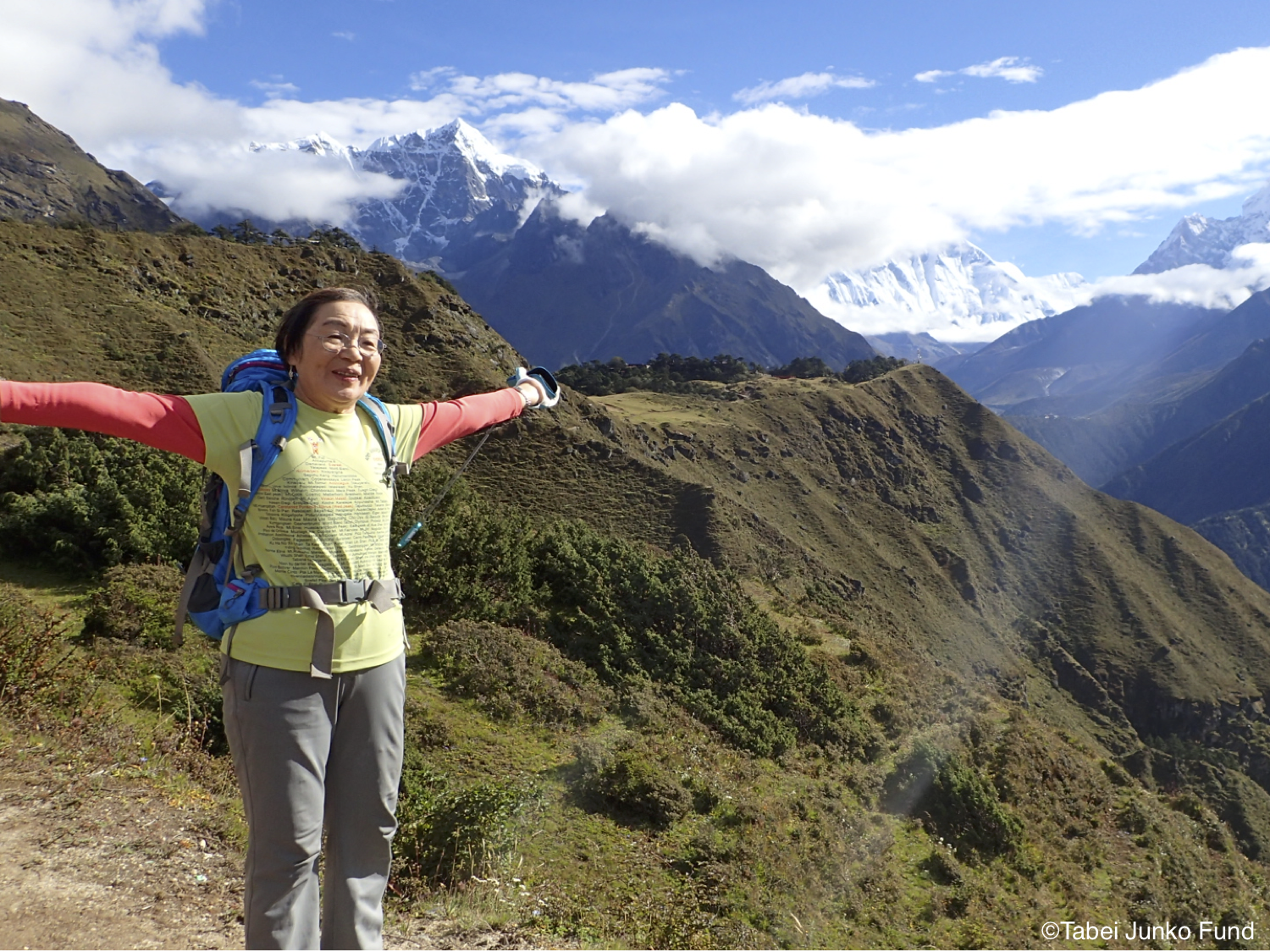
Junko Tabei loved Nepal and its people. Even in her later years, she kept returning to trek, sometimes with her husband, Masanobu, and other times with her son and daughter. Though they showed little interest in the outdoors as children, they LATER became her greatest supporters.
In 2015, on the 40th anniversary of her ascent of Mount Everest, Nepal was struck by an earthquake which killed nearly 9,000 people nationwide. Additionally, an avalanche triggered by the earthquake caused numerous casualties at Everest Base Camp.
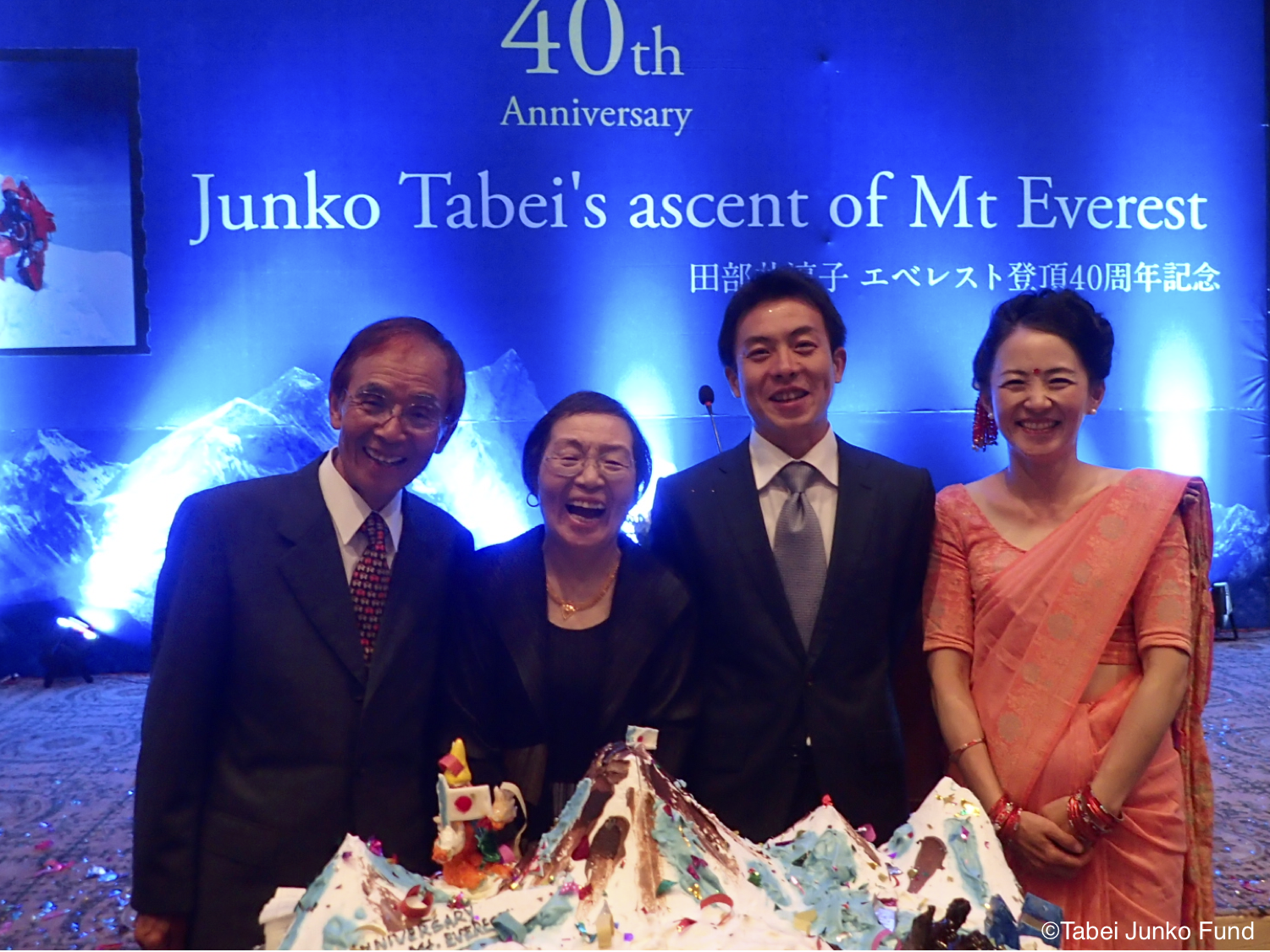
After the chaos settled , Junko and her family marked her own anniversary of the climb at an event in Kathmandu (pictured). Their goal was to contribute to Nepal’s economic recovery by hosting the big get-together and spending money there. At the same time, she sought to strengthen the emotional resilience of her friends in Nepal, and encouraged them to talk and smile together during that challenging time for the nation.
This act of compassion towards Nepal reflected Junko’s own empathy since her own hometown was also devastated by an earthquake and tsunami just four years previously. That 2015 event in Kathmandu was the last time I saw Junko.
She passed away the following year. She did not let on at all that her illness was so advanced. Even now, I want to tell her, “Junko, show a little more weakness to others. I depended on you until the very end, but I was never able to return you the favour that made me a resident of Nepal.”
Bringing the Junko film to KIMFF began as a casual conversation with its director Ramyata Limbu. We shared the same vague hope of screening the film in Kathmandu. We appreciate the support of many people, including the Tabei family, Embassy of Japan in Nepal, Kino Films, Tabei Junko Foundation, and Setsuko Kitamura (Junko’s closest friend and my mentor).
This film might not have been produced if Junko was alive today. The production could therefore be a message from her soul. The screening will be a meaningful opportunity also for us to see Junko’s story unfold on the big screen and reflect on my memories of her.
Miki Upreti is a Japanese writer, former mountaineer, trail runner, and development worker who has lived in Nepal since 1990. She launched this film screening project in collaboration with KIMFF.
Climbing for Life
Directed by Junji Sakamoto
130 mins | Japan | 2025
30 May, 3pm