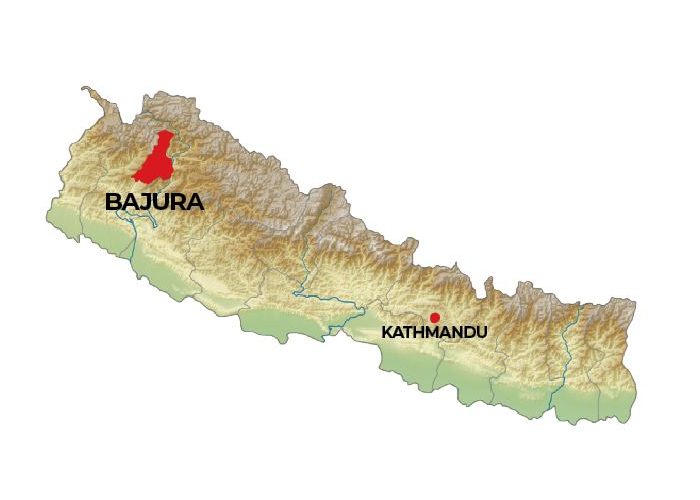
From his village in Bajura in western Nepal, the Indian border is much closer than Kathmandu, so that is where Manbir Sanjyal has been going to find work since he was much younger.
India is referred to here as कालापहाड, beyond the black mountains. And hundreds of thousands of Nepalis, especially from western Nepal, have for many decades crossed over to work as apple pickers, porters, domestic help or security guards in India.
Sanjyal worked in Kumaon, Garhwal, Delhi, Uttarakhand and Uttar Pradesh for years, and eventually he returned to Bajura. Kathmandu may be 800km away, but with better connectivity Sanjyal and many like him do not have to be migrant workers in India — they can be migrant workers in the capital.
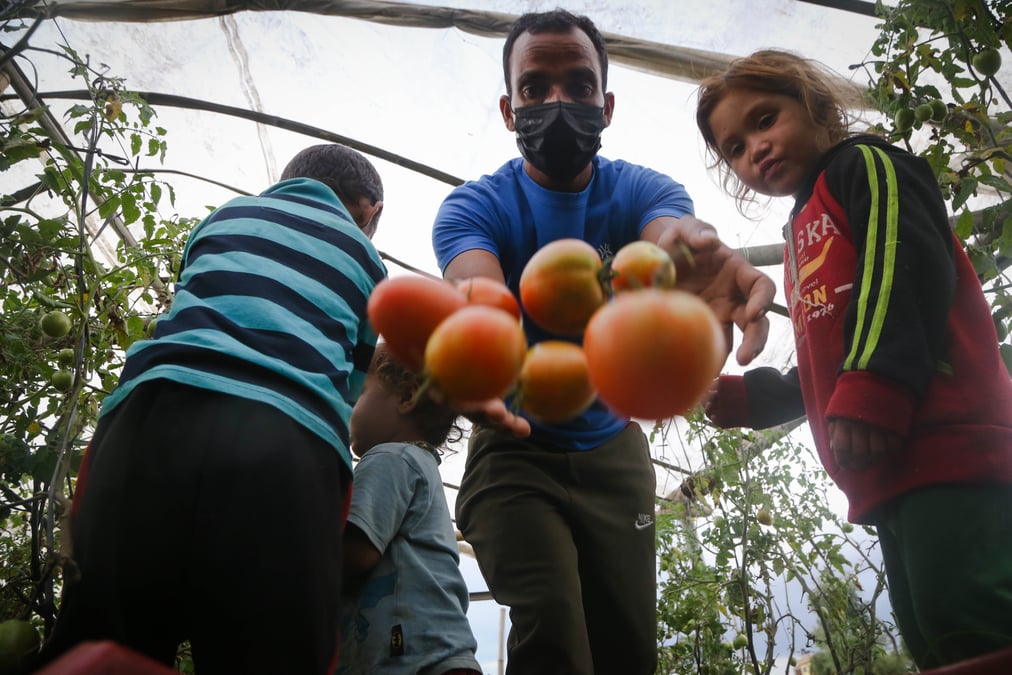
Sanjyal, now 59, moved to Kathmandu six months ago after farming in Bajura became insufficient to feed his family. He rented a farm in Panga at the western edge of the Valley and grows vegetables to sell in the market. He is doing so well, he plans to get into dairy farming as well.
Read also: Weaving the fabric of a new life, Sahina Shrestha
“When we were young we toiled in India, now our grandchildren can make a living growing food in our own country,” says Sanjyal, looking out from his greenhouse. “In addition, the grandchildren can get better education and health care here.”
Sanjyal’s son Jeevan completed high school in Bajura, and wants to go to college in Kathmandu. Bajura ranks lowest among Nepal’s 77 districts in the human development index. Poverty and poor harvests are endemic in the district because of lack of state support for irrigation. This makes Karnali Province the most food deficit part of Nepal with one of the highest rates of stunting and wasting among children.
News of Sanjyal’s success has reached his village in Bajura and inspired other families to also make a move to Kathmandu.
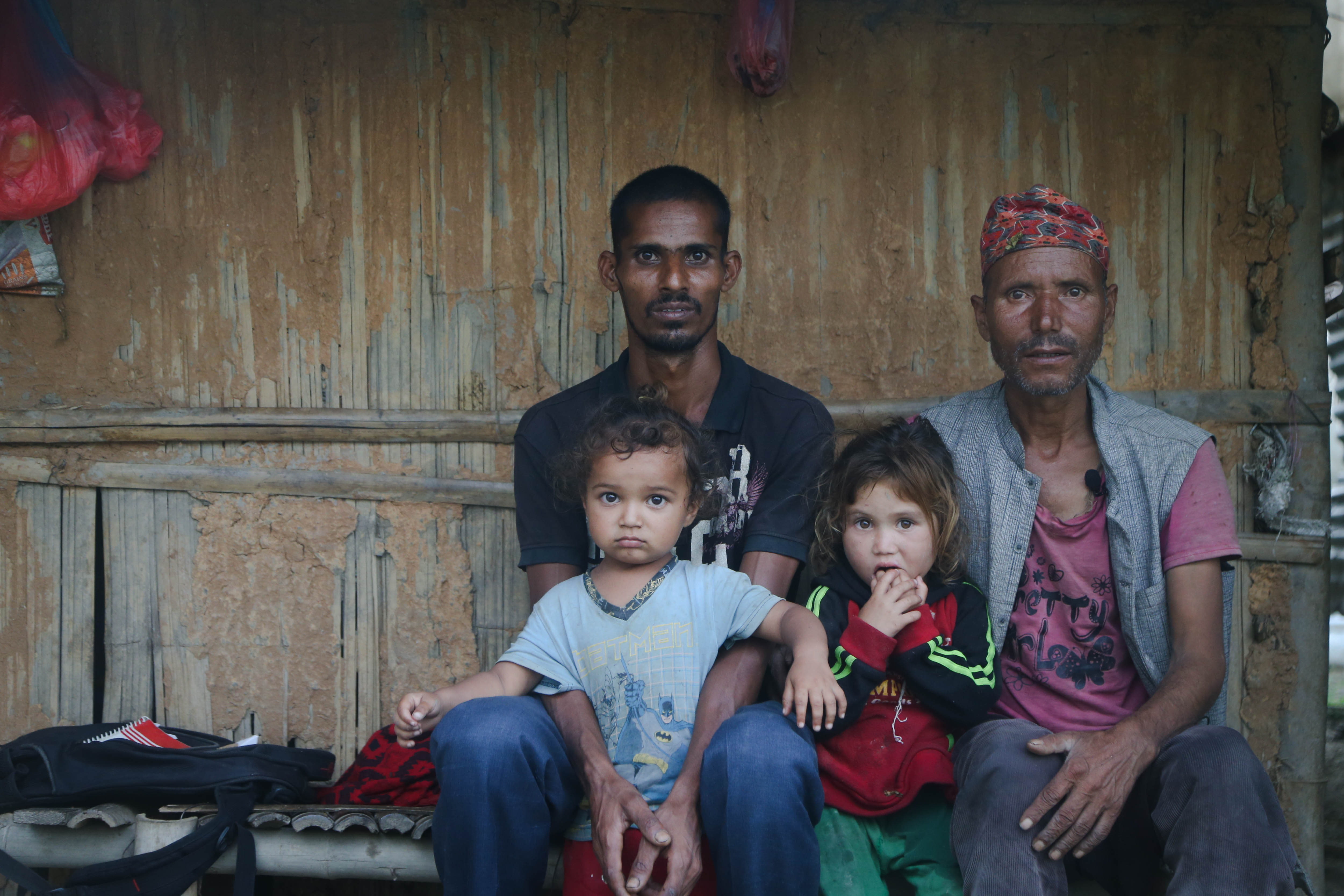
Lali Prasad Pandey came to Kathmandu after hearing about his sister’s successful commercial vegetable farming business in Kirtipur. He had worked in Qatar for three years before returning home to Saunegaun in Bajura, where he attempted unsuccessfully to make a living farming.
“I did make some money during my time overseas, but it was not enough to cover costs of healthcare or my children’s education,” he says. Pandey has been a vegetable farmer in Kirtipur for six years now, and his neighbours are also farmers from far-western districts like Bajura, Humla, Jumla, Kalikot, Mugu, and Rukum-West.
Like Sanjyal, Pandey has set up greenhouses to grow seasonal vegetables and finds a ready market in Kathmandu, even though over the years the profit margin has fallen.
Read also: Mothers of Sarlahi, Marty Logan
So, Pandey recently bought four cows to diversify his business, and sells milk door-to-door at Rs100 per litre. The cows also provide fertiliser for his vegetable farming business.
“Dairy farming is like having a salaried government job,” Pandey jokes, referring to the secure income it provides.
But the extra work also means he and his wife have to work 24/7 on the farm, and there is no time to go home to Bajura.