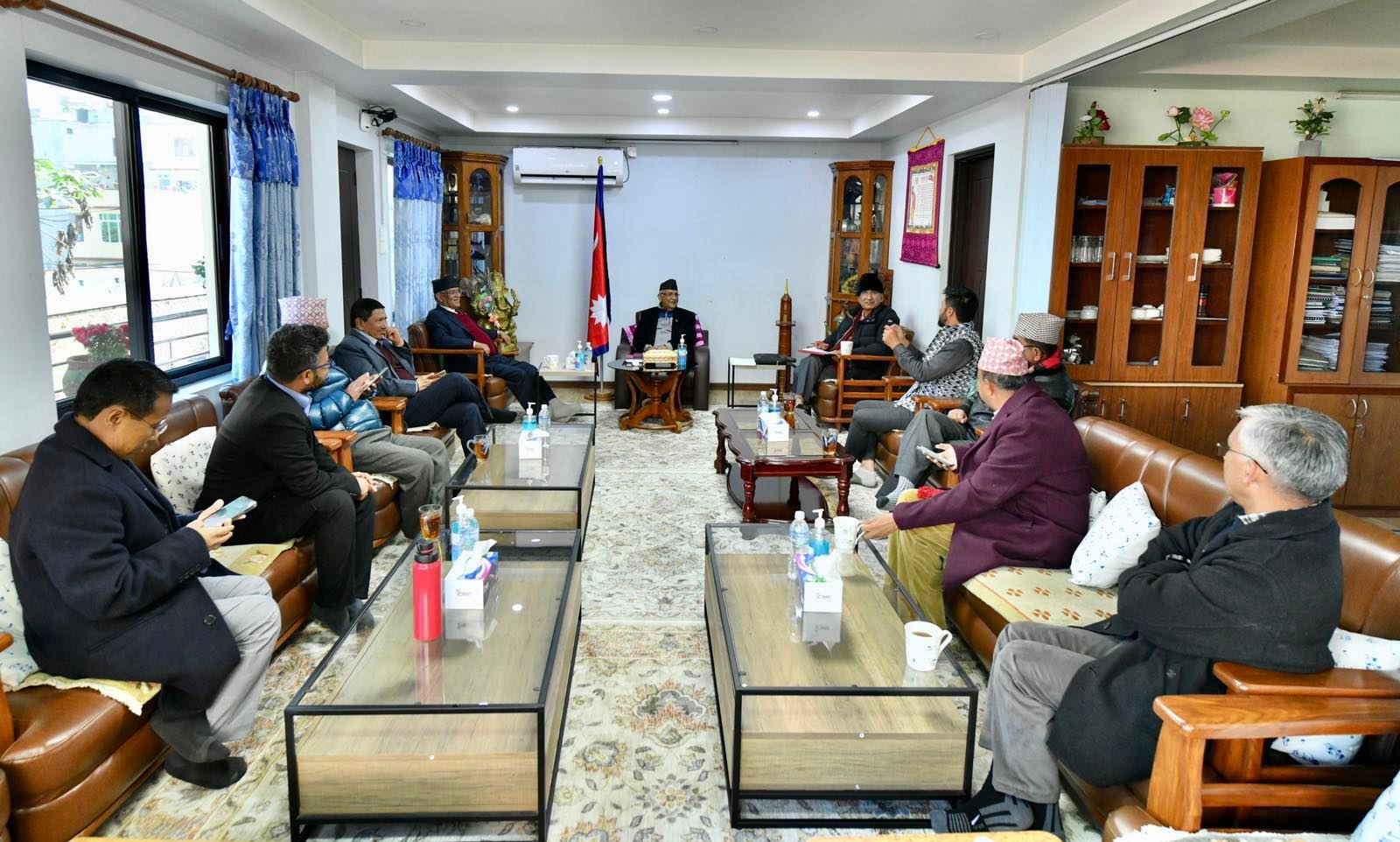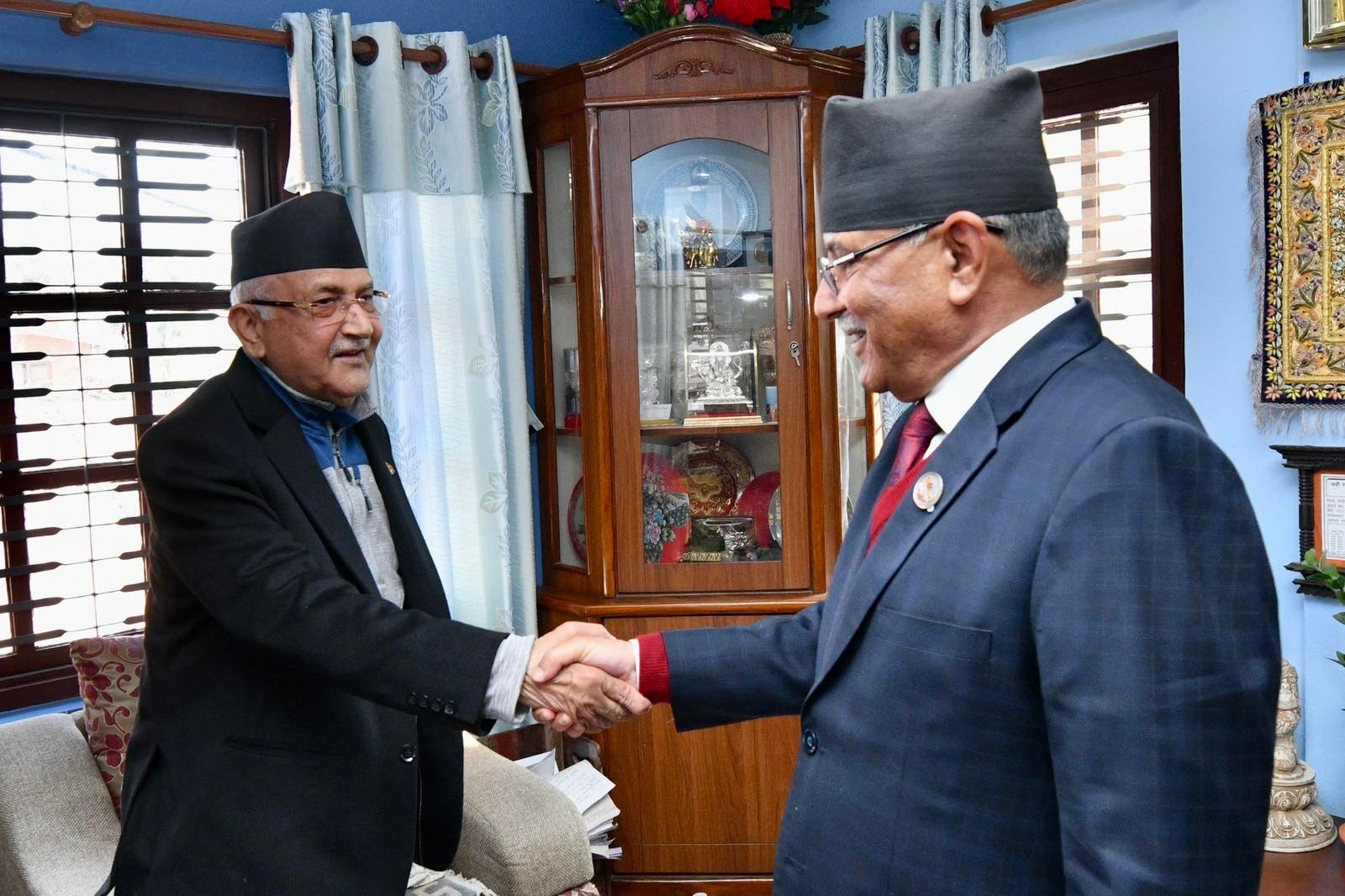
In a dramatic upturn in Nepali politics, two estranged Communist parties have reunited to form the next government by dumping a pre-election alliance with the centrist Nepali Congress (NC).
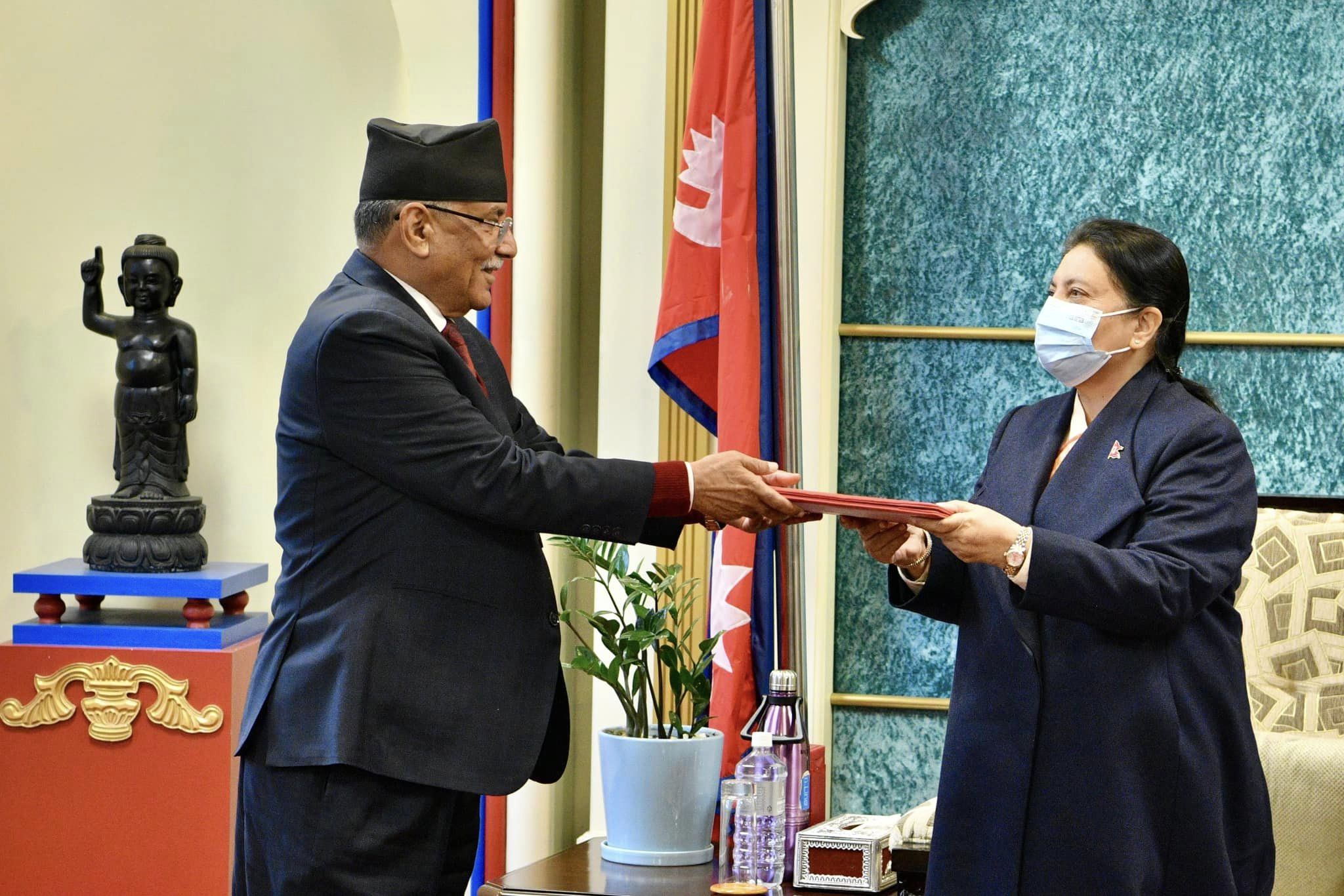
President Bidya Devi Bhandari on Sunday appointed the Maoist Centre’s Pushpa Kamal Dahal for the third time as prime minister. Dahal had been in what he called an “unshakeable alliance” with Sher Bahadur Deuba of the NC, but he suddenly defected to the side of former prime minister K P Oli of the UML after hectic power-sharing negotiations on Saturday broke down.
The Maoists and UML have now partnered with five other smaller parties, including the newly-formed independent RSP to cobble a parliamentary majority to form the next government.
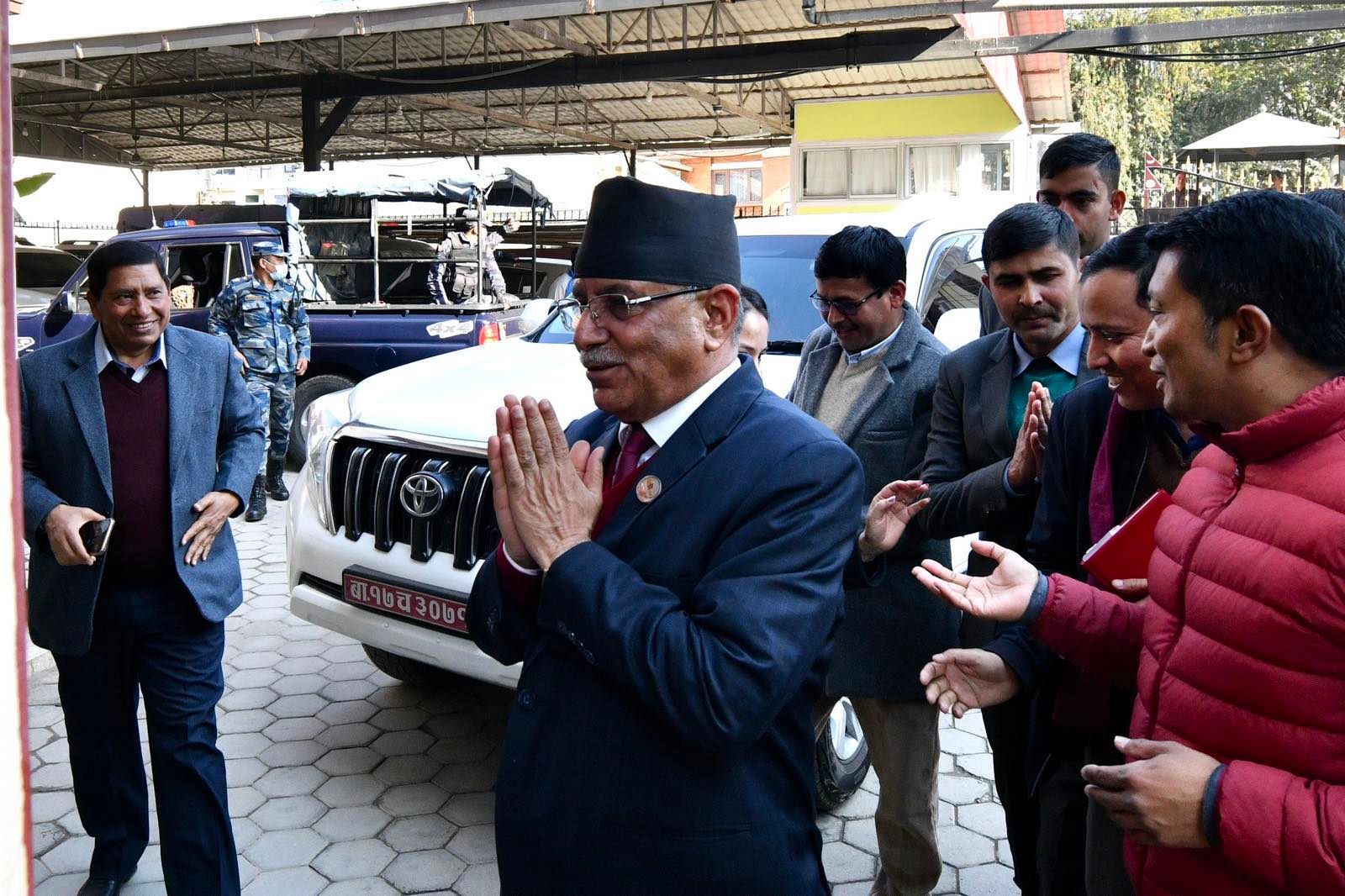
Dahal and Deuba failed to agree on who would be prime minister first, with Deuba reportedly insisting on being prime minister for the sixth time. Oli was ready to offer Dahal two-and-half years of prime ministership first if he abandoned his alliance with the NC. Dahal then took the bait.
There is a strong sense of déjà vu here, since Dahal and Oli had exactly the same agreement after the 2017 election when they united their parties to form the Nepal Communist Party (NCP). But Oli refused to hand over to Dahal after two-and-year, and the two fell out leading to the collapse of Oli government and the NCP split.
Dahal then sided with the NC, the rump UML and other smaller parties to form a coalition that shared seats to fight this year’s elections to three levels of government.
Political observers have described Sunday’s upheaval as an example of “extreme opportunism” of Nepal’s main leaders who want to get to power by any means, including lying and back-stabbing allies. They point to Dahal's statements last year that he would "rather drink poison" than ally with K P Oli again.
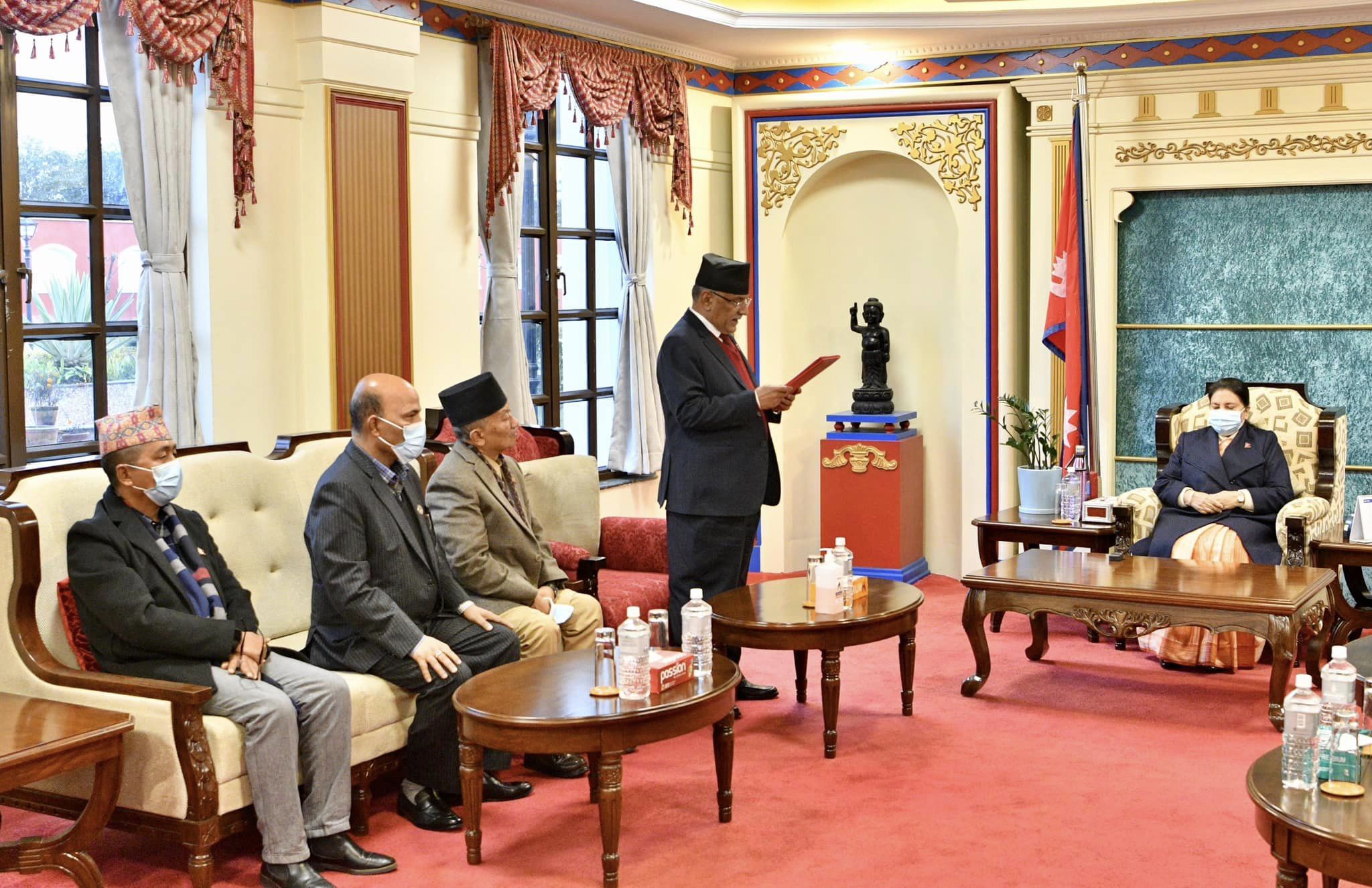
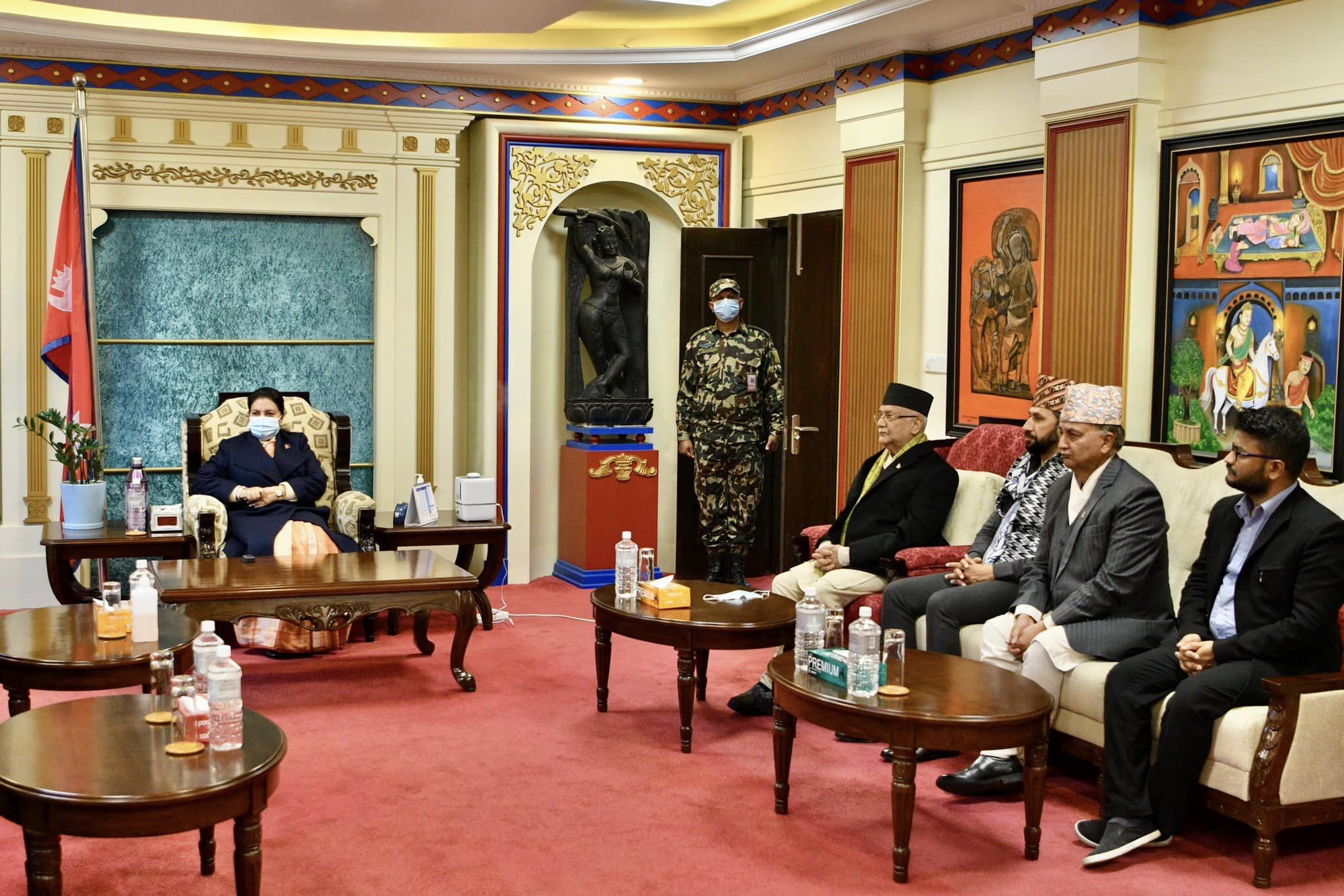
President Bhandari appointed Dahal to office as per article 76(2) of Nepal’s Constitution after he showed that he commanded a majority with other parties in Parliament. Dahal is set to take oath of office at 4pm on Monday. This will be a comeback for the Maoist leader who served two brief tenures as prime minister in 2008 and 2016.
Besides the Maoists Centre and UML, other members of new coalition government form a motley group with Rajendra Lingden’s royalist (RPP), former tv anchor Rabi Lamichhane’s independent RSP, Madhesi leader Upendra Yadav’s JSP, former separatist CK Raut’s Janamat Party, and the Tharu-dominant NUP.
“Even though the NC emerged as the biggest party after the election on 20 November, it failed to obtain a majority to lead the government,” said UML leader Shankar Pokhrel following the meeting at Oli’s resident Balkot that forged the alliance. “Therefore it fell on the UML as the second biggest party to take the initiative to form the next government. Pushpa Kamal Dahal was the moral choice for PM.”