I start every day scrolling through my phone for updates on climate change. My email has become a landing zone for climate newsletters and Google alerts. Once I am done catching up on the world, my day job which also has to do with climate change starts.
The majority of my day is spent talking and working on the climate crisis. Sports, pubs, conversations everything somehow leads back to this global crisis. Everyone I meet during the day seems interested in my take on it. This is often gratifying, but I also live with climate anxiety.
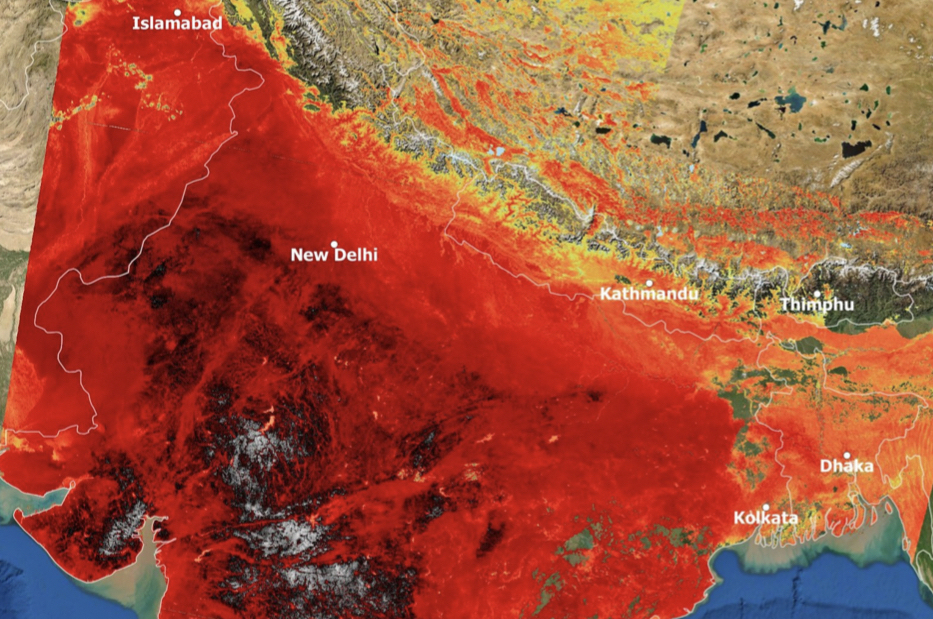
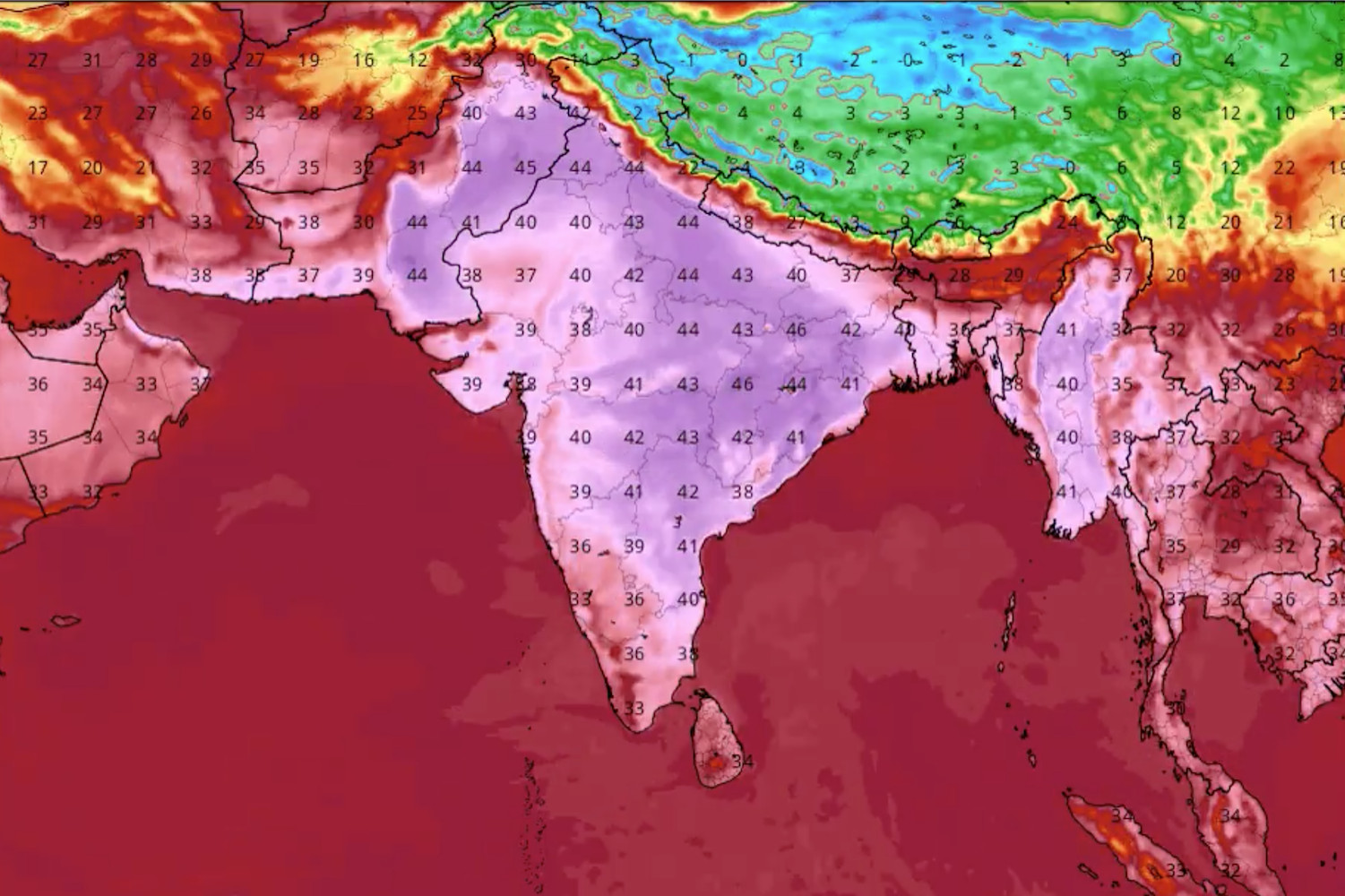
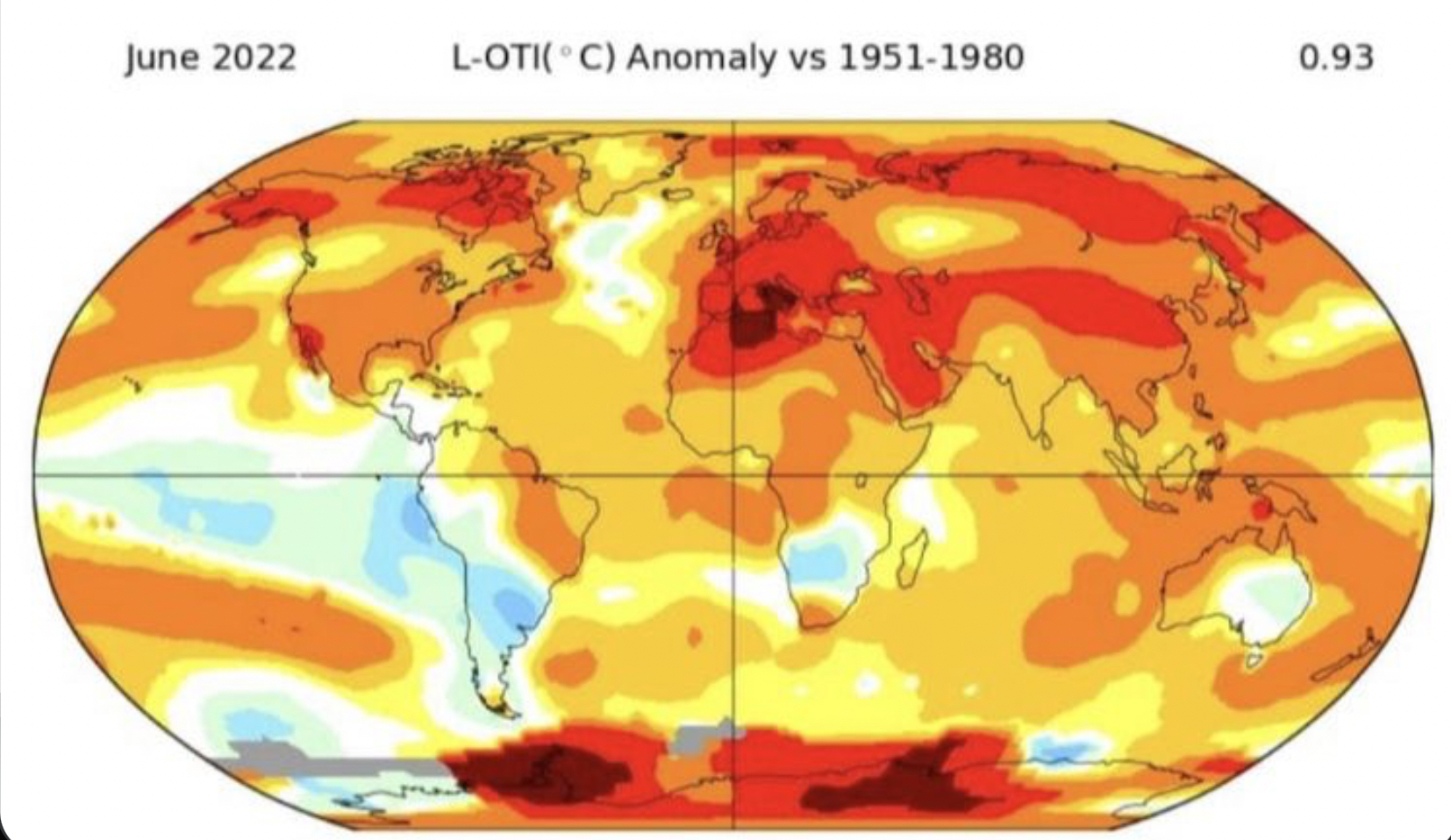
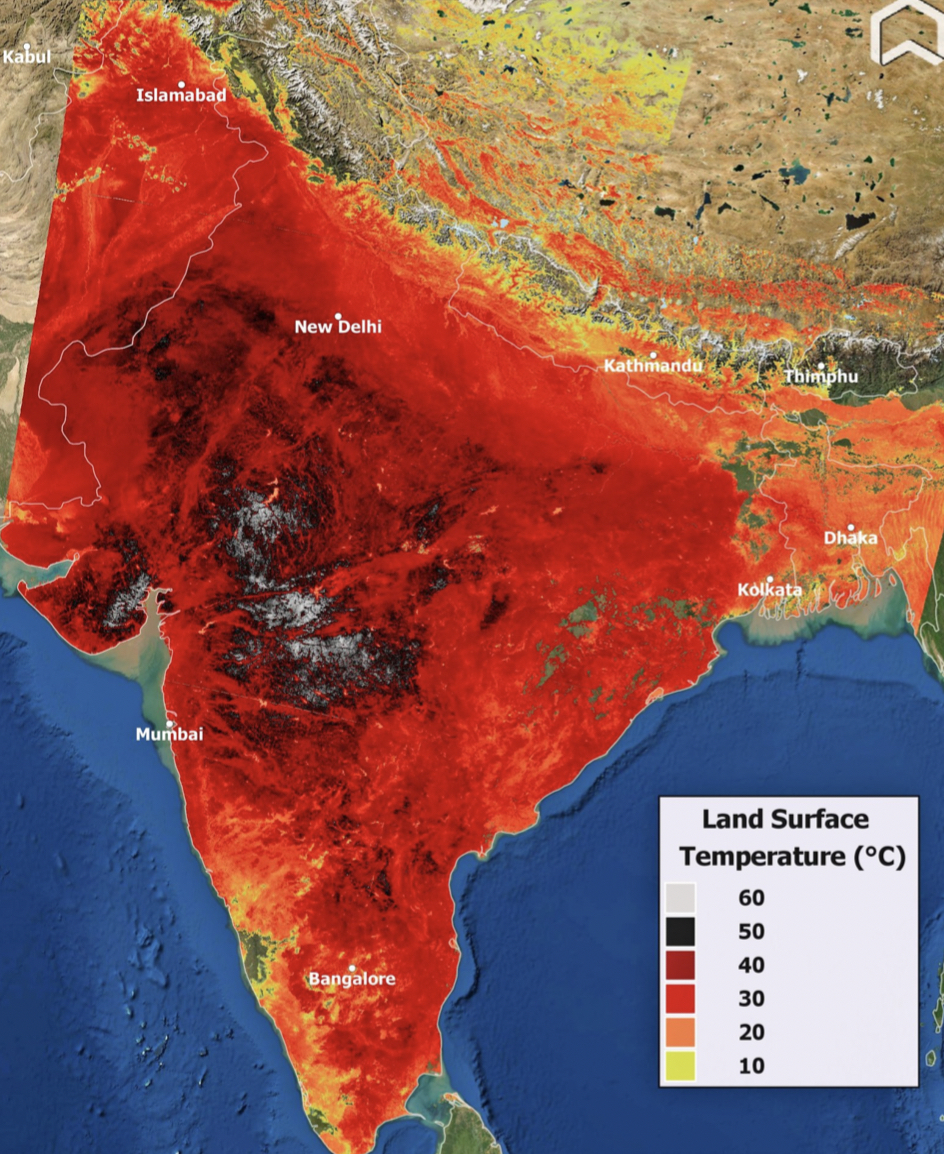
Climate anxiety, or eco-anxiety, is a chronic fear of environmental doom and is becoming a global mental health crisis. Climate projections are getting more alarming with the release of new scientific reports even as wildfires, record-breaking heat waves, unprecedented floods, and extreme weather fill the news cycle. The impact is felt locally, nationally, regionally, and globally.
On the other hand, the seeming progress on climate action is unscientific and unsubstantiated, marketed as communication strategies with big promises and little action, and often decided by the same elite group of people, mostly old men, who for some reason are our saviours for every pressing issue --- from climate change to abortion rights and outdated laws against sexual violence.
So it is no surprise that many of us live with climate anxiety, on top of a myriad of other mental health conditions our generation is facing. In a landmark survey of 10,000 young people in 10 countries, nearly 60% of respondents said that they felt ‘very worried’ or ‘extremely worried’ when asked about climate change and government responses.
Earlier this year, I visited Abu Dhabi and met up with a friend whose climate activism had slowed down in recent years. She told me that her climate anxiety had got so bad she had to distance herself from anything that had to do with the subject. It was her only way of avoiding panic attacks and inflicting self-harm.
I asked other young people, and quickly learned that many had switched careers or taken a step back from climate activism because they felt hopeless and powerless. They are preventing further deterioration of their mental well-being.