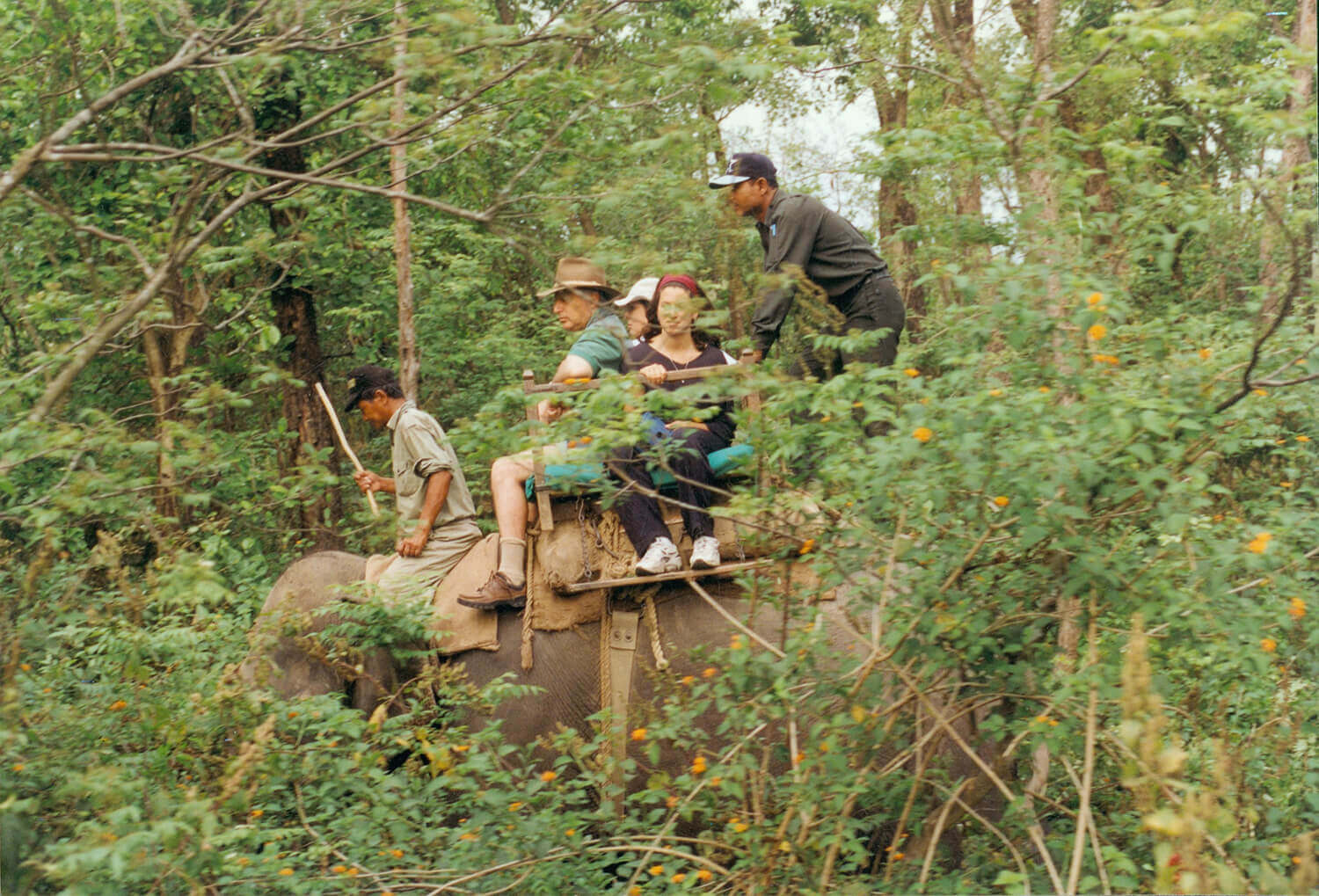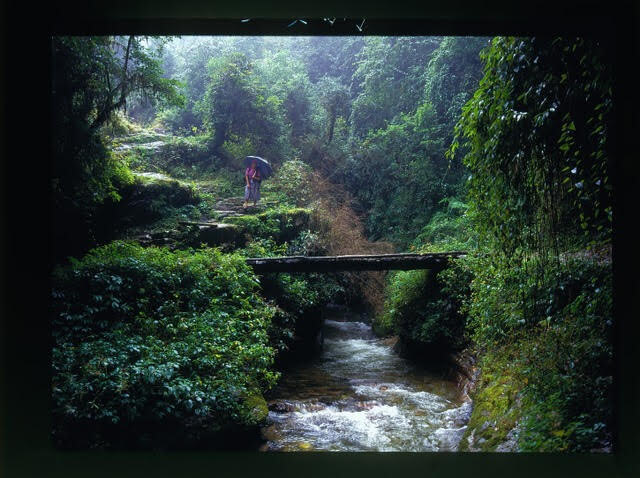
The monsoon deluge hammers our rooftops and buckets of water seem hurled at our windowpanes by divine hand. Drains clog and swell, streams overflow, and rivers spill onto what is left of roads with their surfaces corroded by wheels and weather. Drenched hillsides release their soil and stones into slips and landslides.
Nepal’s summer monsoon floods cause untold misery, damage and disruption, even if we have come to consider them ‘normal’. Draining into the sacred Ganga, Himalayan rivers have not much more than 100m elevation to drop between the southern border with India until they meet the Bay of Bengal 2,000km away. India shares the flooding watercourses and the suffering.
At Tiger Tops in the middle of Chitwan, it never even occurred to us to try to keep the lodge running during this annual drama. Access across the swollen rivers and overgrown tracks was nigh impossible, the Tarai heat and humidity were oppressive, and the jungle environment more teeming than usual with tics, leeches, scorpions and snakes flooded out of their homes.
Closed every year mid-June to mid-September, monsoon was the time for lodge maintenance, repairing roof thatch and bamboo walls, resting the elephants, and with only a skeleton staff who rotated to their villages for six weeks’ annual leave. The tented camps deep in the forest or overlooking riverbanks were packed up and carefully stored to avoid mould, fungus and damp rot, the tent shelters remade, and the jungle kitchens rebuilt.
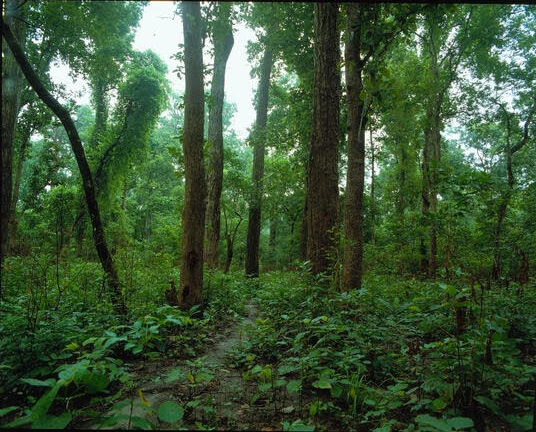
Monsoon is a special time to be in Nepal, rewarded with theatrical cloud effects, unexpected sunsets, rain-washed views and profligate plant life, but I was not prepared for the natural violence wrought in the lowlands, cataclysmic erosion changing the landscape. Rivers rose and fell with the relentless rains, swirling brown with topsoil from the middle hills, and carved new courses, gouging their sandy banks and dragging down huge trees in the flatlands of the Tarai. Unnoticed streams became impassable, and even large mammals such as domestic buffaloes and wild rhinos were swept to their deaths. An attempt at crossing the Rapti on elephant back needed to be carefully timed and was never predictable.
At the end of this annual onslaught, as rivers settled back into new alignments, Tiger Tops was painstakingly reassembled, repaired, refreshed and polished clean. The National Park roads had to be labouriously remade by hand, jungle trails cleared of encroaching greenery, forest campsites reclaimed, boats positioned for Rapti and Reu crossings, and Land Rovers floated across the rivers, wheels balancing precariously on makeshift rafts made from lashed together wooden boats, ready for the first of the arriving guests.